Garden enthusiasts can look forward to incorporating 'Ancient Blue' in 2027, a historic hue poised to elevate outdoor aesthetics in vibrant new ways.
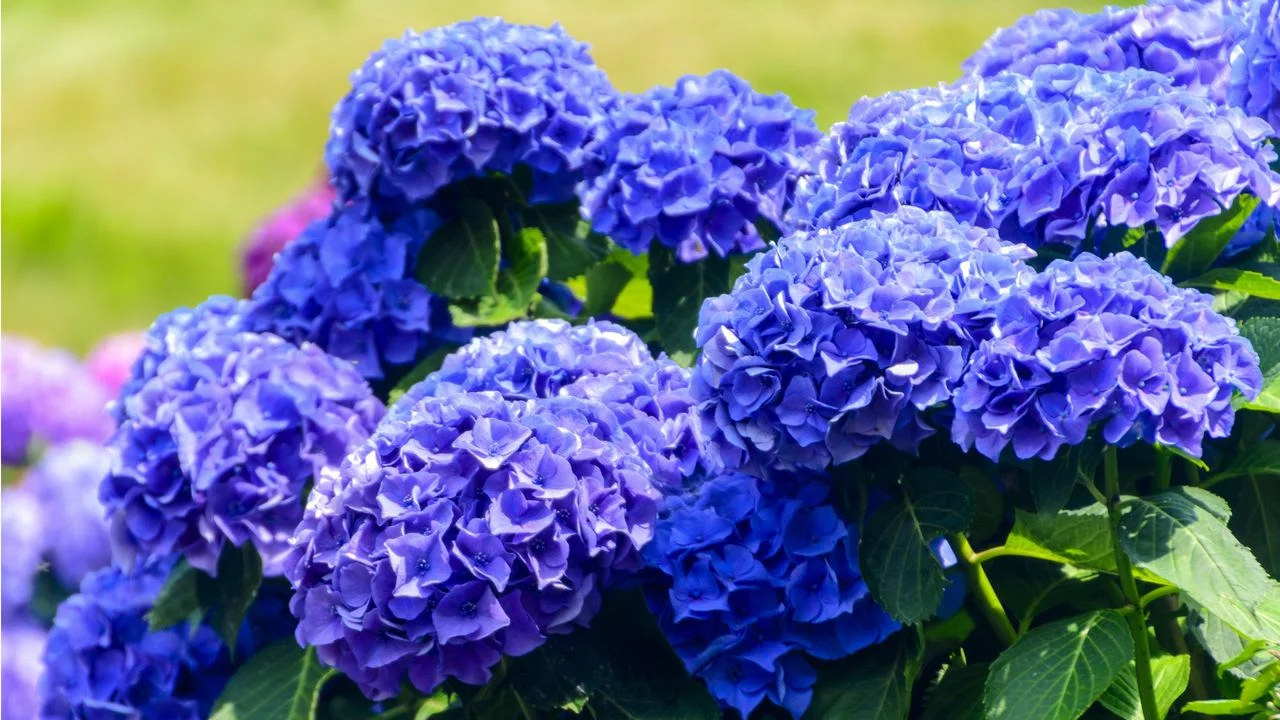
The Garden Media Group recently announced ‘Ancient Blue’ as the standout Color of the Year for 2027 in its Garden Trends Report. This rich indigo hue promises to transform gardens, offering a dramatic flair across flower beds and decorative pots. While blue traditionally finds a place in landscaping, this specific shade is anticipated to stand out like few others before it, marking a significant shift in color preference among gardeners and landscape designers alike.
The Historical Context of Ancient Blue
‘Ancient Blue’ carries a weight of history that resonates profoundly; it draws from ancient Egyptian pigment production, historically revered for its association with royalty and the divine. The allure of this color isn’t whimsical; it’s embedded within cultural narratives. Known as “the world’s oldest color,” its ties to divinity and power have shaped its place in art and nature for centuries. The report highlights a resurgence of this deep indigo, emphasizing a conscious pivot away from the fleeting trends that dominate the modern market.
This transition back to deep, historical colors can reflect a broader societal desire for stability and depth in an era marked by rapid change. In times when many are uncertain, aligning our spaces with time-tested aesthetics can foster a sense of continuity and rootedness. As gardens become increasingly seen as sanctuaries, Ancient Blue’s re-emergence taps into a collective yearning for spaces that provide comfort and nostalgia.
Understanding Ancient Blue's Significance
In its essence, blue symbolizes tranquility, a sentiment that has long found favor in both art and nature. Tracing its roots back to Egyptian blue, or “artificial lapis lazuli,” we realize that this color is much more than a mere visual choice. Historically, it held significant status, often accompanied by luxurious hues like Tyrian purple, which were reserved for emperors. This historical relevance enhances the significance of blue in contemporary gardening, transforming it from a simple aesthetic choice into a symbol of heritage and legacy.
Expect to see ‘Ancient Blue’ as a focal color in gardens across various styles and designs in the coming year. From mesmerizing blue hydrangea hedges to spikes of delphinium and vibrant cornflowers adorning flower beds, this shade will redefine how colors are integrated into gardening. Even simple plants like cornflower seeds have the potential to elevate garden spaces by contributing to an overall blue palette.
Incorporating Ancient Blue into Your Garden
Infusing ‘Ancient Blue’ into your design strategy may not be as straightforward as introducing lighter or warmer colors. True blue flowers are rare, and the Garden Trends Report points out that blue appears in less than 10% of flowering plants, underscoring its desirability and the challenges it poses to gardeners. For those working in this space, the limited availability might seem like a hindrance, but it also creates an opportunity to showcase a distinct aesthetic.
However, the palette isn’t completely limited. Options like blue hydrangeas, ‘Little Blue Fountain’ agapanthus, and delphiniums provide excellent choices for gardeners determined to incorporate this striking color into their landscapes. These selections can create dramatic contrasts with their surroundings, adding depth as well as a sense of cohesion. Pairing shades of blue with complementary colors can elevate overall garden design.
Beyond just floral selections, you can enhance your garden aesthetic with various accessories. Consider blue ceramic pots filled with lively orange marigolds as a way to create visual tension, or feature a vintage-style blue watering can prominently on your potting bench. These elements contribute both functionality and style, inviting observers to appreciate the thought behind the garden’s design.
Blue's Effect on Well-being and Design Trends
Blue is well-regarded for promoting feelings of calm and relaxation; it’s often favored in spa designs for these very reasons. As we grapple with a constantly overstimulated environment, this hue offers a serene reprieve. This alignment with modern garden trends emphasizes mental wellness and the creation of restorative outdoor spaces, making ‘Ancient Blue’ not just a color, but an aesthetic choice carrying therapeutic potential. If you're working in this space, you’ll find that the incorporation of calming colors can enhance the outdoor experience significantly.
Interestingly, interiors are embracing blue as well. The report describes it as “the new neutral,” suggesting shifting preferences for creating soothing, cocoon-like environments indoors. This trend has direct implications for outdoor landscaping. Embracing Ancient Blue might just reflect a growing desire to blur the boundaries between interior sanctuaries and outdoor retreats.
Moreover, the deep tones of Ancient Blue can elevate not just garden aesthetics but also encourage mindfulness through their calming nature. For those interested in therapeutic design, integrating this color may emerge as a beloved favorite among other trending options.
Blue Flowers and Planting Tips
To effectively integrate ‘Ancient Blue’ into your landscape, consider planting techniques that help maintain the desired hue. For example, if you opt for blue hydrangeas, specialized treatment with products such as aluminum sulfate can enhance their color richness. This kind of investment—time, effort, and finances—is something many avid gardeners find worthwhile, especially given the significance of the color being employed.
This year’s choice of ‘Ancient Blue’ signals a broader movement towards embracing heritage colors that possess both narrative and emotional resonance. This trend is pivotal for any garden enthusiast looking to enhance their outdoor sanctuaries in ways that go beyond surface-level aesthetics. Pairing Ancient Blue with other hues can create deeply engaging spaces that evoke memories and emotions.
The Future Implications of Ancient Blue
It’s essential to consider what the emergence of ‘Ancient Blue’ means for the future of garden design. As gardening continues to evolve, incorporating historical references into color choices points to a desire for deeper connections with nature and our own histories. If you’re looking to stay ahead of these trends, the significance of color cannot be understated.
A deeper understanding of how color influences mood and perception can shape not just landscapes but also community spaces. As more people seek to transform their gardens into havens of tranquility, colors like Ancient Blue will likely guide them in that pursuit. This shift may very well carry over into urban planning and public spaces, reflecting an increasing appreciation for color’s impact on well-being.
To stay updated on emerging trends and gardening tips, consider signing up for newsletters that deliver insights directly to your inbox, keeping you at the forefront of the latest outdoor inspirations.



Discussion
Sign in to join the discussion.