September offers gardeners a prime opportunity to order seeds for winter sowing, earlier blooms, and a thriving garden in 2027.
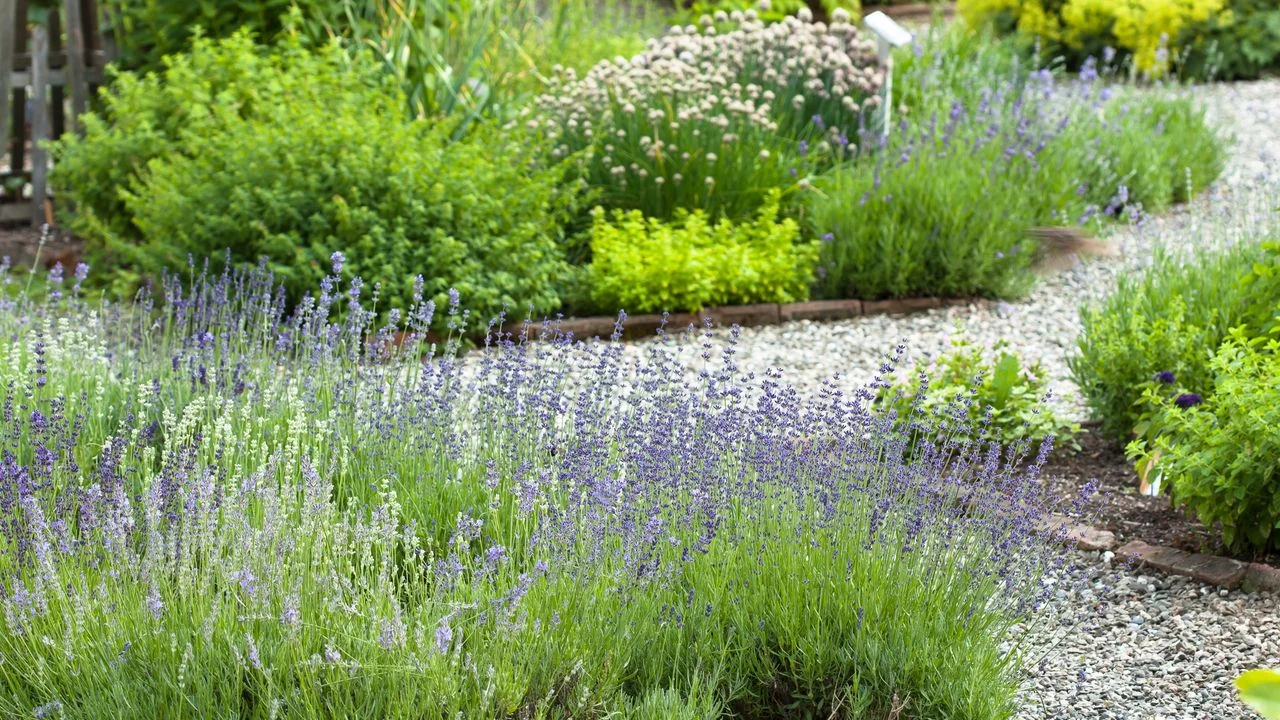
As summer transitions to fall, September emerges as a strategic month for gardeners. It’s not just about packing away the summer gear; it’s prime time to order seeds for cold-weather sowing, ensuring hardy annuals and reliable vegetables are ready for an early spring harvest. Selecting varieties suited to your USDA zone now will pay dividends before stock runs low.
In my experience, a measured order taken in September surpasses a frantic buying spree in February. With time to peruse seed packets and draw up a plan, you can label all your seeds methodically—ensuring that come spring, seedlings have their designated spots and avoid chaotically claiming territory in your garden.
Some seeds thrive with the cooling weather of autumn, while others require a winter chill before they spring to life. This guide outlines which seeds to prioritize now, how to prepare for winter conditions, and what vegetables can be sown for a head start in early spring.
Prioritizing Hardy Annuals for Spring
Hardy annuals should be at the forefront of your September order. These plants establish themselves in the fall, leading to larger blooms that outpace their spring-sown counterparts.
Calendula officinalis is a fantastic choice. Opt for vibrant orange varieties for cutting or softer apricot tones for borders. In USDA Zones 7 to 10, sow directly in a sunny, well-drained space. For cooler areas, you can sow under cover in late winter. The bright blooms can brighten the gloomiest of March days, acting as a cheerful reminder that spring will arrive.
Include Lathyrus odoratus (sweet pea) on your list as well, especially in temperate Zones 3 to 8. While fall-planted sweet peas need insulation to endure harsh winters, their established root systems provide a strong head start. I prefer to sow them in deep modules, patting myself on the back each time I remember to water them through winter. For guidance, check our detailed sweet pea growing guide.
Lastly, consider Consolida ajac (larkspur) for an elegant touch. It's best to sow directly in fall where winters aren’t too wet; gardeners in colder zones should wait until spring when conditions allow. A Giant Imperial larkspur mix from True Leaf Market can add flair with its impressive spires of blue, pink, and white.
Seeds That Benefit from Winter Conditions
Many perennials need a cold period to germinate, known as cold stratification. This mimics their natural environment and prepares them for growth come spring.
Echinacea purpurea (coneflower) is an excellent candidate for fall sowing. In Zones 3 through 8, you can sow seeds outdoors beginning late September, lightly covering them to allow winter weather to aid germination. The result is a long-lived perennial that attracts pollinators with its stunning daisy-like flowers.
Other options include Asclepias tuberosa (butterfly weed), a must-have for sunny borders in Zones 3-9. These perennials also appreciate cold stratification, so scatter the seeds in their permanent location and carefully note where they reside; avoiding the temptation to tidy them away in spring can save you from costly mistakes. If your winters are mild or your soil frequently saturated, consider placing seeds in the fridge with slightly moistened vermiculite or paper towels for stratification instead.
Vegetables to Grow Before Winter Sets In
September is also the best time to secure vegetable seeds specifically bred for cooler climates. It pays to be discerning—selecting winter-ready varieties can mean the difference between bountiful harvests and unwanted surprises when frost hits.
Look for cold-tolerant options like Valerianella locusta (corn salad), Eruca vesicaria (arugula), and Lactuca sativa (winter lettuce) for immediate planting. In Zones 6 to 9, these can yield edibles with the help of cloches or cold frames. For gardeners in Zones 3-5, consider planting in protected environments like greenhouses.
Fava beans (Vicia faba) are another excellent choice for early autumn. Look for hardy varieties such as ‘Aquadulce’ that can take root before winter and gain a head start come spring. They thrive in cooler conditions but tend to dislike waterlogged soils, so choose planting spots wisely.
Another staple for your September order is cilantro (Coriandrum sativum). In Zones 7-10, direct sow seeds for a continuous supply of fresh foliage through the fall. In cooler climates, a sunny indoor spot works wonders for sprouting this herb.
Strategize Purchases Based on Your Zone
Seed catalogs can lure even the most disciplined gardener into temptation with stunning photos. Yet, it’s paramount to select varieties that align with your specific climate. A gorgeous flower suited to a Mediterranean spring might fall flat in a Northern winter.
Gardeners in Zones 3 to 5 should focus on hardy annuals, cold-stratifying perennials, and late-winter sowing crops. If you're in Zones 6 to 7, your options expand, but consider a cold frame for added protection. Meanwhile, Zones 8 to 10 offer a wide array of cool-season options while skipping those that require extended cold for germination.
Before you place your first order, check your frost dates and align packet timings with your local conditions rather than strictly adhering to dates on a calendar.
Organize Your Seed Collection Efficiently
Before making new purchases, take a moment to audit your current seed collection. Different seeds have specific storage needs and lifespans—store them cool, dark, and dry for optimal viability.
Keep open packets neatly stored in labeled envelopes within a closed box, categorized by type: flowers, vegetables, and those tempting—but as yet uncommitted—varieties. Order only what you need to execute your plan, plus a contingency for succession sowing or unanticipated challenges.
Making the Most of Seed Ordering in September
September is far from the end of the gardening year; it marks the beginning of planning for next season. While gardens taper off, resources are still available for scheduling next year’s growth in the comfort of your home.
A smart approach combines selecting seeds for immediate sowing, those needing winter chill, and varieties for late-winter planting. Avoid ordering based on the allure of attractive packaging alone; prioritize practical choices that will yield results in your garden.
Ultimately, September serves as a rich opportunity for informed gardeners. By strategically ordering seeds, you prepare not just for the coming cold months, but for the vibrant spring to follow.


Discussion
Sign in to join the discussion.