Tapestries are making a comeback in contemporary interiors, finding inspiration in the Obamas’ 2004 living room design for a layered, textured approach.

Tapestries, with a history spanning over six centuries, are experiencing a revival in modern interior design, largely due to the aesthetic choices made by Michelle and Barack Obama in their 2004 living room. The woven textile they chose not only enhances the space aesthetically but also underscores a vintage charm that resonates with today’s design sensibilities. This reemergence speaks volumes about how history can inform modern living environments, marrying function and beauty in ways that few other decor items manage.
Historical Context of Tapestries
Reflecting a rich tradition that dates back to the Middle Ages, tapestries served dual purposes: they provided insulation against cold stone walls and introduced color and storytelling into otherwise stark environments. Originally crafted as functional pieces, they depicted mythological, historical, or religious narratives that adorned the walls of grand castles and modest homes alike. Fast forward centuries, and the same principles apply, revitalizing traditional decor in homes that often shy away from ornamentation. This revival isn't just aesthetic; it’s a nod to a bygone era where craftsmanship and storytelling were central elements of decor.
The Obamas’ Influence
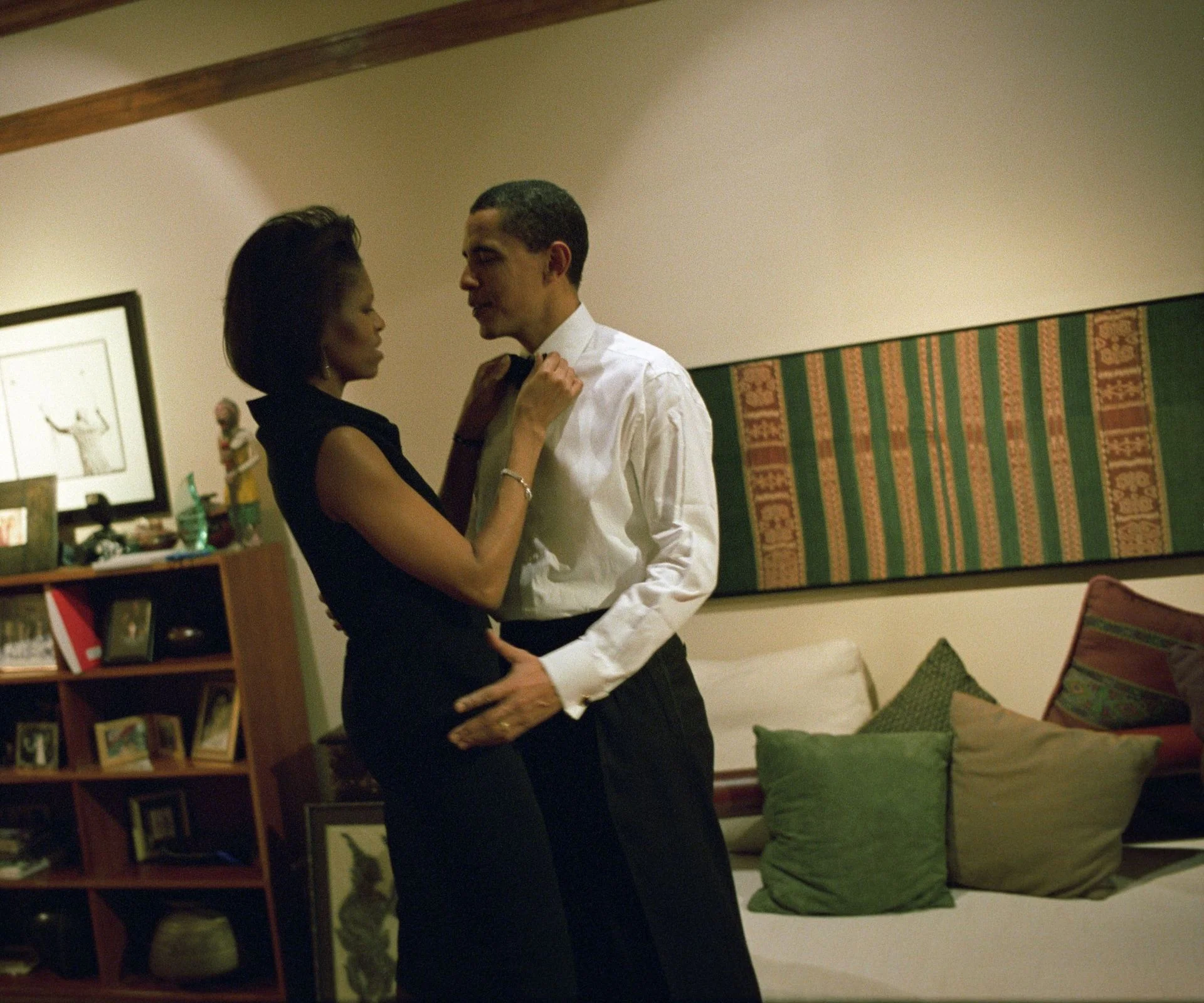
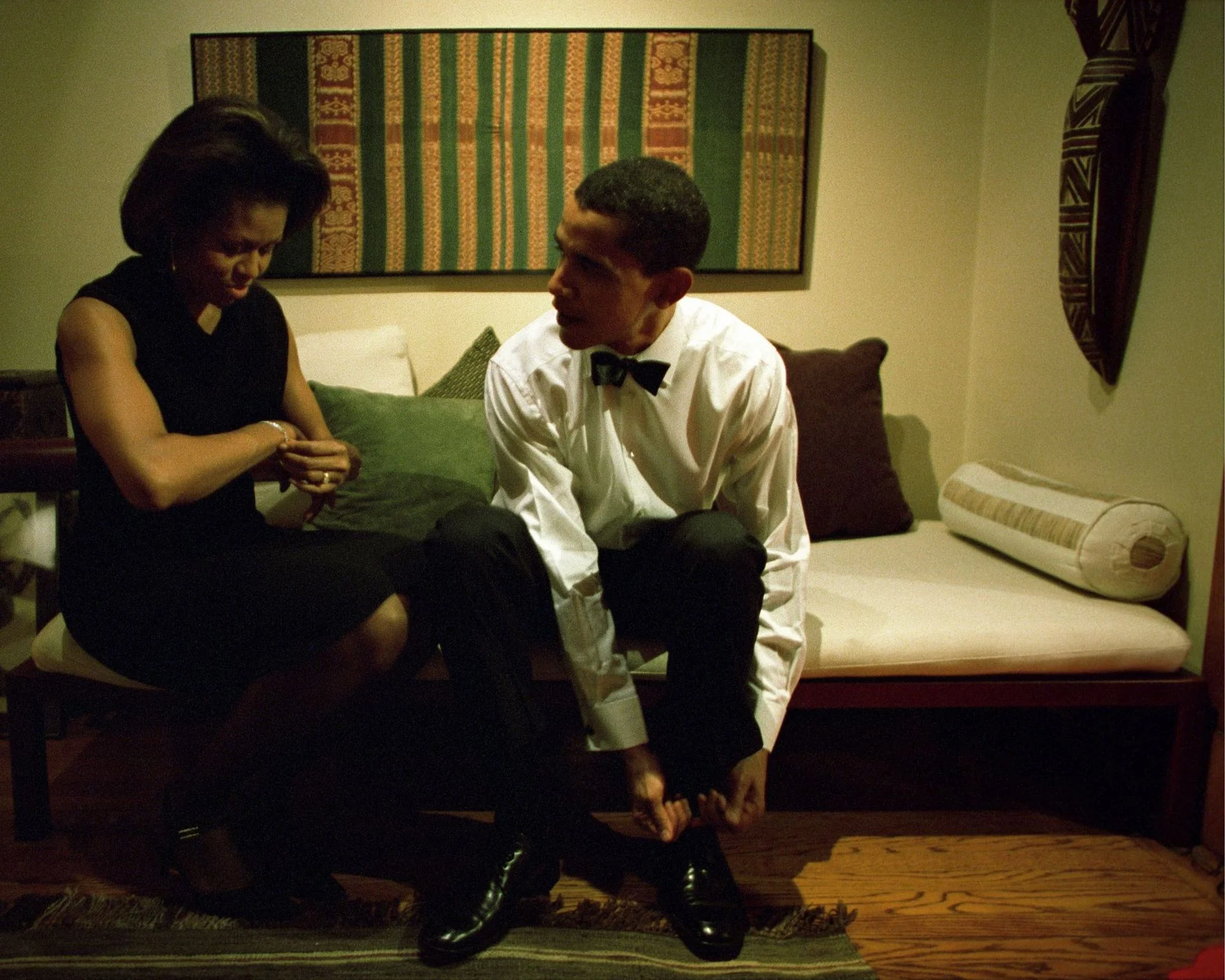
Upon examining archival images of the Obamas' Chicago residence, it’s evident how the large, patterned wall hanging creates a striking focal point above the seating area. The tones of green and geometric designs contribute vibrancy to a space characterized by subdued hues. There’s something captivating about a single tapestry occupying such central space, adding warmth and personality without the disruption that frames and photographs can create. Notably, this aesthetic is driving trends in interior design, capturing attention even two decades later. It highlights how one influential couple can shape public perceptions of style, encouraging a broader audience to explore the charm that tapestries can introduce to personal spaces.
Contemporary Options
To echo their style, a Mid-Century Modern wool wall hanging from 1stDibs offers a similar combination of geometric design and earthy colors, fitting well into contemporary spaces. Today’s tapestry options are more diverse than ever, serving to complement a variety of design aesthetics, from minimalist to bohemian.
Expert Opinions
Interior design specialist Steve Larkin from Lark & Larks sees a clear trend: tapestries are reappearing in modern homes for their ability to incorporate historical motifs into contemporary settings. “They add a unique warmth and texture to interior design,” he remarks, highlighting their sound-dampening qualities and the ability to conceal wall imperfections. This is particularly appealing in urban environments where noise and starkness can become overwhelming. The richness of fabric can serve as an antidote to sterile, minimalist designs that have dominated the past decade, offering a softer, more inviting atmosphere.
Design Versatility
As demonstrated in Obama's living room, a well-placed tapestry can transform a large wall without imposing a sense of formality, adding soothing softness that framed artwork cannot. Their textile piece stands out horizontally, anchoring the seating area while maintaining balance against the rest of the interior elements. Here’s the thing: too often, home decor makes a space feel stiff or overly curated. Tapestries offer a chance for expression and warmth, making an otherwise lifeless wall feel inviting and lived-in. This versatility has opened the door for homeowners to rethink where and how they incorporate such decor.
Beyond traditional settings, Larkin points out the versatility of tapestries, which function as statement art, wall coverings, room dividers, or even alternatives to headboards. The Obamas’ minimalist yet rich aesthetic serves as a reminder that less ornate pieces can bring considerable impact to modern decor. (And this is the part most people overlook.) Their appeal lies in the convergence of tradition and contemporary design, making them relevant for diverse tastes and preferences.
Cultural Significance
He further explains that there's a growing appreciation for decor that carries significance. What defines unique tapestries is not only their richness in design but their cultural narratives as well. Such pieces often tell a story, embodying the history and artistry of different cultures. This demand for authenticity means today's designers are increasingly drawing on the motifs and craftsmanship of tapestries for everything from wallpaper to upholstery, making such influences feel refreshingly contemporary. If you're working in this space, understanding these narratives and their impact can be essential in crafting a cohesive design that resonates with both history and the present.
The distinct texture of tapestries adds depth and movement to spaces often regarded as sterile, fulfilling a desire for authenticity in home decoration. “The labor-intensive creation makes them unique, deeply resonating with those seeking individuality in their living spaces,” Larkin concludes. This ties into a larger movement in consumer behavior that favors products with stories and craftsmanship behind them, rather than mass-produced pieces.
Implications for Modern Design
Two decades later, the Obamas’ living room stands as a testament to the strength of historical influences within modern design. Retaining the elegance of tradition while embracing contemporary necessity appears to provide timeless choices that enrich current aesthetic sensibilities. The endurance of tapestries in the interior design world isn’t a fleeting trend; it reflects a deeper appreciation for craftsmanship and the stories woven into each piece. Designers and homeowners alike are recognizing that a tapestry can serve as not only a decorative feature but also a conversation starter that brings history into play in a modern context.
If design interests you, consider subscribing to our newsletter for more insights.



Discussion
Sign in to join the discussion.