Creating a beautiful room is a lengthy process involving careful planning and collaboration, often taking years before the perfect photograph is captured.
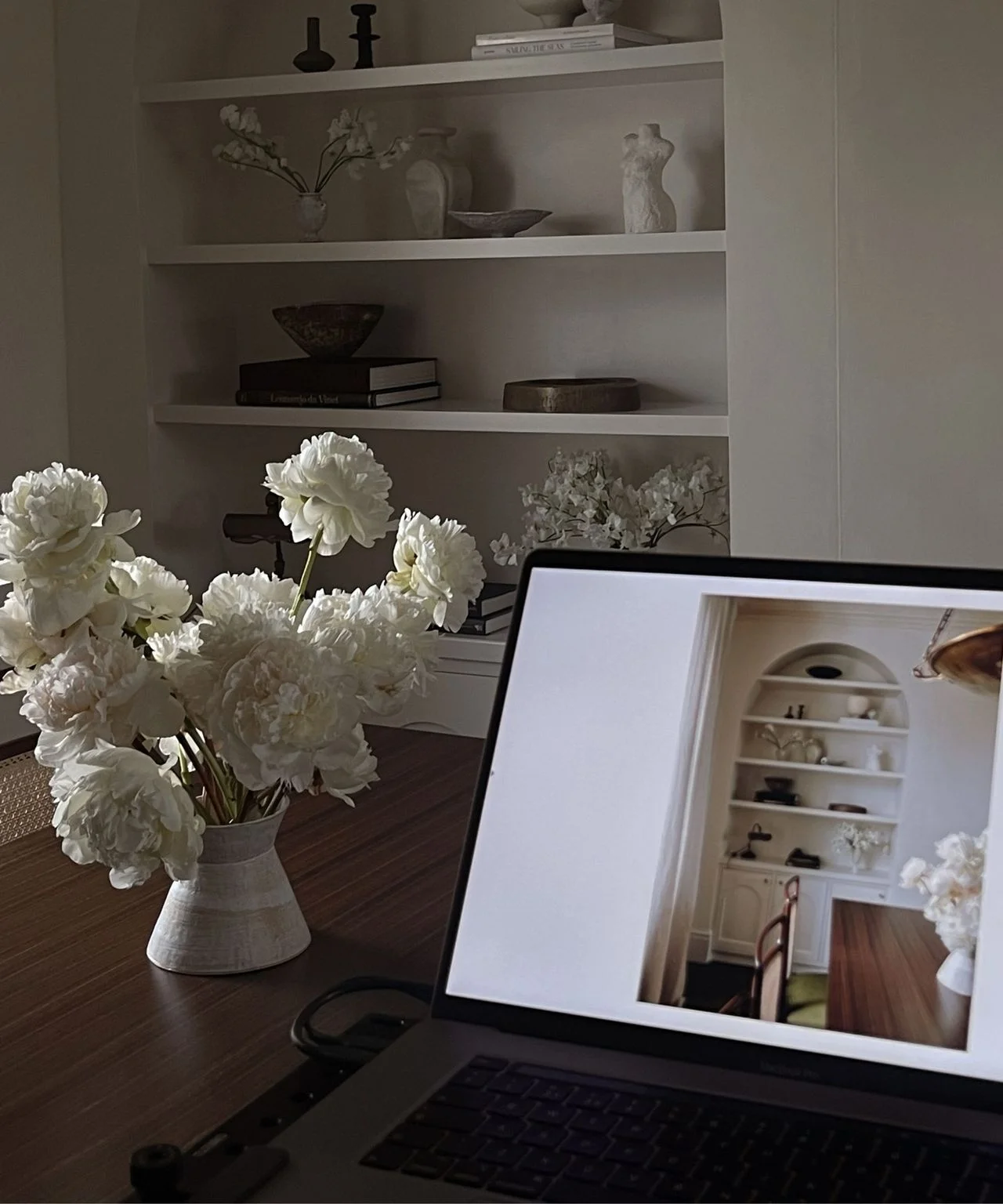
A captivating interior doesn’t just appear; it’s the culmination of extensive effort, strategizing, and numerous decisions. While a photograph captures the beauty of a final space, it’s crucial to understand that behind those stunning images lies an intricate journey often spanning years.
Contrary to common belief, completing a design project usually takes much longer than a few months. Most projects I oversee extend closer to the two-year mark. Some, particularly complex ones, might take even five years. This timeline often surprises clients, as photos convey the final result but offer no context about the duration or the labor involved in achieving it.
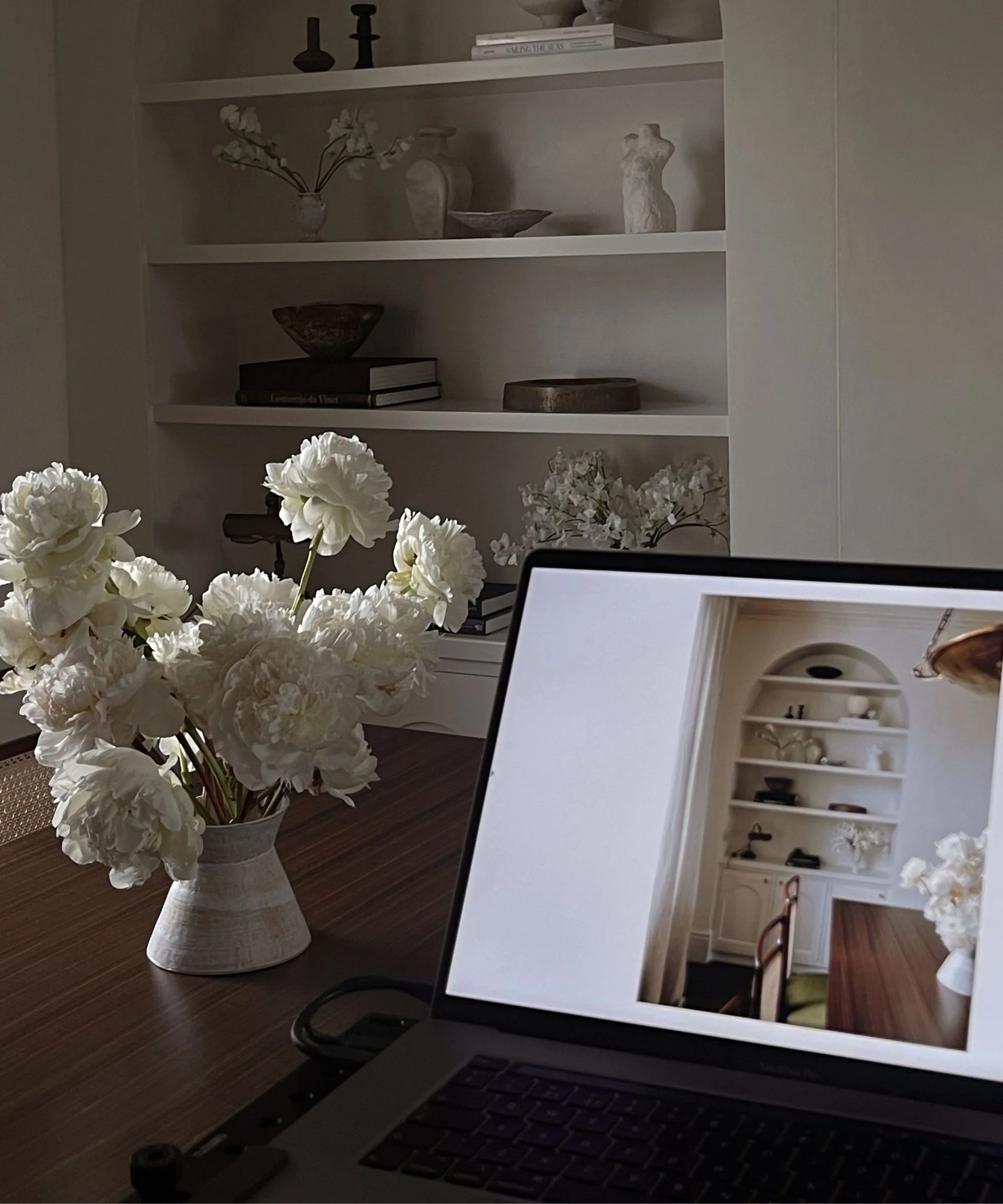
Significant time is consumed not in idleness, but in a multitude of preliminary steps. Often, it begins long before selecting any furniture. The process involves weeks or even months of research and testing ideas against architectural constraints and client preferences. Most concepts may never actually make it to the final design, but this phase is essential for honing in on the ultimate outcome. Layouts, for instance, aren’t merely passed from architect to designer; they are crafted through collaborative negotiations until a solution aligns with the client's lifestyle rather than just aesthetic criteria.
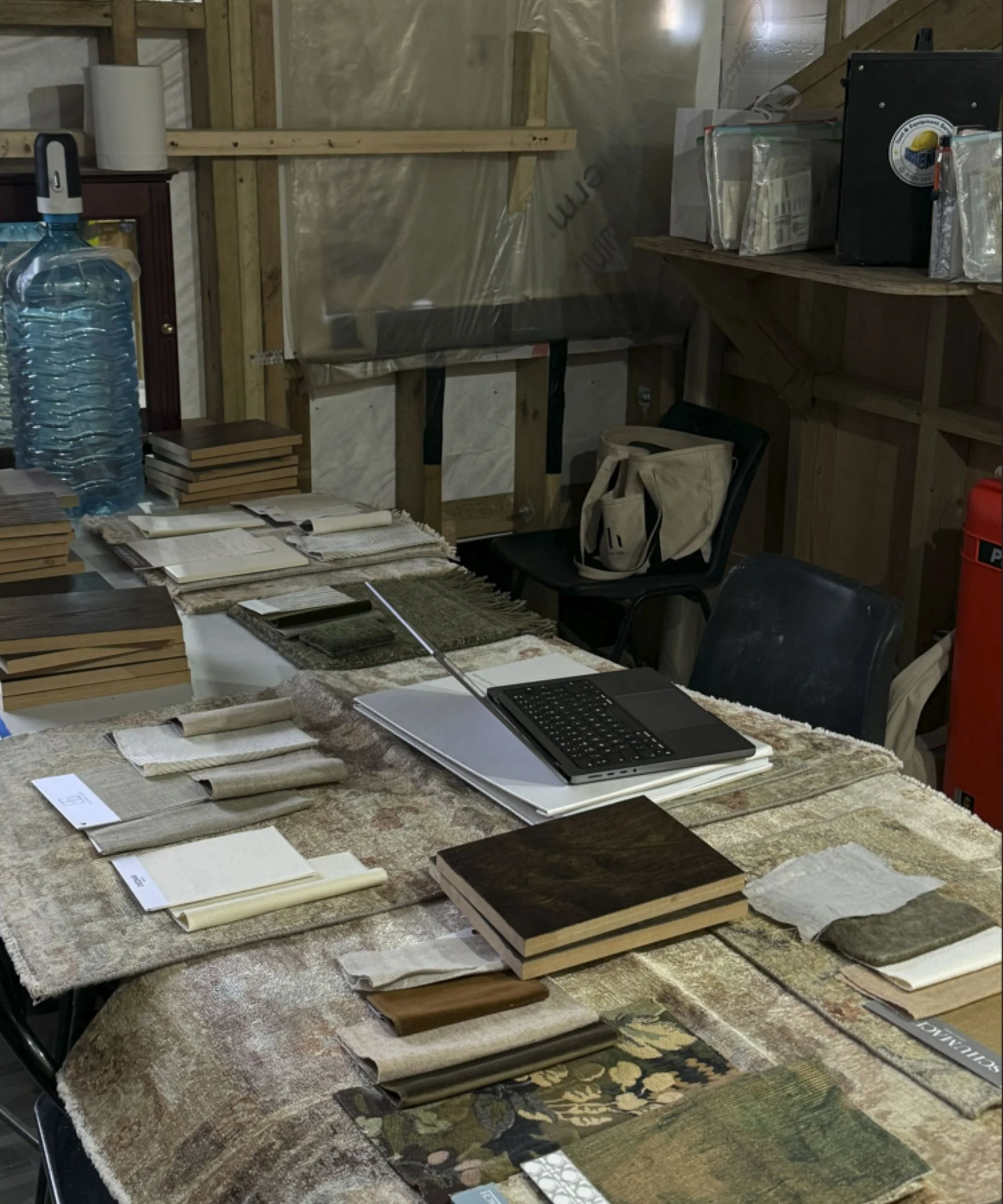
'A photograph gives no sense of duration. It shows you the arrival, not the years of decisions that led to it.'
Once a layout is established, sourcing materials begins—this is an exhaustive search often entailing the discovery of new artisans or vendors. Each project typically demands someone unique because using familiar resources might not fulfill specific requirements or match previous styles. It’s critical to find the right fit, which can extend this stage for several months before achieving coherence between designs and craftsmanship.
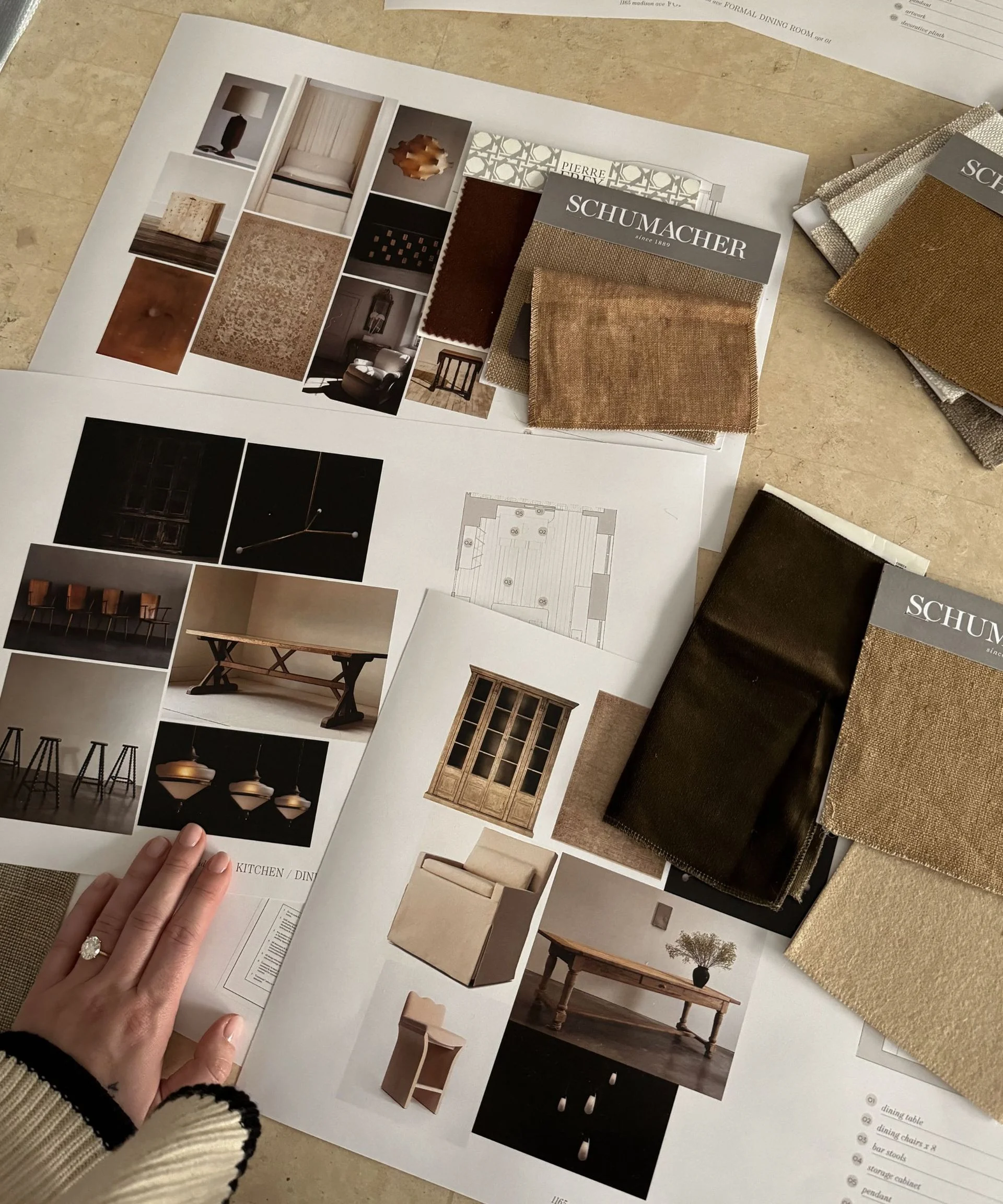
Flexibility is a crucial aspect of this creative process. New ideas may emerge while a project is underway, sometimes necessitating revisions mid-build. This isn't a sign of poor planning; rather, it's about adjusting based on fresh insights or the unique characteristics of the space that might reveal themselves with time. Effective design embraces these shifts, even if they require revisiting established elements.
The materials selected also bring challenges. Often, the stone or wood seen in a sample isn't the same as what arrives on site — natural variations demand that we design with those differences in mind. Sourcing unique pieces can introduce risk; if an item doesn’t meet expectations when it arrives, the hunt begins anew for something equally worthy.
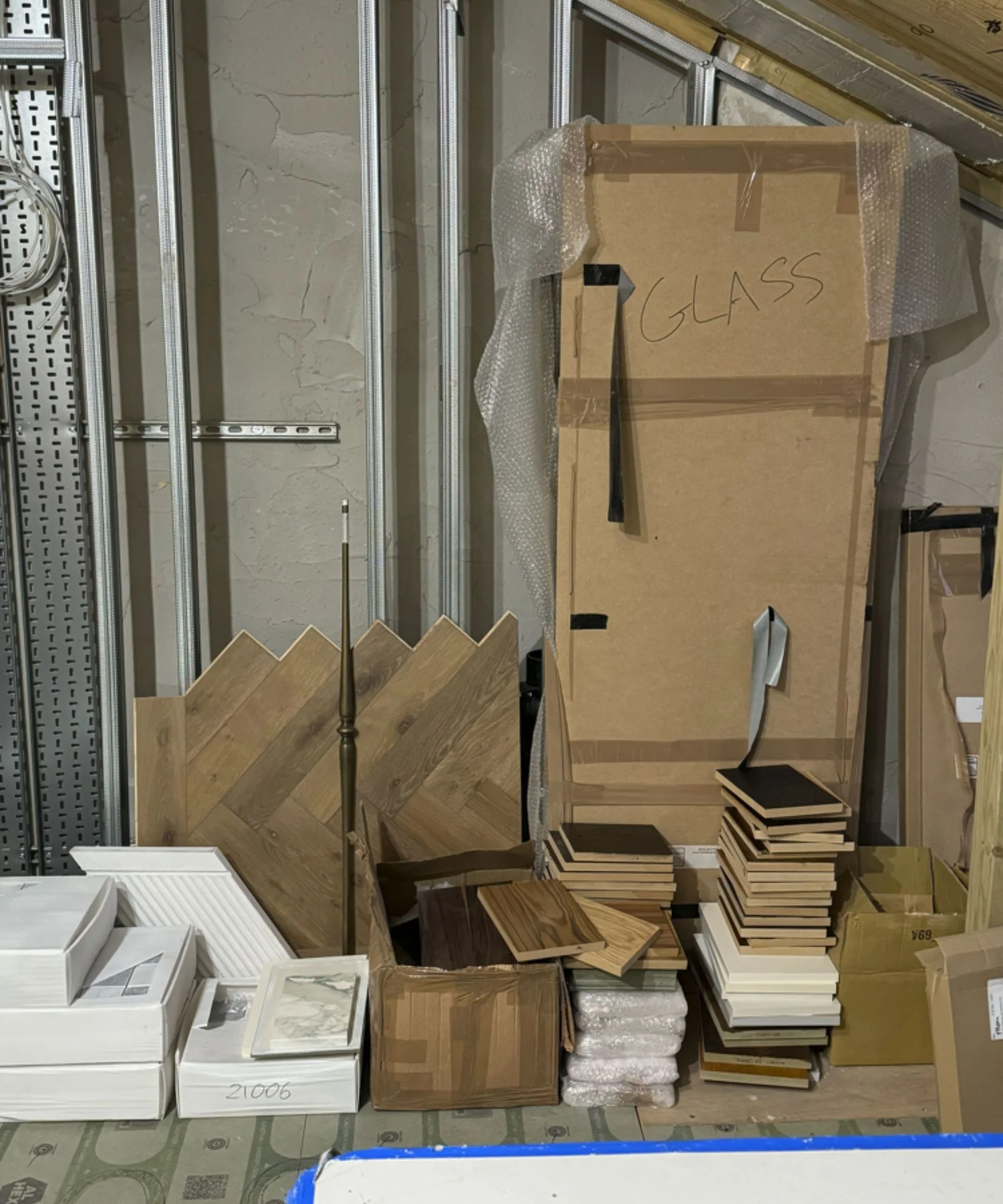
Even minor details can lead to significant delays. For instance, a mis-measured window treatment must be redone, or a marble countertop might crack during transport, necessitating replacement. Finishes that initially appeared flawless in small samples can behave differently when applied on a larger scale, leading to potential rework unseen by anyone outside the project. These challenges may not be apparent in the final image, but they are pivotal moments in the creative journey.
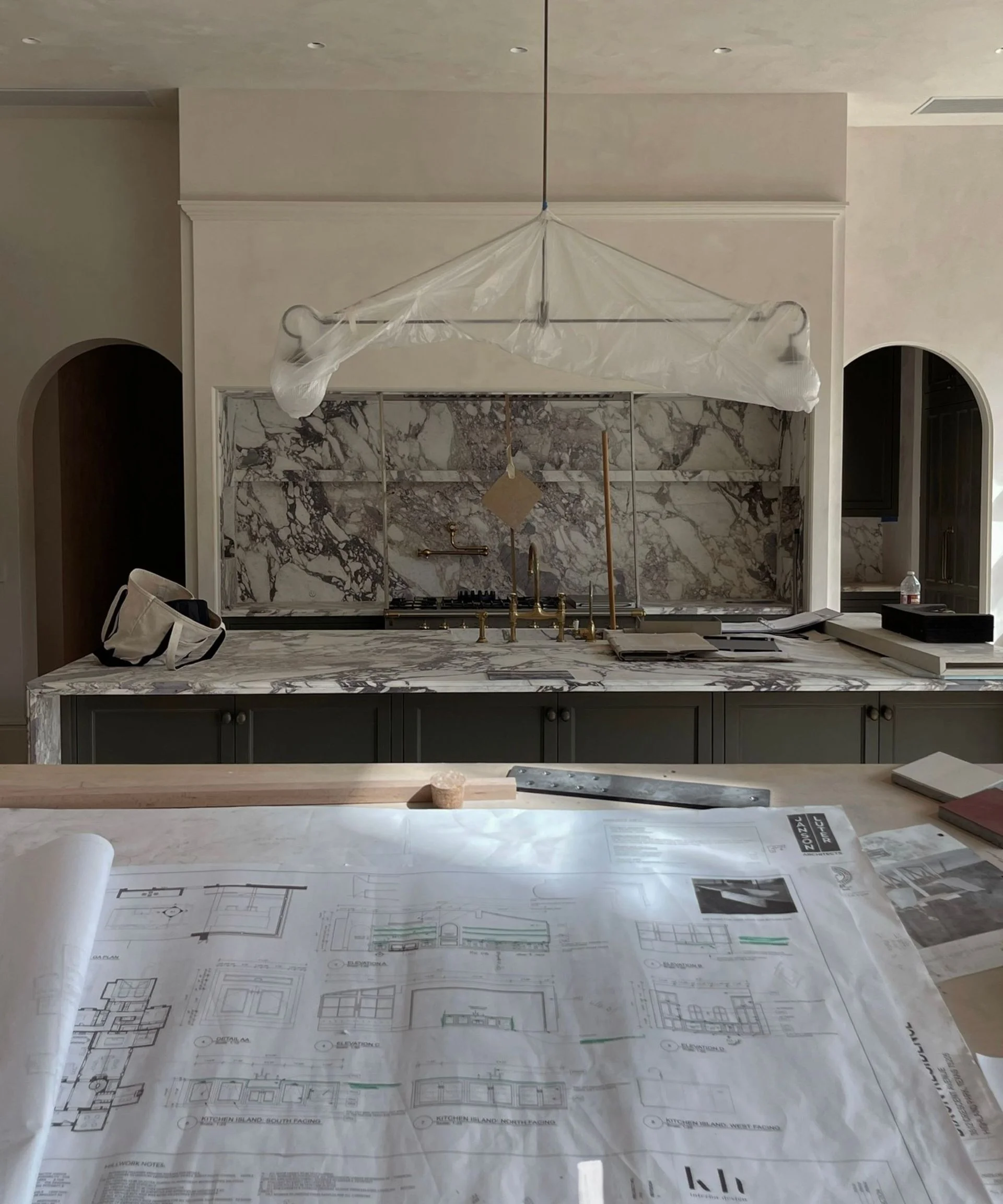
The beauty and tranquility reflected in a completed room arise from the labor-intensive processes hidden from view. These serene outcomes are not simply the absence of complexity but rather the result of navigating numerous challenges and transformations. It's essential to recognize that the calm of a finished space is achieved through dedicated effort, with many decisions made along the way known only to the designer.
Interior designer Katie Harbison is one of Homes & Gardens' Editors-At-Large for By Design, where she shares her thoughts on decor. See the rest of her articles here.
Love beautiful design ideas, expert advice, and inspiring decor trends? Sign up for our newsletter and get the latest features delivered straight to your inbox.

Discussion
Sign in to join the discussion.