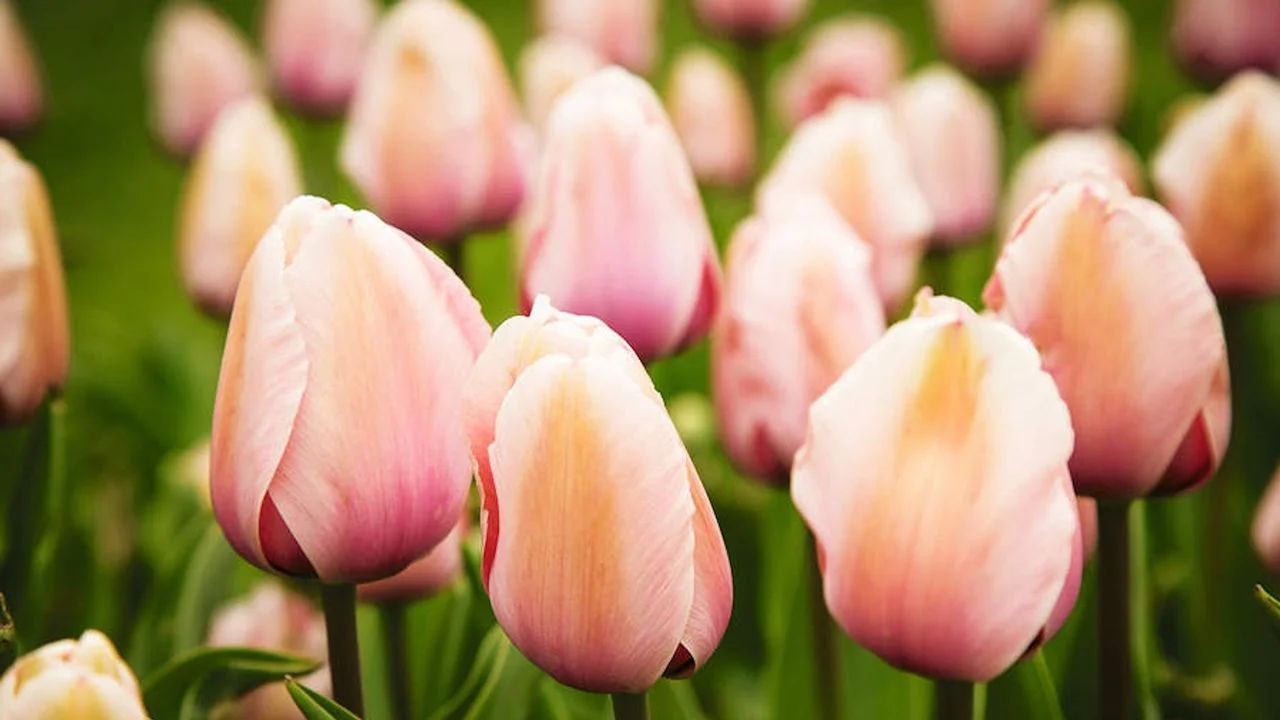
Prepare for vibrant tulip blooms by planting bulbs in fall; ensure quality soil, proper depth, and spacing for a stunning display in spring.
Timing is Everything for Tulip Beauties
If you're aiming for a breathtaking tulip display this spring, preparation is key—specifically, when you plant those bulbs. The vibrant blossoms we cherish require a chilling phase during the fall to develop strong roots, making fall planting essential for an impressive spring showcase.
To ensure your tulips thrive, wait until soil temperatures drop to around 60°F or lower before getting your bulbs into the ground. This practice builds a resilient root system crucial for their survival and blooming power, whether you’re incorporating them into garden borders, refreshingly colorful pots, or cozy garden corners.
Essential Steps for Planting Tulips in the Ground
A successful tulip display starts with proper soil health. Tulips prefer well-drained soil, ideally neutral to slightly alkaline. If your soil is heavy or clayey, bolster it with plenty of compost or leaf mold to enhance its structure. For acidic soils, a light sprinkle of garden lime can work wonders. Understanding your garden's soil pH is vital, so consider using a simple soil test kit to measure how much you might need to amend it.
Choosing quality bulbs is also critical. Select plump, unblemished bulbs from reliable sources, as their health is often reflected in their weight and appearance. A great option is the rainbow river blend from Burpee, featuring a delightful mix of vibrant colors, ensuring a robust blooming next spring.
Spacing and Depth: A Recipe for Success
When planting, ensure proper spacing by placing your bulbs 4 to 5 inches apart—about twice their width. This prevents overcrowding and competition for nutrients. Depth is equally critical; bury bulbs about 6 to 8 inches deep—approximately two to three times their height. This depth offers protection from pests, late spring warmth, and promotes repeated blooms each year.
Need a tool to simplify this process? A bulb planter from brands like Haliaeetus can be invaluable, featuring built-in depth markers to ensure your planting is accurate.
Container Planting: Tulips Anywhere
If your garden's soil isn't up to par, or you prefer the flexibility of pots, planting tulips in containers is an excellent alternative. Containers allow for easier control over soil conditions and can brighten up patios or entrances. Expertly layering bulbs in pots, a method known as “bulb lasagna,” can create a stunning, multi-tiered display that offers blossoming joy over extended periods.
It’s crucial that your containers support healthy growth; ensure they have good drainage and are filled with quality, loose soil. As an additional tip, if you live in colder zones, keep your pots in a cool, ventilated space until the warm weather arrives to protect against extreme temperature fluctuations.
Finding the Perfect Spot for Your Tulips
Location matters. Tulips thrive best in full sun or partial shade, depending on the variety. While many prefer the sun, some pale colored bulbs can brighten shady spots. Be cautious of plant siting, as standing water can lead to rotting—a common demise for tulips.
If you’re dealing with clay-heavy soil, mix in coarse sand or horticultural grit. This will improve drainage, which is key to maintaining bulb health.
Exploring Tulip Varieties
The world of tulips boasts over 8,000 unique varieties, making it easy to find the right color or shape for your garden. Variations range in height, blooming time, and floral arrangement—from elegant fringed petals to the bold hues of Darwin hybrids. Each type offers its own advantages, with some naturally increasing every year, while others benefit from annual planting for stronger blooms.
Whether you opt for species tulips, which are known for their hardy nature, or the eye-catching parrot varieties with their flamboyant petals, understanding the different types can enhance your planting strategy.
In essence, proper planning and timing this fall will reward you with a stunning tulip display when spring comes around, transforming your outdoor space into a vibrant showcase of color and beauty. If you're ready to get your hands dirty, start preparing now—the payoff will be more than worth it come April.



Discussion
Sign in to join the discussion.