Match a rug pad’s thickness and material to the rug and room, then size it to stay hidden while keeping the rug stable.
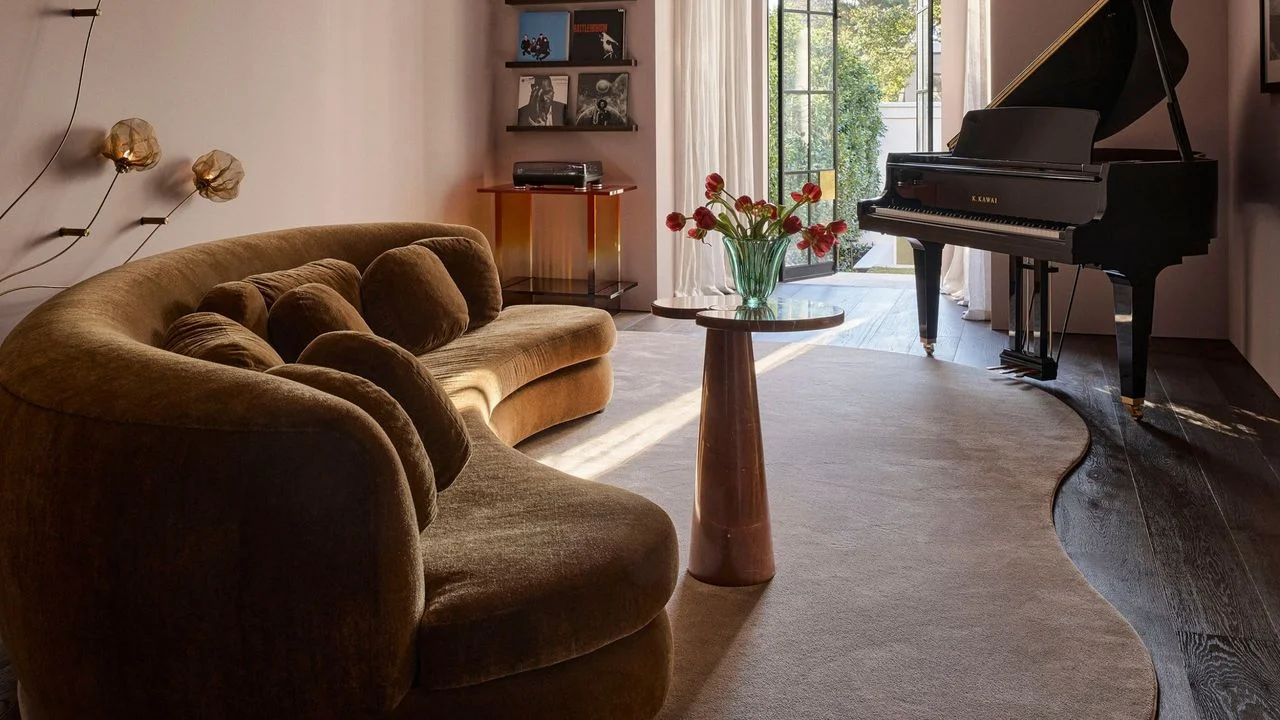
A rug pad can change how a rug feels, sits and wears. The right one helps prevent sliding and bunching, reduces friction against the floor and keeps the rug lying flat so its pattern reads clearly. It can also make a thin rug more comfortable to walk on, though extra thickness isn't automatically an improvement: a pad that lifts the rug too high can create an untidy edge or make furniture harder to move. The choice comes down to three practical factors: the rug’s profile, the room’s needs and the fit beneath it.
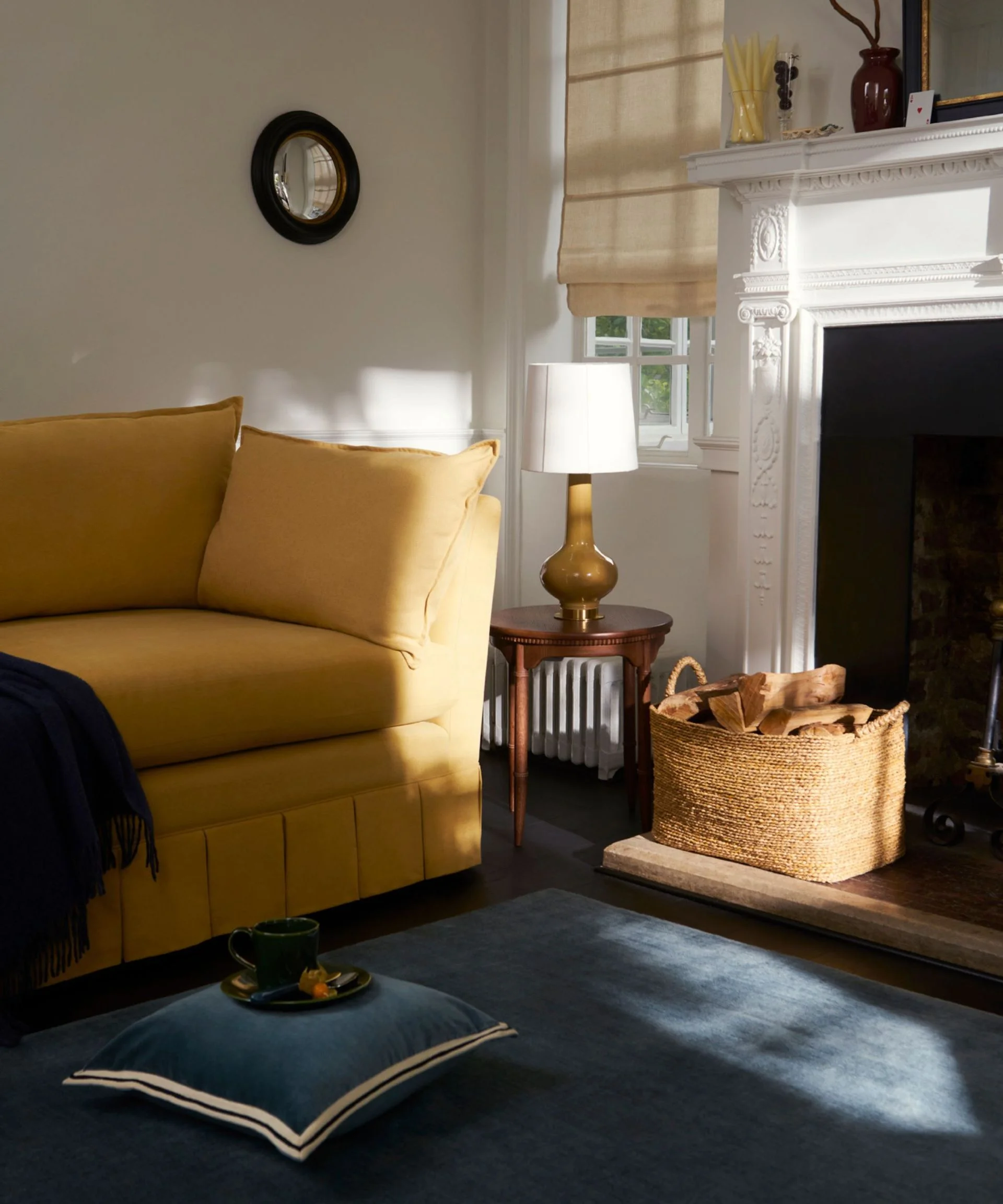
Lizzie Mosley, creative director at Hug Rug and Phoenox, recommends matching the pad to both the flooring and the job it needs to do. Some pads add cushioning; others focus on grip. That distinction matters because a pad that feels good underfoot may not be the best option beneath a dining table, while a thin gripper may do little to soften a hard floor. Whatever the type, the pad should sit discreetly under the rug and support how the room is used.
Match thickness to the rug and room
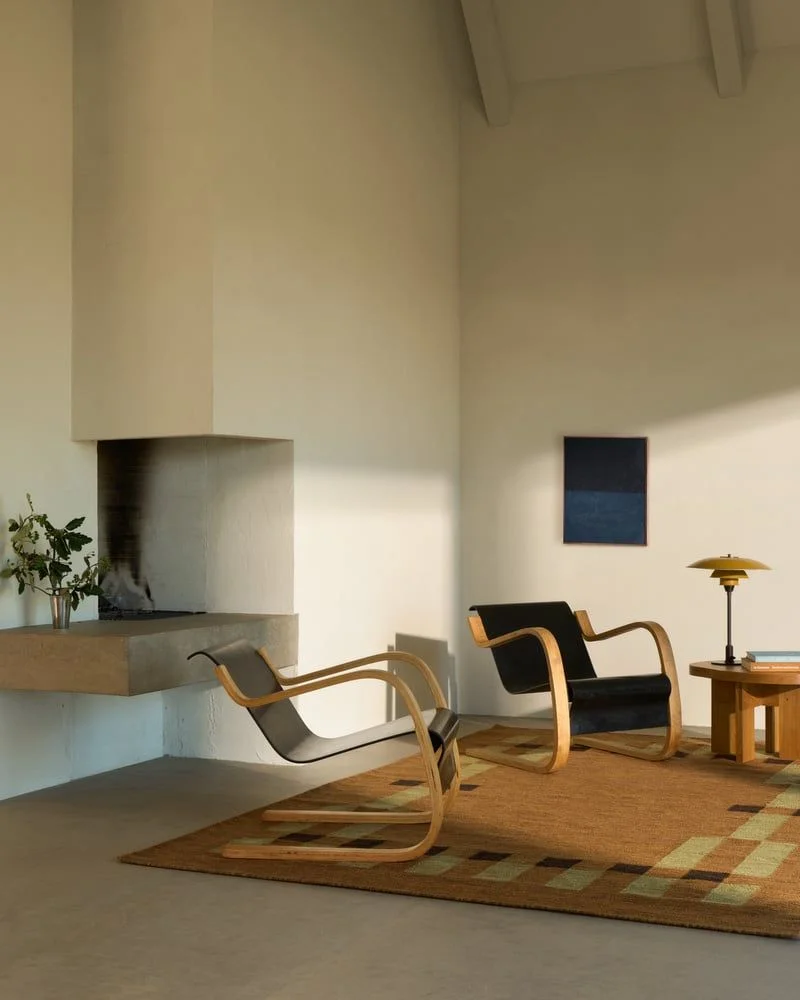
Thickness has to work with the rug’s weave and pile. A flatweave usually needs a thinner pad to preserve its clean, low profile; a medium-pile or shag rug can pair with a thicker layer for more cushioning. As Mosley puts it, the pad shouldn’t interfere with the rug’s appearance or design. That’s a useful test: if the rug starts to look lumpy, its edges curl, or its pattern seems distorted, the extra height may be doing more harm than good.
The room matters, too. A plusher pad can make a living room or bedroom rug more comfortable underfoot, especially where people spend time sitting or walking barefoot. Beneath a dining table, a thinner, flatter pad helps chairs move more easily. A thick pad under a slim flatweave can create an awkward bulge, so consider the full setup before choosing: the rug, the furniture that sits on it and the way people move through the room.
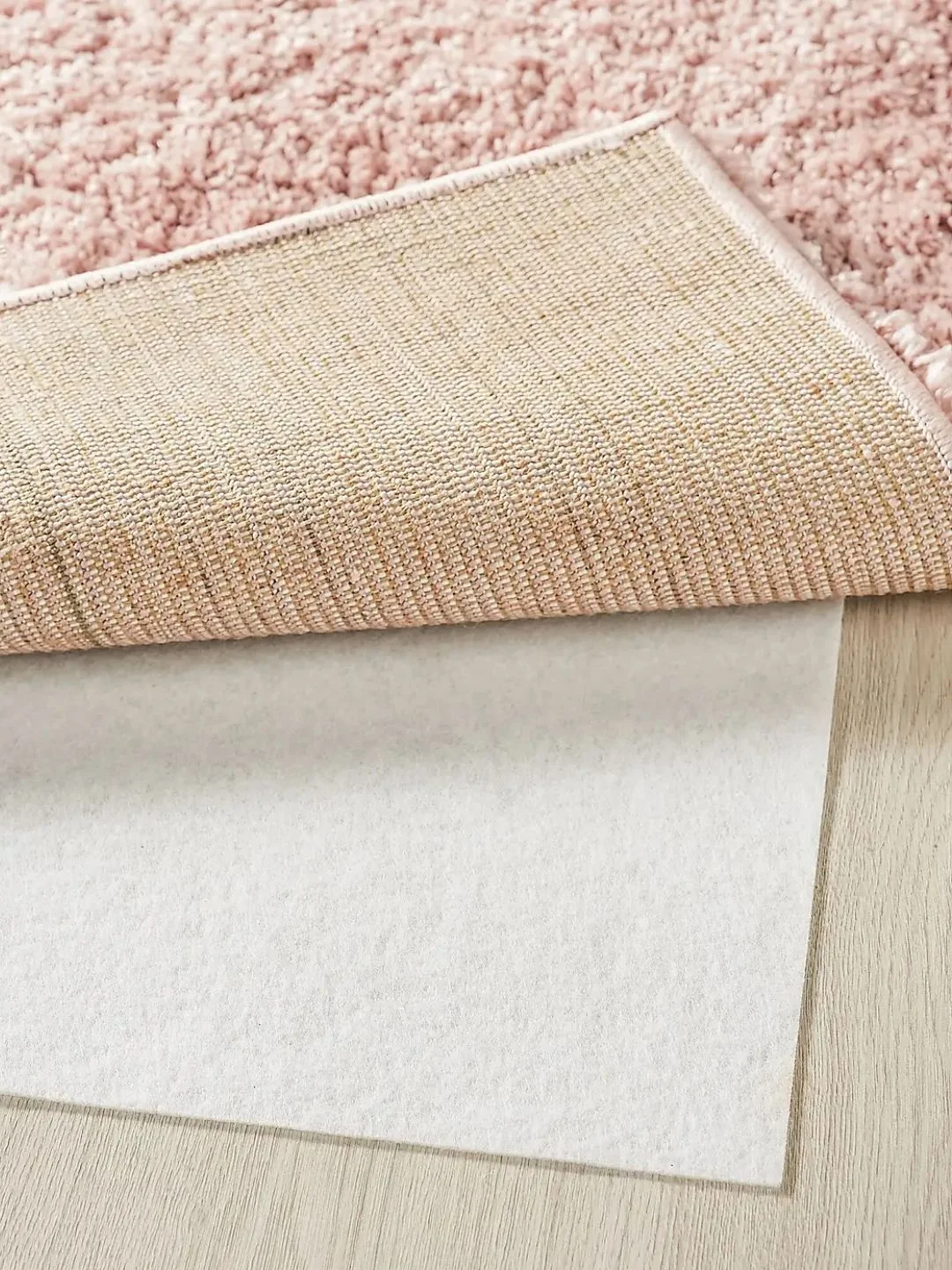
Choose material for cushioning or grip
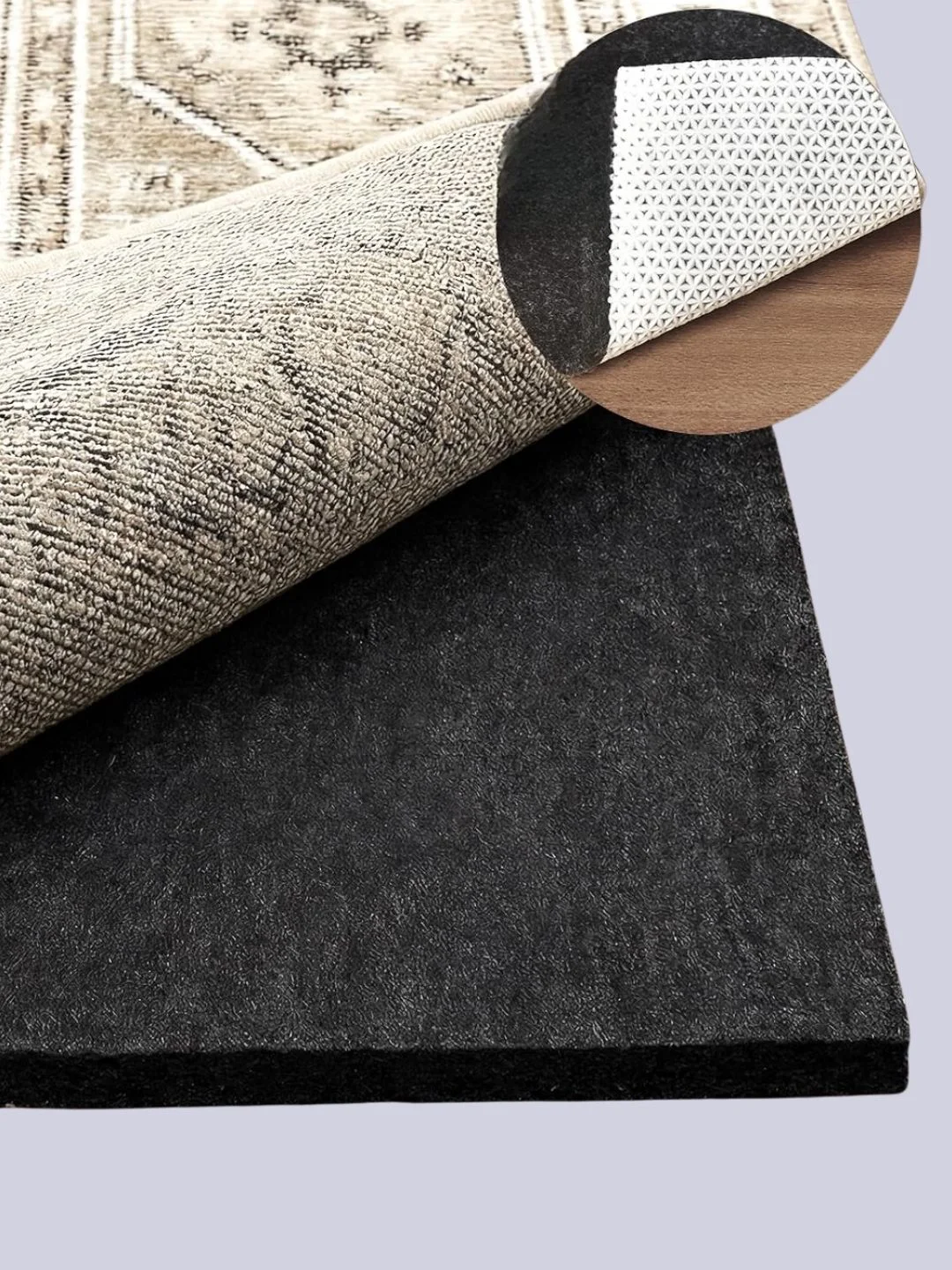
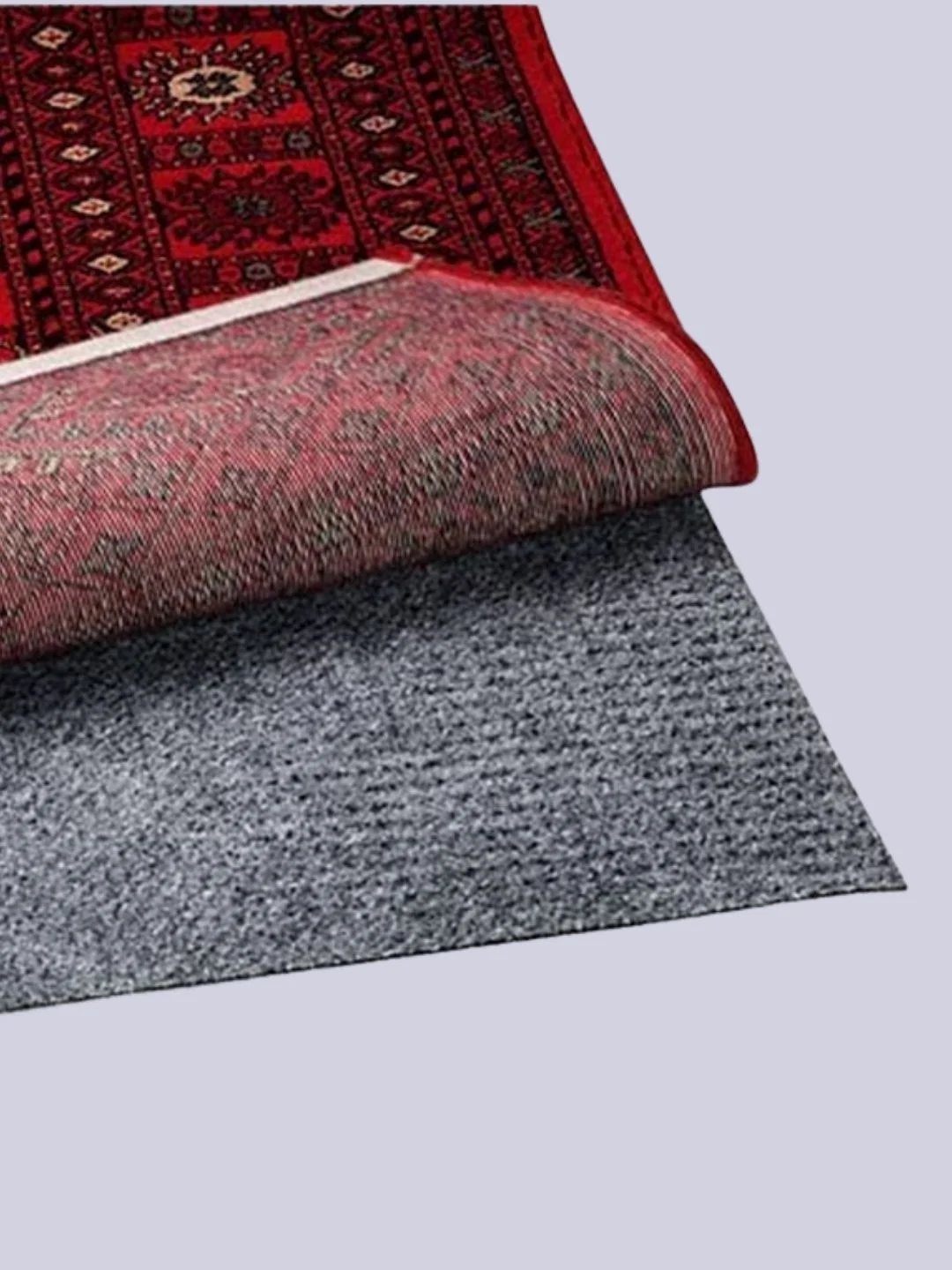
Material affects both the pad’s feel and how the rug sits. Felt is a useful choice when cushioning matters: Mosley says it offers underfoot comfort and enough grip to help limit slipping and bunching. Its thicker profile tends to suit rugs with more pile. For a low-profile rug, that same thickness may be a poor fit, so the material choice and the height of the pad need to be considered together.
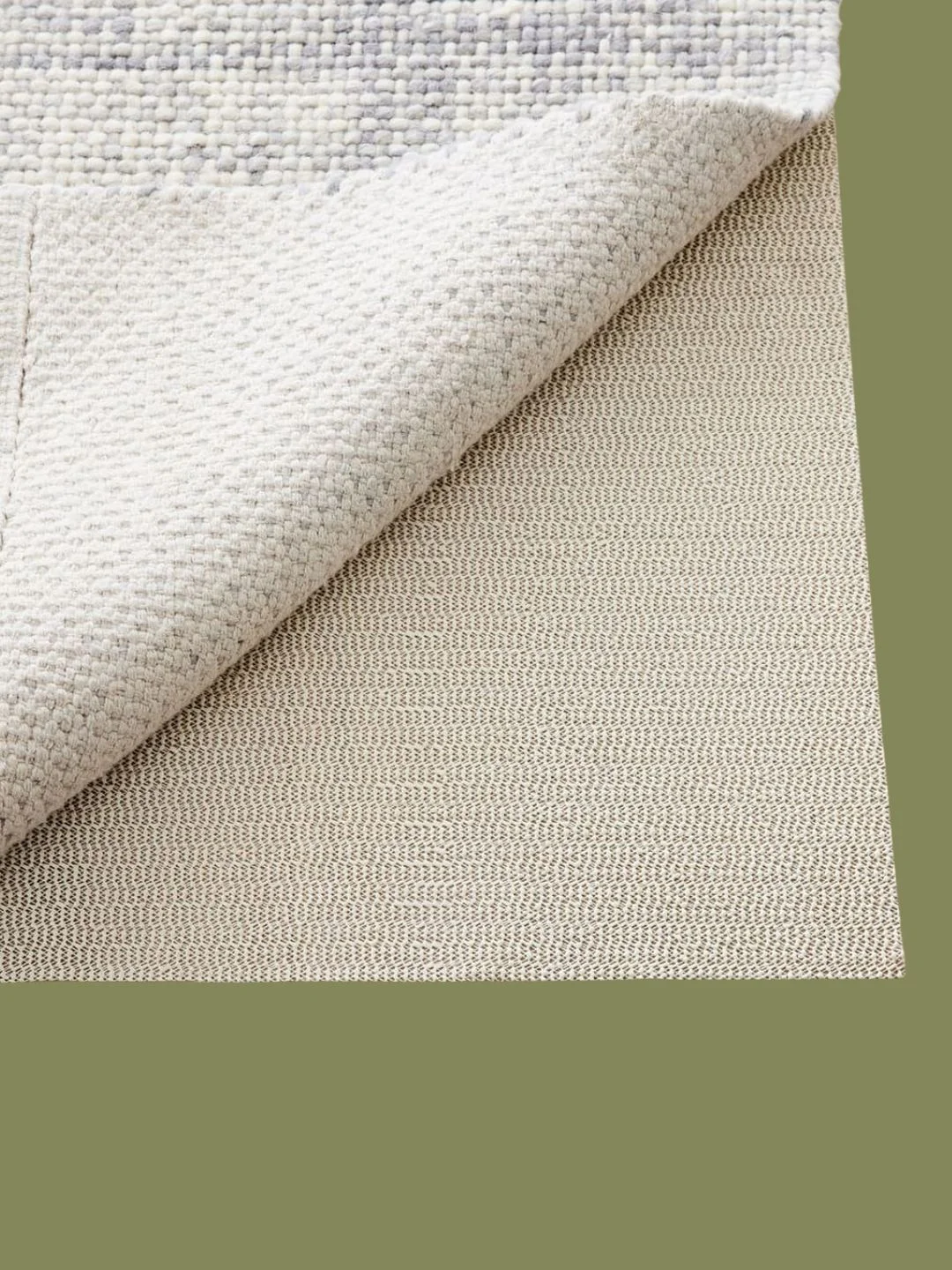
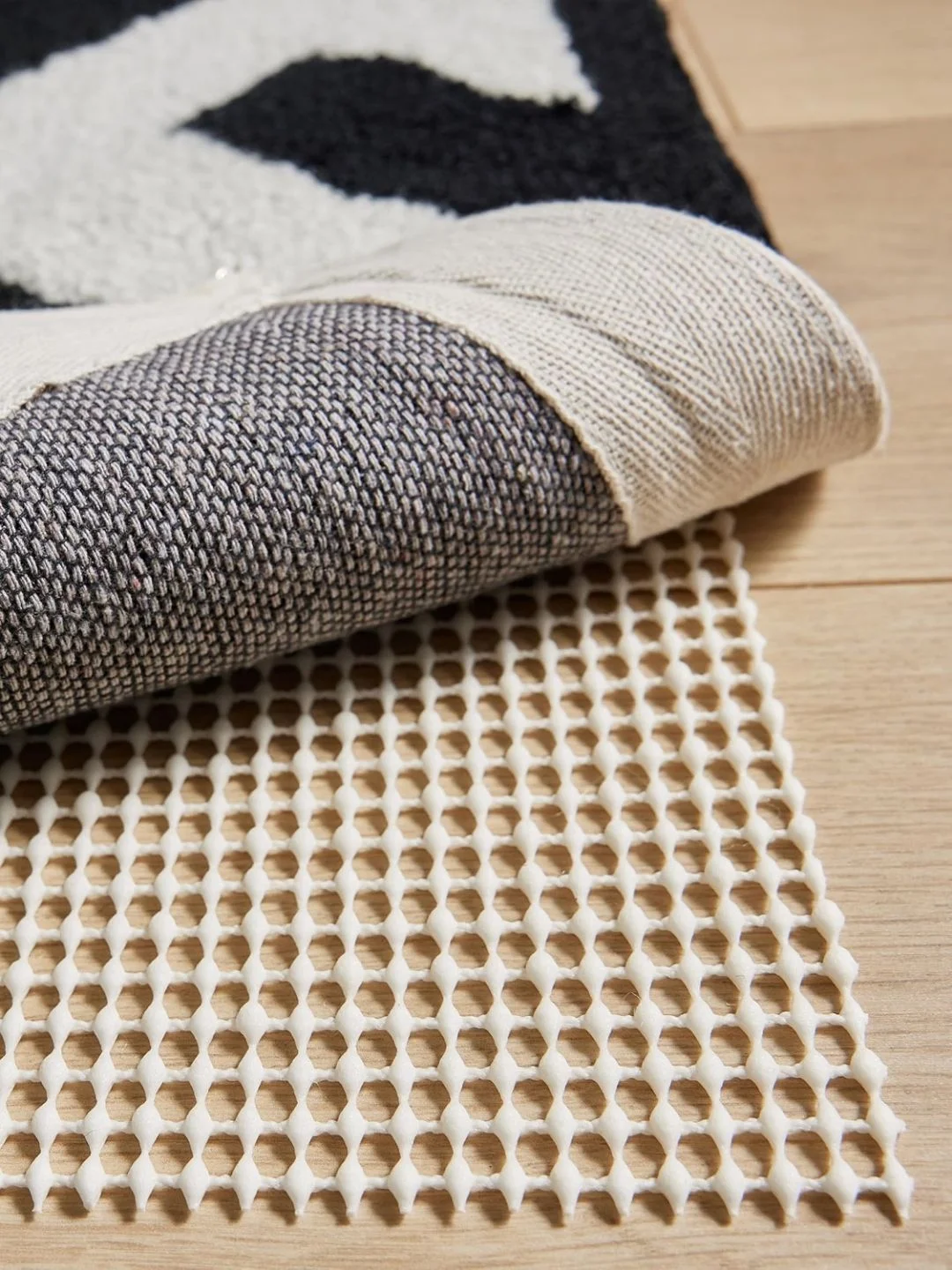
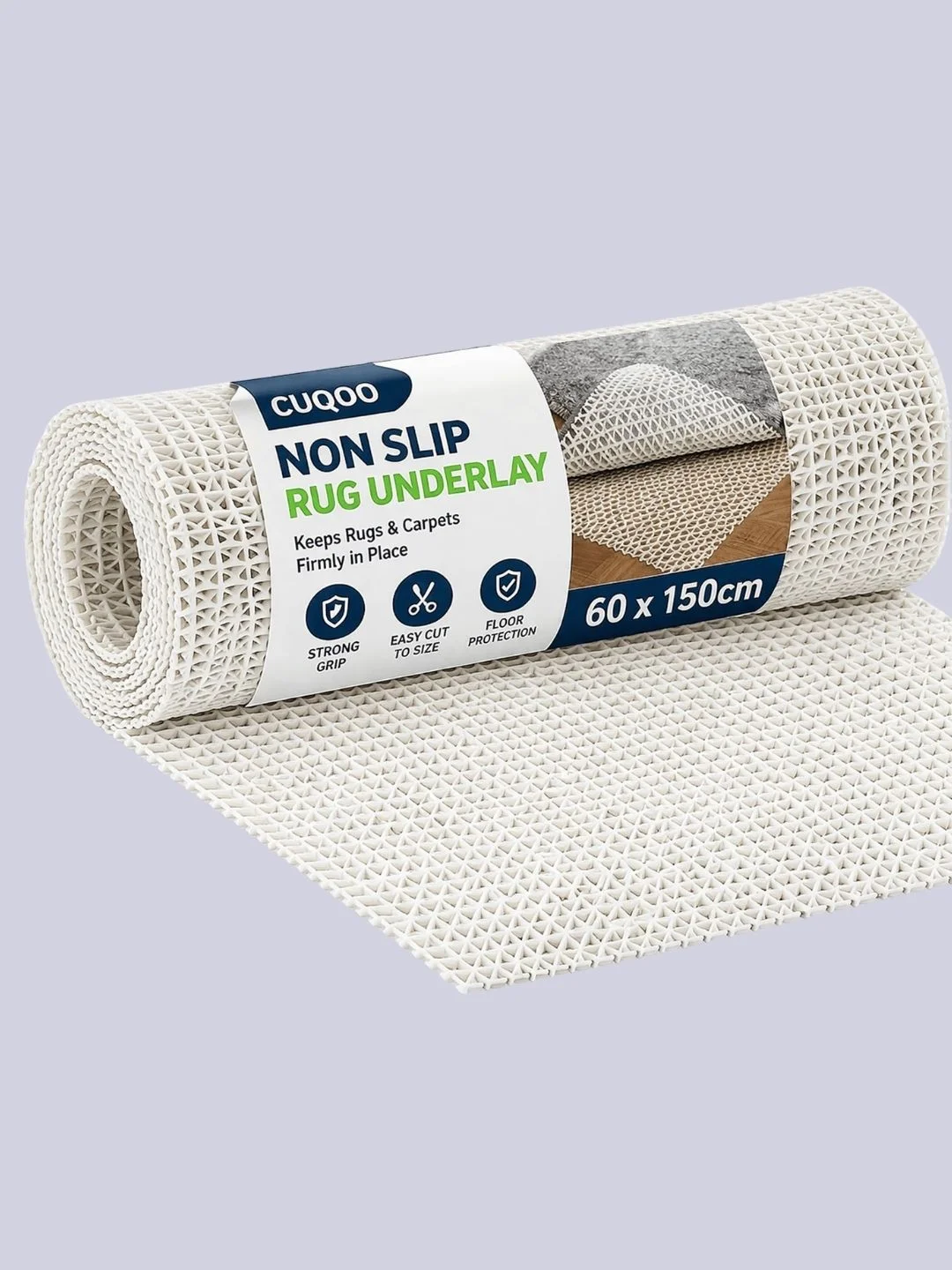
Waffle grip pads take a simpler approach. They’re designed mainly to hold a rug in place, and can work beneath many rug types where extra cushioning isn’t the priority. The numbers here are underwhelming: a pad’s material label alone doesn’t tell you how it will feel in a particular room. Think about the rug’s own thickness and the room’s use before deciding which function matters most. If you're working in this space, it helps to treat grip and comfort as separate questions, then choose the pad that answers the more pressing one.

Size it to stay out of sight
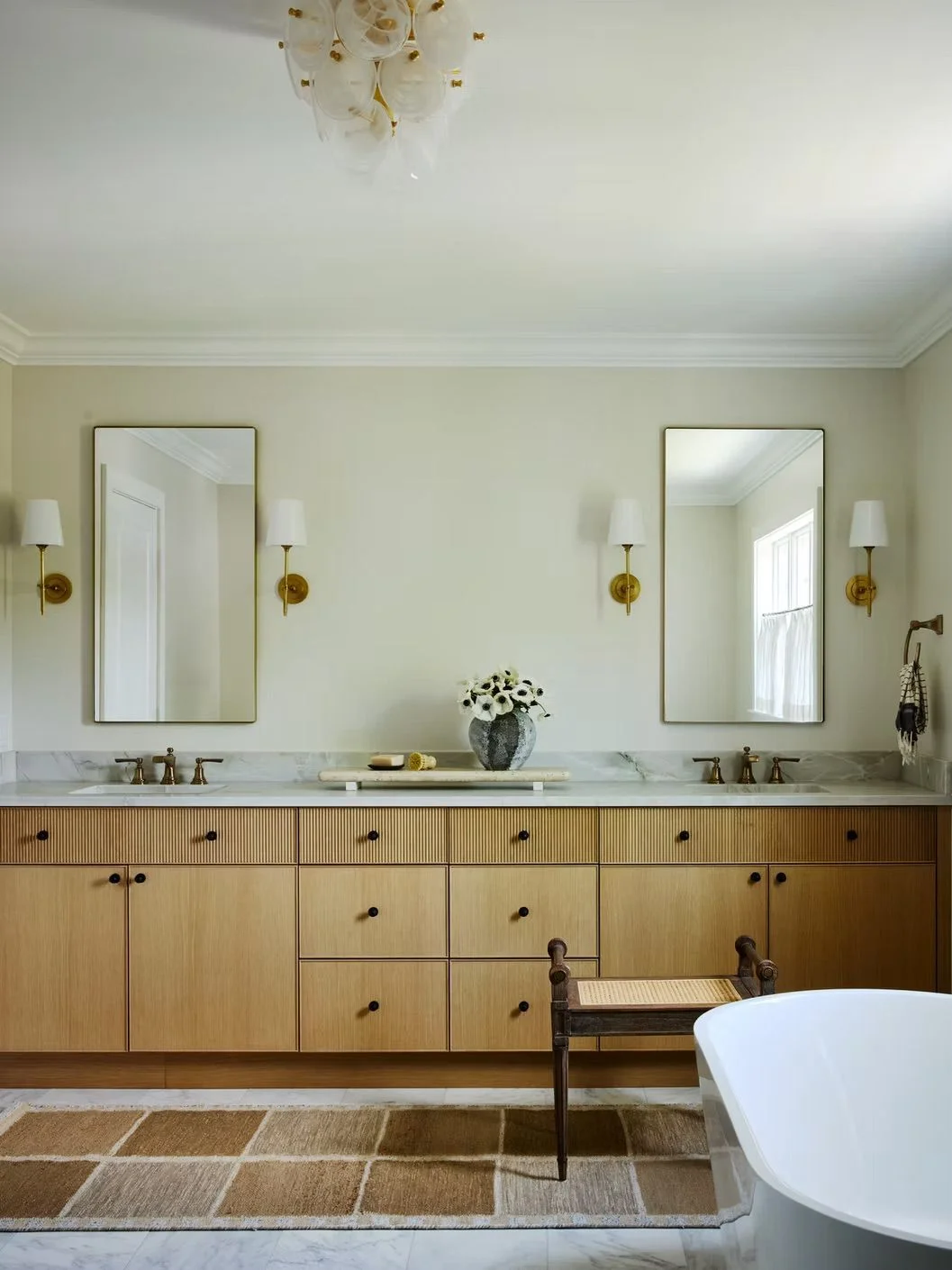
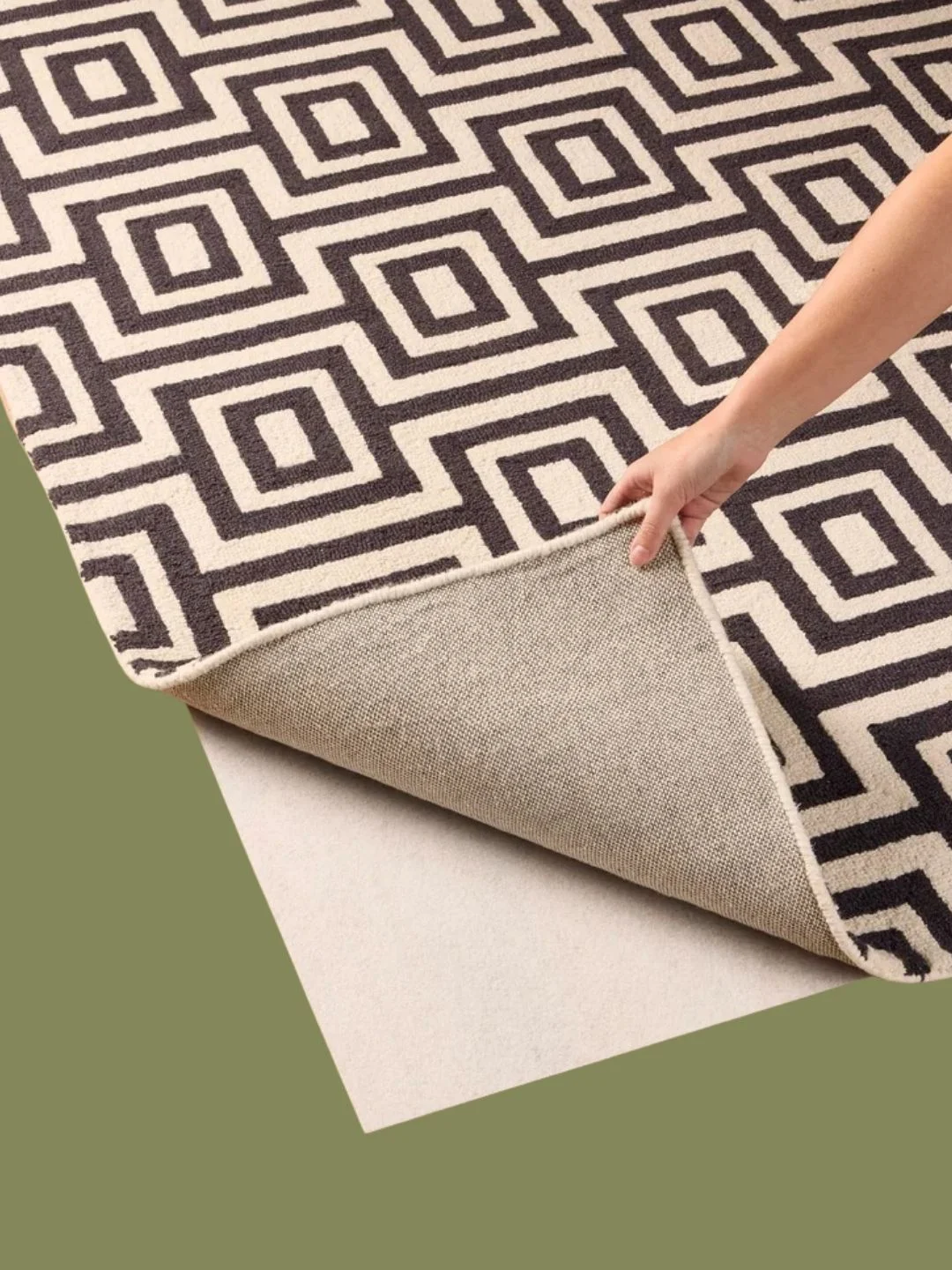
A pad that protrudes beyond the rug distracts from the finished look, and its shape should match the rug. Mosley recommends choosing a pad slightly smaller than the rug or one that can be trimmed, leaving a narrow border. Lay the rug over it and smooth the surface so the pad stays concealed. That small margin also gives the rug a clearer edge and avoids a visible strip of underlay around the perimeter.
What the right pad changes
Choosing a rug pad is a small decision with an outsized effect on how a room works. A rug that shifts or bunches can interrupt the visual order of a space and demand repeated adjustment; a suitable underlay helps it stay put and keeps its edges flatter. This is more significant than it looks, because the pad is doing its job best when you barely notice it.
And yet, there’s no universal pick. A plush option can make a bedroom rug more comfortable, while a thinner grip pad may better suit a flatweave or dining area. If you're comparing options, start with the rug’s pile and the room’s daily use, then check the dimensions and thickness against the floor and furniture. Here's the thing: a pad that fits the situation will matter more than one chosen for a single appealing feature.
For a simpler setup, a rug with built-in grip, such as Ruggable's all-in-one technology, combines the rug and pad. Otherwise, match thickness to the weave, choose felt for more cushioning or a grip pad for stability, and leave a small margin so the underlay disappears beneath the rug. A clean fit. That’s the practical standard to aim for.
For more inspiration and design tips, subscribe to the Livingetc newsletter.
Discussion
Sign in to join the discussion.