Extreme heat can harm exterior woodwork, but effective repair techniques can restore its condition. Here's how to tackle the damage before winter.
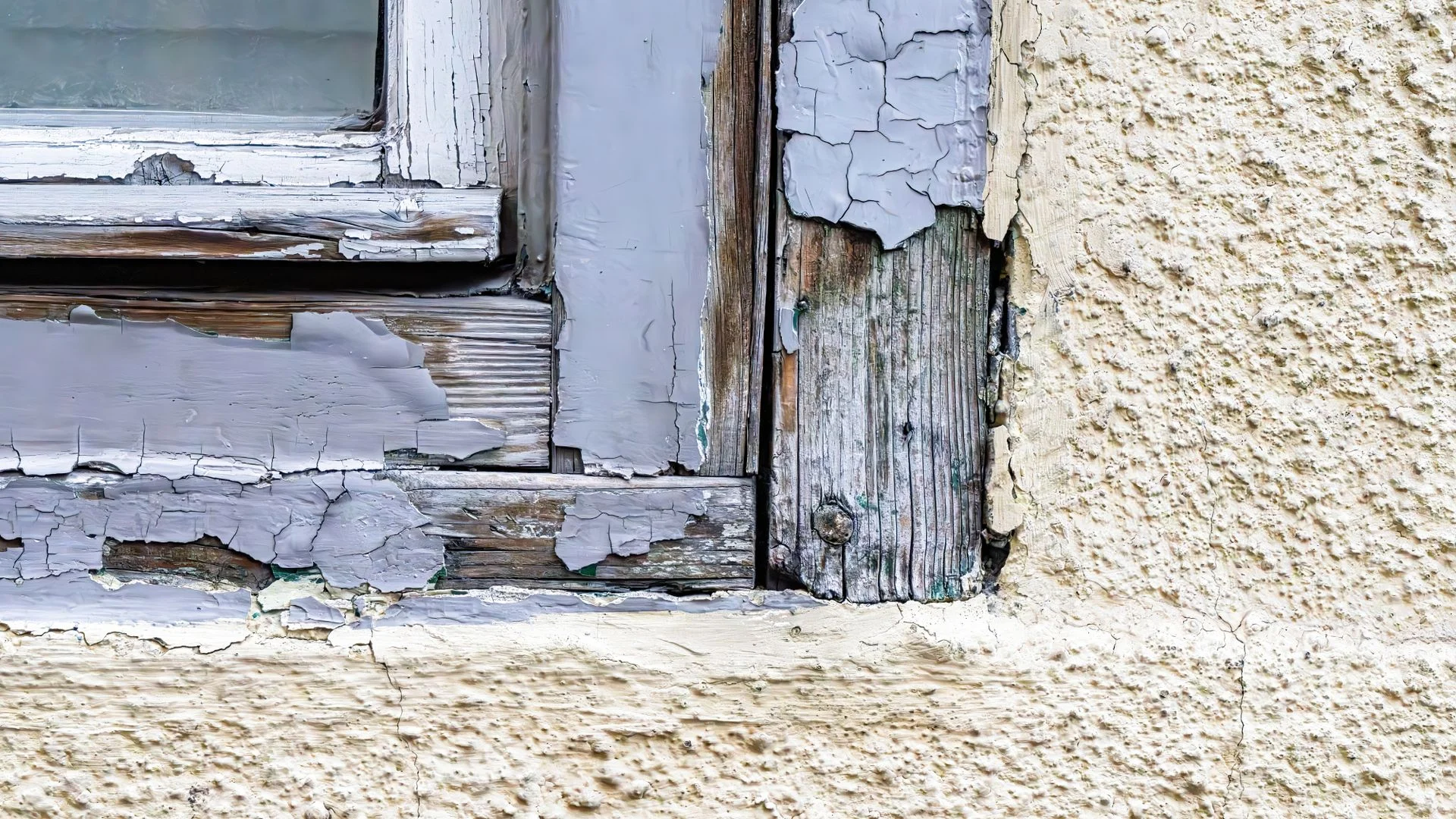
As summer heat waves grow more common, the implications for our homes become increasingly apparent. While warmer weather allows for outdoor activities, it can also lead to significant damage, particularly to exterior woodwork. This has become a pressing issue for homeowners like myself, where window frames, doors, and other wooden features show signs of wear such as peeling paint and cracks.
Understanding the Effects of Heat on Exterior Woodwork
It’s evident that prolonged periods of intense heat can wreak havoc on timber. According to James Allsop, managing director of JLA Joinery, hot weather results in the loss of moisture in wood, leading to contraction and opening up joints. This phenomenon can create small cracks and cause protective coatings to fail. Interestingly, darker paints magnify this damage as they absorb more sunlight and heat, making timber more susceptible to degradation.
Joe Buckley from Heritage Joinery Solutions underscores the importance of protective coatings. Untreated timber faces a harsher fate, losing moisture quickly and becoming prone to splitting. Exposed joinery suffers significantly in direct sunlight compared to shaded areas. The conclusion here is clear: maintaining a painted surface is crucial in mitigating heat damage.
Repairing vs. Replacing Heat-Damaged Woodwork
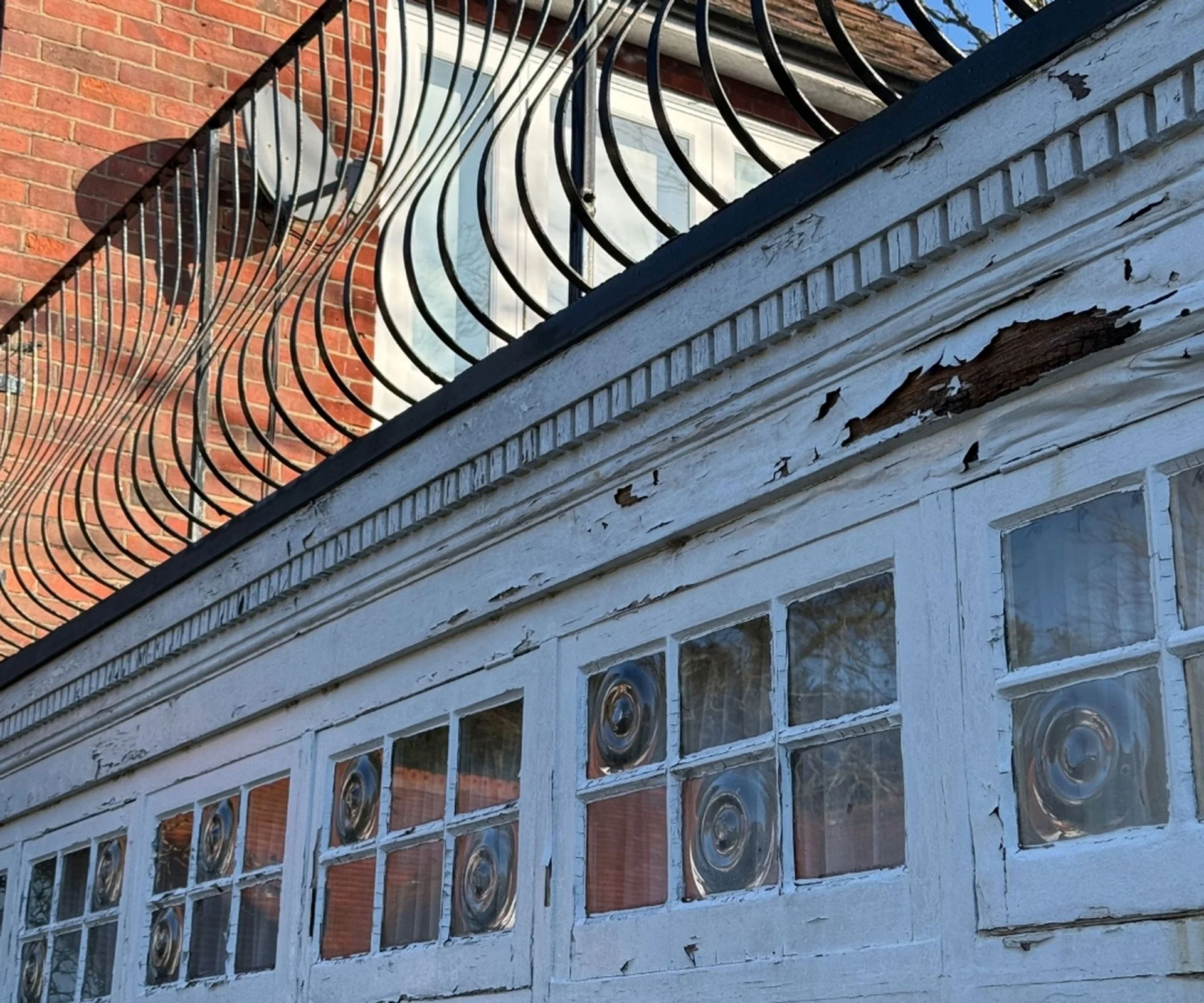
Faced with unsightly and damaged woodwork, the question of whether to repair or replace becomes urgent. Fortunately, extensive repairs are often possible. James reassures that a quality timber window or door can frequently be restored even if it appears seriously weathered at first glance. The key lies in assessing whether damage is superficial or if moisture has penetrated to cause rot.
When decay is present, it's not always about replacing entire frames. As Buckley points out, small issues like peeling paint or stuck sash windows don’t always indicate a total failure. In fact, addressing minor damages through localized repairs can significantly extend the life of your woodwork.
For warped or slightly distorted timber, adjustments can often be made. The practice of replacing only the damaged sections rather than whole frames is a skillful approach used by experienced joiners.
Effective Repair Techniques for Heat-Damaged Wood
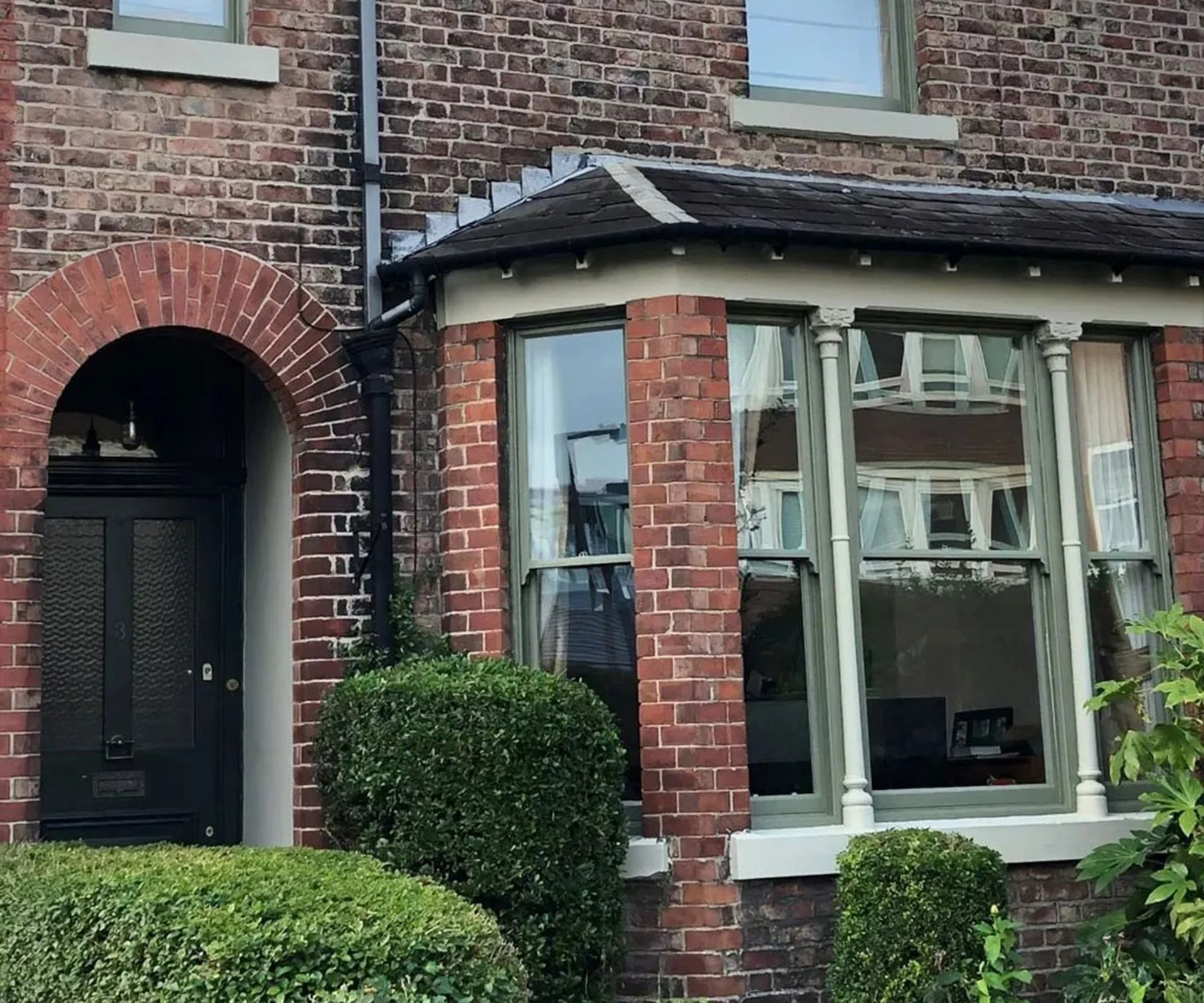
The good news is that many forms of heat damage can be effectively repaired. Buckley emphasizes the importance of thorough preparation, which includes removing any loose paint or coatings before attempting repairs. Simply painting over damaged timber can trap moisture and lead to further deterioration, which creates more issues down the line.
A comprehensive approach involves assessing the structural integrity of the timber first. If the wood is still sound, it can undergo a series of steps: removing failing coatings, allowing the wood to dry out, repairing cracks or joints, and finally applying a suitable exterior finish that can withstand the upcoming seasons.
Preparing Exterior Woodwork for Winter
Preparation for winter should follow any summer repairs. Allsop advises inspecting all external wooden elements, including doors, frames, and window sills. Pay close attention to troubled areas like joints and lower edges where issues often manifest. Ensuring all surfaces are clean and free from organic material is vital, as dirt and debris can retain moisture against timber, intensifying the risk of damage.
Beyond surface checks, the conditions around your woodwork deserve scrutiny. Blocked gutters or downpipes can lead to excessive water exposure, which invites decay. Keeping drainage channels clear and ensuring that any soil, moss, or debris is not pressed against the wood is fundamental.
Both experts stress the timing of maintenance activities; aiming for autumn repairs usually yields better results than waiting for the depths of winter. Moisture is the enemy of timber, and addressing potential issues early can save you from costlier repairs later.
It’s also crucial to maintain clear drainage systems and check for any remaining protective coatings especially on exposed end grains, as this is often where moisture ingress occurs most swiftly. Lastly, oiling woodwork in the dead of winter is a significant misstep — maintenance should be reserved for more suitable conditions.
Enhancing Your Home’s Kerb Appeal
Now is a strategic time to evaluate and enhance your home’s exterior. With winter around the corner, checking the condition of driveways, brickwork, and outdoor lighting is another way to ensure your home remains inviting and structurally sound through the season's challenges. A focused approach to maintaining both woodwork and surrounding exterior conditions can significantly contribute to the home’s longevity and visual appeal.



Discussion
Sign in to join the discussion.