Flint's cellulose-based battery has entered production in Singapore for manufacturers, but its lithium-free performance claims still lack published data.
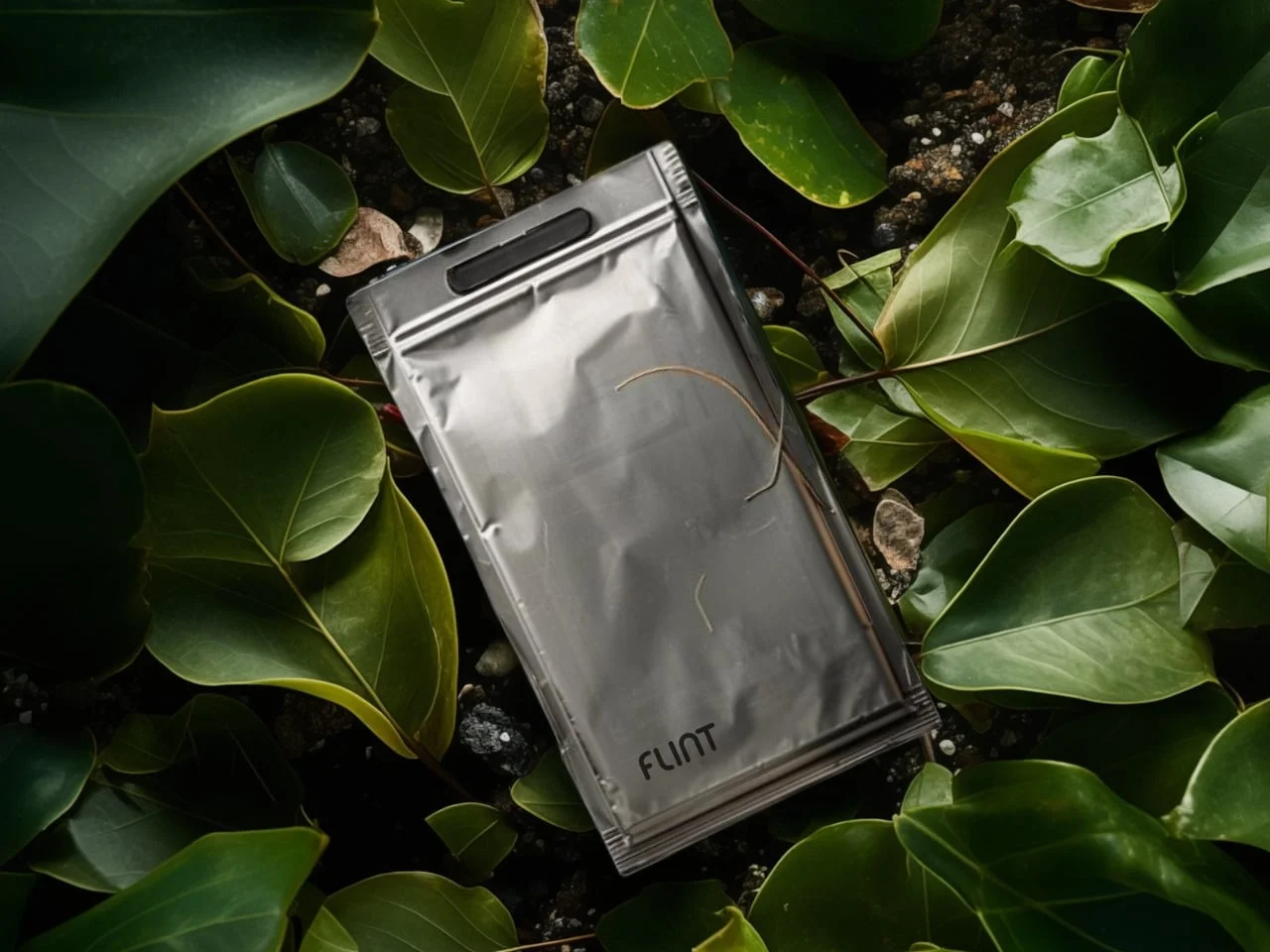
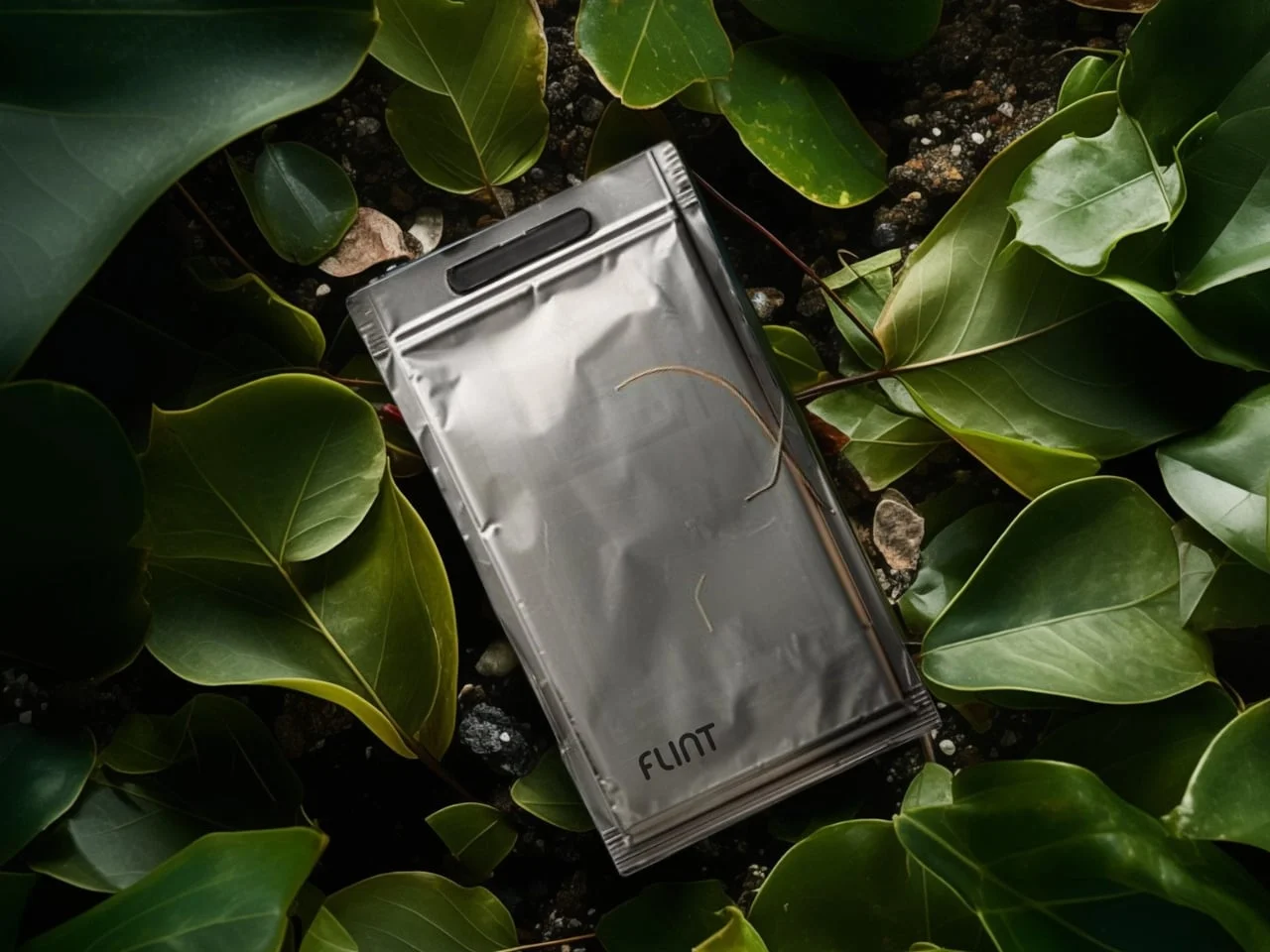
The most interesting thing about Flint Labs isn't the lithium it avoids. It's the decision to build a rechargeable cell around cellulose, the plant fiber in paper. The Singapore-based company has moved that design into production, and that matters more than another promising lab sample. Lab results are cheap to produce and easy to headline, but they rarely tell you whether a chemistry can survive a factory floor. Plenty of battery ideas have looked good on a bench and then stalled when someone asked for volume, consistency, and a price that works. That's why I'd rather write about a cell that's being made than one that's being described.
On January 2, 2026, Flint said its technology had entered production in Singapore, supplying cells for customer pilots and early commercial integrations. You can't buy one at a shop yet. The company is focused on businesses and manufacturers, not consumers. That's a sensible choice for a company at this stage, since pilots let you find failure modes before a product carries your name into a store. If you're a buyer, the practical upshot is simple: this is a supplier story for now, not a retail one.
What's actually inside
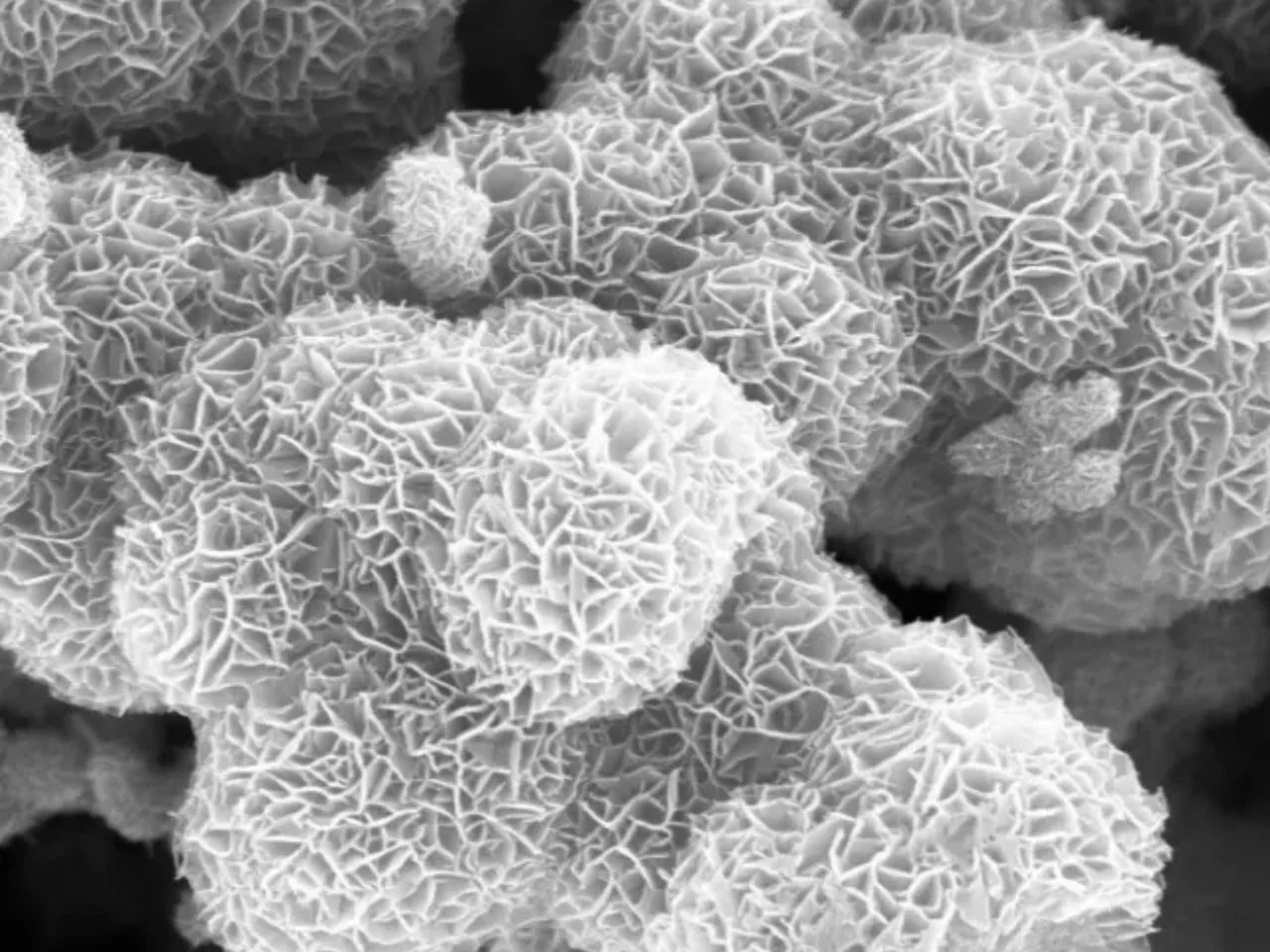
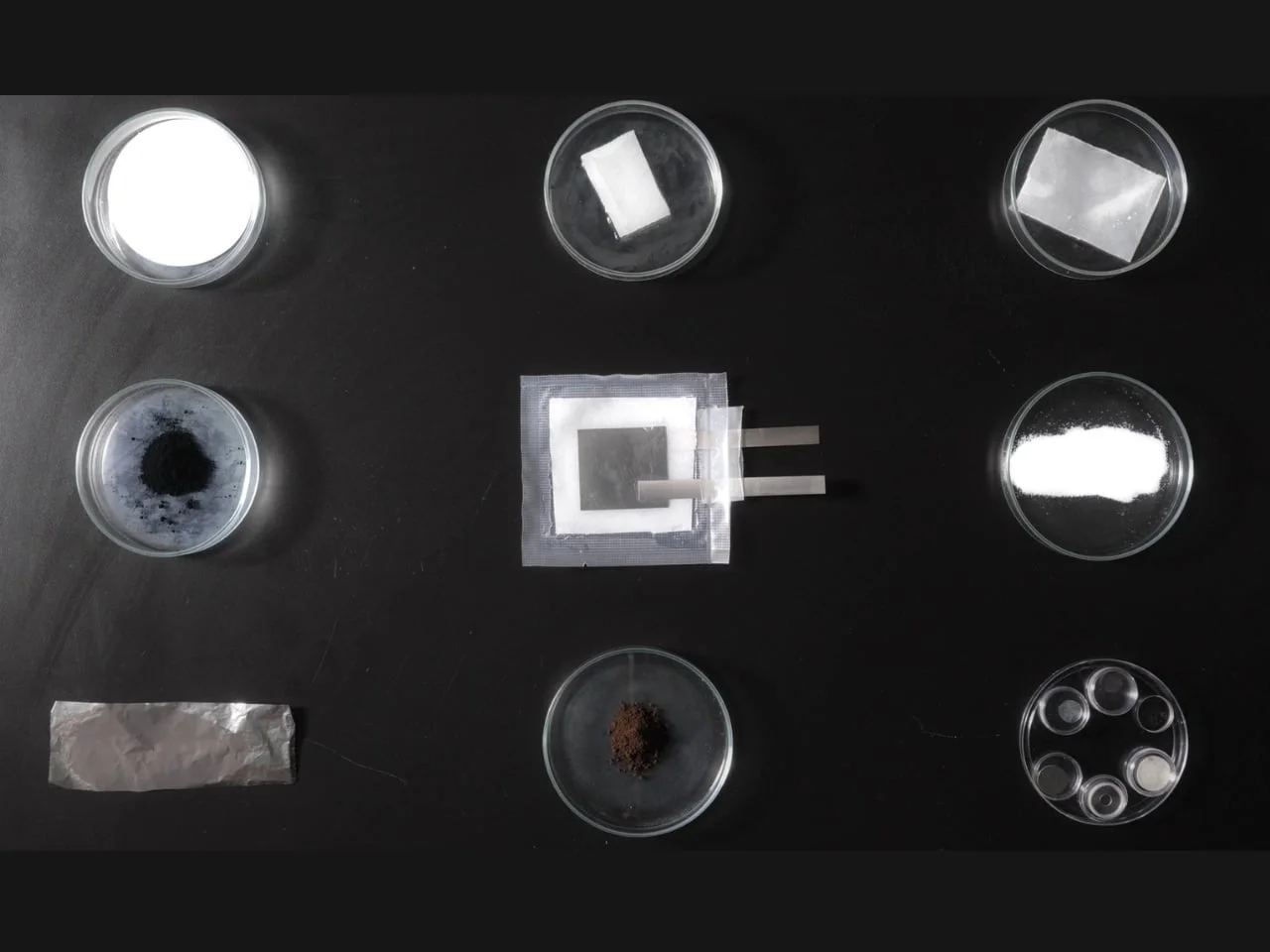
Paper doesn't store energy on its own. Flint pairs its cellulose-based architecture with zinc, manganese, and a water-based electrolyte. Underneath, the cell still follows the familiar layout of an anode, a cathode, and a separator. Flint says cellulose aids ion transfer and gives the design structural flexibility. That's the part I find most useful: the material has a real job rather than serving as a sustainability talking point. Sustainability marketing tends to attach eco-friendly materials to products that would work just as well without them, so a component doing measurable work is a different thing. Zinc and manganese chemistries also have a long history in disposable cells, which makes a rechargeable version a harder engineering problem. The cellulose, and this is the part most people overlook, is what Flint is betting can make that problem tractable. Whether it does will depend on how well that bet holds up at scale.
Shapes beyond the cylinder
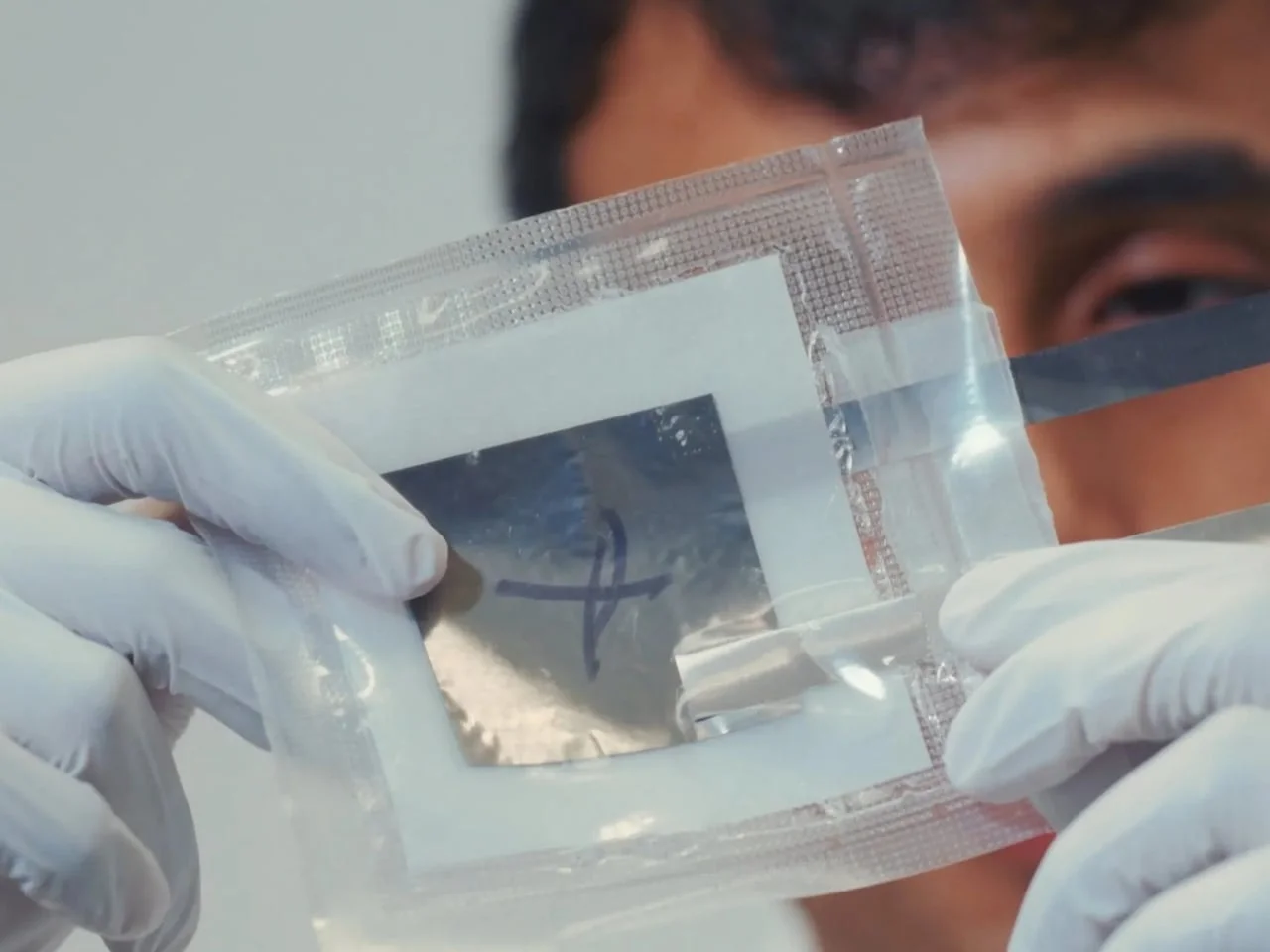
That flexibility opens up design options beyond rigid cylinders and blocks. Flint says the chemistry can take different forms, and IEEE Spectrum's reporter handled a thin, bendable version at CES. The technology can also be built into standard AA and AAA formats. Rather than chasing ever-thinner devices, a battery that adapts to the object strikes me as the more useful idea. Here's what I mean: most gadgets are designed around the battery they're given, which is why the battery so often dictates the shape. Flexible or unusually shaped cells flip that logic. Keeping AA and AAA sizes matters too, since drop-in compatibility is what lets a new chemistry reach people without asking them to change anything.
Safety claims and what they prove
Flint describes its water-based cells as non-flammable and resistant to damage. Its website shows demonstrations in which a cell gets cut and exposed to flame. Those demos make the chemistry easy to grasp, but they don't show how a finished product will behave in every situation. For a specific product, I'd want documented testing before drawing conclusions. Demonstrations are persuasive by design, and a cut-and-flame clip is closer to a stunt than a certification. Real battery safety usually depends on how cells are packaged, how they're charged, and what happens when a device is dropped, crushed, or left in a hot car. Water-based electrolytes do remove one common hazard, the flammable organic solvents found in many lithium-ion cells, but that doesn't make every failure mode disappear. Treat "non-flammable" as the company's reported design goal until independent testing backs it up.
Where it's showing up first
Flint has been piloting the technology with Logitech, including AAA batteries, according to IEEE Spectrum. Mice and keyboards aren't glamorous, but they're a sensible proving ground for a new chemistry. I'd rather see a cell earn its place in an ordinary peripheral than headline an ambitious concept that never ships. Peripherals are low-stakes: they draw modest power, they get replaced often, and users rarely expect perfection. That makes them a useful place to collect field data on charge behavior and real-world wear. Compare that with a laptop or an electric vehicle, where a single failure carries far higher stakes. If you're evaluating a new chemistry for your own product line, starting with a low-drain device is the cautious move, and it's the one I'd expect a careful team to make.
The composting question
Flint says its metals can be recovered and the remaining material composted. The process involves removing the vacuum-sealed casing before degradation begins. That's not permission to bury an intact cell in the backyard. I'd want explicit disposal instructions and a practical recovery route before treating compostability as an everyday convenience. The distinction matters: a cell that can be composted under the right conditions isn't the same as one that breaks down in your garden bin. Recovery is the more realistic path, and it depends on collection infrastructure that most households don't have access to. Battery recycling is already confusing for people, so adding another category without clear labeling invites mistakes. A well-designed end-of-life story still depends on whoever collects the spent cell following through.
Performance claims still need data
Flint's founder has claimed up to 1,000 charge cycles. IEEE Spectrum reported, however, that the company hasn't published a white paper detailing its proprietary design. Until that data is public, treat the figure as a claim. I wouldn't promise that a future wearable or remote will last that long between charges. Cycle counts only mean something alongside conditions: depth of discharge, temperature, charge rate, and the capacity threshold used to define end of life. A battery rated for many cycles at shallow discharge can look much weaker under heavy use. Reviewers should ask for those parameters before repeating any headline number. And since the design details are proprietary, outsiders can't yet check the math on their own.
Built for existing factories
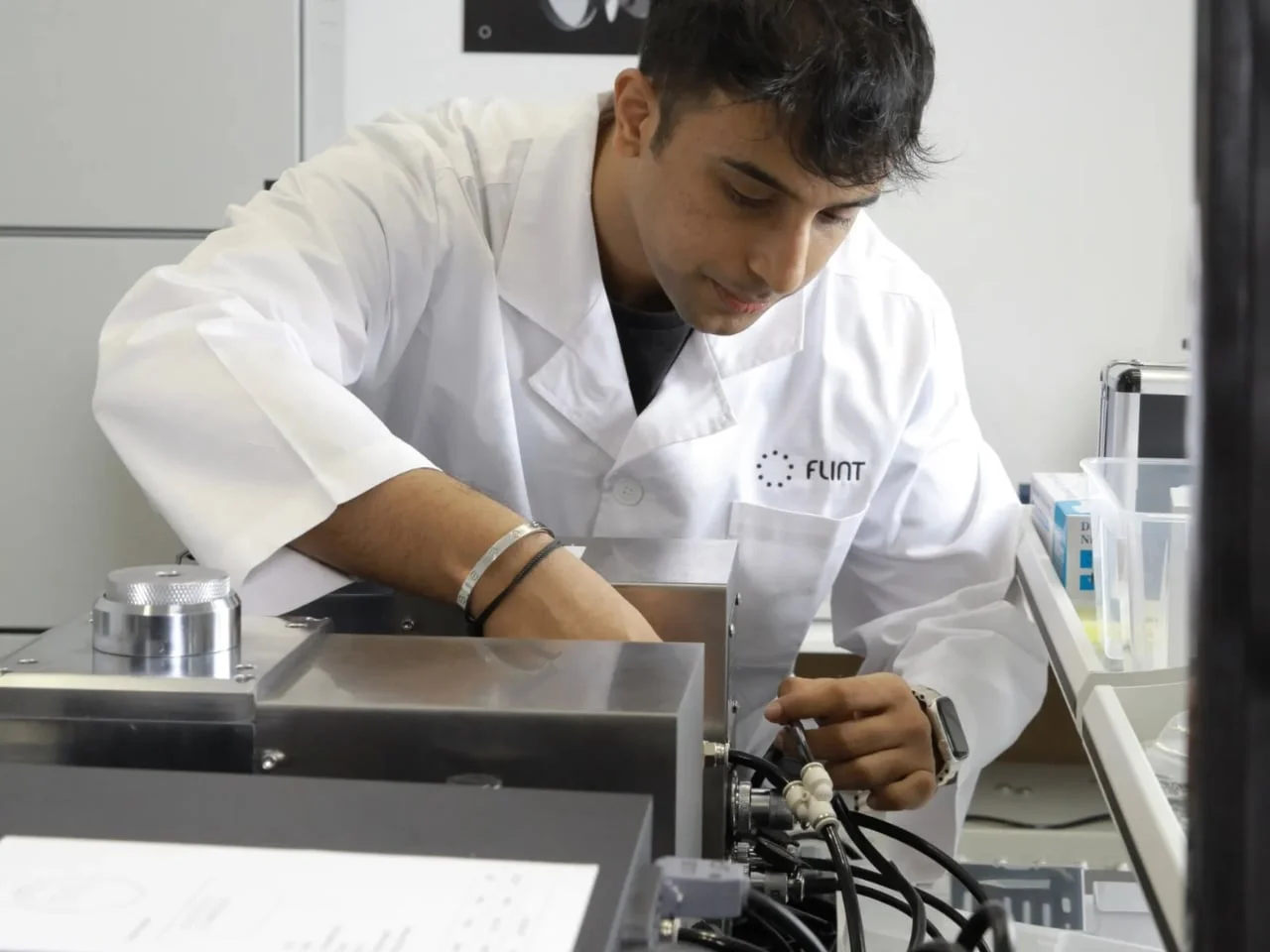
Flint says it deliberately designed the battery to align with existing lithium-ion production processes, and its Singapore facility uses water-based manufacturing methods. Compatibility with familiar equipment lowers the barrier for manufacturers who want a different chemistry without rebuilding their lines. A better material has limited value if making it is prohibitively complicated. Water-based processing can be less solvent-intensive in principle, though whether that holds at volume is a separate question. Manufacturing familiarity is a quiet advantage that rarely makes headlines. Yet it's often what decides whether a promising chemistry reaches shelves at all.
What this could mean for the industry
If Flint's approach holds up, the most likely near-term effect is on niche devices where disposable cells are common and rechargeability is a convenience rather than a necessity. That's a narrower market than "replace lithium-ion," and I think it's the honest framing. Lithium-based cells still win on energy density, which is why phones and laptops still rely on them. That said, a non-lithium rechargeable doesn't need to beat lithium everywhere to matter. It needs to be good enough in a few categories where lithium is overkill and environmental credentials count toward the purchase. Watch for independent testing, and watch whether pilots turn into repeat orders, because that's where early hype usually gets sorted out.
Here's the thing: the ideal outcome is almost boring. A gadget works as expected, its battery was chosen with more care, and there's a clear route when it wears out. Flint has earned attention with that vision. The next real test comes when ordinary products, and the people who use them, do the proving.


Discussion
Sign in to join the discussion.