Plug-in solar panels offer an accessible energy solution, but several crucial factors—like installation rules and electrical safety—demand careful consideration.

While many are intrigued by plug-in solar panels as a potential energy solution, it's essential to navigate through the complexities of their installation and usage before diving in. They seem straightforward, but that perception can be misleading. Here’s what savvy consumers should keep in mind to avoid pitfalls.
1. Planning Permission and Installation Rules
Though plug-in solar panels are legally sanctioned, their location can dictate whether you need planning permission. Recent updates to the Town and Country Planning Act stipulate that installing these panels on wooden structures, such as timber walls or balconies, requires adherence to stricter planning protocols. Jon Skinner, founder of energy firm Glow Homes, highlights the fire and structural risks associated with timber cladding, which can complicate approvals. "It's not just about mounting; the entire system has to be properly designed," he notes.
Moreover, if your installation borders a neighbor's property, be mindful of any potential disputes arising from overstepping boundaries or causing damage.

2. Plug-In Solar vs. Rooftop Solar Systems
It’s a common misconception that if you already have a rooftop solar system, adding plug-in panels will be a simple enhancement. However, Skinner advises against such assumptions. "Solar setups are not a mix-and-match affair," he explains. Existing installations engage with your home's electrical framework and the larger grid in unique ways that don’t easily accommodate add-ons.
Before purchasing these panels, it’s crucial to consult with your original solar installer or the local distribution network operator. Although plug-in versions are appealing, they’re primarily designed for homeowners who cannot deploy traditional systems, not as supplementary devices for existing setups.
3. Pay Attention to Panel Size
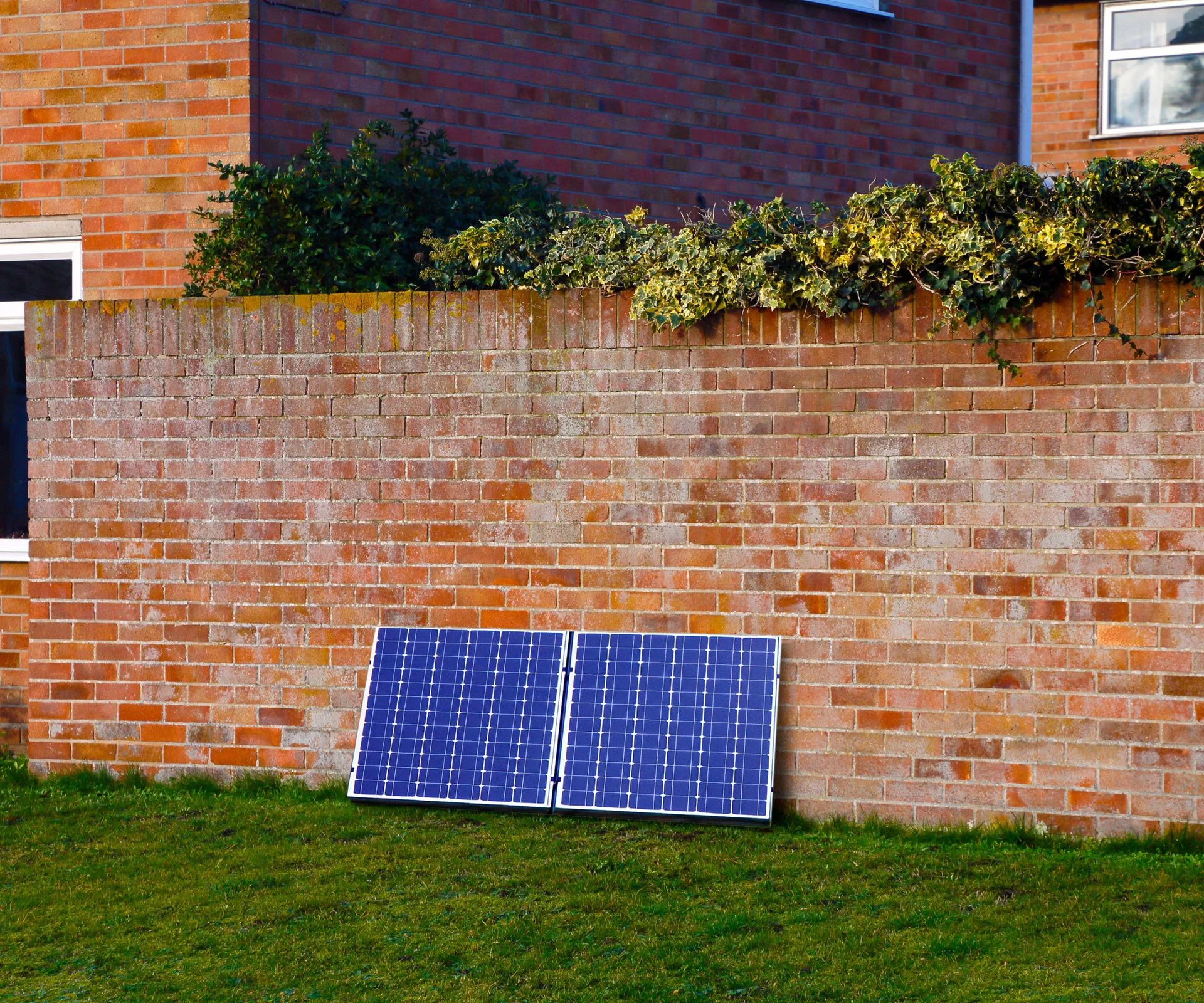
Another crucial factor is the size of the panels. Many potential buyers are surprised by how large plug-in solar models can be. The term "balcony solar" might falsely imply a smaller, more manageable product, which can set unrealistic expectations for consumers.
Skinner emphasizes the importance of proper measurements, noting that some models are comparable in size to traditional rooftop panels. "Verify the dimensions and make sure that the installation will not block any essential pathways," he suggests. A panel that monopolizes a small garden might not be the most practical choice.
4. Socket Requirements for Plug-In Systems
The integration of plug-in solar systems into household circuits necessitates understanding the type of electrical outlets being used. Each panel includes a micro-inverter to convert DC electricity to AC, suitable for home use. "That means the panels sync directly with your home’s electric supply," explains Phil Steele from Octopus Energy.
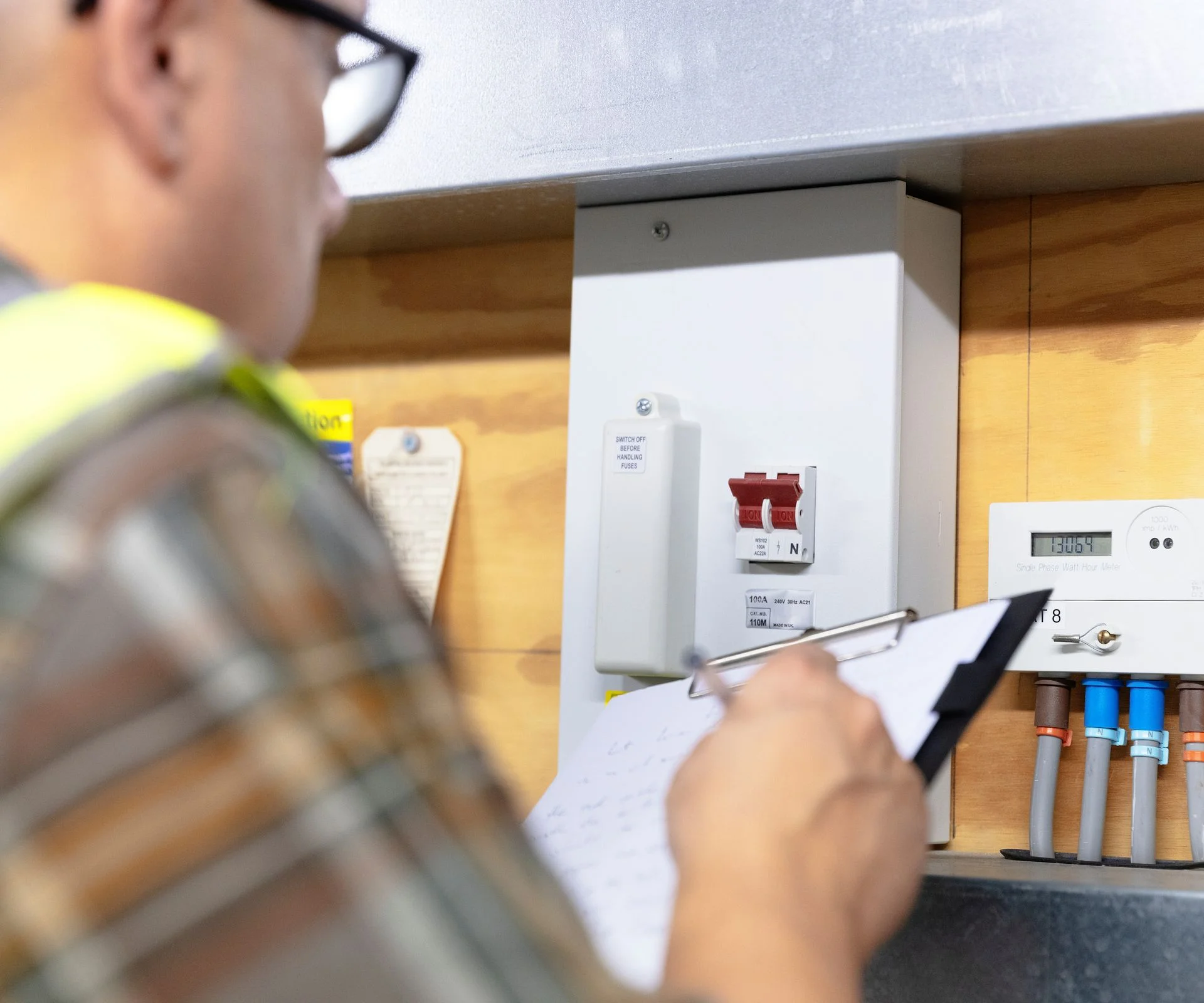
However, don’t overlook socket quality. Using a makeshift extension lead or multi-way adapter is discouraged. Instead, it's advised to connect directly to an appropriate socket using the manufacturer’s provided plugs. Consider hiring an electrician to ensure your existing sockets are safe and compliant — age or damage can pose risks.
5. Contextualize Their Usage
While plug-in solar panels can deliver energy savings, they should not be seen as a standalone solution. Skinner compares their function to an umbrella in a rainstorm: useful, yet not a replacement for comprehensive home energy solutions. "These panels are an excellent entry point into renewable energy, but they don't substitute for a complete energy systems design," he clarifies.
He stresses the importance of recognizing the limitations of plug-in systems. Though these devices are less technical to install, they don’t substitute for a broader energy strategy. Be wary of using uncertified products, especially those sold on international platforms. Look for UK compliance and proper certification to ensure a safe installation that minimizes future problems.


Discussion
Sign in to join the discussion.