The REACH Modular Sports GPS computer offers athletes a customizable experience by integrating essential modules for multiple sports, enhancing training versatility.
A Modular Approach to Sports Gear
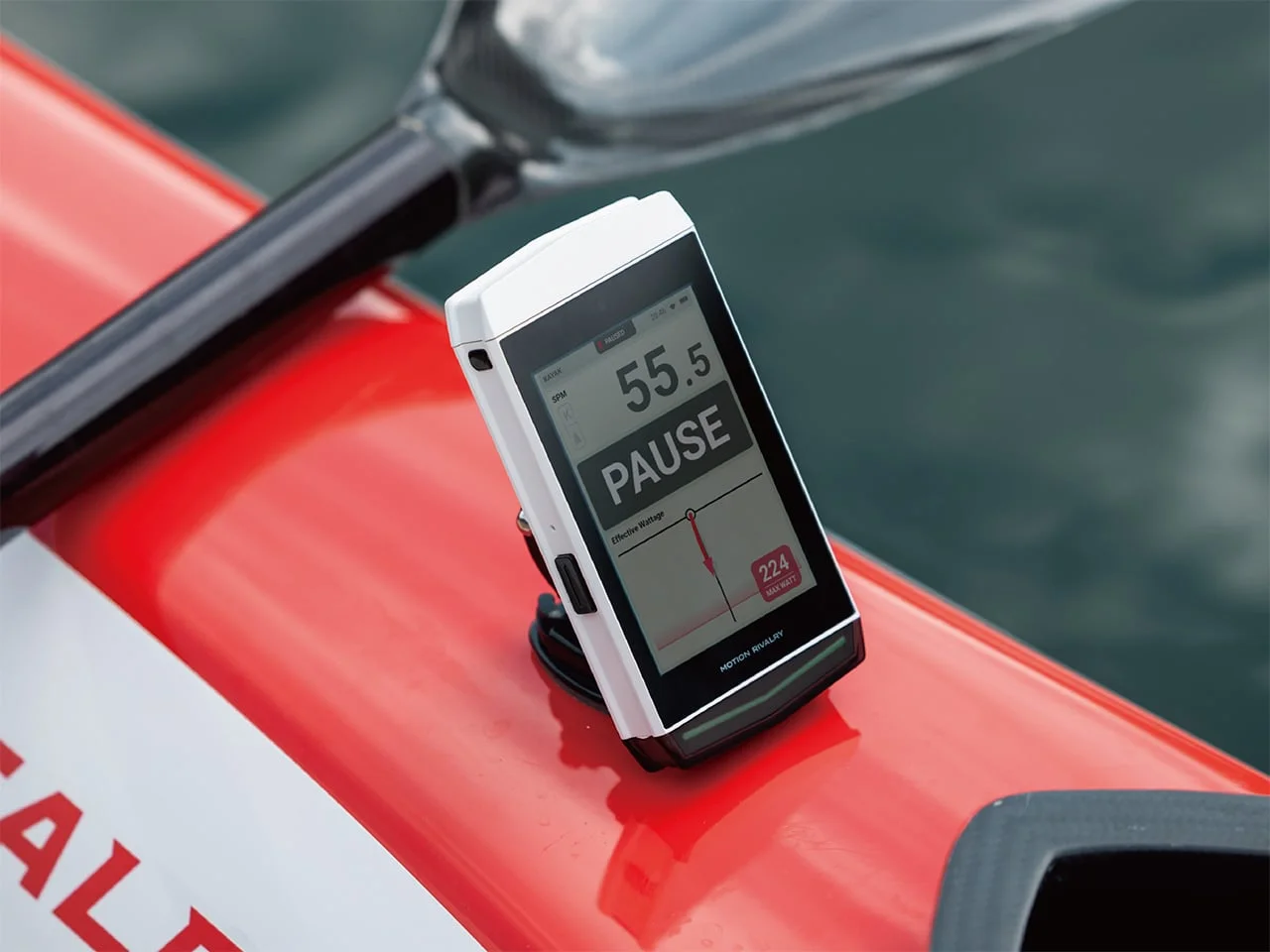
Athletes looking to streamline their sports gear can now turn to Motion Rivalry’s REACH, a modular GPS computer that integrates multiple functionalities into a single device. This product moves to eliminate the need for separate gadgets—like walkie-talkies, action cameras, and wind meters—allowing users to adjust their equipment based on the demands of their training sessions.
The REACH maintains a core unit with a top-mounted open-source connector that allows for quick module swaps. This smart design means that rather than investing in various devices for different sports, athletes can expand and adapt the REACH system according to their unique needs, making it an evolving base that can grow alongside their training. The integration of multiple functions into one gadget could save both space and weight in athletes' gear bags, a practical concern for those who often find themselves lugging multiple devices to training sessions.
Versatile Modules for Diverse Needs
At the outset, this product offers four different modules tailored for diverse athletic needs. The Walkie-Talkie module is designed to facilitate communication during activities such as river sports, covering a line-of-sight range of about 0.6 to 1.2 miles (1 to 2 kilometers) with multiple channels available. This feature can be particularly useful in scenarios where traditional cellphone reception may be unreliable, ensuring that athletes can maintain a connection with their team or coaches during dynamic activities.
The Radar module is another piece of engineering that helps maintain situational awareness by detecting objects within a 16 to 98 feet range across a wide 100-degree field of view. With hazards being a constant risk in adventure sports, especially on water or rugged terrain, its implementation could potentially enhance safety measures during high-stakes activities.
For documentation and environmental conditions, two additional modules stand out: the Camera module captures 1080p video at 60 frames per second, allowing athletes to record their performances for analysis or sharing. The Wind Meter module provides real-time readings of wind speed, humidity, and temperature—all critical metrics for aerial sports—and adds depth to the information athletes need for precise performance assessments. If you’re working in this space, you know that understanding environmental factors can shape training strategies and outcomes considerably.
Specialized Features for Specific Sports
The REACH is particularly effective for water sports like rowing, kayaking, and canoeing, where its advanced sensors shine. A 10Hz multi-constellation GNSS locks onto position rapidly, capturing velocity changes per stroke with remarkable accuracy. Complementarily, a 200Hz 9-axis IMU delivers detailed analyses of heading drift, translating this data into a Stroke Quality score that coaches can use to optimize performance. This could fundamentally change how rowing teams approach training, with data that goes beyond mere statistics to provide actionable insights.
Notably, the Legacy Mode maintains compatibility with existing benchmarking systems. This aspect is vital for teams that have long-standing practices and metrics; it eases the transition for athletes accustomed to specific hardware and minimizes disruptions in training methodologies. It's about progression without losing familiarity.
On the cycling side, the REACH accurately estimates cadence and power without the burden of additional sensors. It tracks both linear and angular acceleration from pedaling, intelligently filtering out road noise. This precision elevates the cycling experience, as determining physical demands with accuracy can enhance training efficiency. Plus, there's no need to worry about charging, pairing, or managing extra accessories—a considerable inconvenience often faced by cyclists today.
High-Performance Features for Aerial Sports
REACH also transitions fluidly into paragliding mode, where it offers a dedicated variometer for monitoring climb and sink rates. This is especially significant for paragliders who rely on real-time data for successful navigation and flight strategies. The inclusion of terrain maps that reflect real-time wind conditions adds another layer of utility. Beyond individual performance, a useful feature allows users to mark thermal locations during flights. This contributes to a community-sourced heat map, enhancing knowledge for future flights—(and this is the part most people overlook). Community data can be invaluable for improving tactics and safety in aerial sports.
Data captured isn’t confined to the device either. REACH pairs with a dedicated mobile app on iOS and Android via Bluetooth LE, allowing for route planning and reviewing sessions upon returning from outdoor excursions. By offering the ability to export workout data in formats like .FIT, .GPX, or .CSV and its direct integration with platforms like Strava, the REACH emerges as a flexible option that connects seamlessly with familiar tools disciplines.
A Sturdy Companion for Athletes
All these functionalities are housed within a lightweight 5.5-ounce (156-gram) shell, featuring a legible 3.5-inch display built to withstand direct sunlight. The unit boasts an IPX7 waterproof rating, ensuring durability against the elements, crucial for athletes who often push their limits outdoors. A 2,900mAh battery promises up to 26 hours of continuous use—impressive. An RGB indicator along the base serves as a personalized gauge, reflecting performance metrics like stroke rate or heart rate, marrying aesthetics with practical functionality that can appeal to various athlete types.
Implications and Future Outlook
The REACH Modular Sports GPS computer represents a thoughtful shift in how athletes may approach their training interfaces. This isn't simply about collecting data; it centralizes and personalizes data collection while supporting various outdoor activities. The implications are twofold: athletes have more adaptability in their training gear, making it easier to switch between sports, and coaches can gain deeper insights into athlete performance across multiple disciplines.
As technology continues to seep into sports, the REACH could signal a broader trend toward modularity in athletic gear. This versatility seems to prioritize the athlete's experience, allowing for better integration into their training regimes. It will be interesting to see how competitive brands respond. One thing's clear: the boundaries between different sports are blurring, and solutions like REACH might just pave the way for an integrated approach to athletic performance.

Discussion
Sign in to join the discussion.