Discover efficient methods for storing and cleaning paintbrushes and rollers to ensure they stay in top shape for your next painting project.
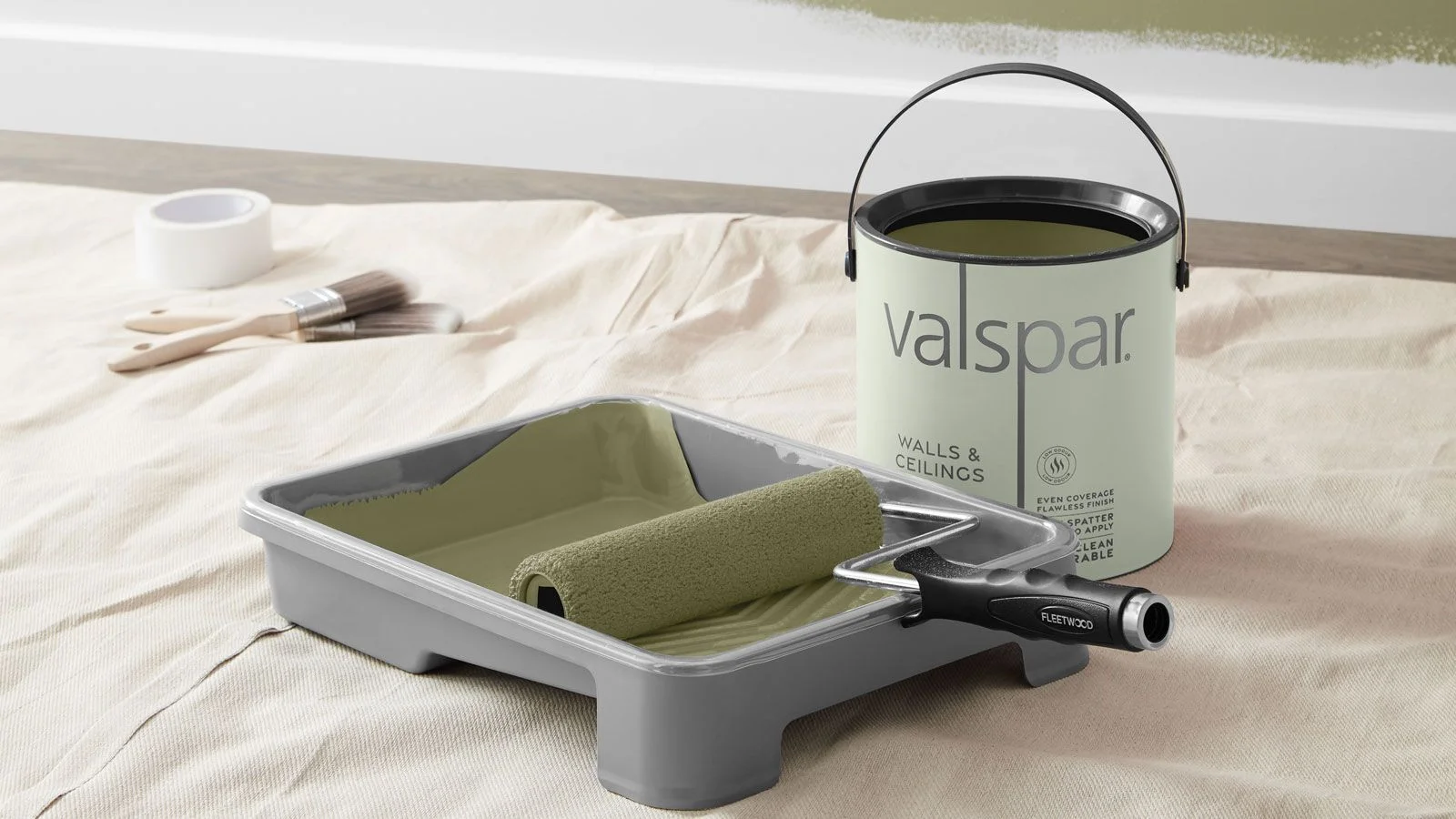
Cleaning painting tools like brushes and rollers can be a hassle, but it’s essential for maintaining their quality. However, it’s not mandatory to clean them after every use. Experienced decorators and DIY enthusiasts employ clever strategies to keep their equipment ready for action without the time-consuming cleaning routine. Here’s how to implement these strategies effectively.
Best Practices for Short-Term Storage
When storing brushes and rollers between projects, it's crucial to consider the duration. Short-term solutions are great for quick breaks or next-day jobs. If you’re storing them for several days, different methods would suit better. Billy Joe Jarvis, MD of Premium Paints, explains that “short-term storage works by slowing the drying process, so it should not damage the tool if sealed properly.” Here are a few effective techniques:
1. Water in a Jar
This classic method is ideal for solvent-based paints. Choose a jar that the brush fits into comfortably—this is vital for effective storage. Start by removing excess paint with a cloth or rag, ensuring it doesn’t drip. Fill the jar just enough to cover the bristles without touching the metal ferrule. When you’re ready to paint again, wipe the water from the bristles, and you're good to go.
2. Wrapping Brushes and Rollers
This approach works exceptionally well for water-based paints. Using materials commonly found in your kitchen, like cling film or plastic bags, wrap your brushes and rollers tightly. Mark Irving, a building specialist at Build & Plumb, mentions that “wrapping ensures no paint dries out.” For rollers, using specialized storage tubes or damp paper towels within plastic bags is another effective method.
In my experience, small bin liners work perfectly. After removing excess paint, I seal the wrapped roller with painter's tape, which helps keep the moisture intact. An unexpected yet effective solution I’ve used is an empty Pringles tube for 9-inch rollers. Simply pack the roller inside the tube and secure the lid.
3. Storing Paint Accessories
Don’t overlook your paint containers like trays and kettles. Covering these with a damp cloth, then sealing tightly with cling film or foil prevents the paint from drying out. This simple action helps keep everything fresh for your next use and is worth the effort.
Weighing Storage Against Cleaning
The decision to store or clean tools hinges on the specific painting project you’re tackling. Both methods offer distinct advantages and disadvantages that can vary based on time constraints.
Advantages and Disadvantages of Storage
Benefits:
+ **Time Efficiency:** Storing tools instead of cleaning them saves significant time, which allows you to resume work without delay.
+ **Environmental Considerations:** By minimizing waste, storing reduces your consumption of paint, solvents, and water during transitions between tasks, as highlighted by Billy Joe Jarvis.
Drawbacks:
– **Short-Term Only:** Mark Irving warns against over-relying on storage solutions, as they are only suitable for overnight or brief pauses, not for extended periods.
Advantages and Disadvantages of Cleaning
Benefits:
+ **Tool Longevity:** Regular cleaning prevents hardened paint that can ruin brushes or rollers. Clean tools ensure better finishes as they won’t flake debris into fresh paint.
+ **Quality Maintenance:** It keeps brushes and rollers in top shape for prolonged use, resulting in superior outcomes.
Drawbacks:
– **Time and Messy Process:** The cleaning process can be time-intensive and can create additional clean-up tasks, such as handling paint-water or solvents that may require careful disposal.
For Longer Storage Durations
If tools need to be stored for an extended period, proper cleaning is pivotal. It ensures that brushes, rollers, and other equipment remain in prime condition when not in active use. Here’s how to do it right:
1. Properly Cleaning Brushes
Make sure to wash brushes thoroughly and reshape the bristles after cleaning. Store them in their original cardboard holders whenever possible to maintain shape and hang them by their handles. Utilizing White Spirit or a designated cleaner for solvent-based paints ensures that the brushes are cleaned appropriately.
2. Cleaning Rollers
When cleaning rollers used with water-based paints, continue rinsing until the water runs clear, standing them upright to dry—never lay them flat, which can cause damage. For those used with solvent-based paints, submerge the roller in a container with white spirit and squeeze out the residue. Use a roller cleaner if necessary for thorough cleaning.
3. Maintaining Paint Trays and Kettles
Regularly cleaning out paint kettles and scuttles is common practice among professionals. They remove paint to allow a dry layer to form, which can be taken out later when thick enough. However, DIYers often prefer a more immediate cleaning approach. Using liners for trays can simplify clean-up effectively.
Correctly storing and handling both paint and cleaning materials is crucial. After pouring paint, wipe the rim before sealing the container with cling film to create an airtight seal. For an extra precaution, Mark recommends storing paint cans upside down, given that you’re confident in the lid’s security.
Finally, ensure that your storage conditions are controlled and clean; avoiding unheated environments and ensuring everything is dry will prevent rust and diminish wear. Proper management of your paint and tools means you can always be ready for your next project without unnecessary delays.



Discussion
Sign in to join the discussion.