Huawei’s MatePad Pro 12” combines stunning hardware with a few software limitations, making it a compelling but complex option for users.
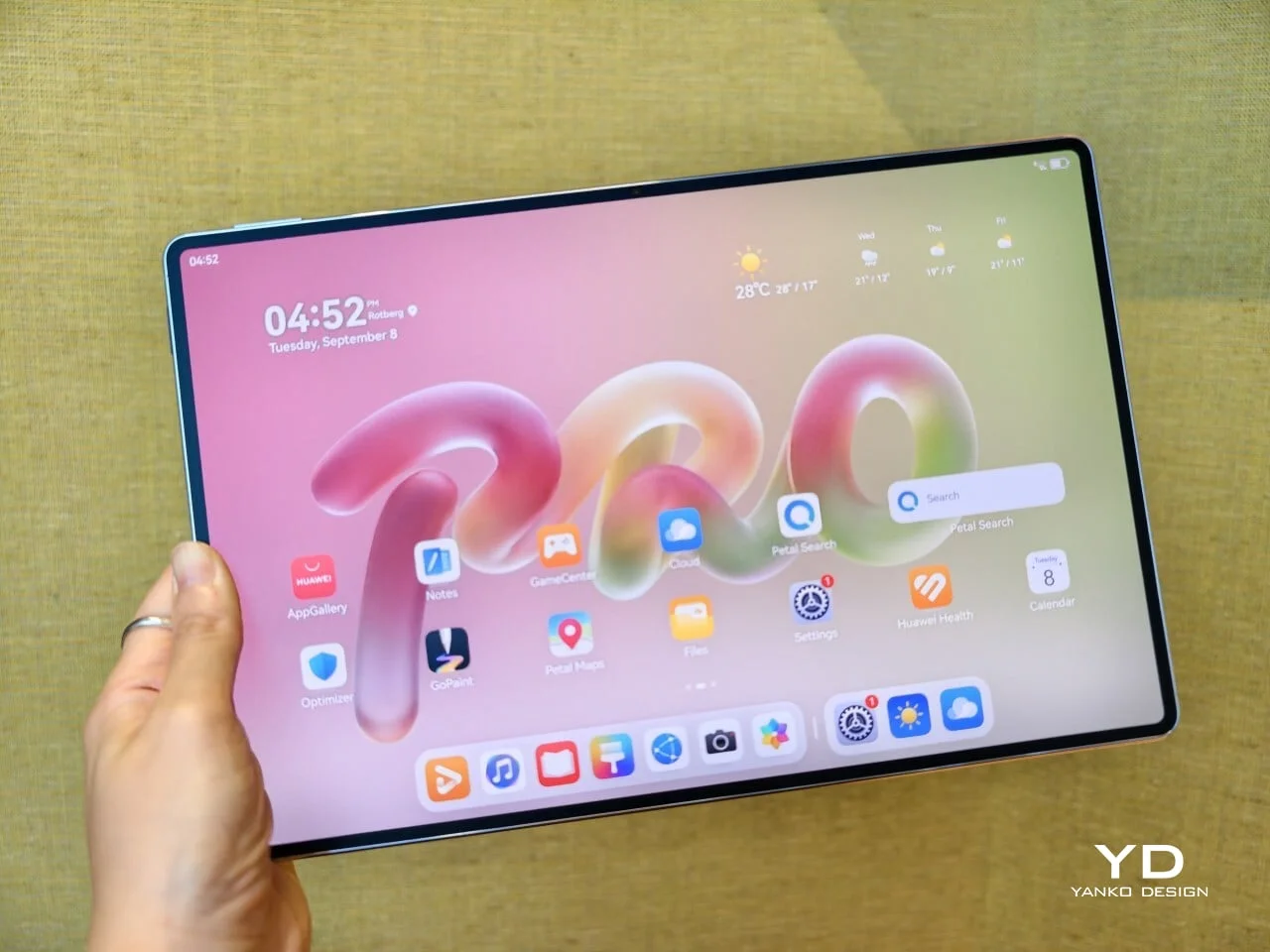
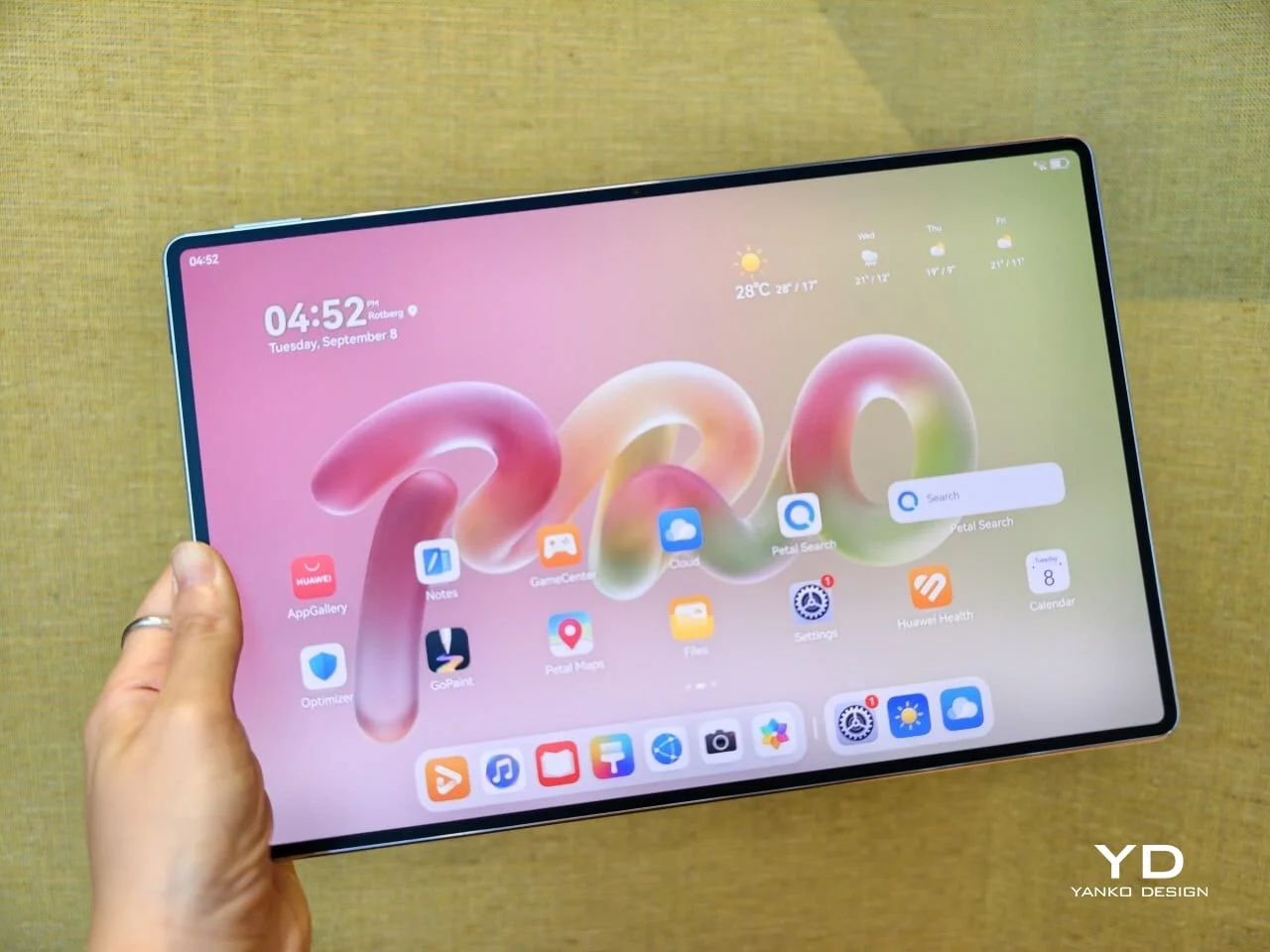
The Huawei MatePad Pro 12” stands out in the crowded tablet market with its sleek design and impressive specifications. Positioned as a versatile device, it attempts to cater to professionals, students, and creatives alike. Yet, despite its high-quality hardware, potential buyers should consider some significant software drawbacks that might affect their overall experience.
Design and Aesthetics
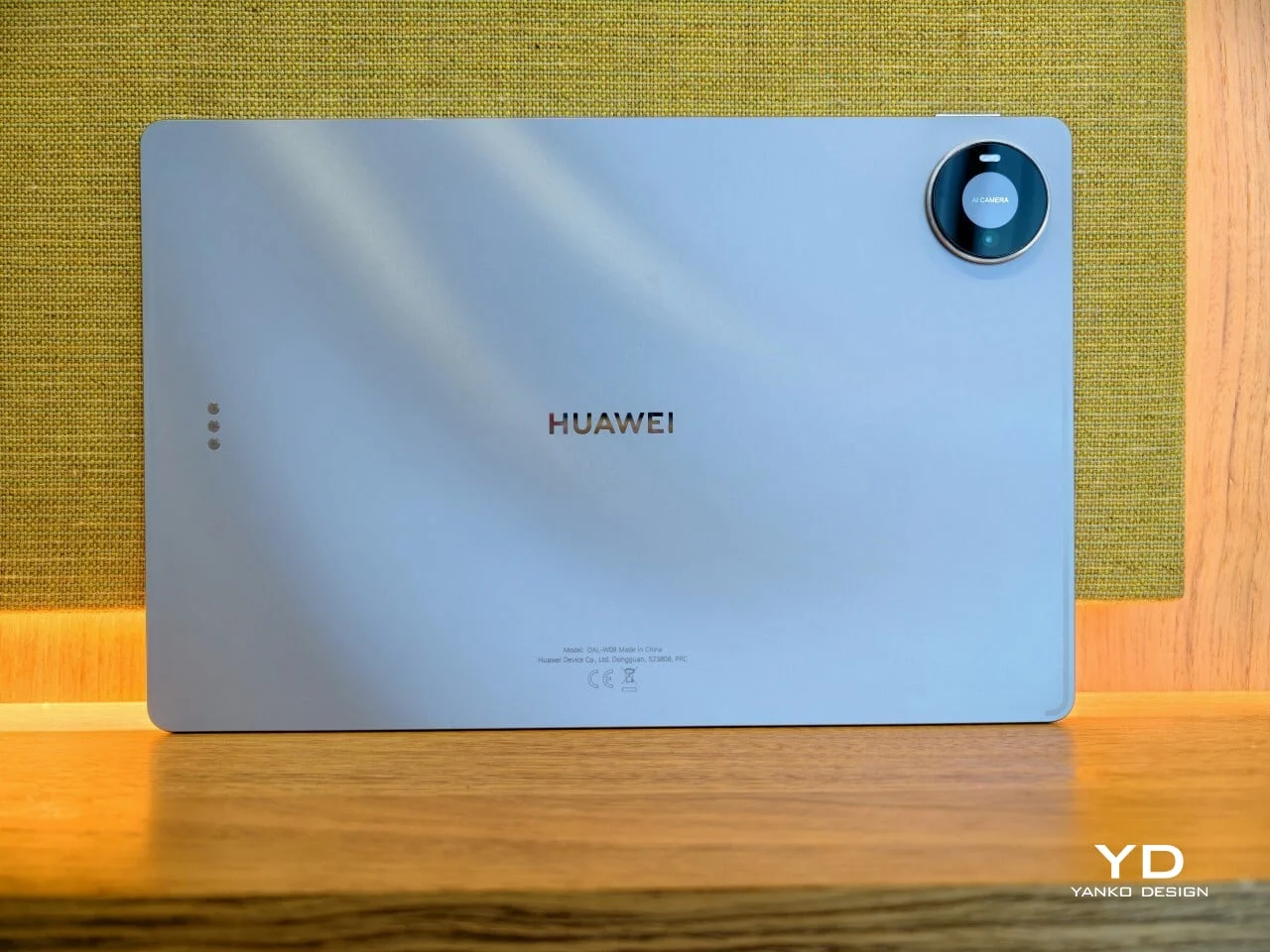
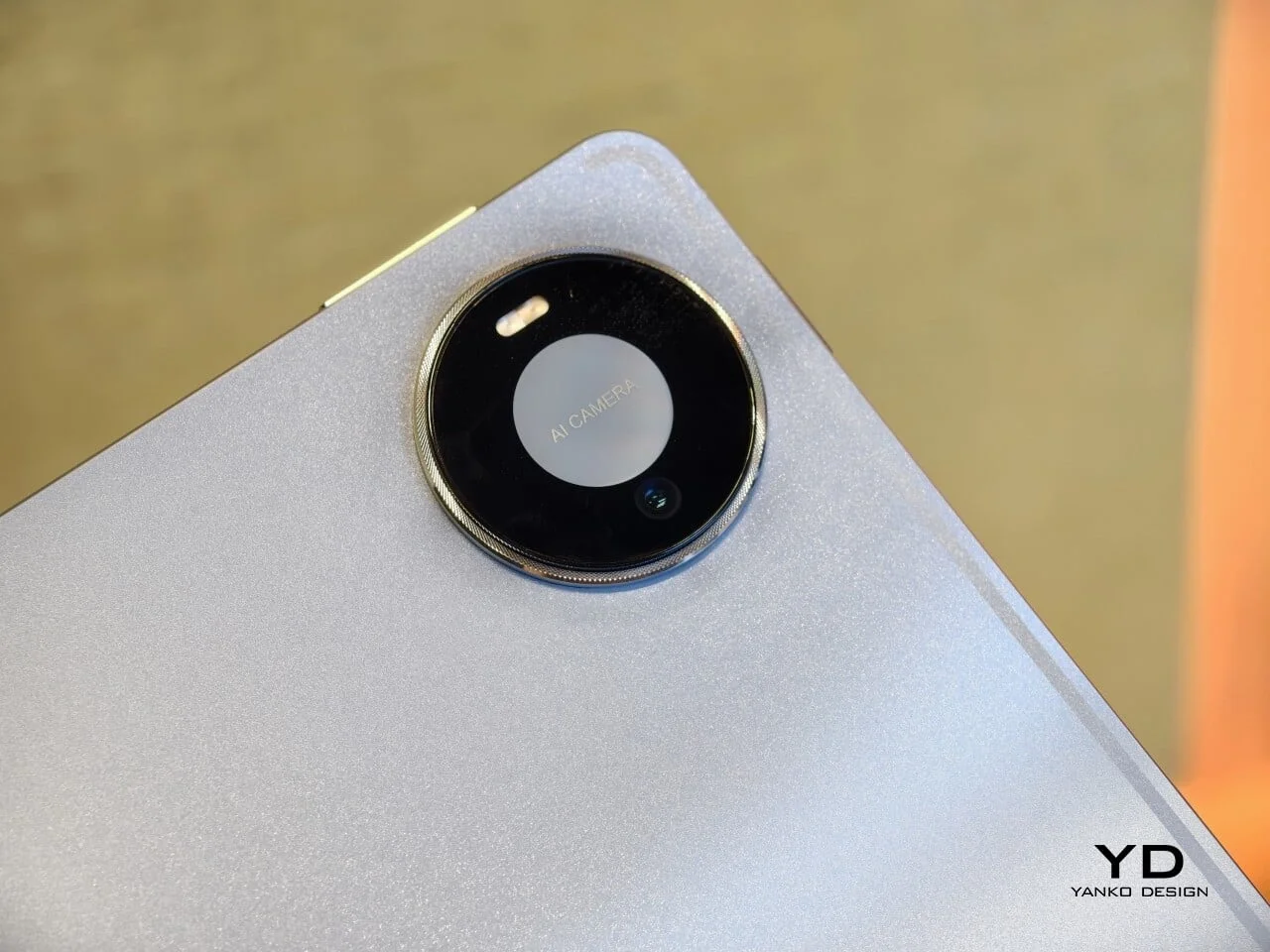
On the surface, the MatePad Pro 12” resembles a scaled-down version of the MatePad Pro Max, boasting a refined and polished appearance that feels distinctly premium. Available in Blue and Space Gray, the tablet's soft sheen and glossy frame create a visually appealing and inviting device. The design strikes a balance, maintaining premium quality while ensuring it remains approachable and user-friendly. The circular camera bump and slightly rounded edges add warmth to its sleek appearance, enhancing its overall charm.
Build Quality and Ergonomics
Weighing in at just 454 grams (about 1 pound) and measuring 10.4 x 6.8 inches (264.2 x 172.9 mm), this 12-inch tablet feels lighter than expected during everyday use. Its slim profile, measuring only 0.19 inches (4.7 mm) thick, means it’s effortless to handle and maneuver, making one-handed use feasible for short sessions without feeling cumbersome.
The build quality is noteworthy; the device feels solid despite its lightweight design. It strikes a commendable balance between being elegantly refined and reassuringly sturdy, avoiding the fragility that can plague some thin tablets.
The optional Huawei Glide Keyboard is also worth mentioning. Weighing 399 grams (around 14.1 ounces), it transforms the MatePad Pro into a compact laptop-like interface, enhancing productivity. The keyboard's thoughtful design, which includes a dedicated slot for the stylus, reflects a level of attention to user experience. However, the keyboard does have some drawbacks—such as a clip that can be overly sensitive and a limited viewing angle—which detract from its overall functionality.
Display Performance
At the heart of the MatePad Pro 12” is its standout display. The device features a 12-inch OLED panel that not only delivers vibrant colors but also integrates the PaperMatte finish, which significantly reduces glare. This innovative treatment enhances usability in bright environments, promoting a better reading and browsing experience without the constant struggle against reflections. Huawei's claim that anti-reflection performance has improved by 30% compared to previous models holds up in practical use.
The audio quality delivered by the four-speaker setup is equally impressive for such a slim device, producing robust sound with enhanced bass, suitable for a variety of media consumption. Although audio can occasionally be sharp at high volumes, the overall performance is strong for a tablet of this size, elevating the entertainment experience.
Battery Life and Efficiency
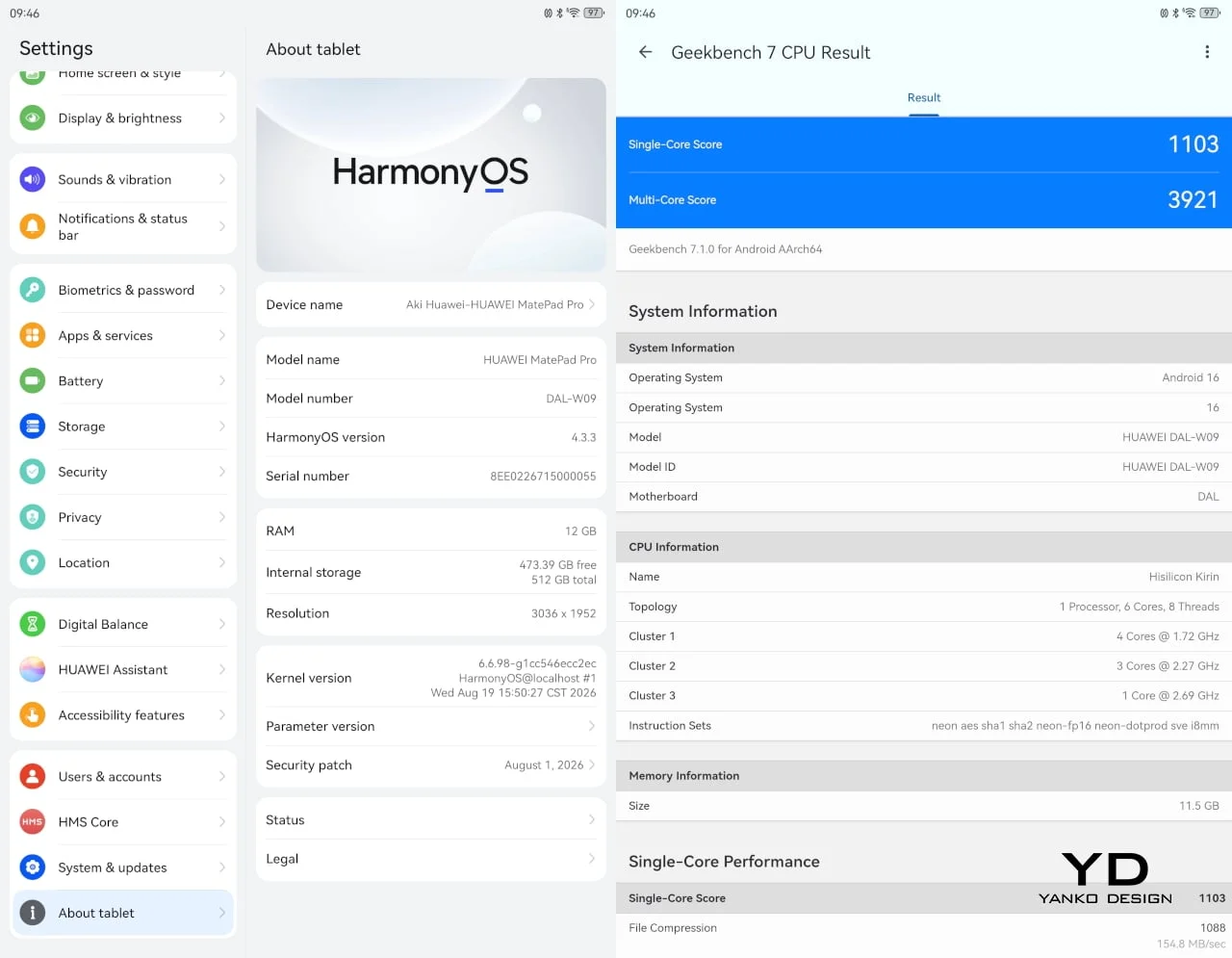
Powered by a 10,400mAh battery, the MatePad Pro 12” proves to be efficient, easily lasting through a full day of typical tasks—including writing, emails, and video streaming—without anxiety over battery life. Huawei claims up to 14.7 hours of local video playback, supported by 40W reverse charging capabilities to keep other devices powered on the go.
Software Limitations
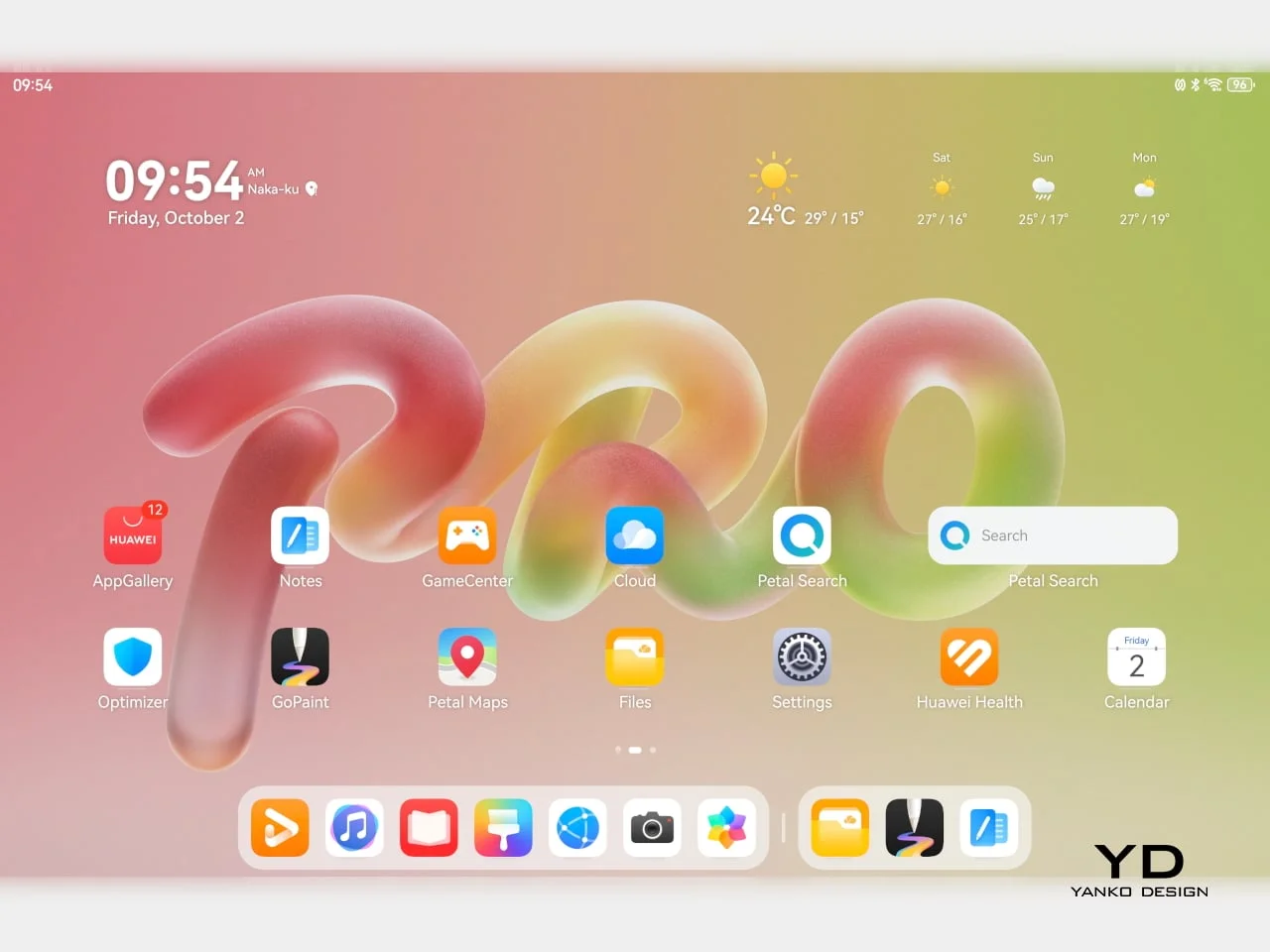
However, the software offers a more conditional experience. Running Harmony OS 4.3, the MatePad Pro lacks built-in access to the Google Play Store and Google Mobile Services, which could pose a challenge for users relying on these popular platforms. While workarounds exist, such as using GBox or Aurora for app installation, their functionality can be hit or miss, particularly concerning multitasking features like split-screen usage, which are crucial for professional tasks.
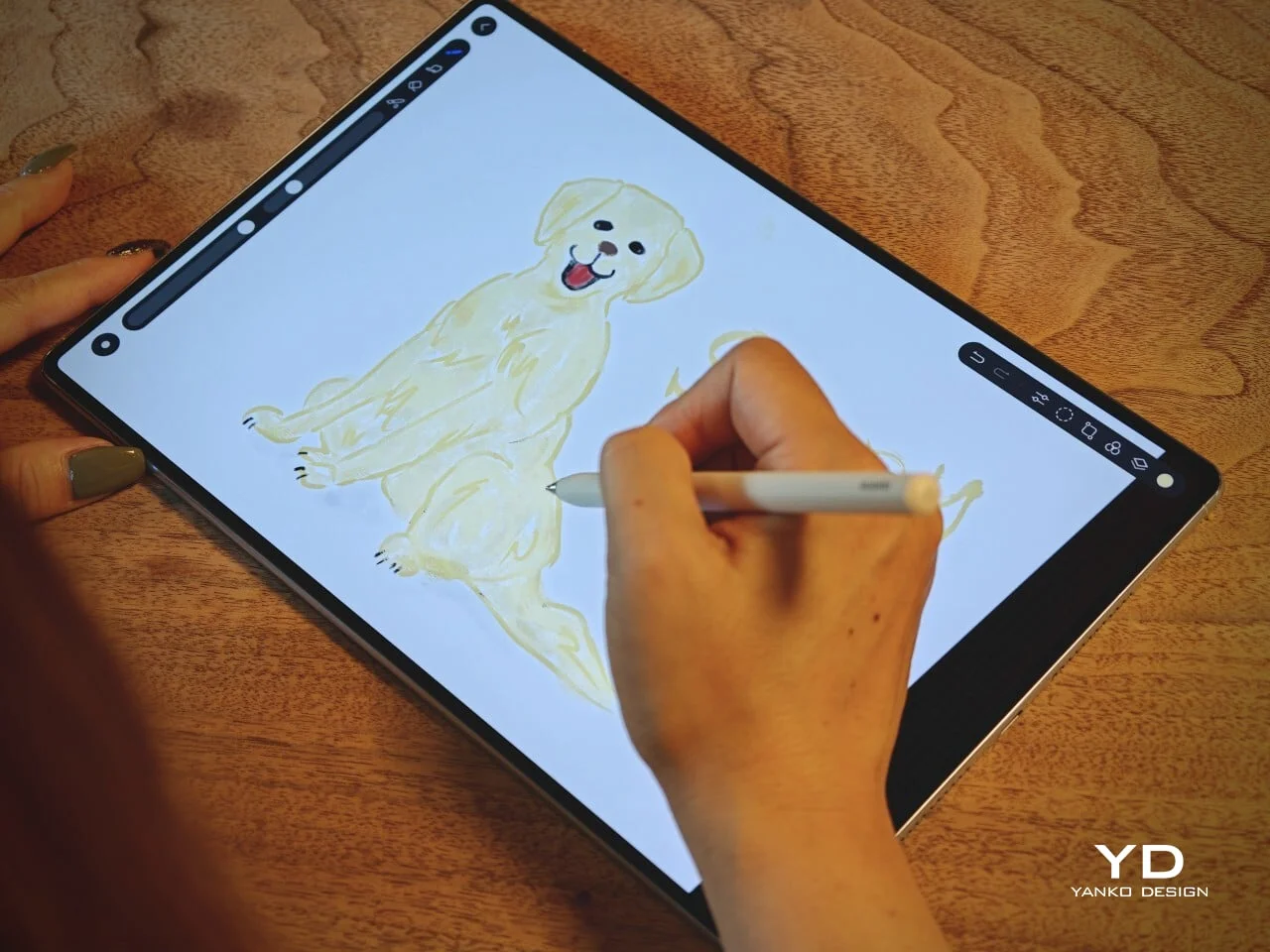
Despite these hurdles, Huawei's first-party applications are commendable. Tools such as GoPaint offer a rich suite of features for creative tasks, and the Notes app boasts AI handwriting recognition, though accuracy can vary. Overall, while Huawei's software ecosystem shows promise, its limitations may deter some potential users accustomed to more integrated app environments.
Sustainability and Value Proposition
On the sustainability front, there’s little clarity about long-term software support, making it challenging to evaluate the device's overall value in the long run. Huawei emphasized improved durability with a 50% increase in bend resistance, but failed to address other sustainability metrics like recycled materials or environmental commitments, leaving eco-conscious consumers wanting more.
Value is where things become nuanced. Pricing starts at €1,199 (about $1,330) for the base model, climbing to €1,449 (around $1,610) for the top configuration with the Glide Keyboard. These figures place it in direct competition with flagship tablets from rivals like Apple. While the hardware quality is undoubtedly premium, the unresolved software challenges could make the price tag harder to justify, particularly for those unfamiliar with Huawei's ecosystem.
Final Thoughts
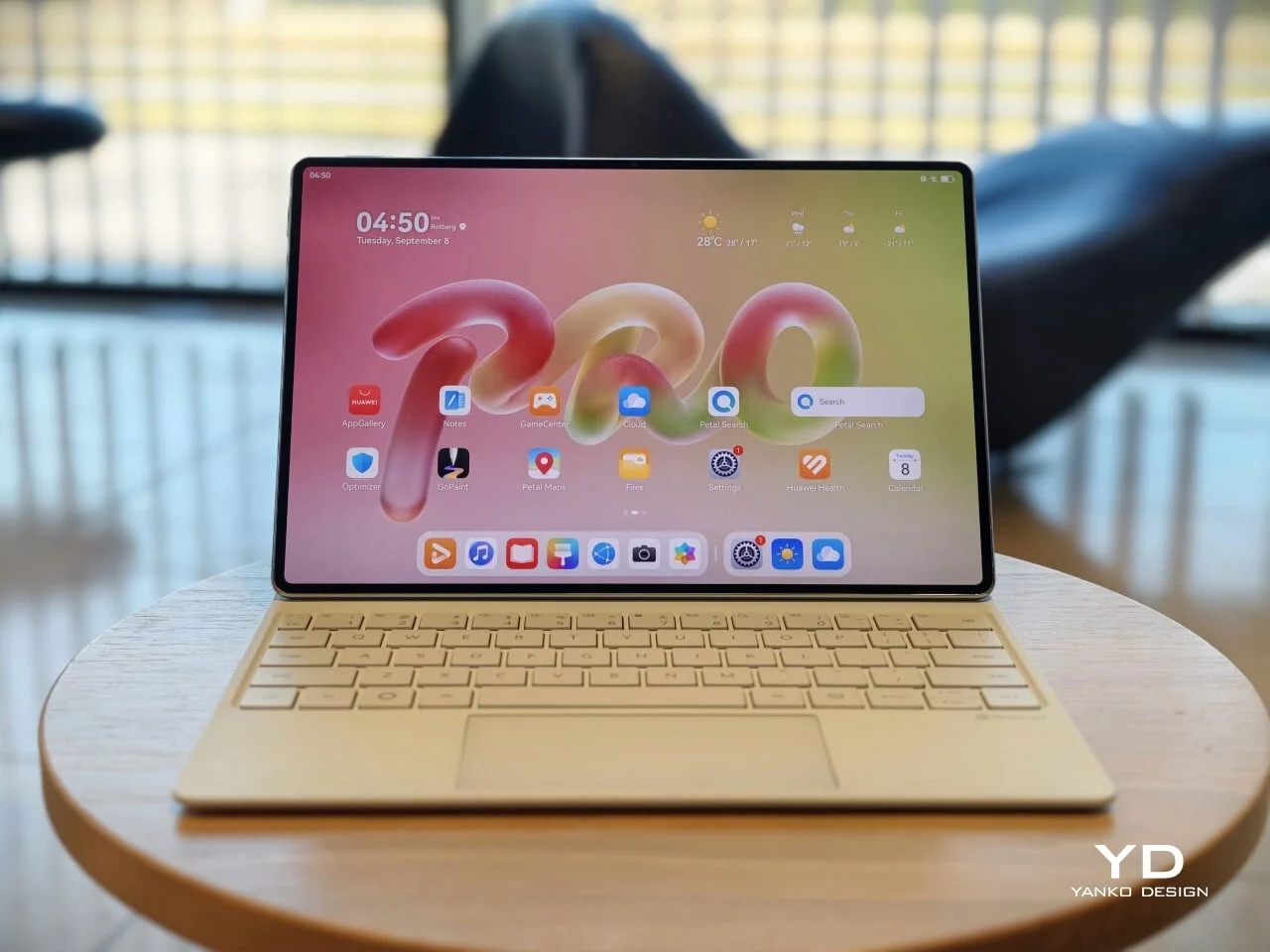
In summary, the Huawei MatePad Pro 12” delivers an impressive hardware experience, characterized by its lightweight design, excellent display, and capable speakers. It’s a device that excels in areas of functionality and aesthetics. However, the significant software limitations linked to the lack of Google services add complexity for potential buyers. While it possesses strong hardware credentials, navigating its software ecosystem may require flexibility and patience, making this a more selective purchase for consumers.
The post Huawei MatePad Pro 12” Review: Stunning Hardware, One Familiar Caveat first appeared on Yanko Design.


Discussion
Sign in to join the discussion.