Grimanesa Amorós's light sculpture, Radiance, enhances the auditory experience of classical music, creating a captivating interplay of sound and light.
A Journey Through Light and Sound
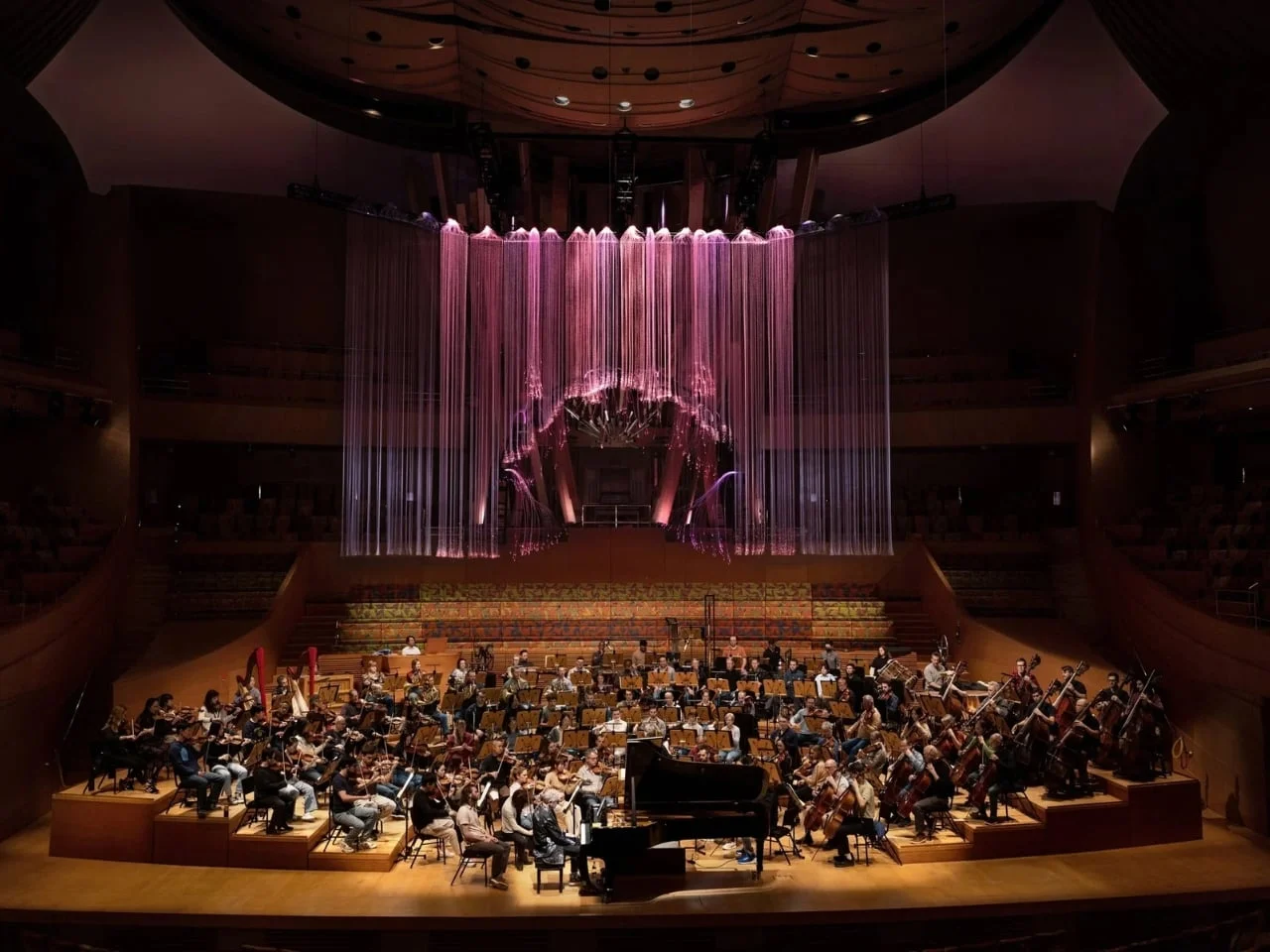
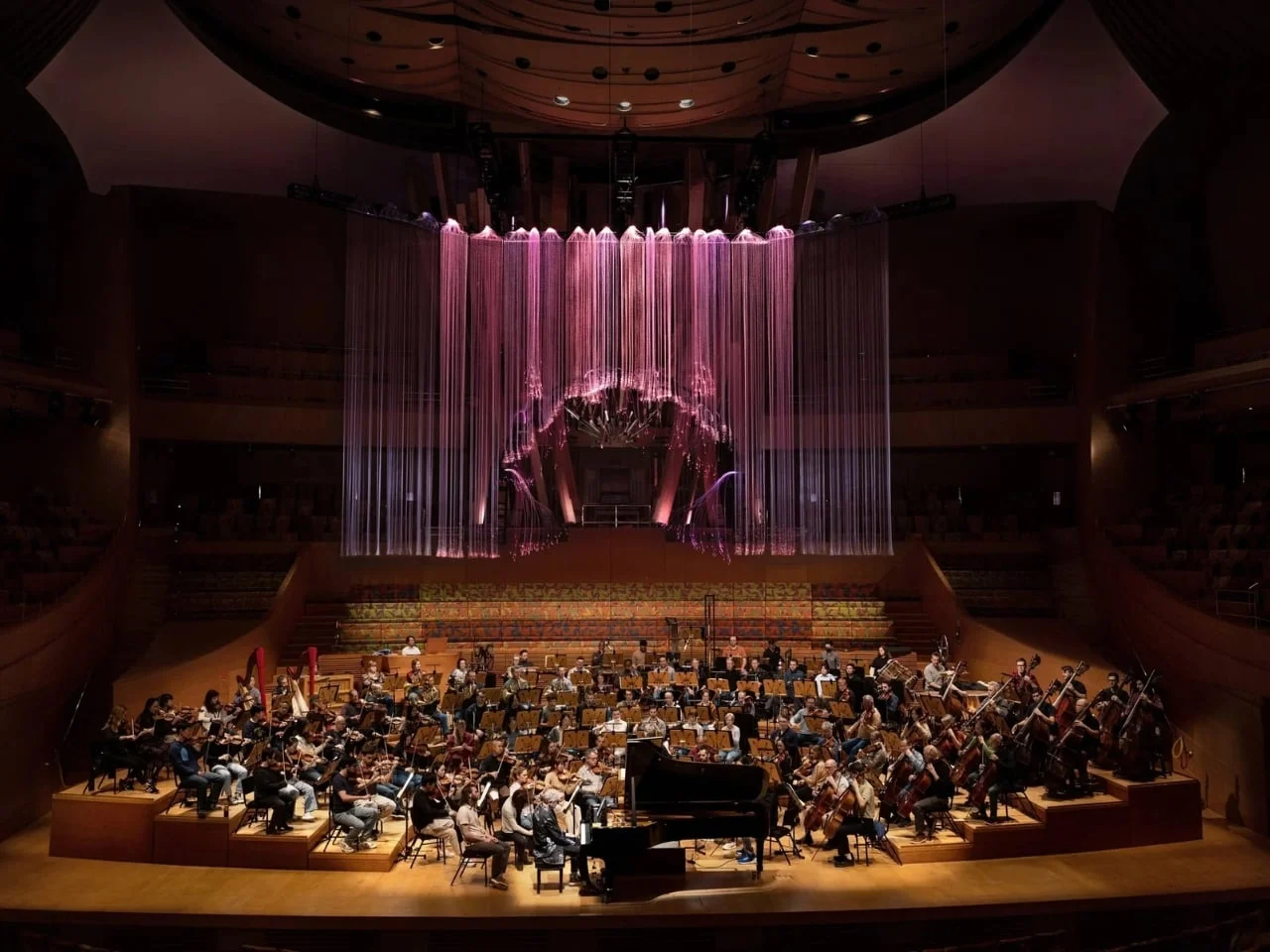
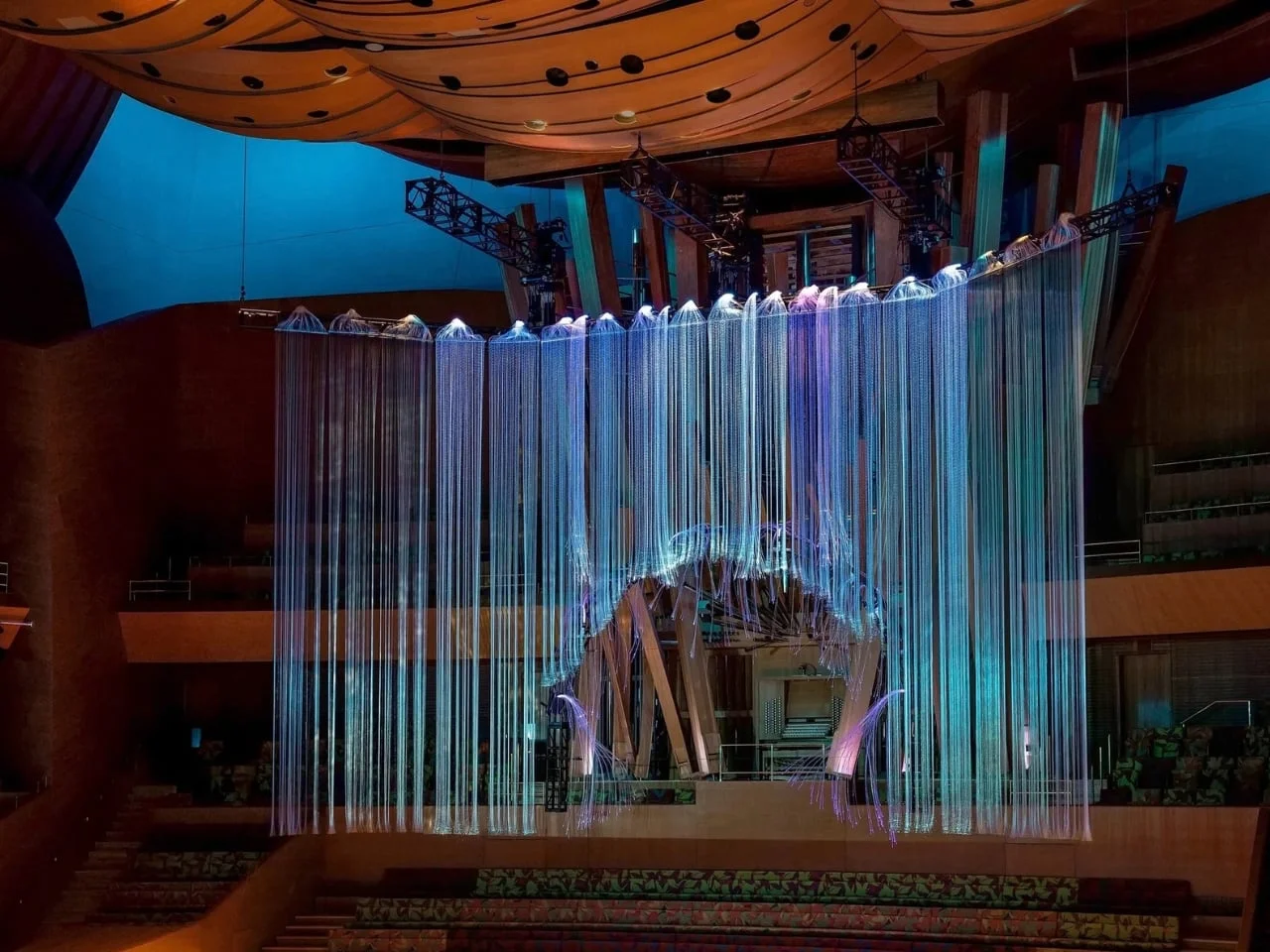
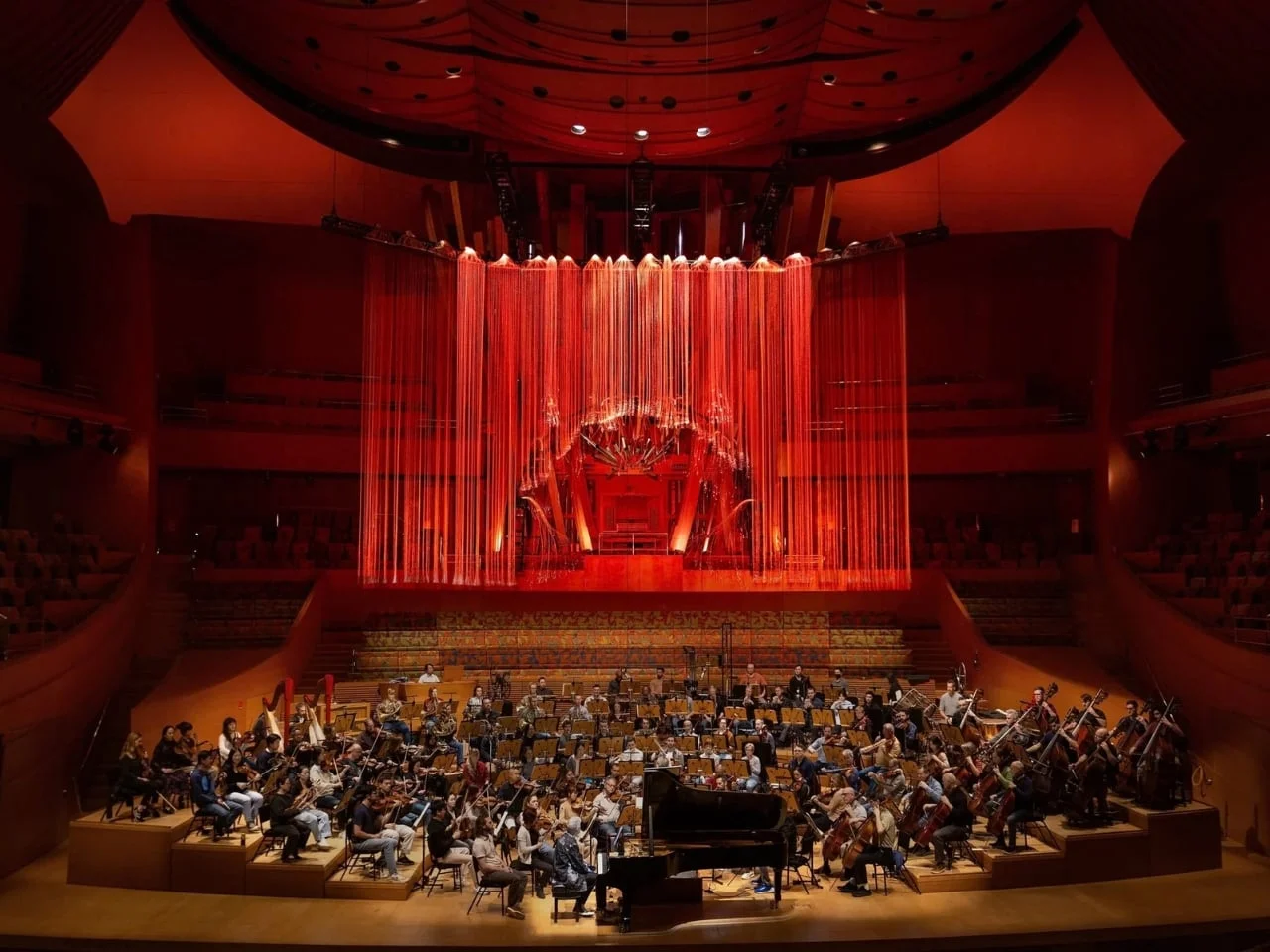
While music fills the air, its essence often remains invisible. Grimanesa Amorós's creation, Radiance, commissioned by the Los Angeles Philharmonic, seeks to change that. This impressive 60-foot light sculpture, designed specifically for Alexander Scriabin’s Prometheus: The Poem of Fire performances at Walt Disney Concert Hall, not only complements the orchestra but transforms the entire venue into a vital part of the musical narrative.
The Architectural Framework
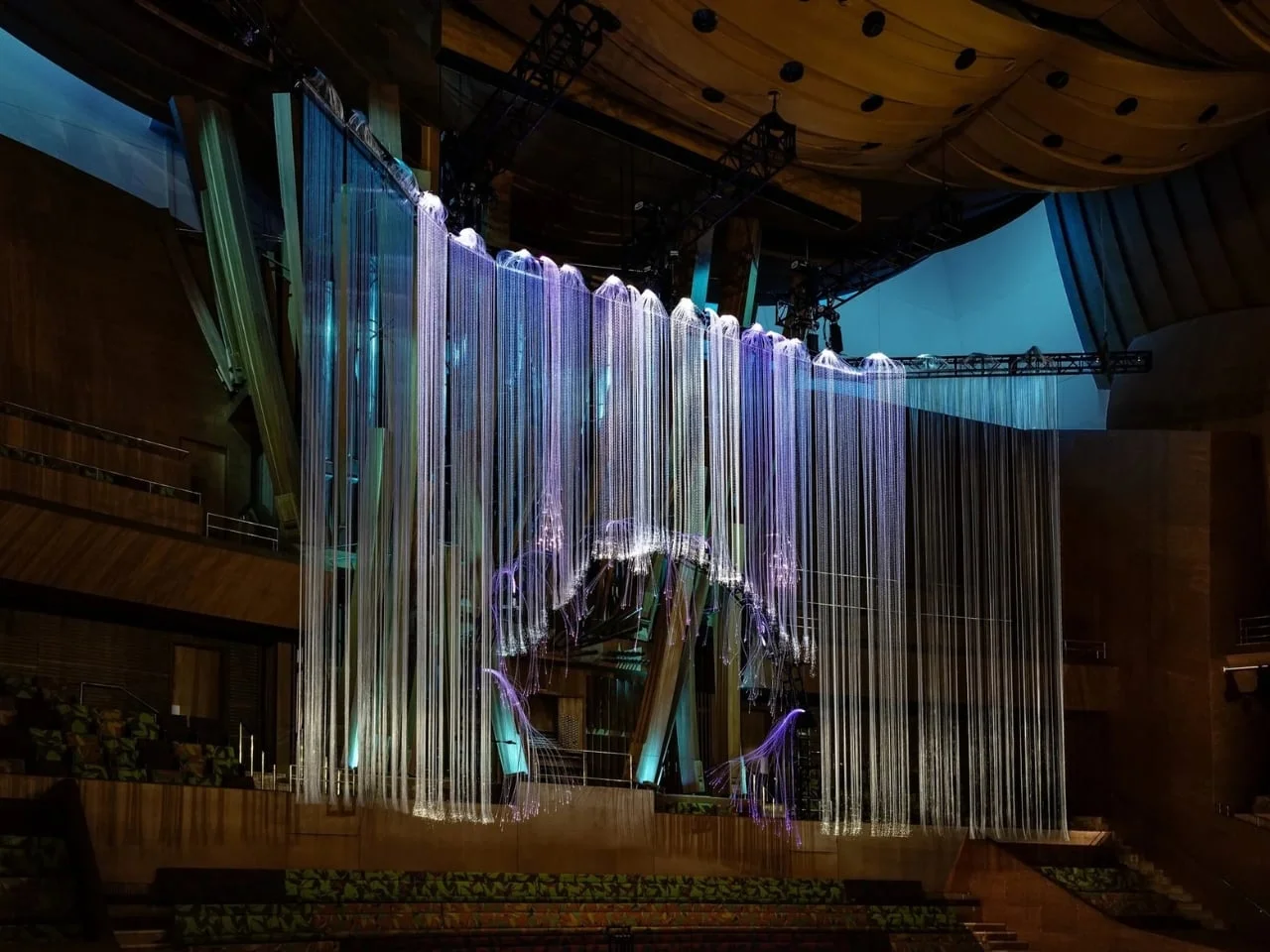
Radiance stretches 60 feet in length and 35 feet in width, offering an imposing and ethereal presence above the musicians. Crafted from reflective materials with LED tubing that shifts colors, the sculpture commands attention without eclipsing the live performance. By synchronizing light sequences with the music, Amorós ensures that the visual elements enhance rather than distract from the auditory experience. Imagine walking into a venue where the visual and auditory stimuli are intertwined, creating an almost immersive environment. The lighting isn’t just a backdrop; it’s an active participant in the concert, changing the audience's relationship with the performance.
Choreography of Light
The choreography of light is meticulously timed, with six key moments carefully plotted to align with significant musical passages. This strategic approach avoids the pitfalls of overly flashy displays, creating a visual representation that complements the music’s emotional depth without overwhelming the audience. If you're working in this space, consider how a well-executed synchronization can transform an ordinary performance into a memorable experience.
The light sequence becomes a subtle guide, helping attendees to navigate through the varying emotional landscapes of the piece. Rather than a straightforward pulse or beat, the light creates an emotional arc that mirrors the music’s flow, allowing for an enriching experience that connects viewers on multiple levels.
The Concept of Fire
Fire serves as the conceptual starting point for Radiance, aligning with themes in Prometheus. Rather than opting for a literal depiction of flames, Amorós interprets fire through a dynamic palette of colors and intensities, breathing life into the idea of transformation rather than merely illustrating mythology. This conceptual framework allows for a more nuanced exploration of emotions. A sudden red glow can evoke urgency, while a warm amber hue invites a sense of connection. By eschewing direct representations, Amorós invites interpretation; the audience is encouraged to draw personal associations with the shifting light. And this is the part most people overlook: the emotional connections that can flourish through indirect communication.
Redefining the Venue Experience
Disney Concert Hall's striking interior architecture provides a compelling backdrop for the performance. Rather than merely a stage, Amorós integrates the hall’s house lights into the light sculpture’s programming, ensuring that the entire space constantly evolves with the music. This turns the venue into a dynamic, living entity that envelops the audience in a shared sensory experience. The fact that every element is in flux—light, sound, even the atmosphere—allows the audience to break down barriers that typically separate them from the performers.
The Audience's Role
Describing Radiance as just a concert with a light show would oversimplify its impact. Instead, this artistic endeavor elevates classical music, making it more approachable without requiring spectators to adjust their listening habits. Attendees can opt to immerse themselves in the changing colors or simply let them exist within their peripheral awareness. This dual approach invites diverse forms of engagement. Some might choose to focus intently on the intricate layers of light while others might simply allow themselves to enjoy the overall ambiance.
The Risks of Monumental Installations
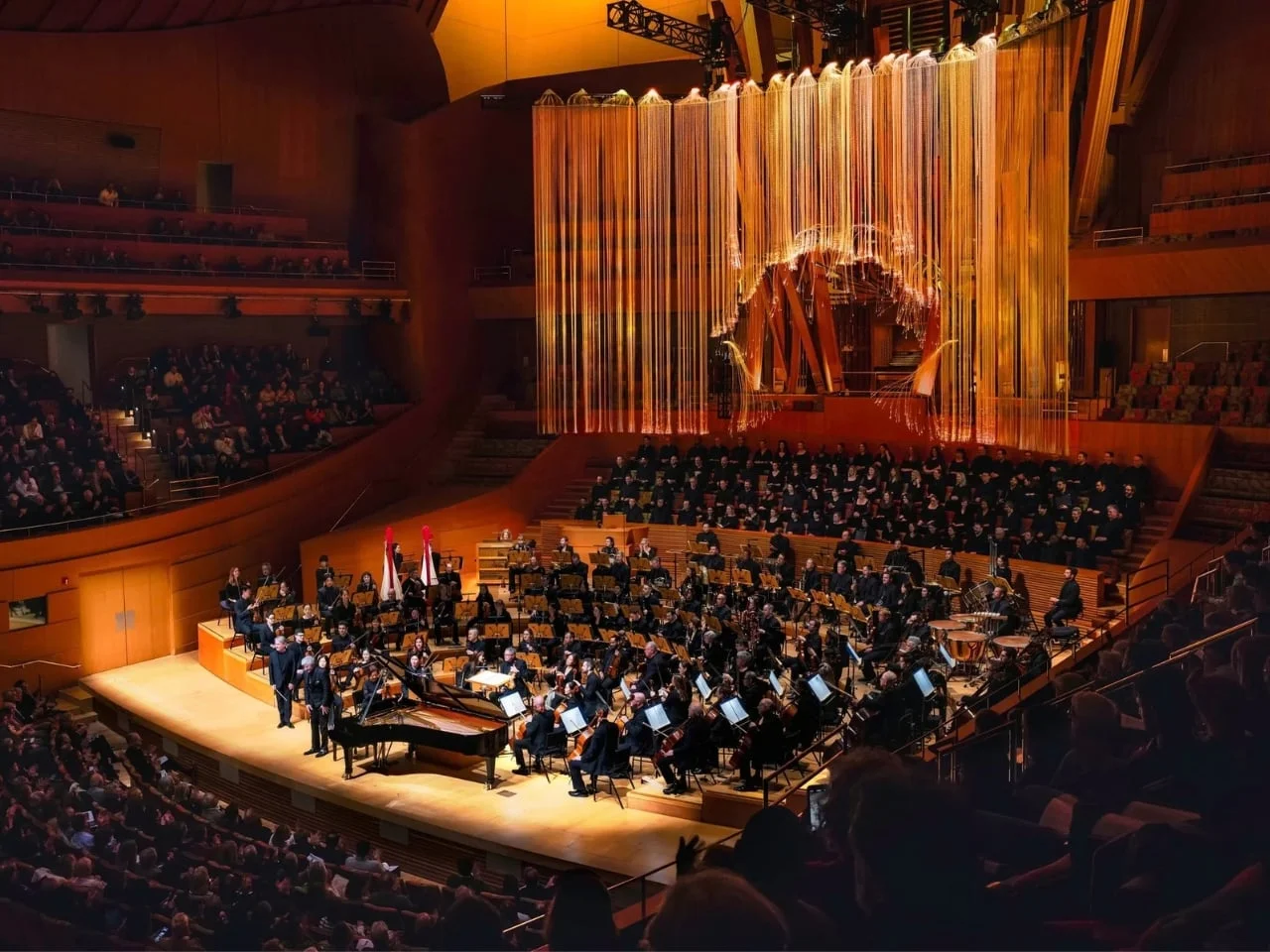
The risk inherent in monumental installations like this is that the artwork becomes the focal point in photographs rather than the experience itself. While Radiance certainly captures attention with its striking visuals, its true value lies in its synchronous connection to the music and the collective experience of the audience during the performance. If it’s all about the lights to the point where the music becomes secondary, then the whole project falls flat. It's a delicate balance to maintain. You can’t just dazzle people; you’ve got to invite them into a deeper understanding of the performance.
Bridging Sound and Sight
What resonates most is how Radiance embodies a design philosophy that seeks to bridge the gap between sound and sight. Rather than translating Scriabin's music into a visual form, it addresses a fundamental truth about shared experiences: sometimes, the aim is simply to help the audience feel more connected to the moment, to each other, and to the unseen essence of the performance. By enhancing the concert hall's environment, Amorós turns the space into an integral component of the experience, inviting a richer interaction with classical music.
Looking Ahead: Implications for Future Performances
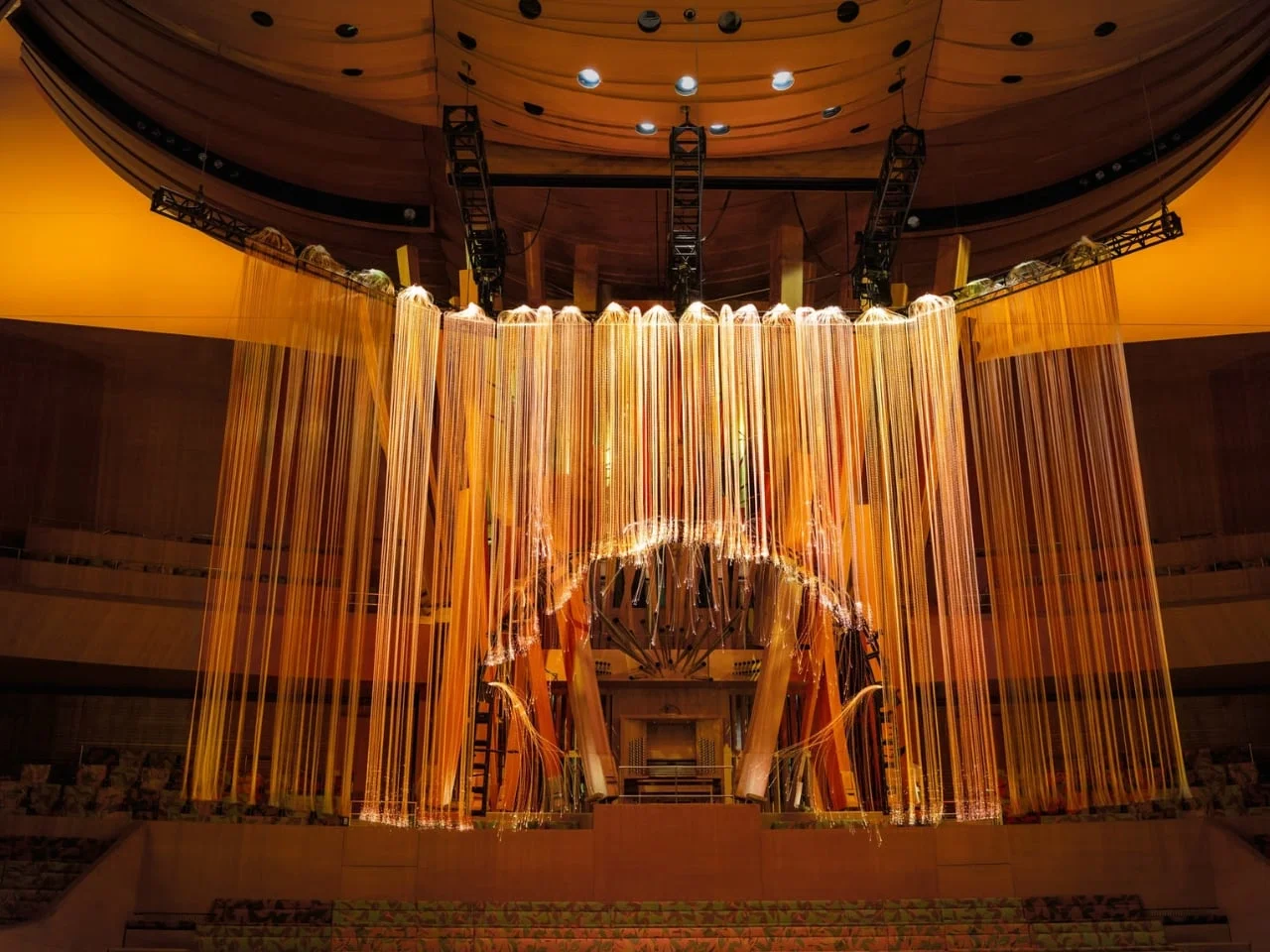
As art and technology converge further, Radiance stands as a potent example of what future performances might hold. The combination of visual and musical artistry could reshape audience experiences, fostering a more inclusive environment for those unfamiliar with classical forms. Yet, there’s always the possibility that as artists chase this synergy, the essence of the music could be diluted. In seeking to integrate light and sound, the risk of overshadowing the music is present. The balance won’t always be easy, and as we look at how these installations evolve, it’ll be vital to maintain the integrity of the original compositions.
Radiance proves that while technology can elevate art, it must never overshadow the intent behind it.



Discussion
Sign in to join the discussion.