As summers grow warmer, integrating brise soleil can effectively combat heat and glare while adding architectural beauty and eco-friendly benefits to your home.
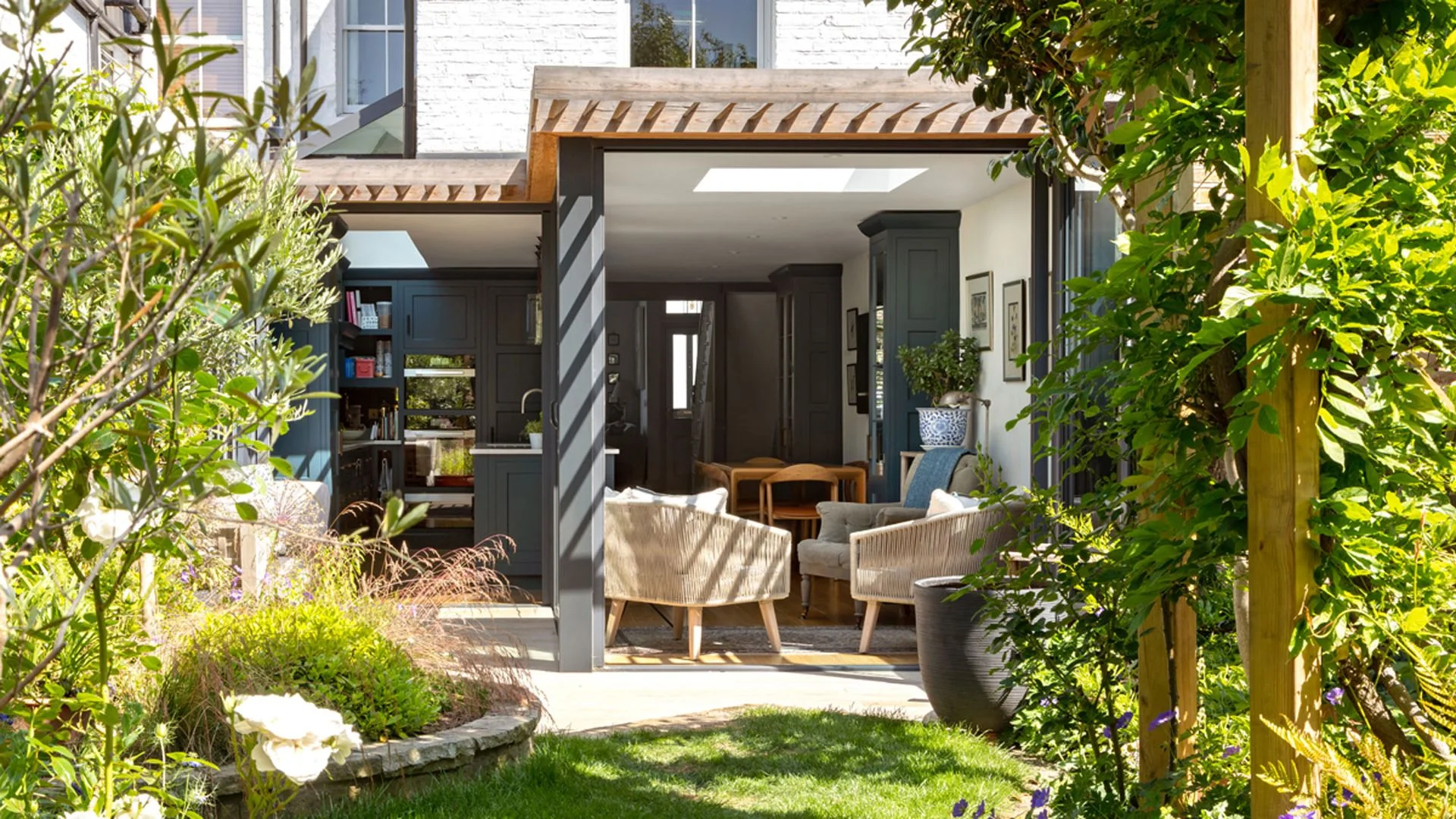
The recent summers in the UK have shown us that adapting to warmer temperatures is no longer optional; it’s becoming a necessity. For many homeowners, this means considering upgrades to keep indoor environments comfortable, particularly through methods designed to combat overheating.
Although summer is winding down, this is the perfect moment to integrate solar shading techniques into your home's design. One particularly fashionable architectural solution for sun protection is the brise soleil. These elements typically consist of horizontal fins or louvres that extend outward from the structure, offering a stylish way to block intense sunlight, especially across expansive glass areas.
Brise soleil isn't just relegated to the exterior; its design can be adapted for interior spaces as well. For example, in a striking extension of a 1930s home, architect TiggColl has implemented a creative design featuring a vaulted ceiling that mirrors a Douglas fir canopy. This approach not only shields against glare and overheating but also enhances the architectural appeal of the interior. "As a 'sun breaker'—a direct translation from French—brise soleil effectively mitigates discomfort from heat and light during sunny days, which is becoming increasingly relevant in light of our changing climate," explains architect David Tigg.
Moreover, integrating a brise soleil is highlighted as a more environmentally friendly option than expansive mechanical cooling systems such as air conditioning, making it worth considering for those looking to enhance their home sustainably.
1. Align Your Internal and External Shading
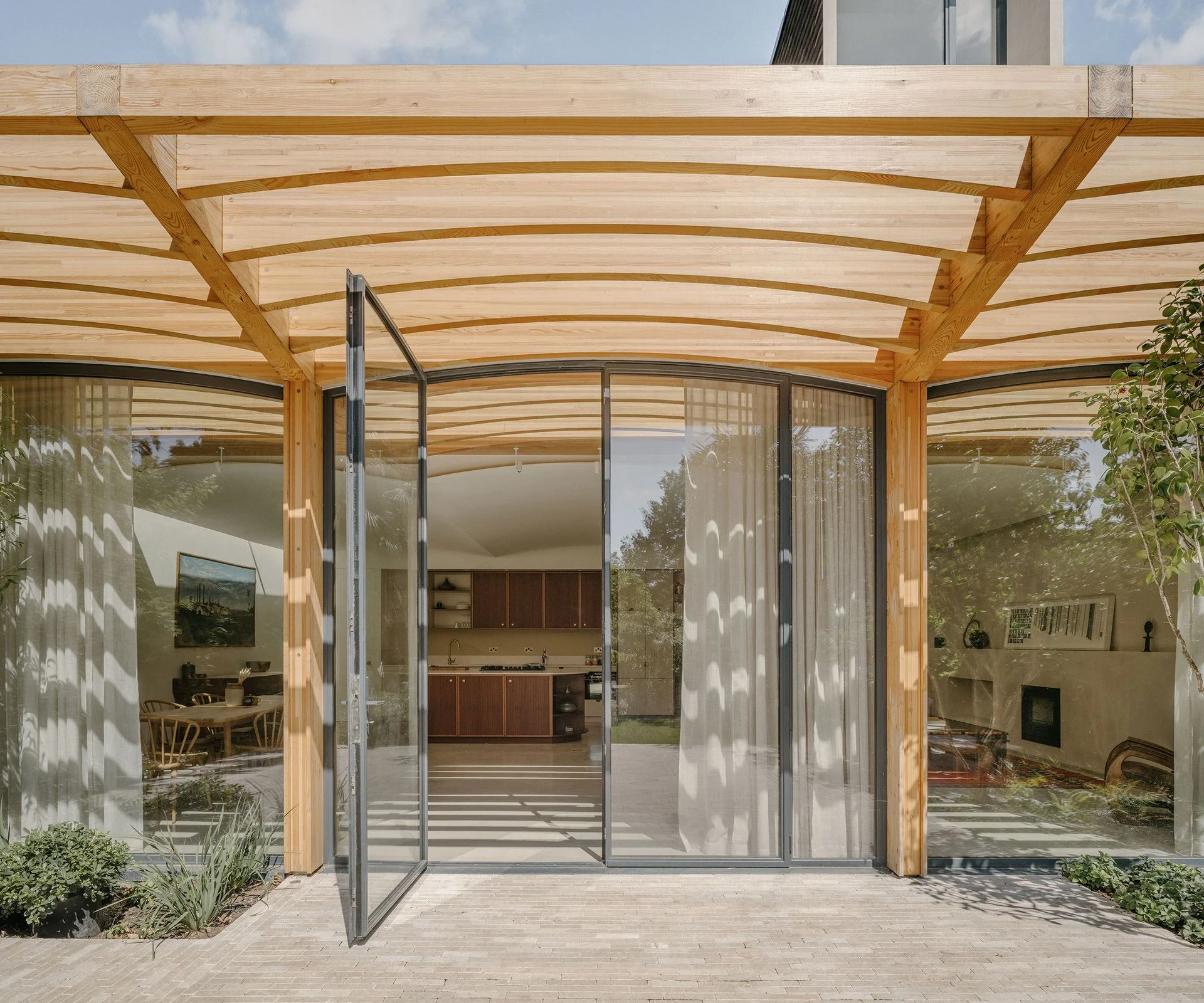
This internal-use application of brise soleil is elegantly demonstrated in a design featuring extensive ceiling glazing that harmonizes with exterior elements, allowing ample light to pour into living spaces while effectively managing heat.
2. Enhance Your Planting Scheme with Brise Soleil
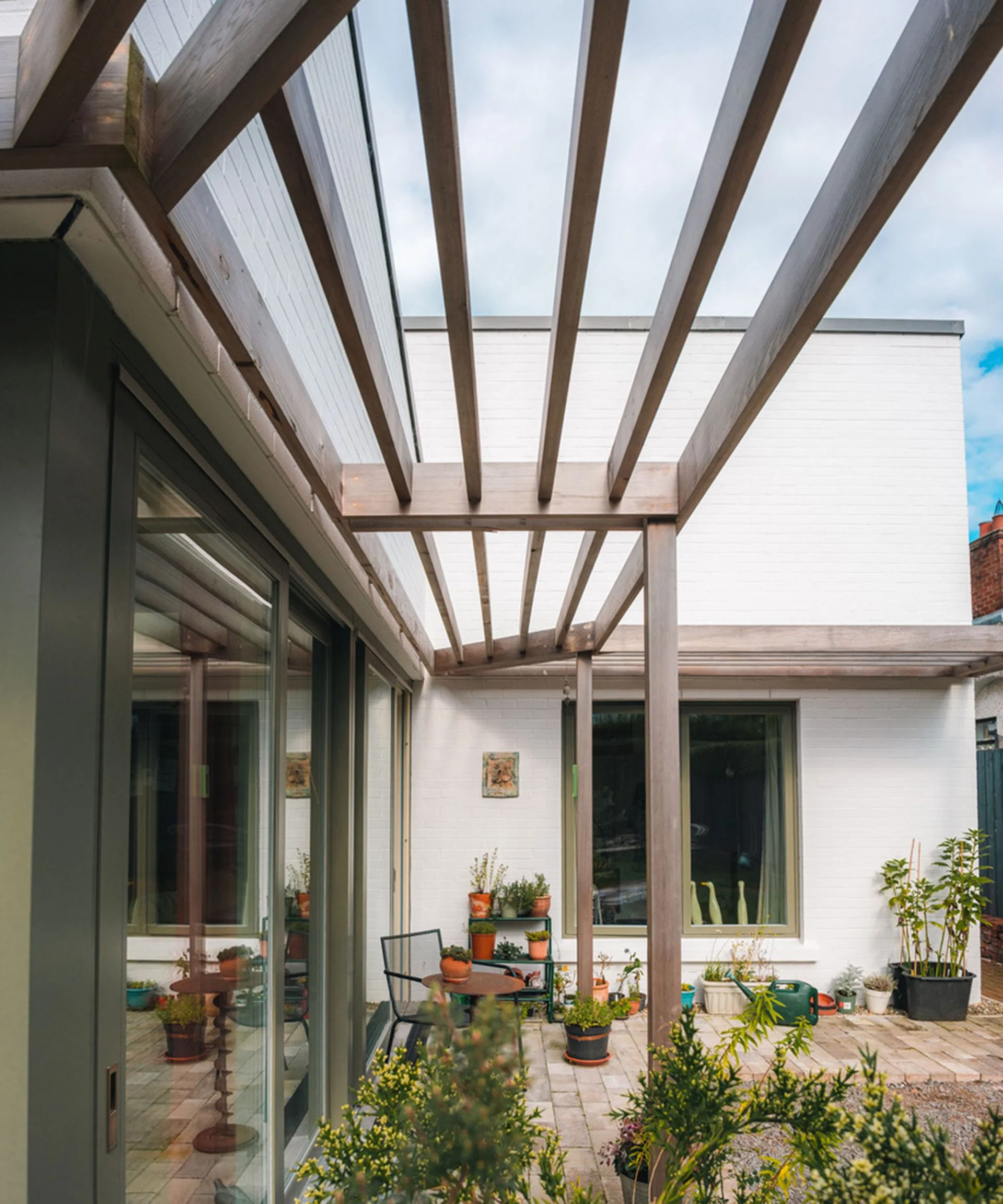
This versatile design does more than just cast shade; it can also support climbing plants, enhancing both aesthetic beauty and natural cooling. For instance, architect Micah T Jones Architects cleverly utilized timber brise soleil to provide shelter from the summer sun while also allowing winter sun to warm the home during colder months. The intent is to encourage plants to climb and intertwine with the structure, fostering a natural connection between indoor and outdoor spaces.
3. Customize Your Design Approach
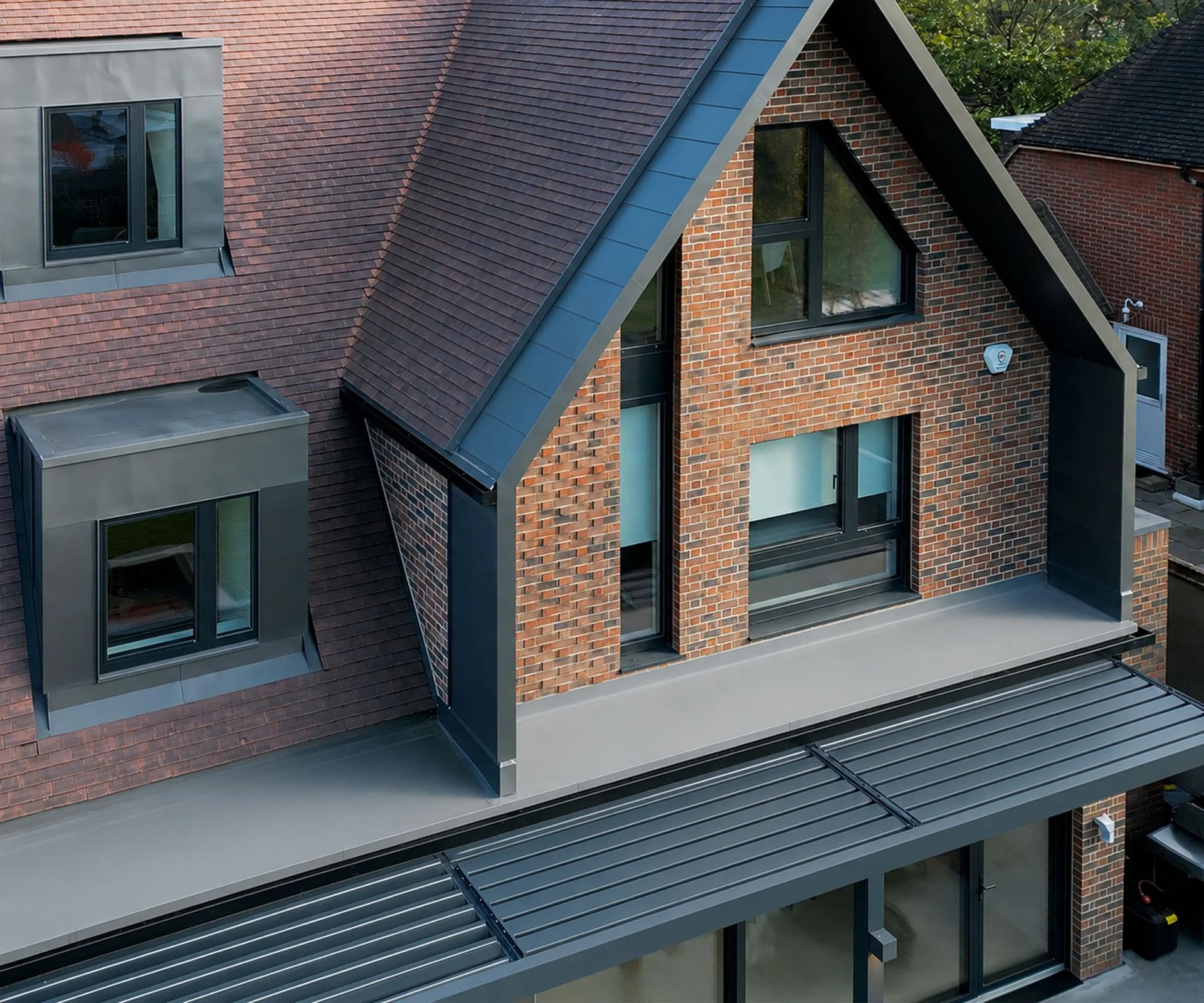
It’s critical to remember that brise soleil is not a one-size-fits-all solution. The design must consider your home’s unique characteristics and orientation. The Pitched Passivhaus, designed by RDA Architecture + Interiors, exemplifies this, with a brise soleil running the full width of the house to effectively shield sliding doors from the sun while still capturing desirable solar gain when needed.
4. Industrial Charm with Metal Structures
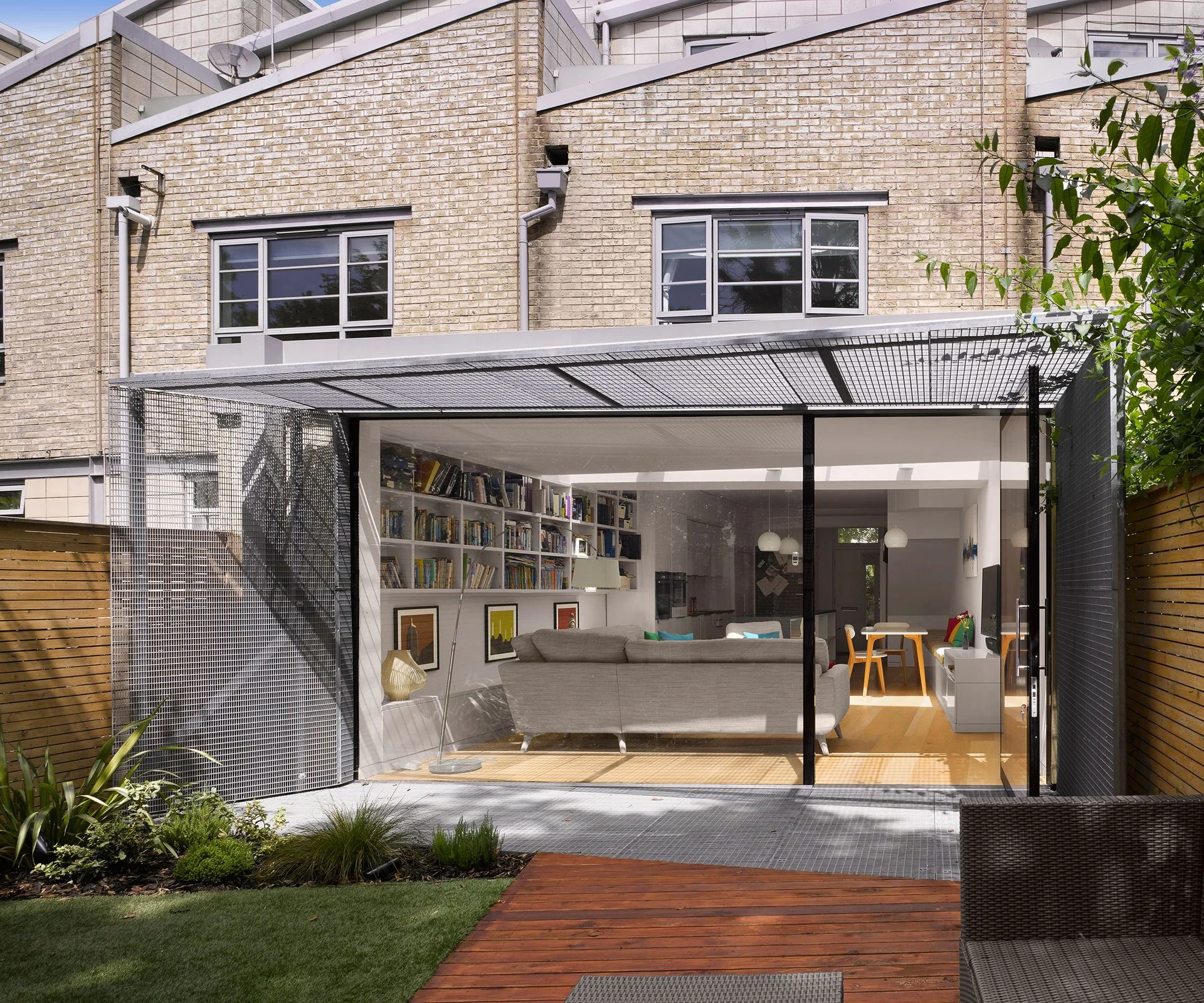
In some instances, employing a metal grid canopy not only protects from sun exposure but also echoes the structural forms of adjacent homes, delivering a cohesive aesthetic. The single-storey extension by Paul Archer Design showcases this technique beautifully, creating a captivating interplay of light and shadow as sunlight cascades through.
5. Embrace Unique Grid Patterns
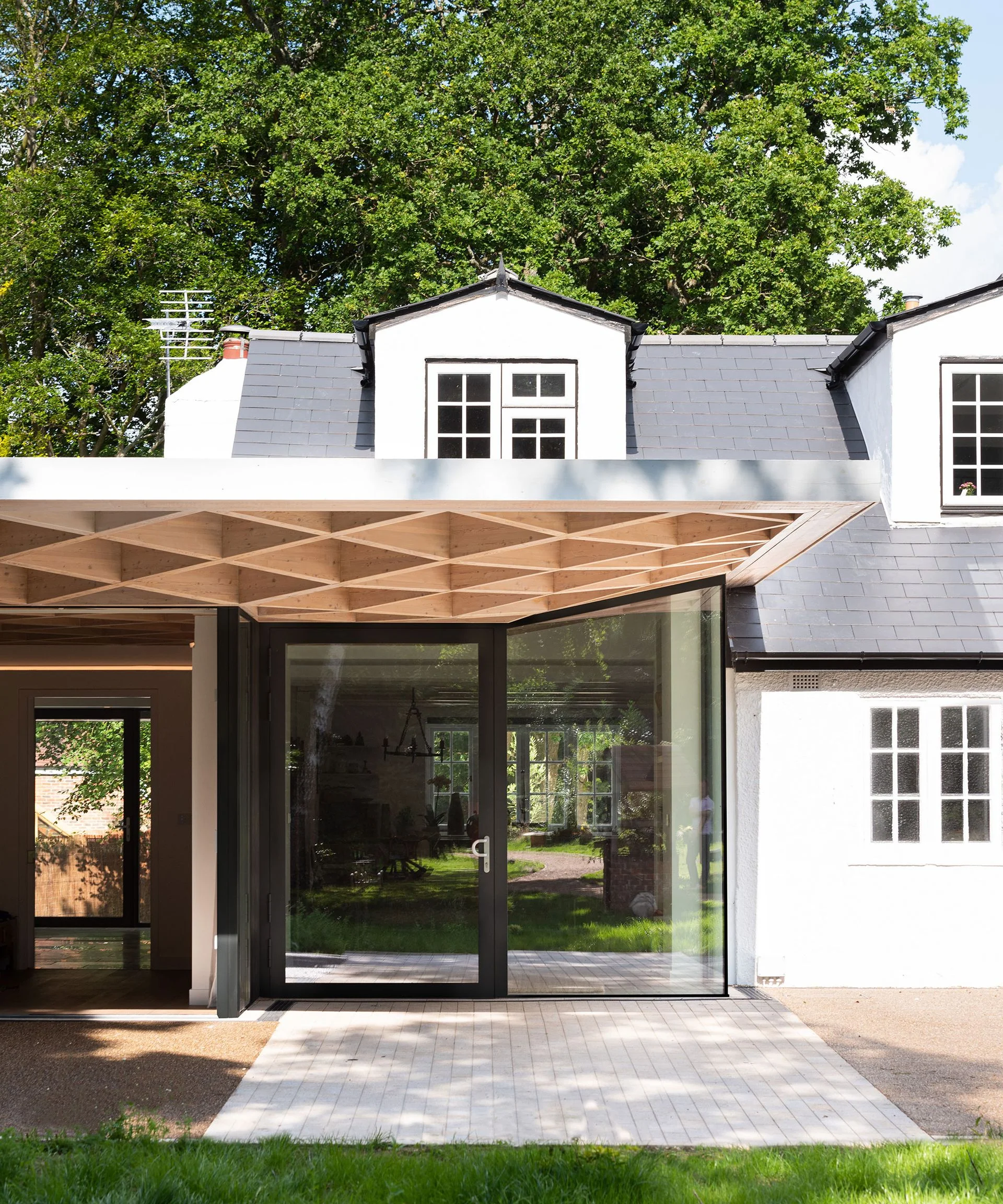
Exploring various designs, such as a free-spanning timber canopy with a ‘diagrid’ structure, can make your brise soleil both functional and visually striking. This design not only provides shade but also fosters an inviting outdoor living space that can withstand unpredictable weather.
6. Vertical vs. Horizontal Brise Soleil
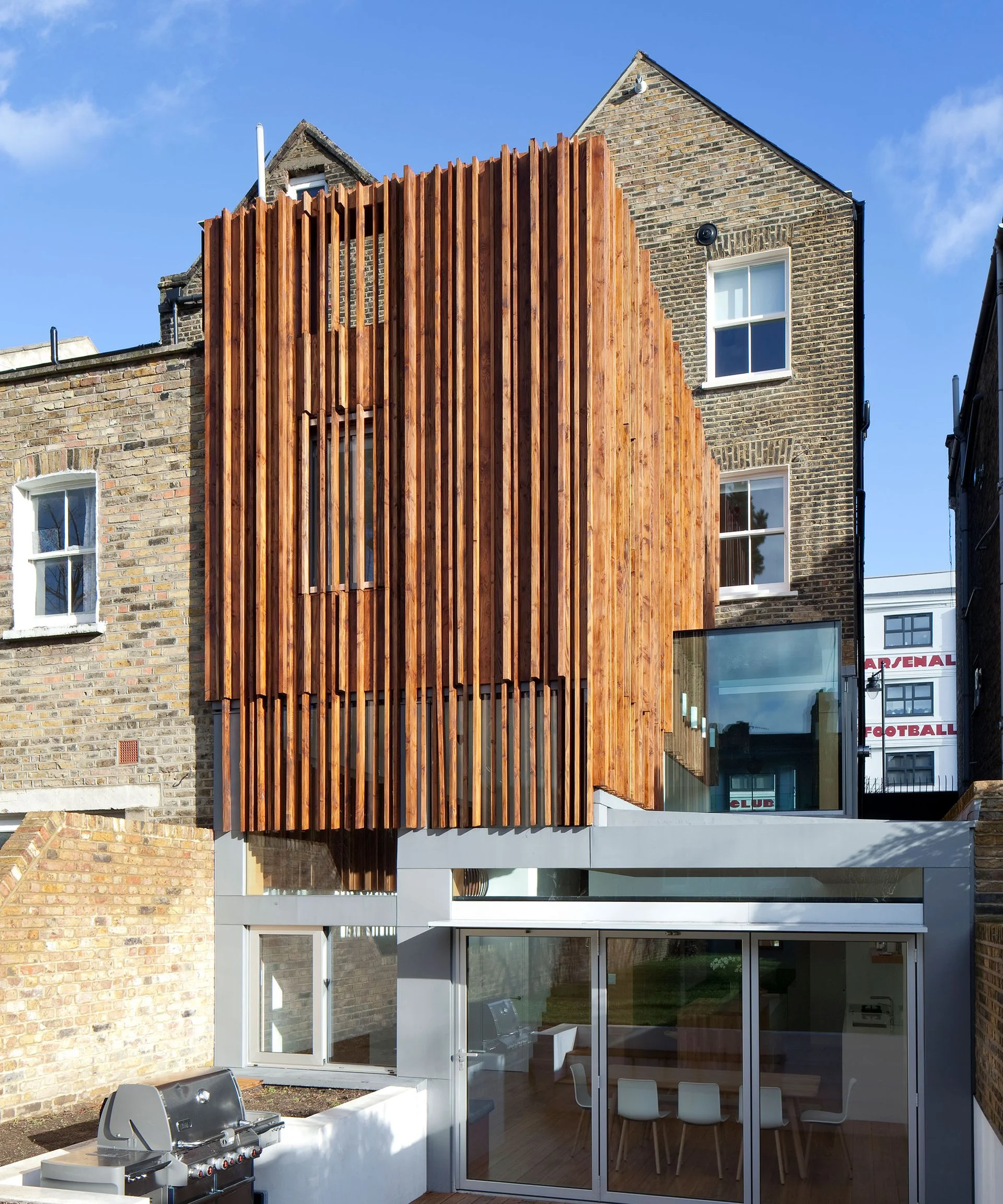
Depending on your building's configuration, opting for vertical brise soleil may yield better results. These structures allow light to filter through while minimizing heat absorption, plus they’re visually captivating, casting intricate shadows throughout the day. A two-storey extension from Paul Archer Design incorporates vertical louvres crafted from Douglas fir, designed to harmonize with the building while providing essential shading.
7. Integrate Brise Soleil into Your Pergola Design
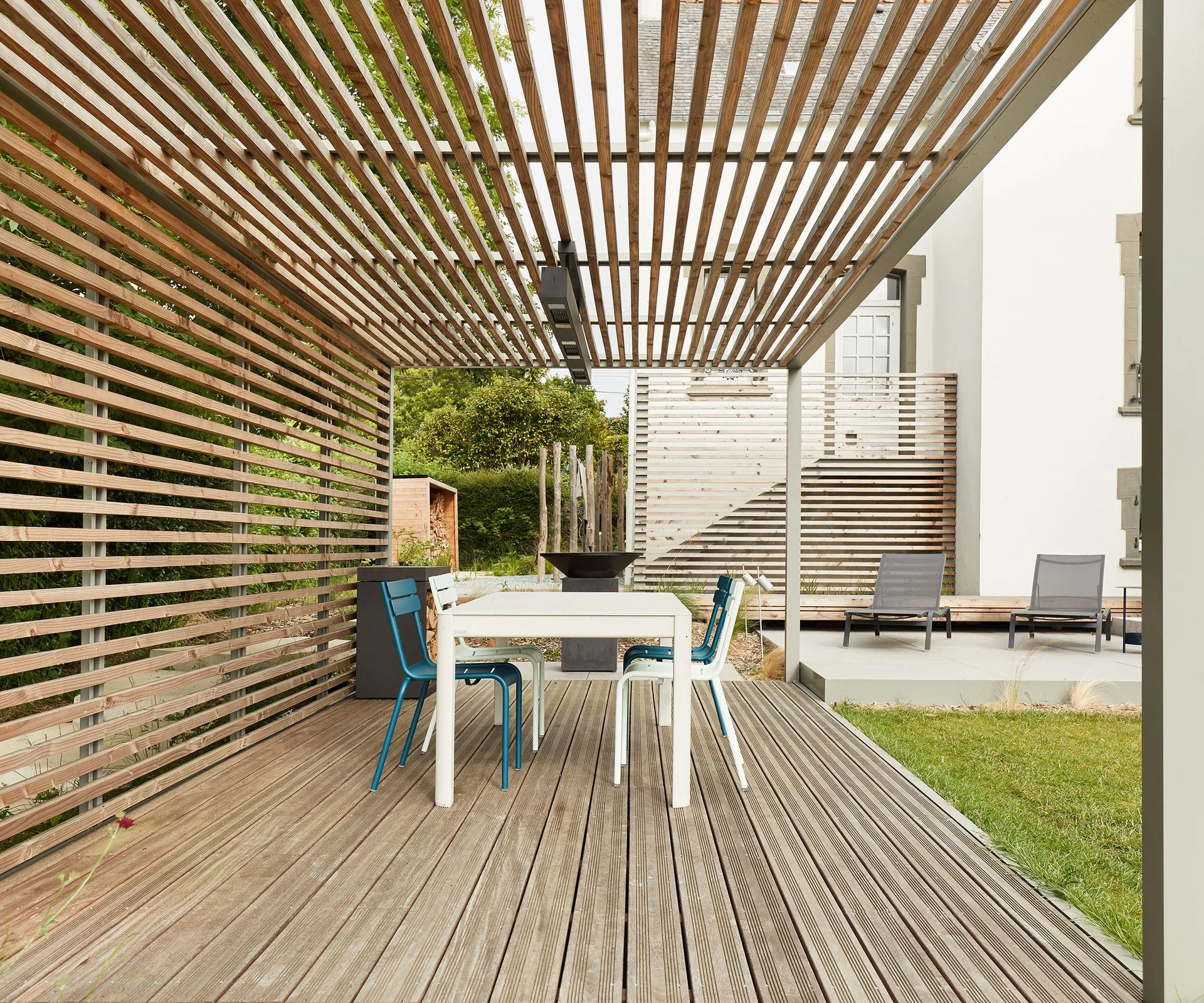
Extending the application of brise soleil to garden structures such as pergolas is another way to maximize outdoor enjoyment. This approach ensures a harmonious blend with adjacent properties while crafting an inviting atmosphere, perfect for outdoor dining.
8. Perfect Your Balcony Experience with Shade
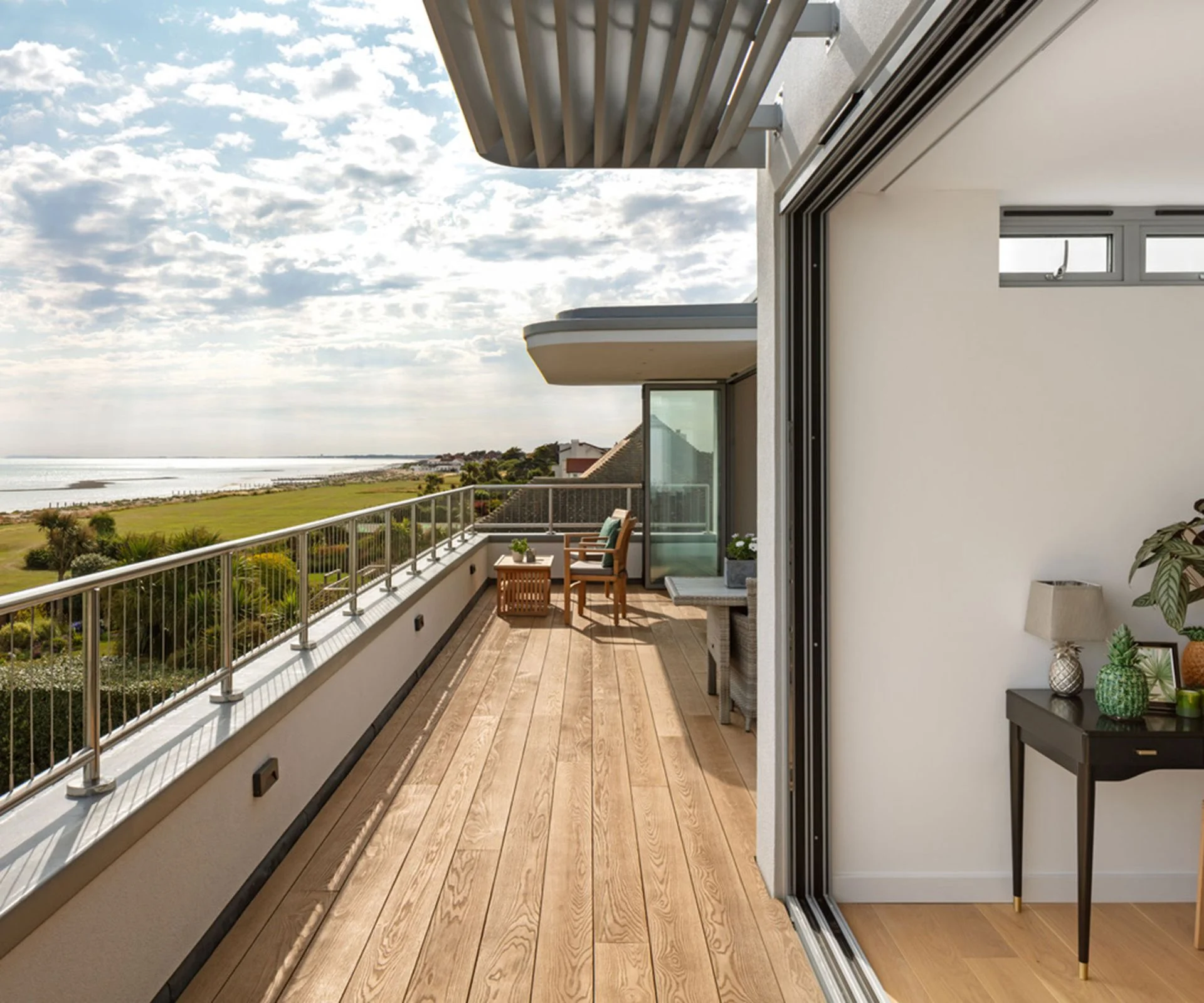
Balconies serve as excellent retreat spaces, but harsh sunlight can limit their enjoyment. James Munro from Pace Architecture recognizes this challenge, stating, "Our brise soleil design on the upper floor controls solar gain effectively, ensuring comfortable temperatures without mechanical intervention." He emphasizes the necessity of a thorough understanding of a structure's orientation and building physics, especially as larger windows become more common. This holistic perspective is critical in successfully mitigating not just heat loss, but also excess heat gain.
9. Cover Your Patio with a Full-Width Brise Soleil
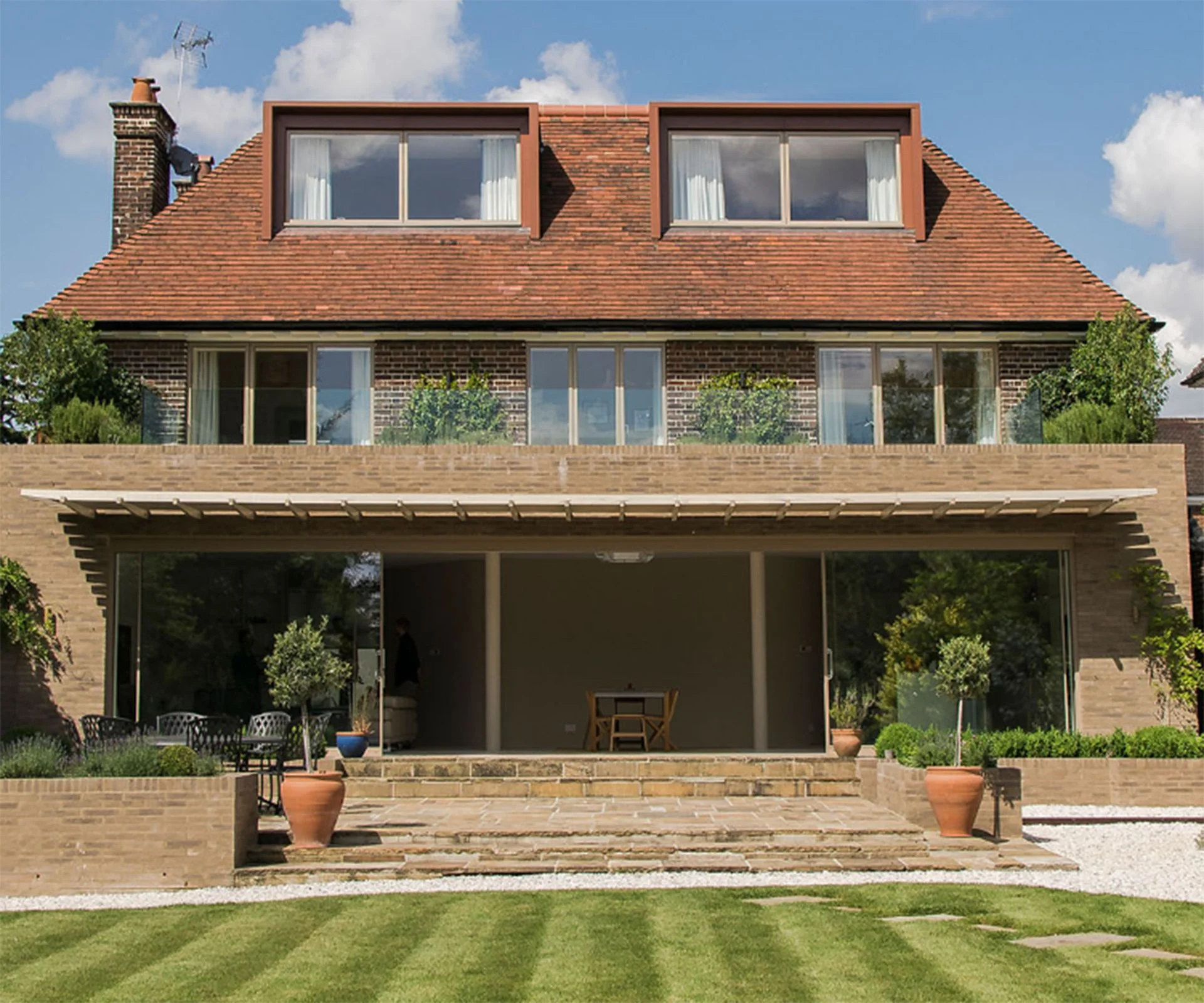
If your home features large glazing, implementing a full-width brise soleil can effectively shield both the patio and interiors from excessive heat. The extension designed by Jeff Kahane + Associates expertly employs custom louvres crafted from stainless steel clad in Accoya timber to provide seamless protection throughout the day.
10. Employ Lightweight Timber Structures Judiciously
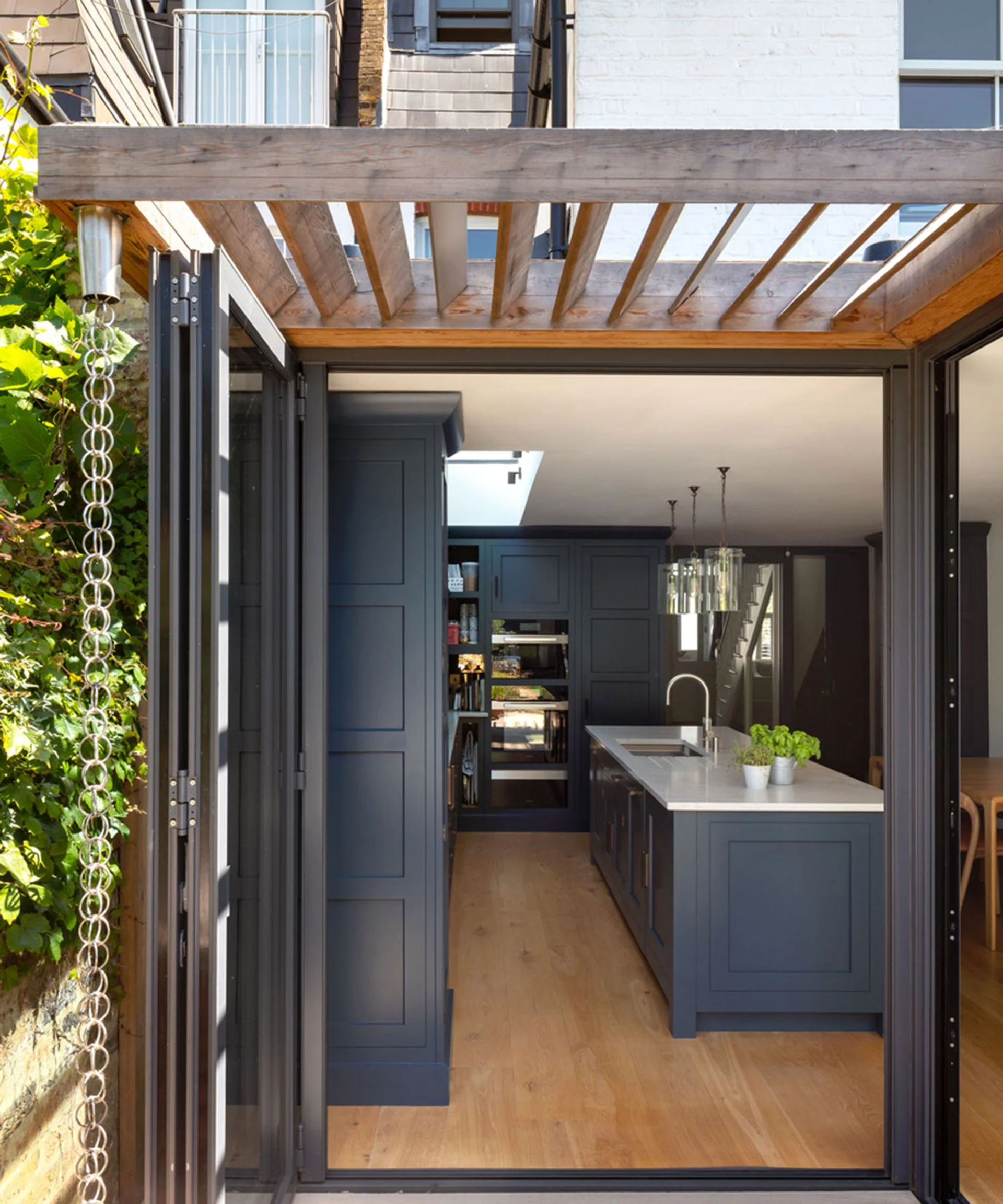
Brise soleil doesn’t have to dominate; sometimes subtlety is key. In one kitchen extension, designed by Pace Architecture, a cleverly angled louvre structure keeps harsh sunlight at bay while complementing the home's modern features. This thoughtful design ensures comfort without compromising on aesthetics, blending seamlessly with the existing elements of the property.
FAQs
Can You Retrofit Brise Soleil?
Although brise soleil is commonly integrated into the initial design, it can sometimes be added later as needs arise. Off-the-shelf options are available for fitting onto existing structures, but it’s essential to consider the load-bearing capacity of your walls. Lightweight aluminum designs are usually suitable for most homes. However, architect David Tigg warns to verify local regulations regarding retrofitting: "Brise soleil can indeed be added afterward, but ensuring compliance with planning permissions is vital."
The benefits of using brise soleil extend beyond just managing overheating. When installing, home designers should consider the best types of glass and architectural glazing to achieve optimal energy efficiency.
Discussion
Sign in to join the discussion.