The introduction of grey belt land offers unprecedented opportunities for self-builders, allowing access to previously restricted areas within traditional green belts.
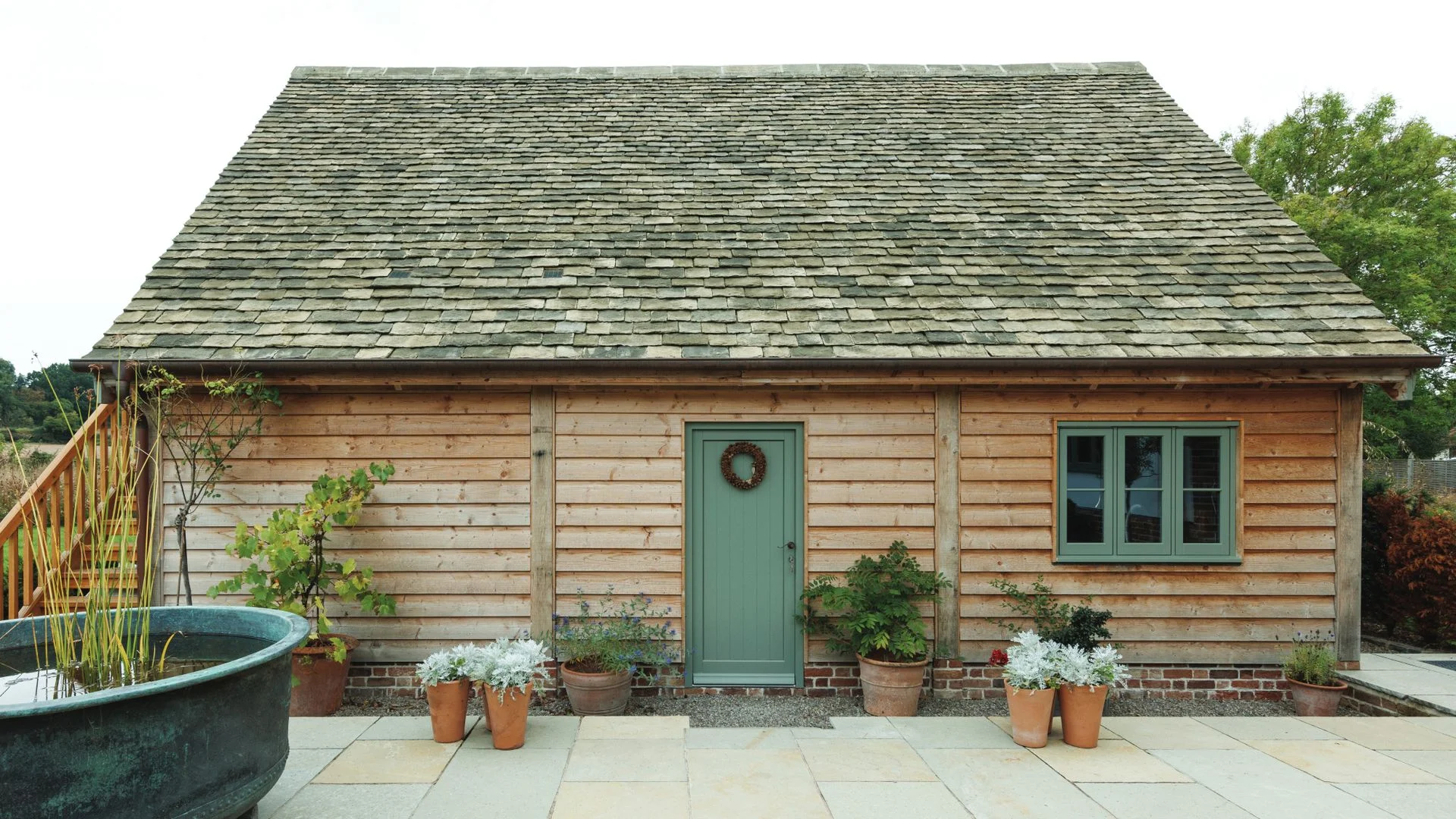
For years, self-builders and property developers have regarded green belts as an unyielding barrier, maintaining stringent restrictions for new housing developments. This boundary, intended to limit urban sprawl, requires a proposal to demonstrate ‘Very Special Circumstances’ to gain approval—hurdles that often feel insurmountable to most. However, recent government planning reforms have ushered in a new classification: grey belt land, reminiscent of a shake-up in British planning laws that has opened doors to self-build opportunities not seen in decades.
Understanding Grey Belt Land
The surge of interest surrounding grey belt land over the past 18 months has sparked a wave of inquiries from landowners eager to determine whether their property qualifies. It’s important to clarify that the grey belt does not correspond to a geographic area or map; instead, it’s a legal designation derived from the updated National Planning Policy Framework. This category targets underutilized or neglected plots within green belts, aiming to facilitate the construction of high-quality homes under specific guidelines.
Identifying grey belt land involves understanding these legal definitions. The grey belt encompasses previously developed or brownfield sites—essentially land that has been altered by human activity—alongside other parcels that do not significantly contribute to the aims of safeguarding the green belt. Knowledge of these criteria can empower self-builders to pursue permissions on land that had been previously deemed off-limits.
Criteria for Grey Belt Classification
To effectively leverage this newly defined land category, one must hone in on how it’s legislatively characterized. Under the revised policy, grey belt land must not fulfill certain core green belt objectives, which include preventing urban sprawl, maintaining separation between towns, and preserving the character of historical areas. Notably, a key criterion absent from the exemption list is the preservation of rural countryside, allowing parcels of land that are enclosed or lesser in ecological value to qualify as grey belt.
This distinction is key; in the past, applications could be denied under vague claims of countryside encroachment. Now opportunities open up for self-builders, particularly where land is overgrazed or degraded. It’s vital to recognize that a plot’s visual appeal does not equate to its eligibility. Instead, assessments should hinge on how the land interacts with its surroundings and the broader green belt framework.
Evaluating Potential Grey Belt Sites
When evaluating potential grey belt plots, there are specific factors to consider. The physical condition of the land and its surroundings must be thoroughly assessed. True brownfield sites like abandoned commercial properties represent low-hanging fruit, likely to receive prioritization for development under the new rules. However, lands on the periphery, such as dilapidated paddocks or wastelands bordered by residential areas, could also be viable candidates.
Understanding a site's proximity to smaller villages is equally essential. New guidance clarifies that smaller settlements do not fall under the classification of ‘large built-up areas,’ paving the way for developments right at their edges. Additionally, it is crucial to evaluate environmental and heritage constraints since sites within protected areas will not benefit from grey belt classification, underscoring the importance of thorough preliminary research.
Building a Case for Development
If a site passes the rigorous assessment, the next step involves framing a compelling argument for development based on the legal stipulations of grey belt land. A primary strategy is to clearly outline unmet housing needs in the local authority area. This entails investigating whether the local council can demonstrate a sufficient five-year housing supply; if they can’t, a self-builder can argue that their proposal contributes positively without compromising the critical functions of the surrounding green belt.
One success story illustrated this approach, where a couple, after facing repeated failures to secure permission previously, leveraged the new policy framework to push through their application for a degraded paddock. By showcasing the site’s disconnection from broader green belt objectives and highlighting the local council’s housing deficits, they successfully navigated a previously impenetrable barrier.
Design Considerations for Success
Navigating the complexities of grey belt land does not stop at securing initial approval; the design of the proposed dwelling is equally vital. Planning authorities often impose heightened scrutiny on architectural proposals in grey belt settings to ensure they do not visually intrude upon the existing landscape. Thus, an individualized and thoughtful design is critical for approval.
An effective architectural strategy for grey belt development should consider aesthetics that align with local styles and environmental sustainability. Using quality materials and smart landscaping, such as integrating native plants and enhancing biodiversity, can strengthen an application. A well-conceived design not only serves the self-builder’s vision but also addresses the council’s objectives of maintaining visual harmony and ecological integrity.
Taking advantage of the grey belt represents an unprecedented opening for self-builders ready to navigate the evolving landscape of planning. As local councils begin to adapt to the new planning framework, timing is crucial. Engaging with a professional planning consultant can provide essential support, offering insights into identifying suitable sites and crafting persuasive applications in compliance with the latest regulations.
Investing in these efforts can transform overlooked, underused spaces into carefully designed homes, enriching both personal aspirations and the local community. With strategic planning and thoughtful design, self-builders have the opportunity to breathe new life into grey belt areas, redefining how we view and utilize land within these historically constricted zones.



Discussion
Sign in to join the discussion.