Discover expert-backed tips for swiftly removing and preventing flea infestations from your home and pets.

Fleas rank among the top household pests in the UK, sneaking into homes via pets, secondhand items, or even hitching a ride on humans. Once inside, they're notorious for spreading throughout the house, potentially hiding in pets’ fur, bedding, rugs, and furniture, making elimination a challenge.
If your pet seems particularly restless or you spot small, dark specks leaping across your carpets, it’s time to take action. To help you tackle this issue effectively, I’ve consulted with leading pest control experts who provide insights into identifying flea infestations, effective removal methods, and precautions to prevent their return.
How to Eradicate Fleas in Your Home
1. Treat Your Pets with Veterinary-Recommended Flea Treatments
Begin by applying a vet-approved flea treatment to all pets in your household, advises Daniel Steward, Managing Director at Shield Pest Control. This initial step addresses the problem right at its source.
2. Vacuum Thoroughly and Regularly
To physically remove adult fleas, their eggs, and larvae, Daniel recommends vacuuming your home multiple times a week. Focus on carpets, underneath furniture, and skirting boards. Don’t forget your car seats, too. After vacuuming, empty the vacuum cleaner immediately.
Interestingly, the vacuum's vibrations can stimulate flea pupae to emerge from their cocoons, increasing their exposure to flea treatments once they sense a host nearby.
3. Wash Household Fabrics
To eliminate any remaining flea eggs, wash your bedding, cushion covers, throws, and pet bedding at 60°C. As Daniel shares, most fleas won’t survive a hot washing cycle, but water temperature matters. Lower temperatures can allow some adult fleas and eggs to survive, given their surprising resilience to water for a short period of time.
Product Recommendations for Flea Control
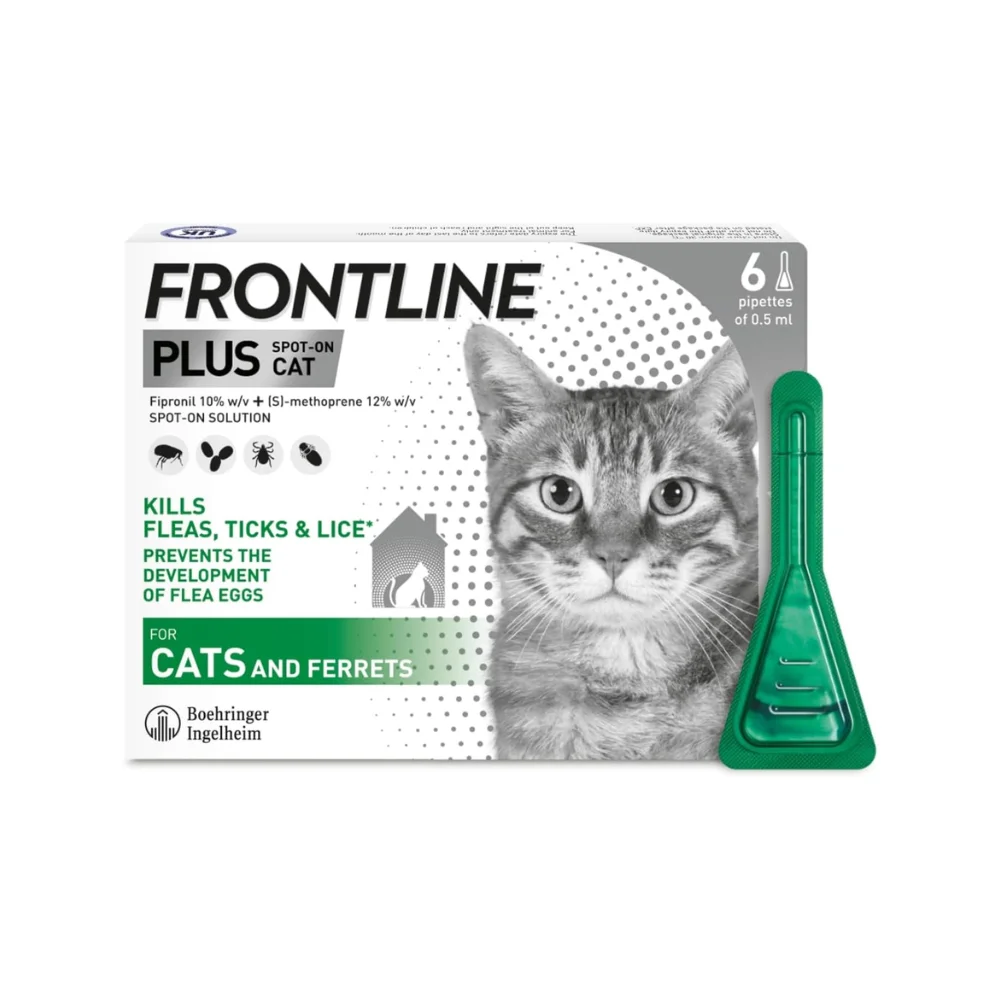 For cats
This highly-rated treatment eradicates fleas and their eggs in just 24 hours.
Identifying Flea Infestations
If you're uncertain about having fleas, Tony King, owner of The Pied Piper, advises watching for the following signs:
- Small itchy bites on humans or pets, particularly around the ankles and lower legs
- Pets exhibiting increased scratching, licking, or biting at their skin
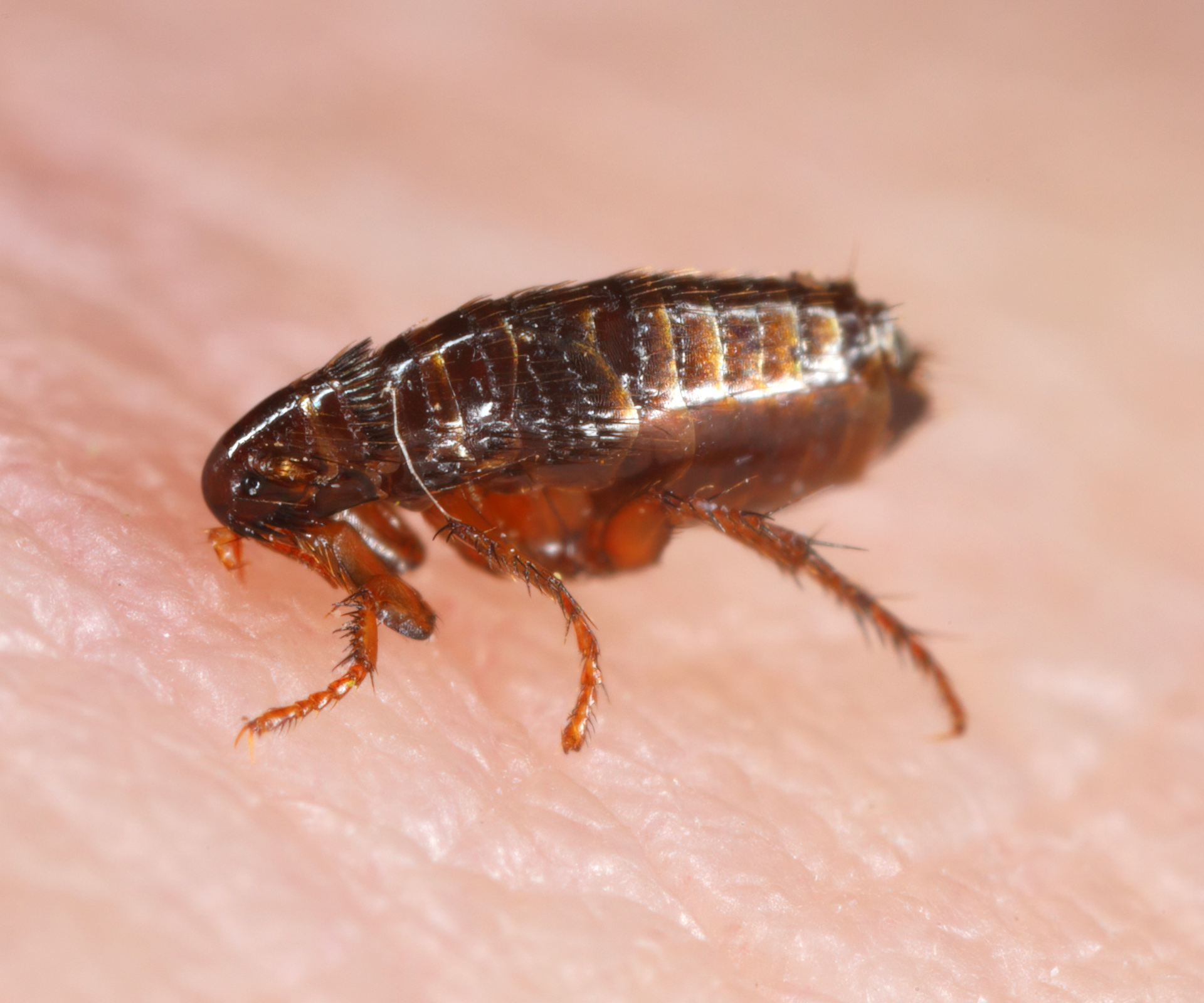
- Evidence of adult fleas or "flea dirt" (small dark specks) in pet bedding, carpets, or furniture. Testing this debris on a damp white paper towel may reveal reddish-brown stains, indicating flea feces.
Preventing Future Infestations
After addressing an infestation, it's crucial to prevent it from recurring. Tony suggests ensuring all pets continually receive vet-approved flea treatments and maintaining a clean home.
This involves regular vacuuming, washing pet bedding, and deterring wildlife or stray animals access to your premises, as they can also introduce fleas into your living space. Always clean secondhand furniture and clothes before bringing them inside as another preventive measure.
Frequently Asked Questions
Is Living with Fleas Safe?
While having fleas in your home isn’t ideal, Darren Backhouse, a partner at MJ Backhouse Pest Control, assures that it’s generally safe to be indoors. However, Tony King warns that flea saliva might cause severe itching or allergic reactions in some individuals, though fleas cannot survive on human skin or hair.
How Quickly Can Fleas Infest a Home?
Fleas can invade homes surprisingly fast. Daniel Steward indicates that a female flea, after a meal, can start laying eggs within a couple of days, with each capable of producing up to 50 eggs per day. Under ideal conditions, the lifecycle from egg to adult can be completed in as little as two weeks.
For serious infestations, consulting pest control professionals may be necessary, as the standard removal methods might not suffice.
For additional expert advice, consider our guides on creating a pet-friendly environment and eliminating carpet moths.


Discussion
Sign in to join the discussion.