Anbernic's RG DDS merges retro design with modern specs, featuring dual IPS screens and Snapdragon power for an enhanced gaming experience.
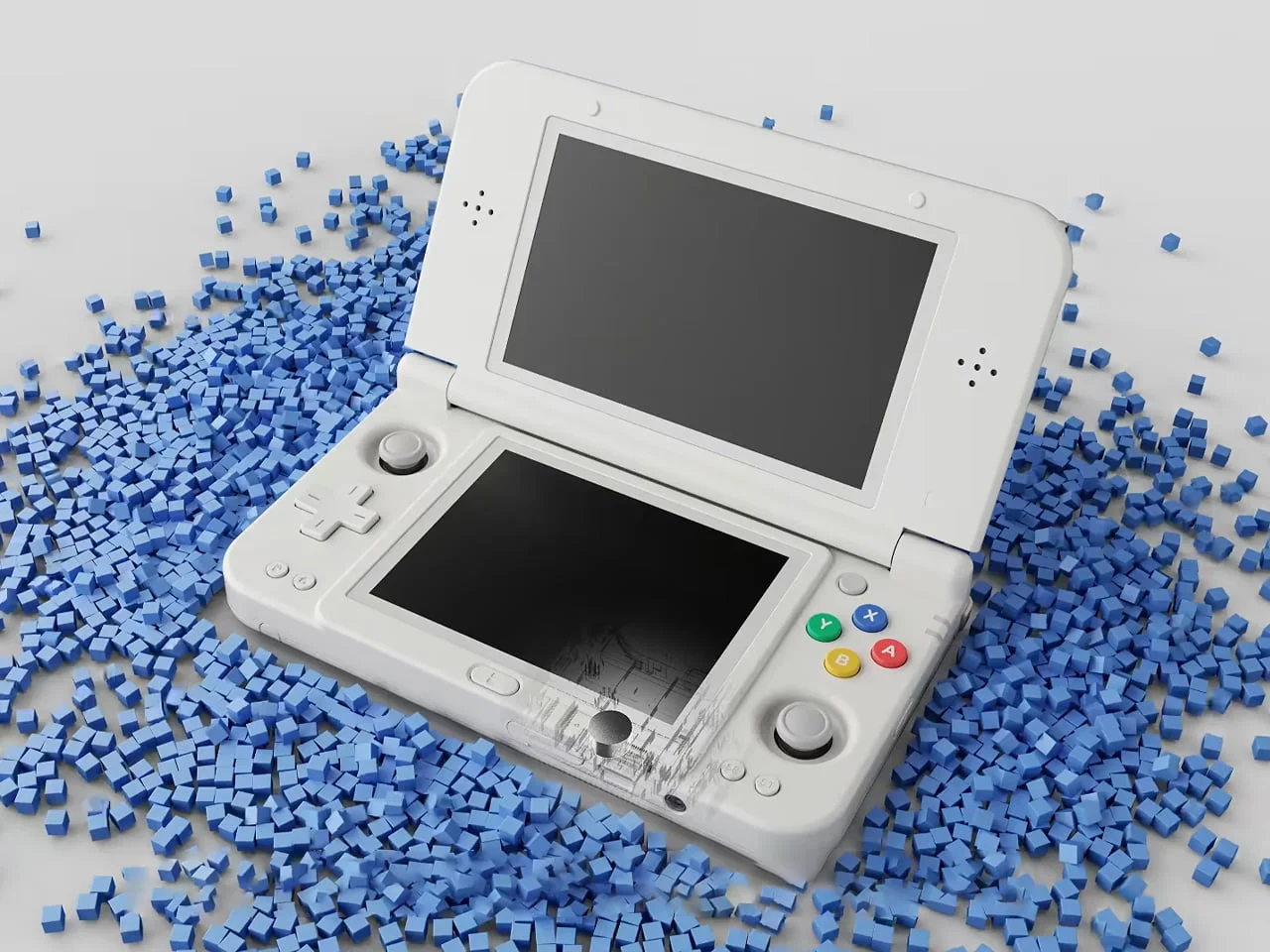
Anbernic is reimagining the handheld gaming experience with its latest release, the RG DDS (Dream Dual-Screen). Drawing from the beloved Nintendo New 3DS design, this device combines a nostalgic aesthetic with advanced hardware capabilities, positioning itself as a key player for retro gaming enthusiasts. The RG DDS isn't just another entry in a crowded market; it represents a deeper trend toward blending classic game experiences with modern technology, appealing to both nostalgic players and new fans alike.
Display Features
The RG DDS is equipped with two custom IPS displays, offering a 4.7-inch top screen and a slightly smaller 4-inch bottom screen. The top screen boasts a resolution of 1200 × 720 with a 5:3 aspect ratio, while the bottom display features 960 × 720 pixels in a 4:3 format. With a pixel density of 300 PPI and peak brightness hitting 500 nits, these screens are designed to elevate the visual experience. This high level of display capability is vital for modern portable devices, where screen clarity can make a significant difference in gameplay immersion. Notably, the RG DDS can run Nintendo 3DS games with 3x integer scaling, enhancing graphics without distorting the original game's dimensions. This feature of scaling is often overlooked by consumers, but it provides an essential bridge for players who want to enjoy retro games with a visual upgrade.
Power and Performance
Internally, the RG DDS is powered by Qualcomm's Snapdragon G2 Gen 2 processor, an octa-core chip that increases performance significantly compared to its predecessors. This is critical, as performance issues can be a dealbreaker for handheld devices; sluggishness can ruin the joy of gameplay. It pairs with an Adreno A22 GPU, similar in capability to the Adreno 735, potentially offering better handling of more demanding 3DS titles. The improvement in processing power not only promises faster game loading times but also more fluid graphics and animations. While Anbernic hasn't finalized the RAM specifications, indications point towards a minimum of 8GB, which should improve multitasking and game performance. Such a jump in RAM capacity means the RG DDS can handle running multiple applications simultaneously — a feature that gamers increasingly expect in their devices.
Design and Usability
Mirroring the New Nintendo 3DS's clamshell design, the RG DDS retains familiar elements such as rounded edges and a similar button layout while upgrading features to meet modern gaming needs. The clamshell approach remains appealing because it provides better portability and screen protection compared to conventional designs. One notable change is the introduction of a full-sized right analog stick in place of the previous C-stick. This redesign indicates Anbernic’s commitment to enhancing user experience; the full-sized stick can make a substantial difference in gameplay precision. Additionally, the device includes dual recessed thumbsticks for enhanced game compatibility, and it comes in several nostalgic colors reminiscent of past Nintendo handhelds. This color variety taps into the emotional connections players have with earlier devices, potentially drawing in both seasoned gamers and newer audiences alike.
Enhanced Interactivity
Included with the RG DDS is a retractable stylus designed for touchscreen interactions. It features a mesh tip for improved responsiveness when navigating menus and game maps. The stylus is a nod to the unique input methods of older handhelds and recognizes the importance of tactile feedback in gaming. Other enhancements include front-firing stereo speakers, a new Z-axis linear vibration motor for more immersive feedback, active cooling technology, and a substantial 6,000mAh battery. The cooling technology is especially noteworthy, as overheating has been a common issue with similarly engineered devices. Additionally, there is a dedicated AI button, though its specific functions remain unspecified. This ambiguity might cause initial hesitation among prospective buyers; yet, it raises the possibility for future software updates that could further enhance the user experience.
Dual-Screen Benefits
The dual-screen format plays a pivotal role in the RG DDS's functionality, allowing players to view both primary gameplay and supplementary interface elements simultaneously. This feature is particularly beneficial for titles in the Nintendo DS and 3DS libraries, which often require simultaneous use of the touchscreen and secondary menus. The ability to manage multiple layers of gameplay offers advantages in titles that rely on strategic navigation of interfaces, thereby enhancing the gaming experience. Given how many gamers are drawn to depth in gameplay, this dual-display setup could set the RG DDS apart from competitors that don't offer similar functionality.
Availability and Competition
While Anbernic hasn't revealed the RG DDS's pricing or release date, its specifications suggest considerable potential against competitors like the Retroid Pocket Duo and AYN Thor. The pricing, in particular, will be decisive; if it's too high, even extremely appealing features might not convince budget-conscious gamers. Ultimately, the RG DDS's value will depend on its price point, software support, and how well it performs in the hands of gamers. If you're working in this space, you know that the gaming community often prioritizes value for money, especially with nostalgia-infused products. If Anbernic can strike the right balance, they might create a strong contender in the market.
Future Outlook: Implications for Handheld Gaming
The RG DDS signals a potentially significant shift in how handheld devices cater to both nostalgia and modern gaming demands. As manufacturers like Anbernic continue to innovate, they'll likely compete aggressively not just on hardware but also on the ecosystem surrounding their products, such as game availability. Current trends suggest an increasing interest in retro titles, and devices that can deliver both access to classic libraries and contemporary performance will capture attention. This is where the RG DDS could shine — by combining the technical enhancements of modern processors with the gameplay charm of classic Nintendo games. What this means for you is a potential new favorite device that merges the past with the present in an engaging way.
Discussion
Sign in to join the discussion.