A detailed exploration of Iron Man’s arc reactor reveals its fictional science and nods to real-world fusion technology.
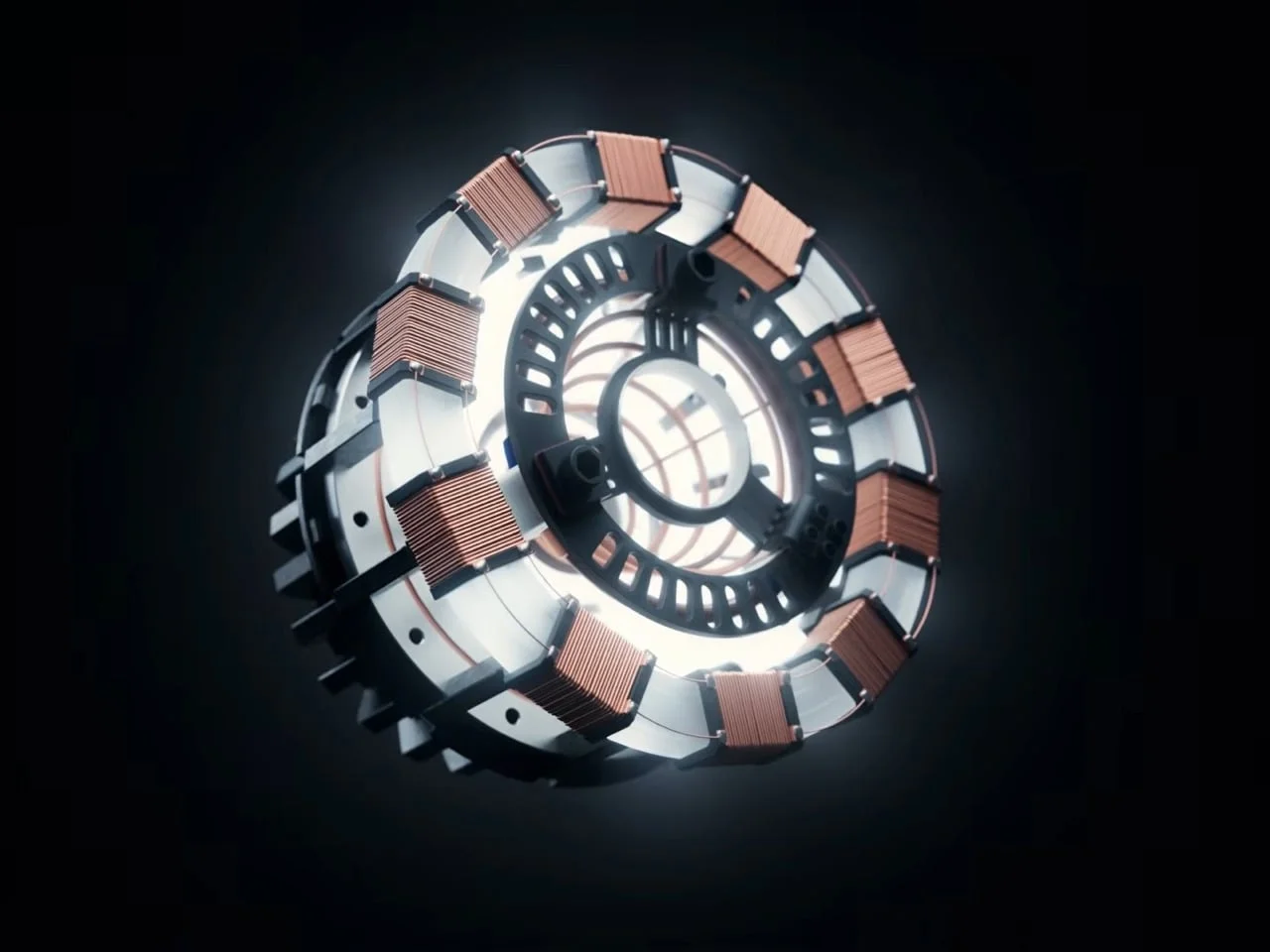
With Robert Downey Jr. reprising his role in the MCU as Doctor Doom in the upcoming Avengers: Doomsday on December 18, there's an air of excitement around the franchise once more. Before he steps into this new role, it’s a great time to reflect on Iron Man’s iconic arc reactor that propelled the series forward. An ingeniously crafted component, this glowing chest piece has captivated audiences since 2008, and a recent video by creator Dianax dives into its intricate design.
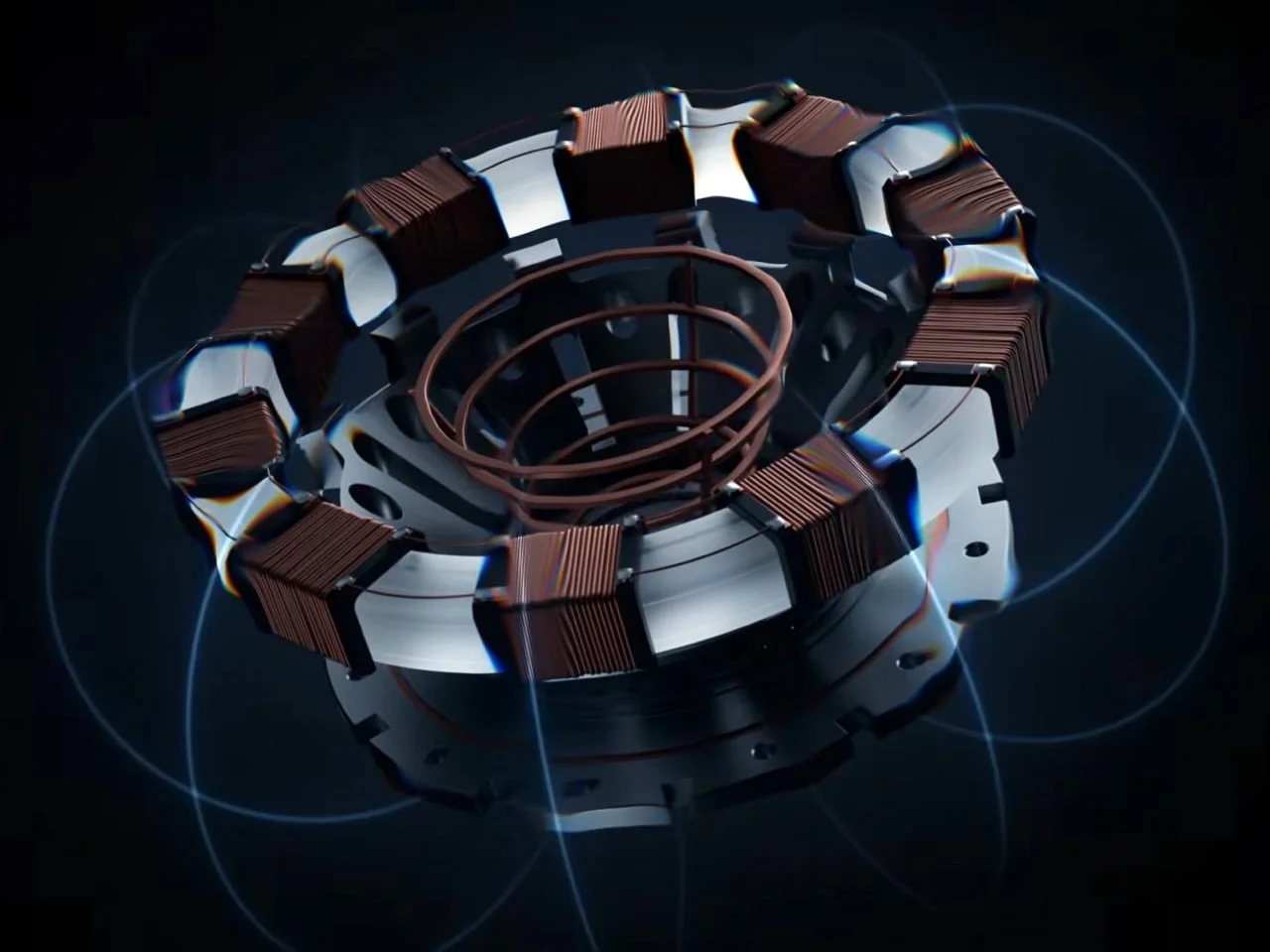
Dianax delivers an impressive 3D animated teardown of the Mark 1 reactor, presenting every detail without the assistance of AI. Viewers can appreciate how the palladium ring, deuterium feed, and a miniature cyclotron work in tandem, aided by ten magnetic coils to contain a plasma arc. While a real-life version might require impossibly large setups, the fictional portrayal is sufficiently grounded in scientific principles.
Dissecting the Mark 1 Reactor
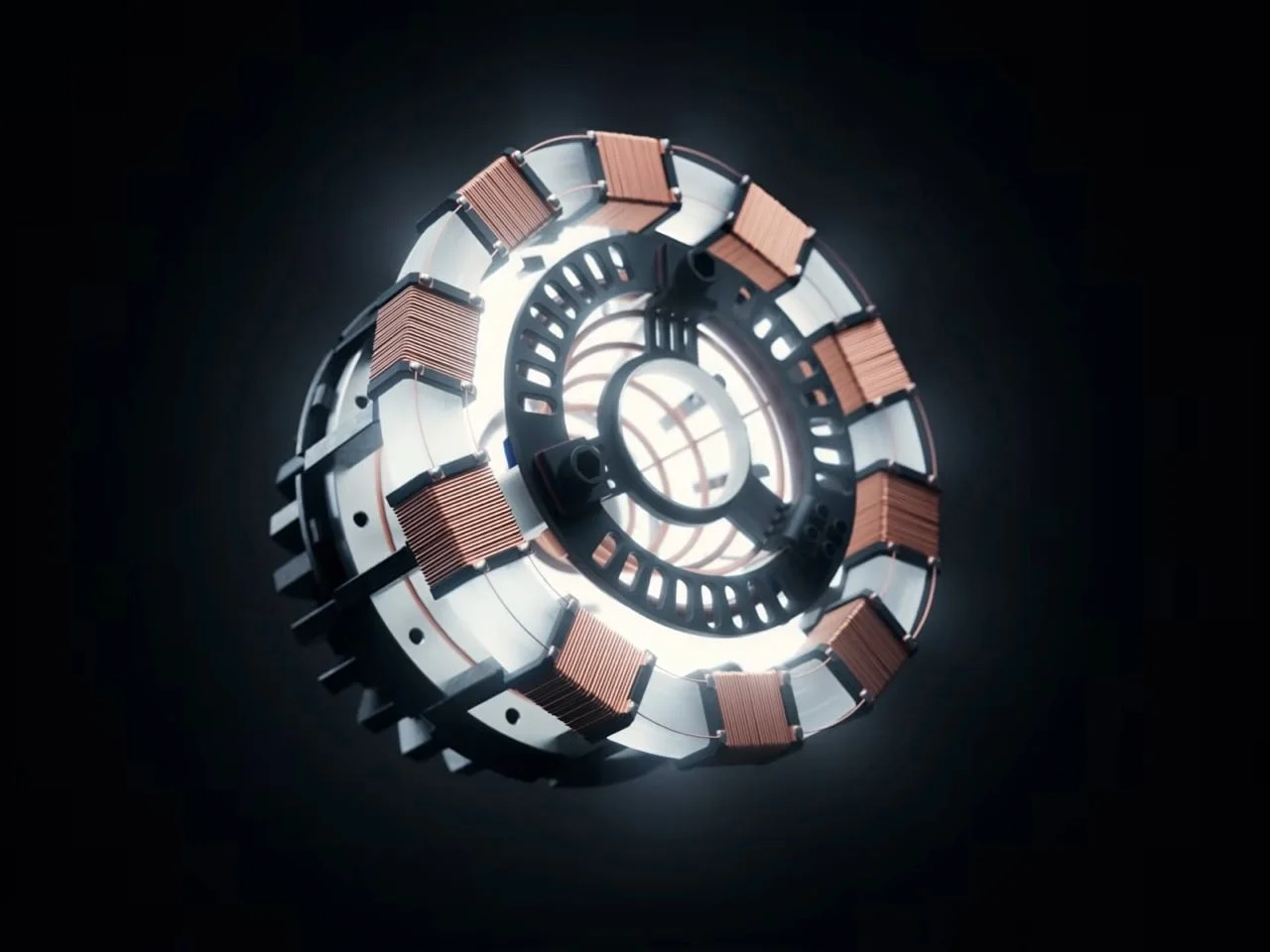
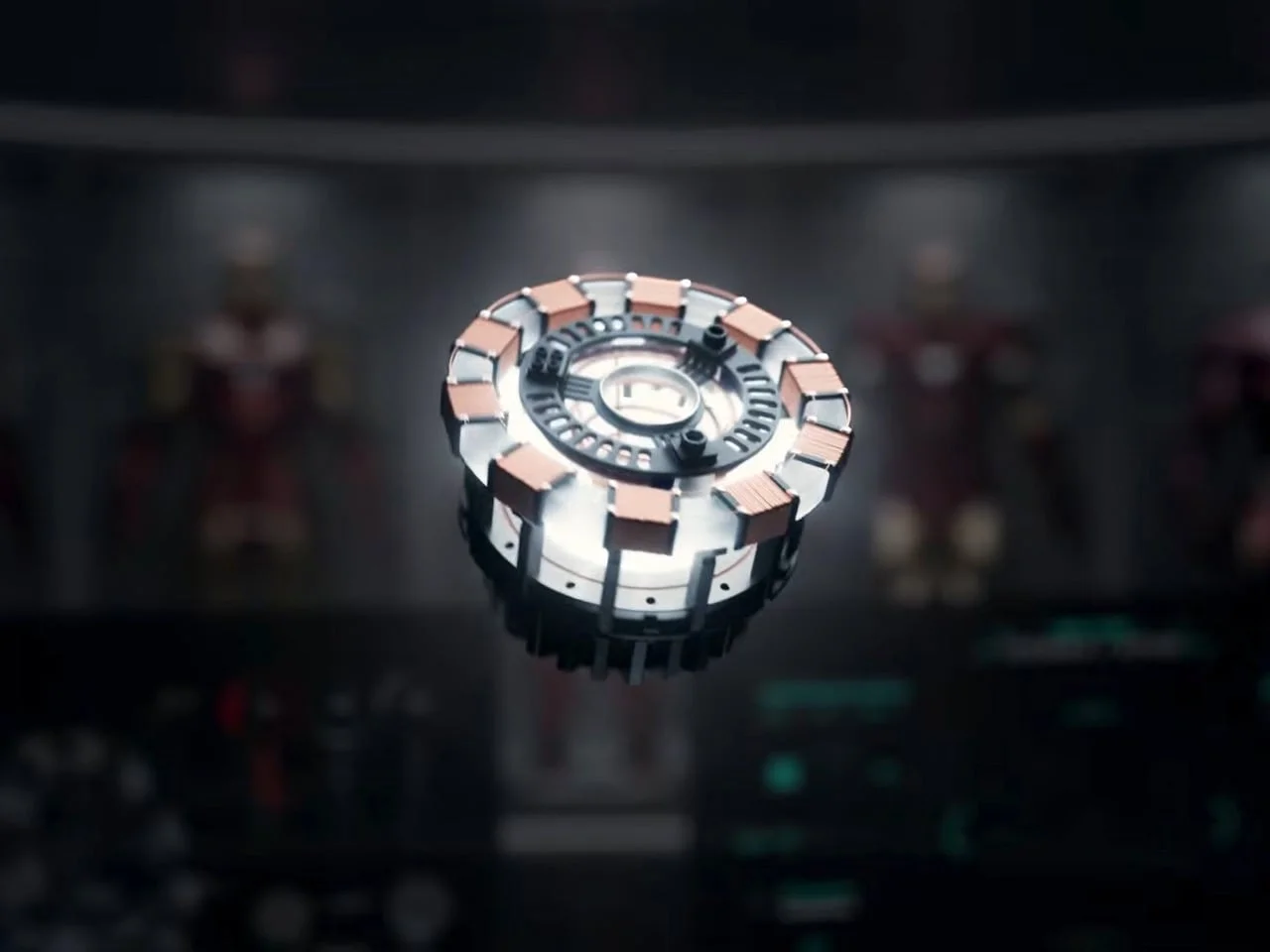
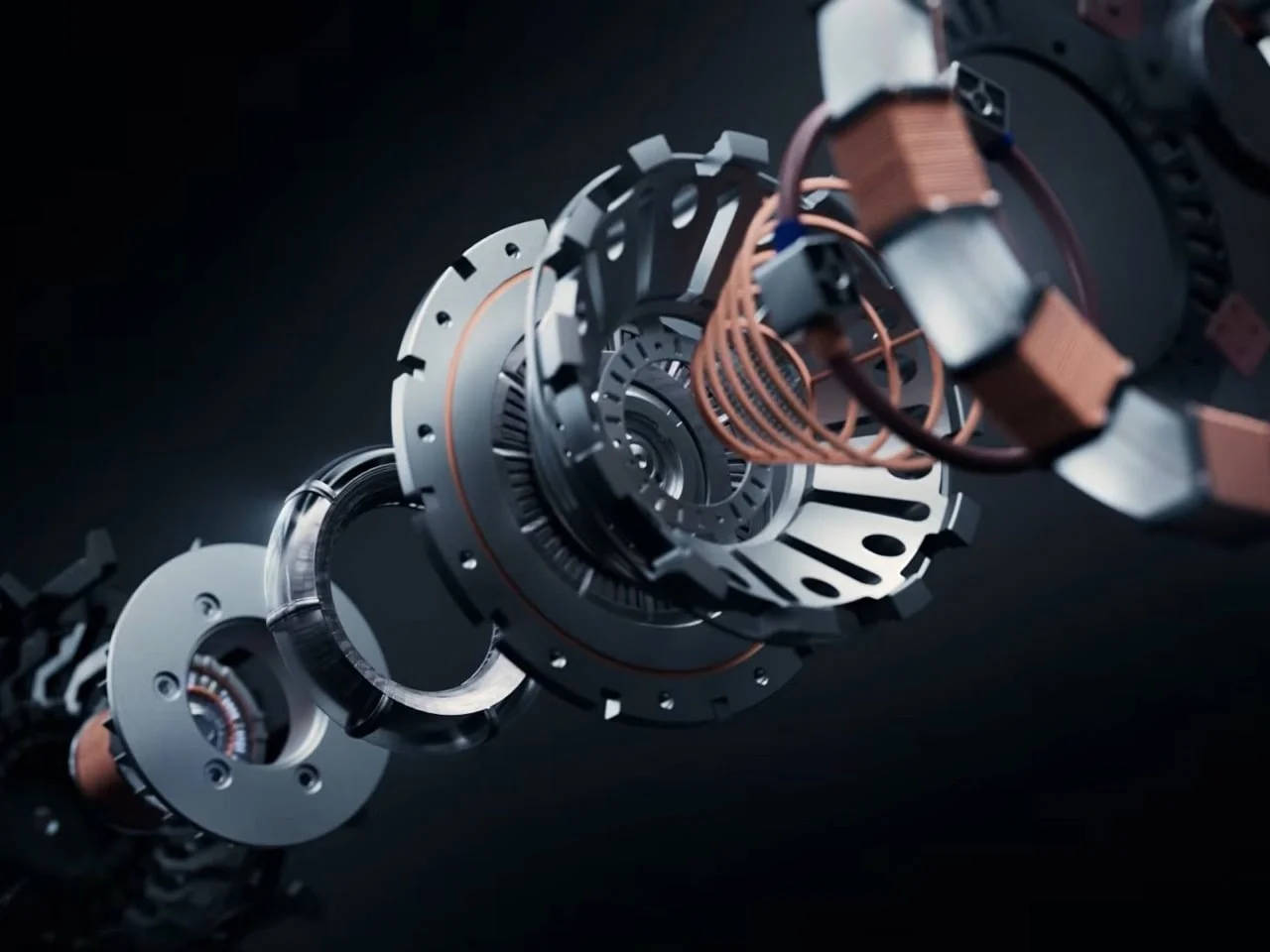
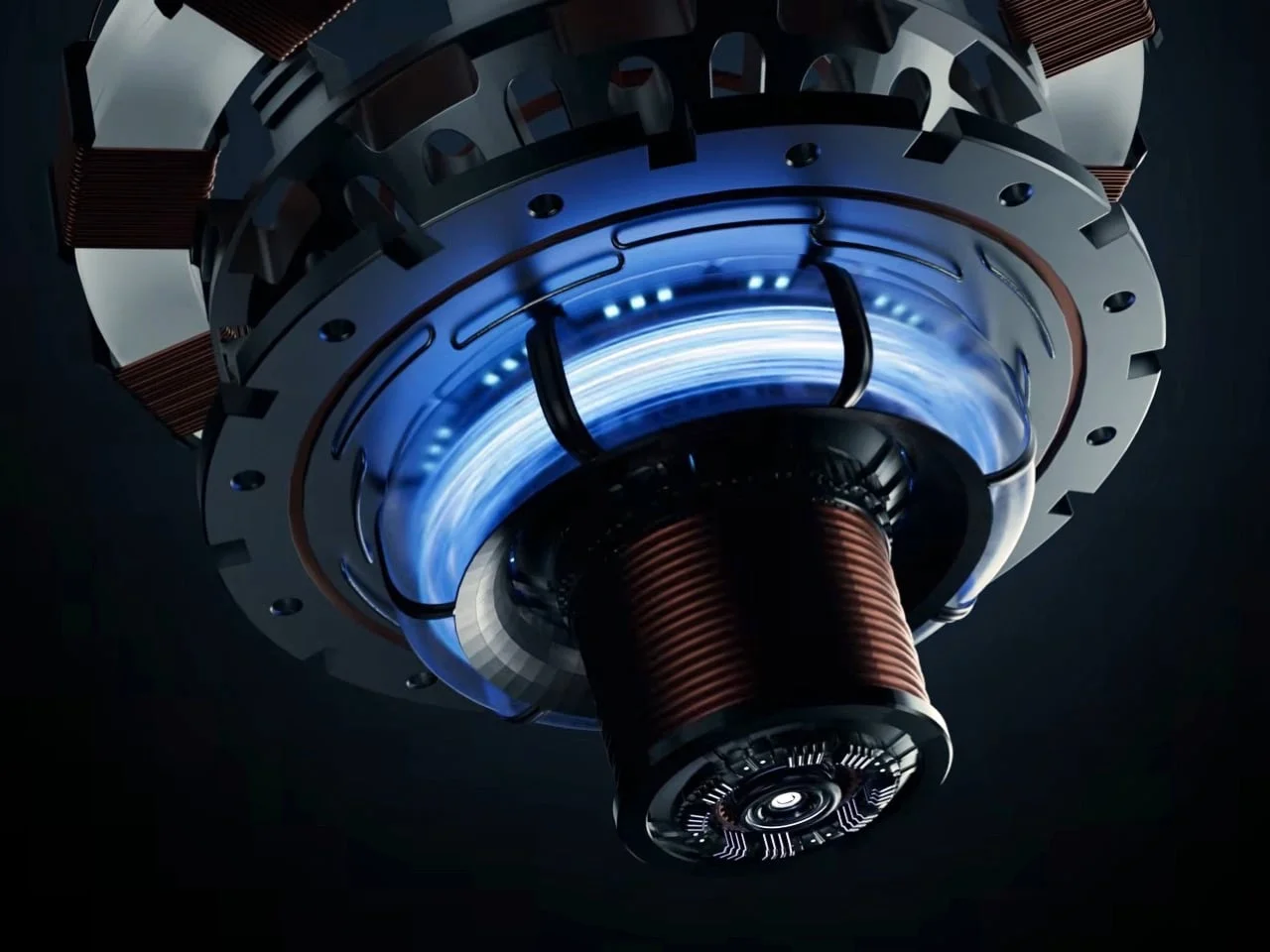
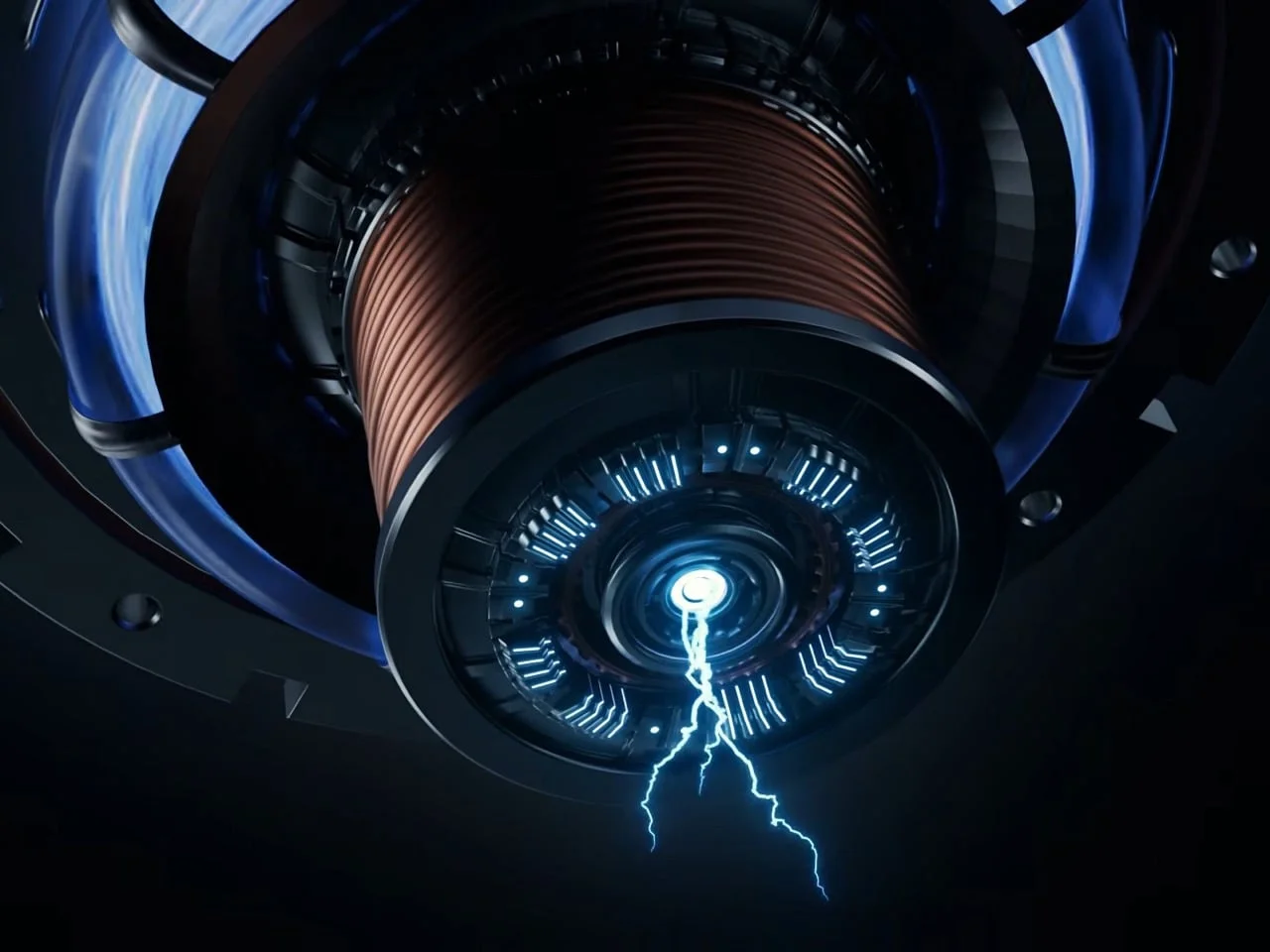
The teardown begins at the heart of the reactor — a pure palladium ring situated within the fusion chamber. Deuterium gas is introduced, and the palladium absorbs it, preparing the fuel for ignition. A miniature cyclotron acts like a pocket particle accelerator, bombarding particles at high speeds. This rapid interaction ionizes the gas, igniting plasma and initiating fusion, a process that supposedly releases energy equivalent to 1,500 pounds (680 kg) of TNT every second. This aligns cleverly with Stark's mention of generating 3 gigajoules per second, reinforcing the reactor's fictional practicality.
To keep the plasma contained, magnetic rings run along the chamber, supported by ten coils that generate a magnetic field, while an energy converter beneath transforms raw plasma into electricity without energy loss. This is essential to prevent the surrounding components from overheating, as stray plasma would pose a serious risk. The reactor’s multilayered design addresses distinct functions: fuel, ignition, containment, conversion, and cooling — each section logically built to fulfill its role.
Palladium, Fusion, and Tony’s Dilemma
The storyline touches on real scientific events, notably the claims made by electrochemists Martin Fleischmann and Stanley Pons in 1989 about achieving cold fusion with a palladium electrode and heavy water. Their assertions led to significant skepticism within the scientific community, and by late 1989, cold fusion was largely dismissed. Stark’s arc reactor could be seen as a playful nod to this historical mishap, positing that a billionaire genius might solve the puzzle of fusion when others could not. Whether deliberate or coincidental, the parallel is intriguing.
In Iron Man 2, Stark learns that his palladium core is poisoning him, with effects compounding each time he dons the suit. This dynamic not only heightens the narrative drama but also provides a tangible consequence for his otherwise remarkable invention. Stark’s solution involves creating a new element, based on his father's research, which safely replaces the palladium core. In the comics, Stark's heart-saving apparatus wasn't originally designed to be embedded; the glowing ring concept emerged later, symbolizing his dedication to creating a safer life.
The Realities of Small-Scale Fusion
In reality, tokamaks represent the closest technology to Stark's design, operating at extremes of 270 million degrees Fahrenheit (about 150 million °C), which is significantly hotter than the heart of the Sun. Containing plasma at such temperatures demands massive magnetic coils, and the entire cooling process consumes substantial amounts of water. Additionally, Stark's energy conversion mechanism, which boasts no energy loss, is a concept not yet tangible in modern energy generation methods, where the steam turbine process remains common.
A noteworthy project is Helion Energy’s Polaris prototype in Washington, designed to generate electricity directly via electromagnetic induction from expanding plasma, eliminating the steam cycle. They reported reaching significant fusion temperatures of 150 million °C, although net power results remain unverified. As of now, Polaris measures 62 feet (19 m) and certainly won’t fit into any superhero's armor, but their Orion plant—expected to launch in 2028—could represent significant progress in fusion technology. Dianax's detailed evaluation is available on YouTube and serves as a compelling lead-in to the next chapter of Downey's Marvel journey.
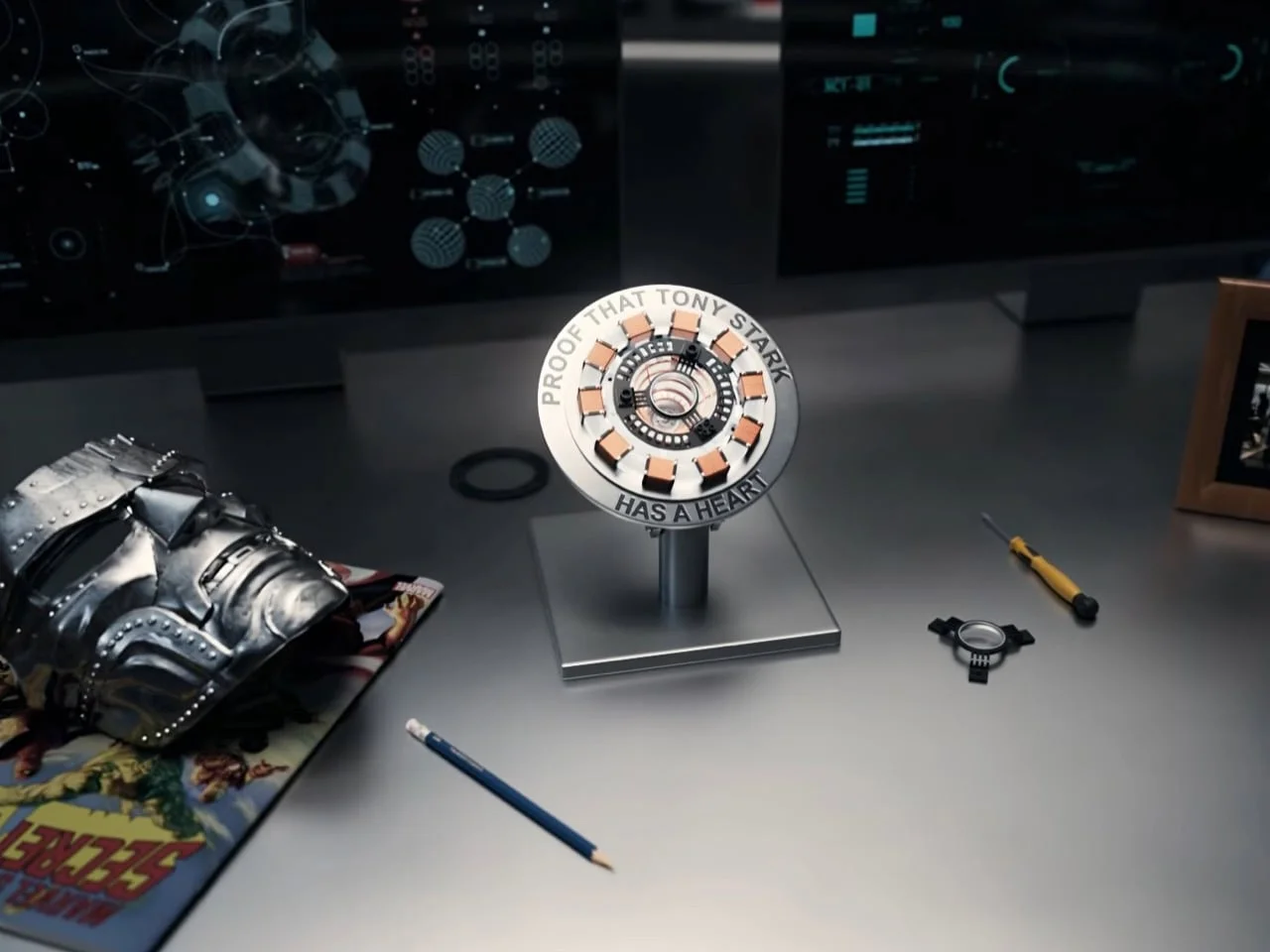
The post How Iron Man’s arc reactor works, explained part by part first appeared on Yanko Design.


Discussion
Sign in to join the discussion.