Discover how powder coating can revitalize your radiators, enhance your interior design, and offer a durable, cost-effective alternative to traditional painting.
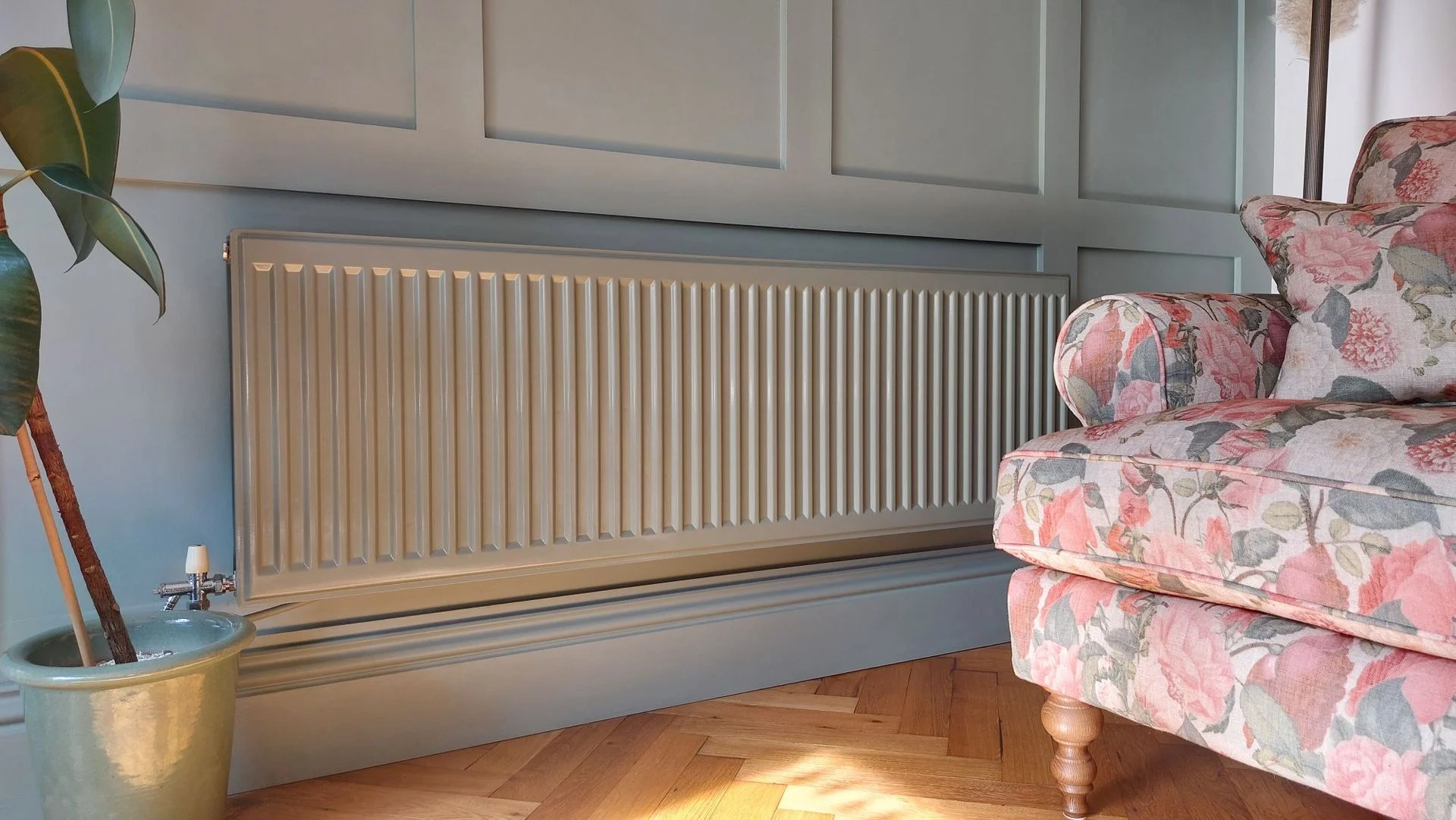
When it comes to radiator aesthetics, many homeowners face a dilemma: striking the right balance between cost and visual appeal. Instead of splurging on designer radiators, I’ve turned to a surprisingly effective solution: professional powder coating. This approach not only saves time but also delivers an impressive finish that breathes new life into standard models.
Walking into a workshop that typically caters to bike and car parts with a radiator in tow may seem unconventional, but the results justify the choice. Powder coating surpasses ordinary painting by ensuring an even, flawless application free of streaks or runs. The longevity of a powder-coated finish is another significant advantage; my first radiator, coated in 2021, remains pristine after five years without any signs of peeling or fading—perfect for someone who prioritizes home aesthetics.
Understanding the Powder Coating Process
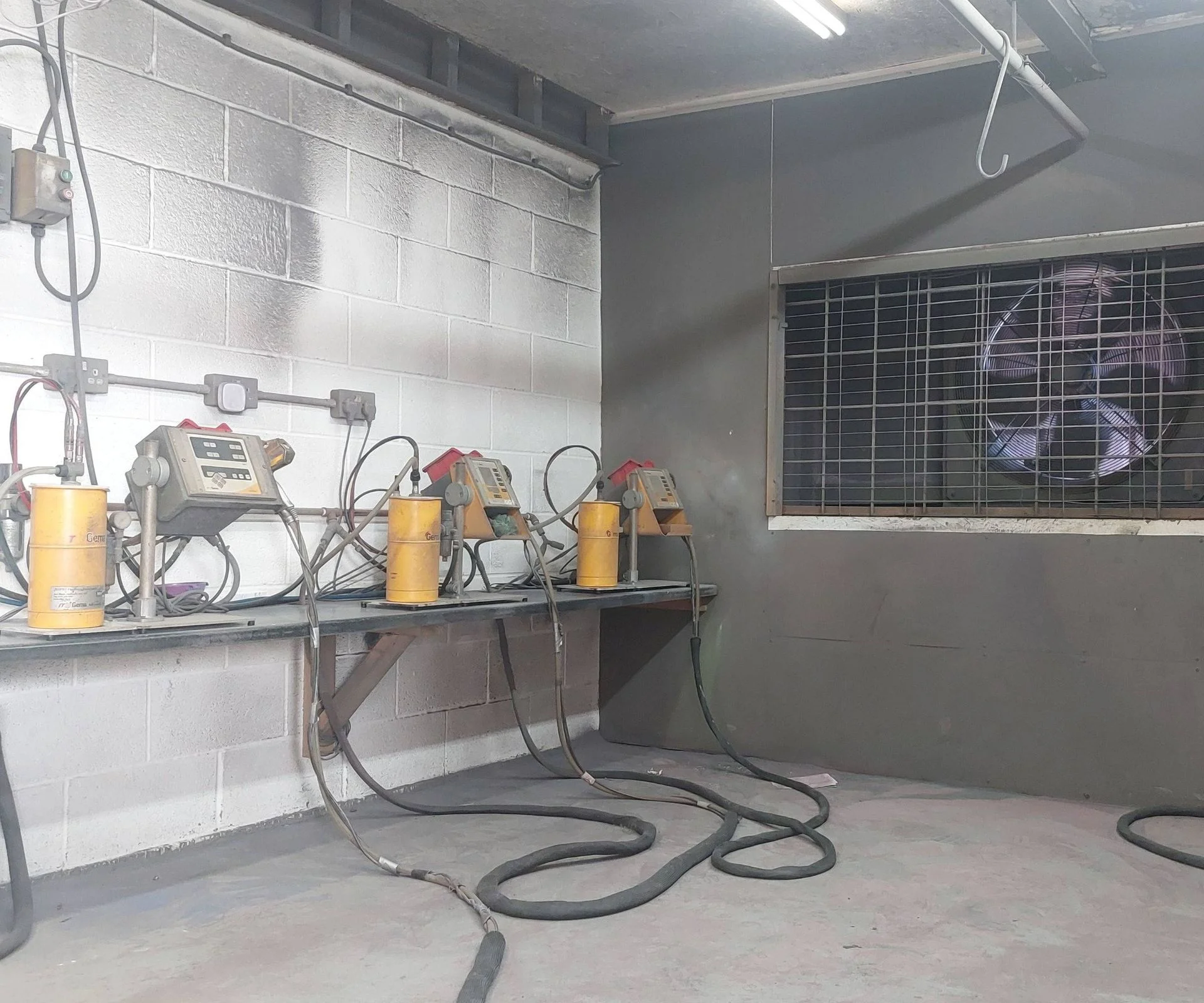
Powder coating leverages electrostatic forces to adhere a fine powder, which can comprise materials like acrylic, polyester, or epoxy, onto metal surfaces. The process involves curing the powder with heat, melting it to form a smooth coating.
According to Shauna Nash from LSN Coatings, the procedure starts with removing any valves from the radiator. These are replaced with bungs to prevent contamination. The radiator is then shot-blasted using chilled iron grit to strip away any old finishes before being thoroughly cleaned. This prepares it for a powder primer, which is then cured through pre-heating. After applying the colored powder, it goes back into the oven for curing.
“Any metal can be powder coated,” Nash notes, explaining that they frequently coat aluminum, cast iron, steel, and stainless steel. The versatility of this technology means everything from fireplaces to antique furniture can receive a vibrant new look.
Enhancing Interior Design with Powder Coated Radiators
Interior designer Samantha-Jane Agbontaen emphasizes that many overlook the potential of radiators as integral components of room design, often opting to hide them instead. For her, radiators should complement the room’s color scheme rather than detract from it.
When advising clients on colors, she often takes cues from existing elements in the room, suggesting shades two tones deeper than wall colors or drawing inspiration from fabrics. One project involved a Victorian house where the radiators were painted to match rich green wall paneling, allowing them to blend seamlessly into the decor. In contrast, she left a cast iron radiator exposed in another room, letting its design enhance the overall aesthetic.
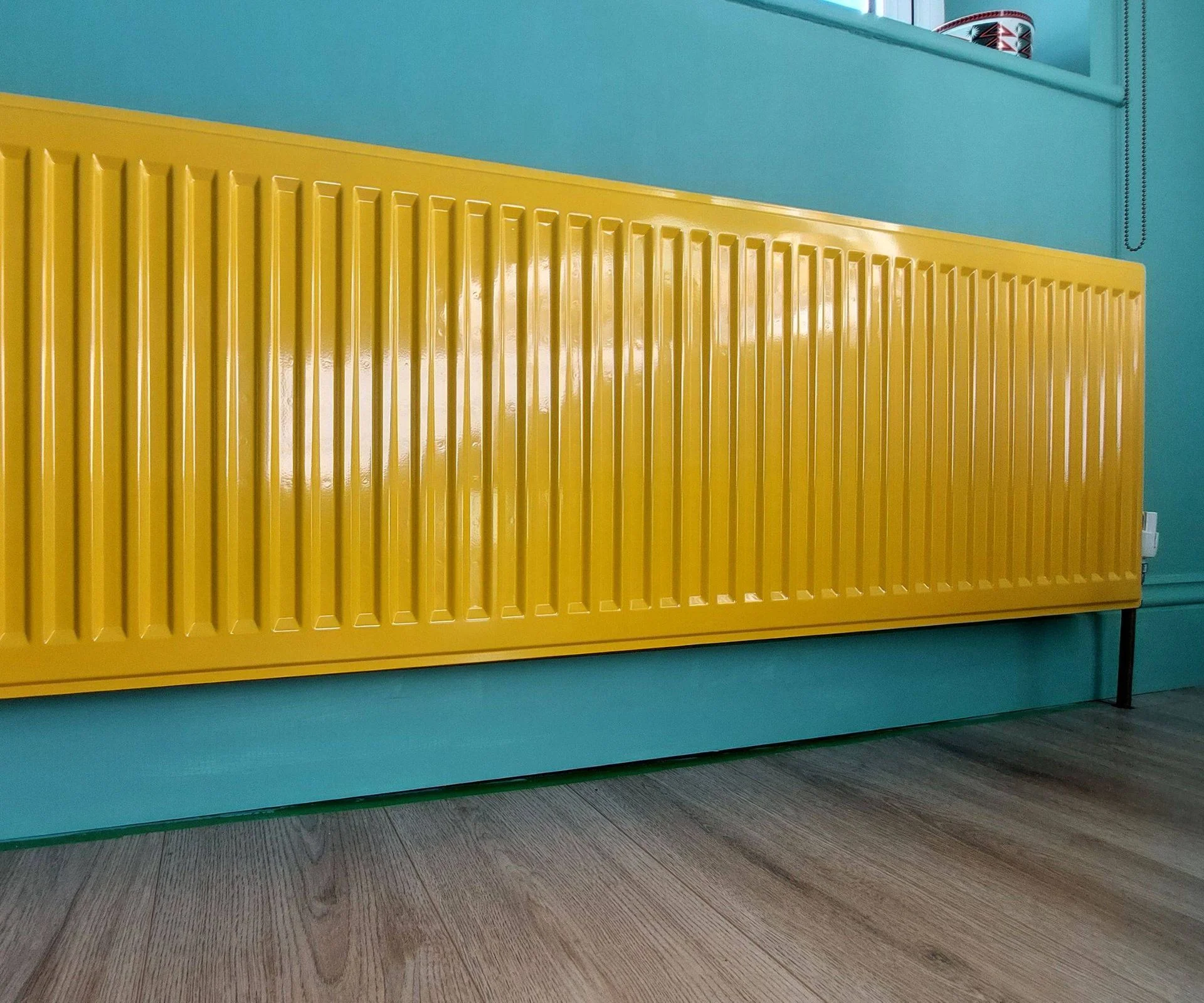
Local powder coating shops typically offer a wide palette of colors through RAL systems, providing plenty of options to either stand out or harmonize with current design trends.
Cost Implications of Powder Coating Radiators
When assessing the cost of powder coating versus painting, it’s noteworthy that the two approaches can be comparably priced, especially when accounting for supplies and labor. However, powder coating often emerges as a more economical choice than purchasing a new colored radiator.
Nash indicates that typical costs vary based on size—around £50 + VAT for a standard 600 x 600mm radiator and approximately £150 + VAT for larger, curved models. Cast iron radiators tend to be pricier due to longer curing times required during the process.
Interestingly, the idea to explore powder coating for my radiators came from my father’s experience revamping a vintage motorcycle. This technique isn't widely adopted among fellow renovators, which is surprising given its many benefits.
I’m personally enthusiastic about powder coating, as my local service has quickly transformed anything from garden furniture to radiators. Searching for a nearby powder coating service could lead to your own budget-friendly design upgrade.
Discussion
Sign in to join the discussion.