Lessons Learned from Kitchen Renovations: Prioritizing Functionality Over Aesthetics
Published Oct 16, 2026Reads 581Desk Gabriella Dyson
Discover key insights from kitchen renovations that emphasize practical layouts and the importance of hiring specialized contractors for better functionality.
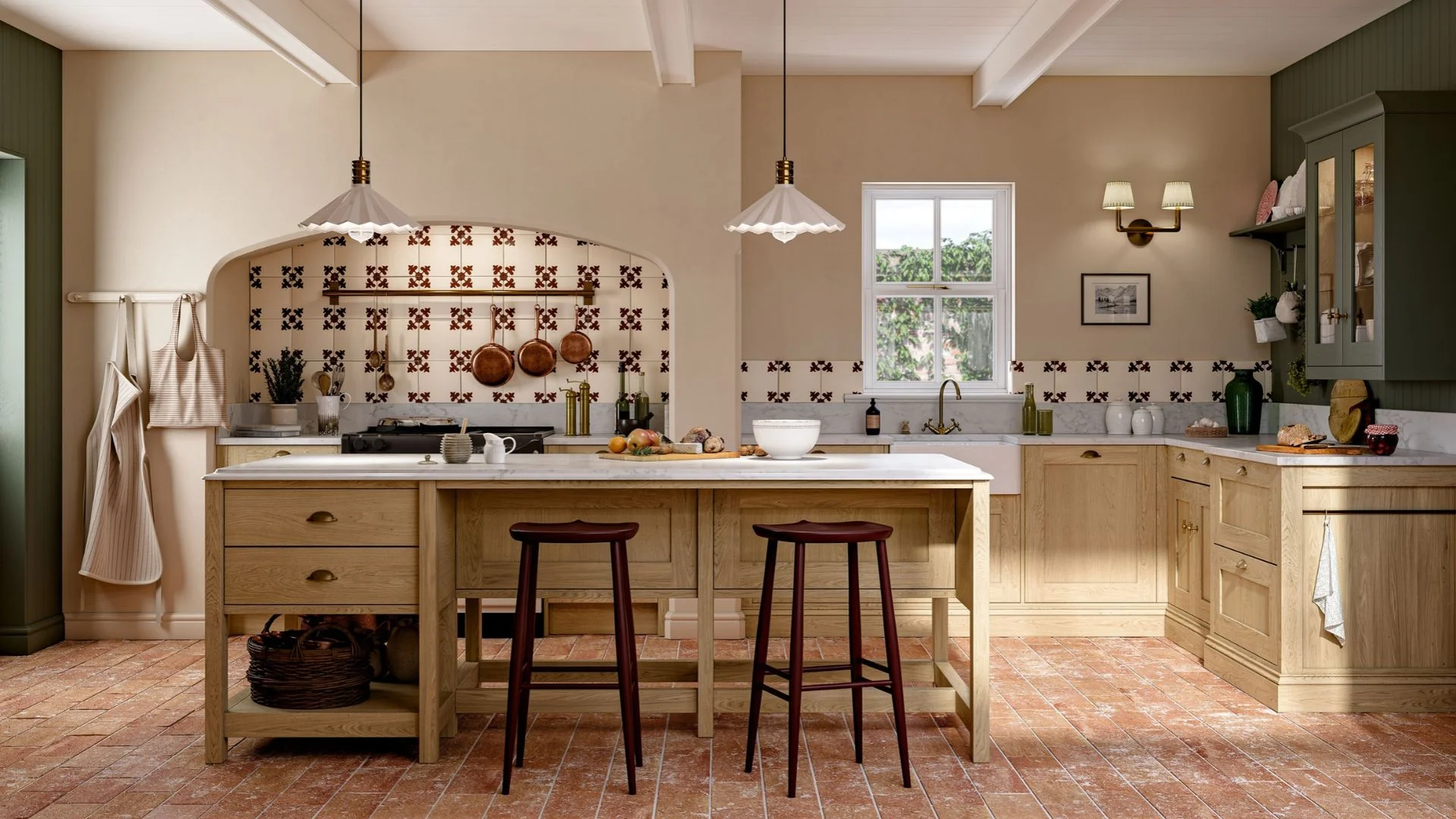
It's easy to assume that a kitchen renovation is merely about aesthetics, but a recent conversation with a friend revealed how our experiences actually highlight a more complicated reality. Both of us had remodeled our kitchens about a year ago, and we thought we had diverged in our choices. My approach leaned towards the dark and dramatic—think navy Shaker cabinets and intricate patterned tiles—while she opted for a clean, contemporary look with oak-style slab doors and a striking waterfall island.
However, during our chat over coffee, it became glaringly apparent that we had both fallen into similar traps—specifically, layouts that labored under theoretical ideals but fell flat in practical use. What seemed brilliant on paper turned into kitchen configurations that hinder effective cooking, not to mention our shared regret over our worktop selections.
Neither of us is rushing to demolish our kitchens, but a year of daily use has certainly taught us valuable lessons. Here’s a summary of our collective insights on what we would do differently if given a second chance.
1. Hire a Specialist Kitchen Company
One major oversight for both of us was assuming that our chosen general contractors were the best fit for installation. It felt logical—they were already onsite and we had built rapport. Yet, we learned the hard way that fitting a kitchen is a specialized skill that requires more than general construction know-how.
In my kitchen, the shortcomings are evident; the kickboards are tricky to remove, making maintenance a hassle. My friend faces sharper issues. Her refrigerator struggles to align with the cabinetry due to an overly complex water filter, while unsightly seams on her worktops become glaring under certain lighting. The ambiguity of accountability left us frustrated—neither the contractor nor the supplier could be definitively blamed for these issues.
If we could re-do it, our approach would change dramatically. Engaging a company that offers end-to-end design, supply, and fit services would eliminate ambiguity. Although it demands a higher initial investment, having one team responsible for the entire process fosters clarity and accountability.
2. Real-Life Layout Considerations
The crucial "kitchen triangle” concept emphasizes the ideal positioning of the hob, sink, and fridge for seamless movement. In my kitchen, however, it turned out more like a straight line, designed for solo cooking instead of accommodating two people preparing a meal simultaneously. This oversight often results in unnecessary congestion, turning a joyous meal prep into a frustrating battle for space.
“It’s vital to visualize how you interact within the kitchen,” says Laura Townsend, CAD and design manager at Magnet. She advocates for creating spaces that cater to users’ lifestyles, suggesting that the priorities could differ. Maybe it's not just the triangle to consider; perhaps the most-used points are the coffee machine and fridge instead.
In retrospect, I should have conducted a walk-through of a typical evening in the kitchen with my partner before finalizing the plan to ensure it met our shared needs.
3. Prioritize Internal Storage
Concealed storage was another aspect where we both faced unexpected challenges. I have a designated cupboard that was intended for my vacuum, but it’s now just a chaotic pile. My friend's experience is even more inconvenient; her corner cupboard is practically unreachable.
Kiran Noonan from Eden Browne Interiors emphasizes that the best investments are often straightforward adaptations, like deep drawer dividers and simple pull-out units. He cautions against complex corner storage systems, which can compromise significant cabinet space while being challenging to maintain.
For my next kitchen, I’d plan with two people in mind and consider all cupboard contents before finalizing designs. My friend is likely to integrate practical pull-out mechanisms for those hard-to-reach areas.
4. Blend Fitted and Freestanding Units
Among my most cherished kitchen elements is a vintage pine sideboard I found on Facebook Marketplace. It adds a warm, lived-in feel that modern cabinetry often lacks. Reflecting on the design, I wish I'd incorporated more freestanding pieces.
Sebastian Aronowitz of The London Kitchen Company highlights that freestanding units can help develop character in a space, but says it’s essential to balance them with fitted units that serve basic functions. The strategy should cover practical storage before introducing freestanding features that double as decoration.
If I had to redesign, I'd keep essential working areas fitted but consider replacing some wall units with freestanding options to enrich the overall design.
5. Set Your Worktop Budget Wisely
My friend's most significant disappointment stems from her choice of worktops. Opting for a thin marble-effect laminate has left her with surfaces that quickly show wear. Meanwhile, I went for thicker laminate options, which, while durable, still lack the finesse of stone or quartz. Ultimately, we both recognize that delaying budget considerations for worktops likely left us with regrettable compromises.
Laura Townsend points out practical benefits of natural stone or quartz, such as their cooler surfaces, ideal for baking. For both of us, factoring in these materials from the outset would have been a smart move, rather than treating them as areas for potential savings.
6. Choose Paint with Longevity in Mind
I still adore my deep navy cabinets, but I made a crucial mistake with the underlying paint quality. Chips reveal stark white patches, ruining the visual continuity. Next time around, I’d definitely opt for finishes that not only look good but can withstand the rigors of daily life.
Sebastian Aronowitz offers critical insight here, advising homeowners to consider more practical finishes that accommodate real-world wear. Darker colors may attract attention to every imperfection, making thoughtful choices about the underlying paint crucial.
In summary, the lessons from this kitchen renovation journey are invaluable—next time, we’ll come better prepared to navigate these complexities.
Key Takeaways for Your Kitchen Renovation
When it comes to painting high-touch surfaces like kitchen doors, choosing the right sheen can make all the difference. Kiran Noonan's advice against ultra-flat matte finishes resonates deeply here. Instead, opting for a satin or low-sheen eggshell meant for cabinetry not only enhances the durability of the paint but also allows for easier touch-ups. Imagine realizing too late that your fresh coat is more trouble than it’s worth—something I certainly experienced!
If I had the chance to redo my kitchen repaint, I'd stick with the navy (a color I’ve grown to adore), but I’d make one strategic change: I'd select a tough kitchen cabinet paint that maintains a low-sheen finish and comes with a pre-matched undercoat. Having a spare tin ready for those inevitable touch-ups would be a game changer.

*Image credit: Future*
For those eyeing significant style updates while keeping practicality in check, consider brands like Rust-Oleum—its Evening Blue Matt Kitchen Cupboard Paint promises not just aesthetics but also resilience against water, scratches, and stains.
Another practical tool for maintaining your paint job is the Slobproof Refillable Touch-Up Paint Pen. It allows you to store leftover paint, ensuring you can swiftly address any minor scrapes or scratches in the future.
Be Prepared: The Overlooked Challenges
Planning your kitchen renovation requires more than just picking out colors; it demands awareness of the emotional toll of decision-making. Before diving into hundreds of choices—from layout options to paint shades—it's vital to acknowledge the phenomenon of decision fatigue. A thorough understanding of what you'll encounter can prevent you from becoming overwhelmed.
Ultimately, tackling a project like this is as much about emotional resilience as it is about physical aesthetics. If you're venturing into your own renovation, arm yourself with knowledge and strategic foresight. It's not just about getting the paint on the walls; it’s about ensuring that every choice reflects not just your style but your ability to manage the process smoothly.


Discussion
Sign in to join the discussion.