Recent government reforms aim to better protect homeowners using heating oil from price spikes and provide clearer compensation guidelines.
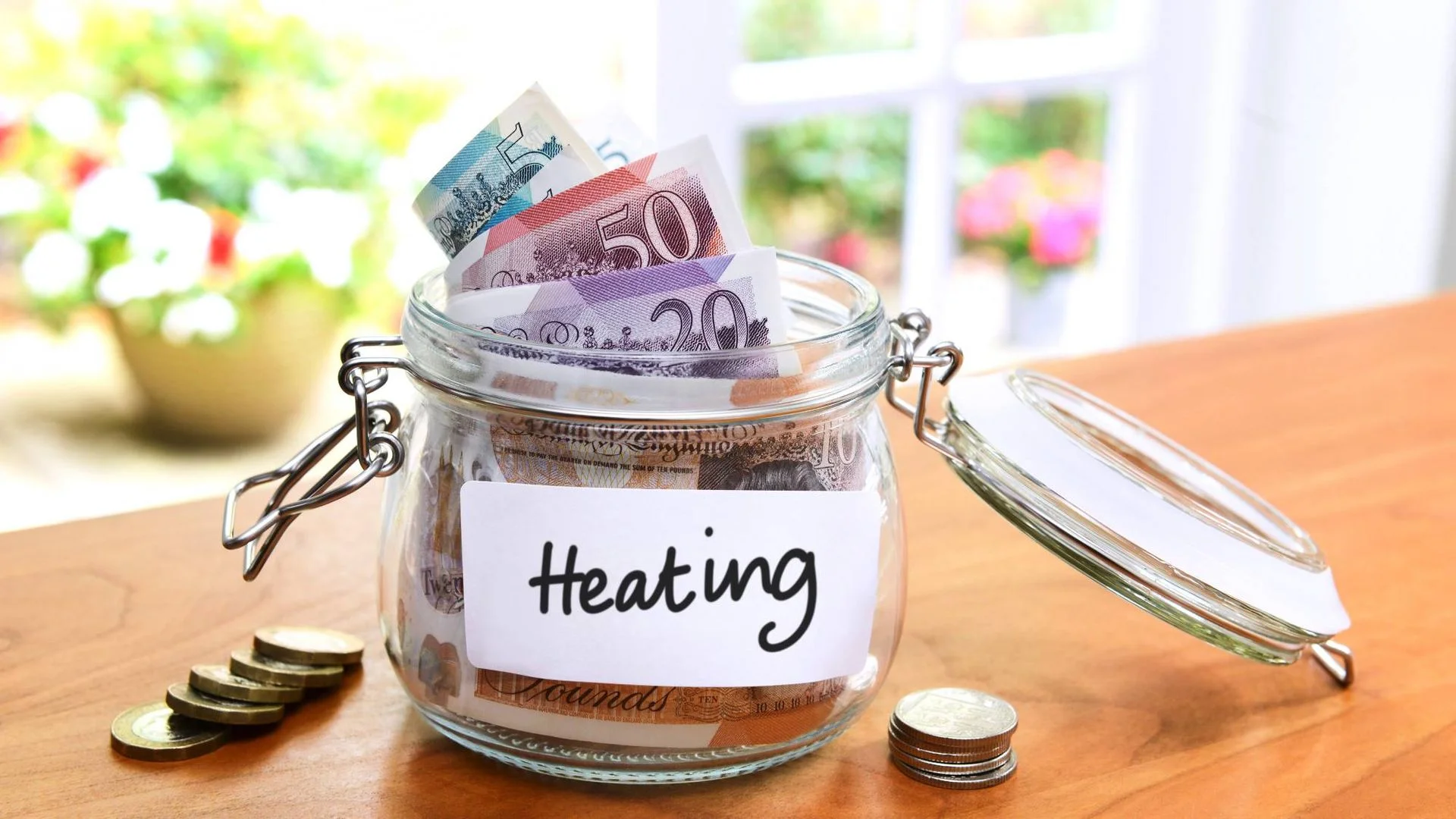
In response to significant price increases earlier this year, the UK Government is introducing new reforms to enhance protections for homeowners relying on heating oil. This marks a historic regulatory effort for a market that serves approximately 1.5 million households, following recommendations from the Competition and Markets Authority to address weaknesses in sector oversight. The trajectory of heating oil prices has been volatile, particularly due to geopolitical tensions, but these reforms aim to stabilize the market and offer a safety net to those affected.
Consumer safeguards and industry codes
Initial actions include improved consumer safeguards through updated industry Codes of Conduct. These codes are poised to hold suppliers accountable and ensure that they follow fair business practices. However, the extent of the changes will unfold as discussions between the government and oil suppliers progress, which adds a layer of uncertainty. Given the significant reliance on heating oil in rural areas, these reforms could fundamentally change how companies operate in this sector.
Consumer sentiment has been fraught with frustration over price volatility. Homeowners, especially those in rural areas, have felt left in the lurch during times of crisis. A well-regulated market could lead to more competitive pricing and better customer service, which is long overdue. Yet, there's skepticism regarding how eager suppliers will be to adapt. After all, in a market that's been largely unregulated, old habits can be hard to break.
Rural households to benefit from these reforms
With the sharp rise in oil prices tied to ongoing geopolitical tensions, the government has launched a compensation initiative aimed at providing relief to homeowners who faced added costs, particularly when suppliers canceled orders. To date, around 1,700 homeowners eligible for compensation have been contacted, bringing a measure of financial relief amidst broader challenges. This initiative follows an initial £53 million support package issued to aid homeowners struggling with sudden price hikes.
However, despite this short-term relief, the lack of enduring consumer protections left many rural households vulnerable to potential future price surges. The compensation package, while helpful, is not a sustainable solution. It merely addresses symptoms of deeper systemic issues within the heating oil market, which could repeat in crises down the line.
Polly Billington, the Minister for Energy Consumers, expressed concern for homeowners caught off-guard by rising oil and gas costs. "Thousands of heating oil customers felt they had nowhere to turn during the rising oil and gas costs earlier this year. We won’t accept that. Energy is essential, and consumers deserve market protections," she stated. Such statements underscore the urgency but also reveal a gap between recognition and action. These reforms represent a necessary step, yet the question remains: will they be robust enough to protect consumers in future crises?
Future plans are in the works
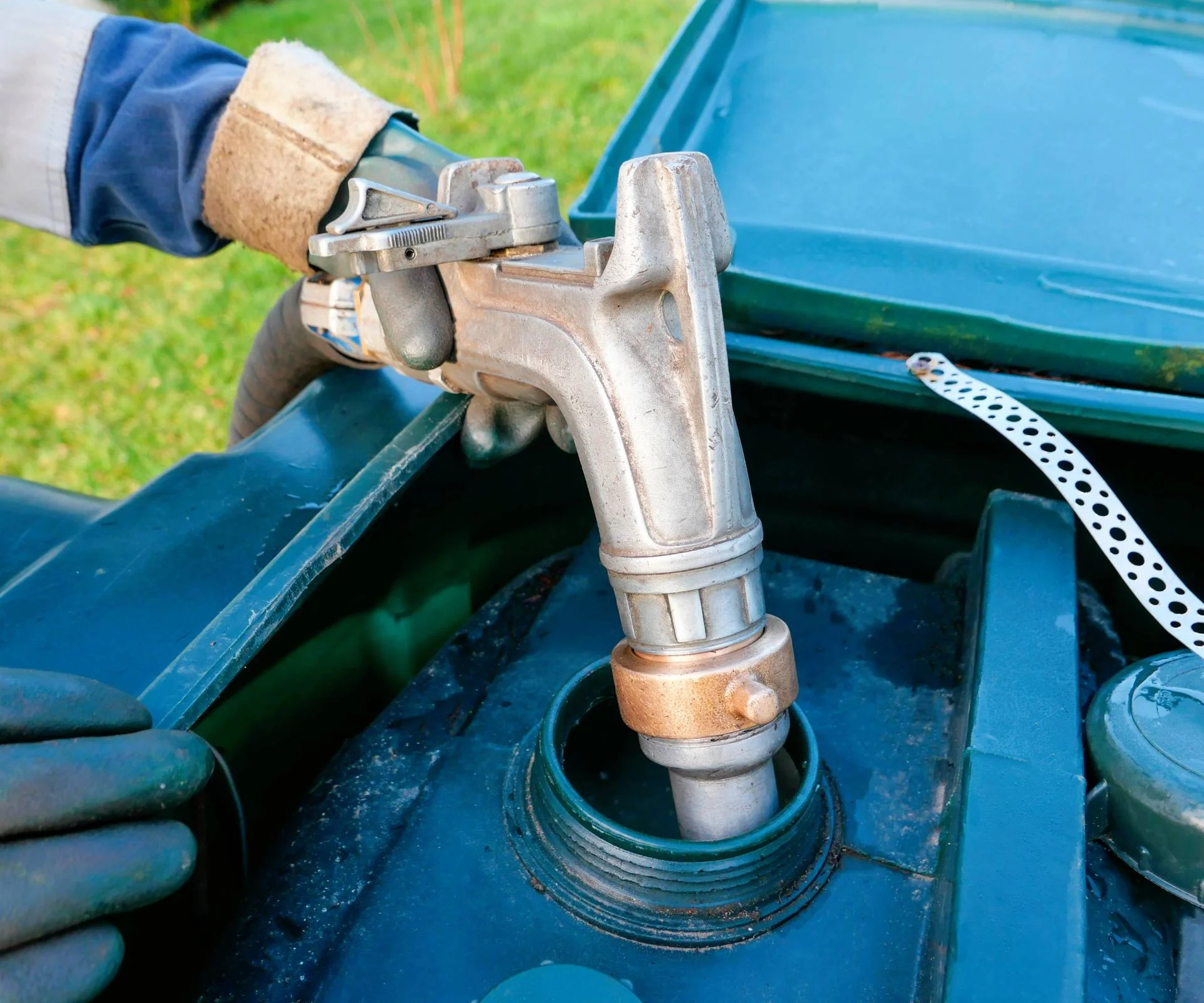
Looking ahead, further measures will emerge from consultations between the government and industry stakeholders. A promising development involves discussions to revise practices around minimum order requirements, such as the current 500-litre threshold, which can impose financial strain on homeowners. The elimination of these high minimums could provide critical support during challenging economic times, making it easier for homeowners to manage their expenses without locking in large orders.
Moreover, formalizing industry standards remains a central focus in ensuring transparency regarding supplier obligations. Customers will gain clarity on their rights and the process for seeking compensation if issues arise, particularly benefiting vulnerable households. This added transparency could also fortify trust between suppliers and consumers—a relationship that has been strained during previous crises.
Homeowners still utilizing oil may also access enhanced funding via the Boiler Upgrade Scheme (BUS) if they consider transitioning to alternative heating methods like heat pumps. Instead of the standard grant amount of around $7,500, they may be able to claim up to $9,000. Recent data indicates that there were 1,042 voucher redemptions as of August. Such incentives could play a critical role in promoting cleaner heating alternatives in the long run.
(And this is the part most people overlook) However, with speculation that heat pump grants might face cuts, those interested in switching may want to act quickly to secure financing. The shifting landscape of financial support can create a sense of urgency and pressure, which is not ideal for making long-term decisions about home heating solutions.
Implications and future outlook
These reforms may seem incremental, but the implications run deeper. They signal a significant change in how the UK approaches energy consumer protection, particularly for vulnerable populations relying on heating oil. If the government can effectively implement these measures, they could set a precedent for other sectors struggling with similar issues. This could lead to a broader shift in energy policy that prioritizes consumer rights and accountability.
However, the success of these reforms hinges on active participation and cooperation from industry leaders. If you're working in this space, prepare for heightened scrutiny and demand for compliance. The marketplace for heating oil in the UK could undergo a transformation, where transparency isn't just a buzzword but a fundamental principle guiding operations.
That said, there's a fine line between good intentions and effective execution. Without robust mechanisms for enforcement, these reforms could end up being little more than promises on paper. What's certain is that the stakes are high, and all eyes will be on how the government manages this transition to ensure that consumers aren't left vulnerable again.



Discussion
Sign in to join the discussion.