Winter provides the perfect opportunity for planting bare root trees, ensuring strong growth when spring arrives. Learn essential care tips for success.
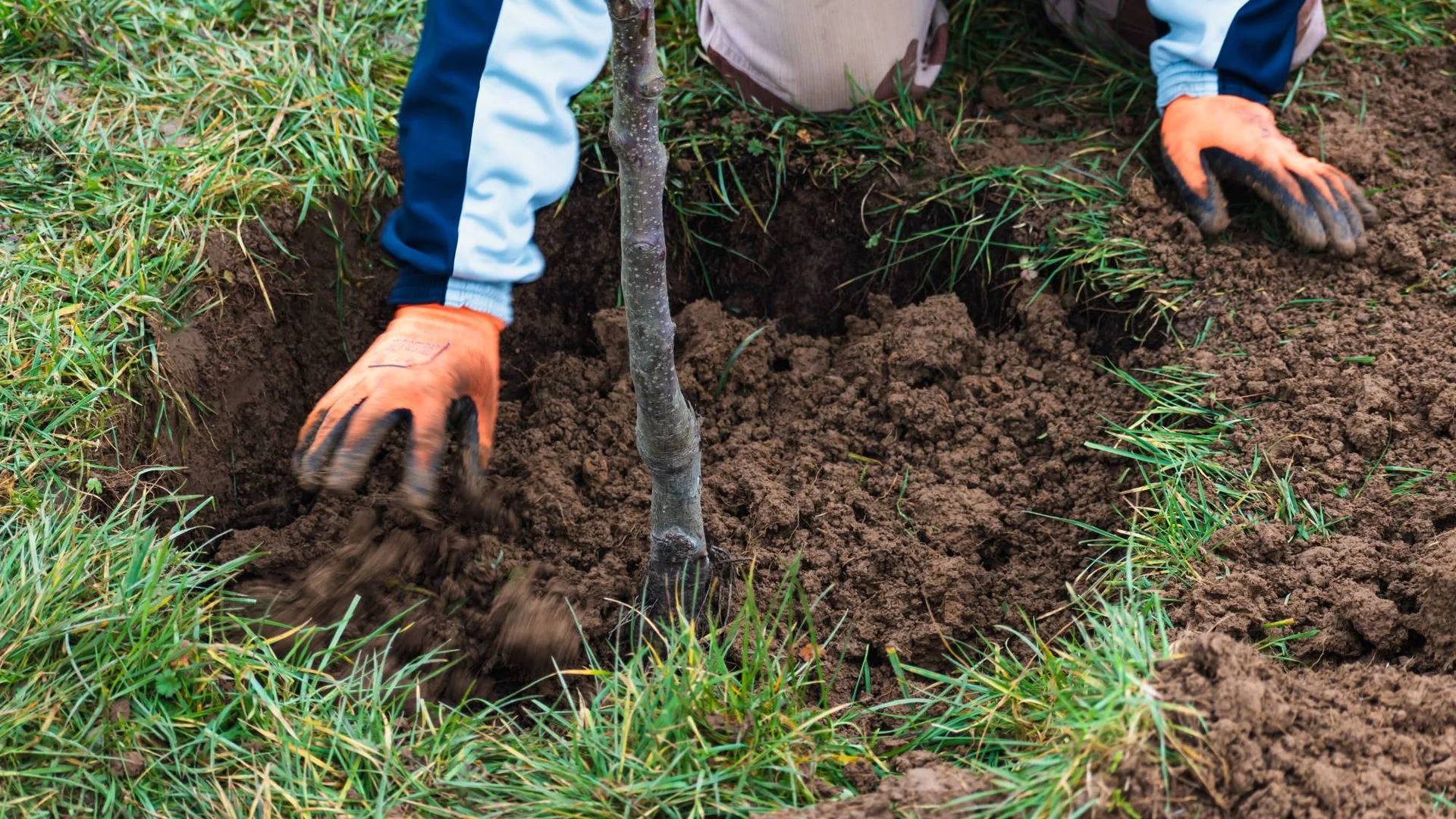
Planting bare root trees during the winter months can yield surprisingly quick results, despite their seemingly lifeless appearance. The optimal time for planting these trees is when they’re dormant, typically from late October through February, provided the ground isn't frozen. While container-grown varieties can be planted any time, bare root trees offer unique advantages that are best realized during their dormancy.
Soil Preparation for Bare Root Trees
Choosing the right location is just the beginning; preparing the soil is essential for successful growth. Clear the area of weeds and other debris, and enrich the soil to avoid the pitfalls of compaction and nutrient deficiency. Incorporate ample amounts of well-rotted compost or manure into the soil.
If your ground is heavy clay or prone to waterlogging, select tree varieties that thrive in such conditions. For particularly swampy soils, consider planting the tree on a mound approximately 30 cm high and 1 metre in diameter to elevate the roots.
Best Practices for Planting
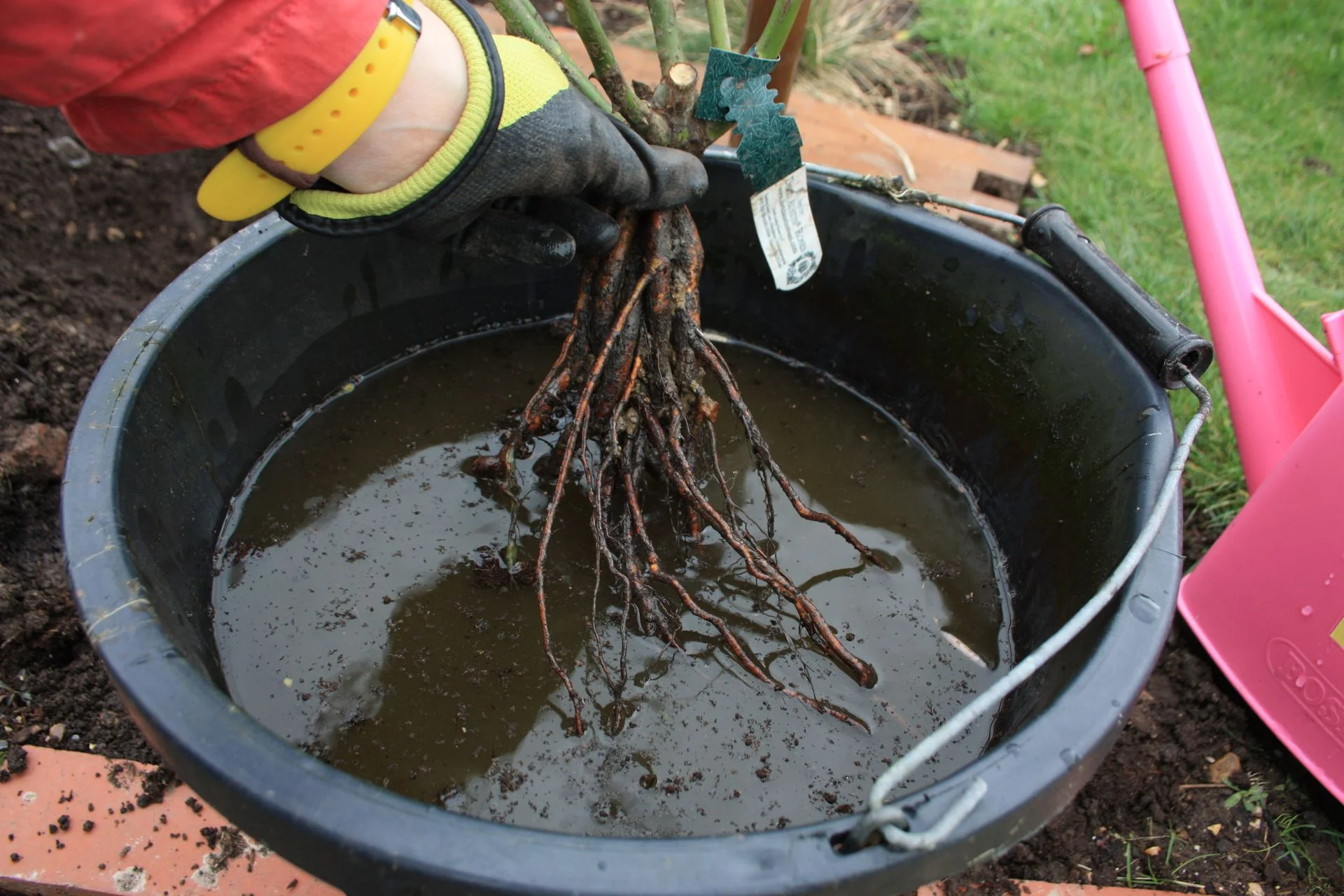
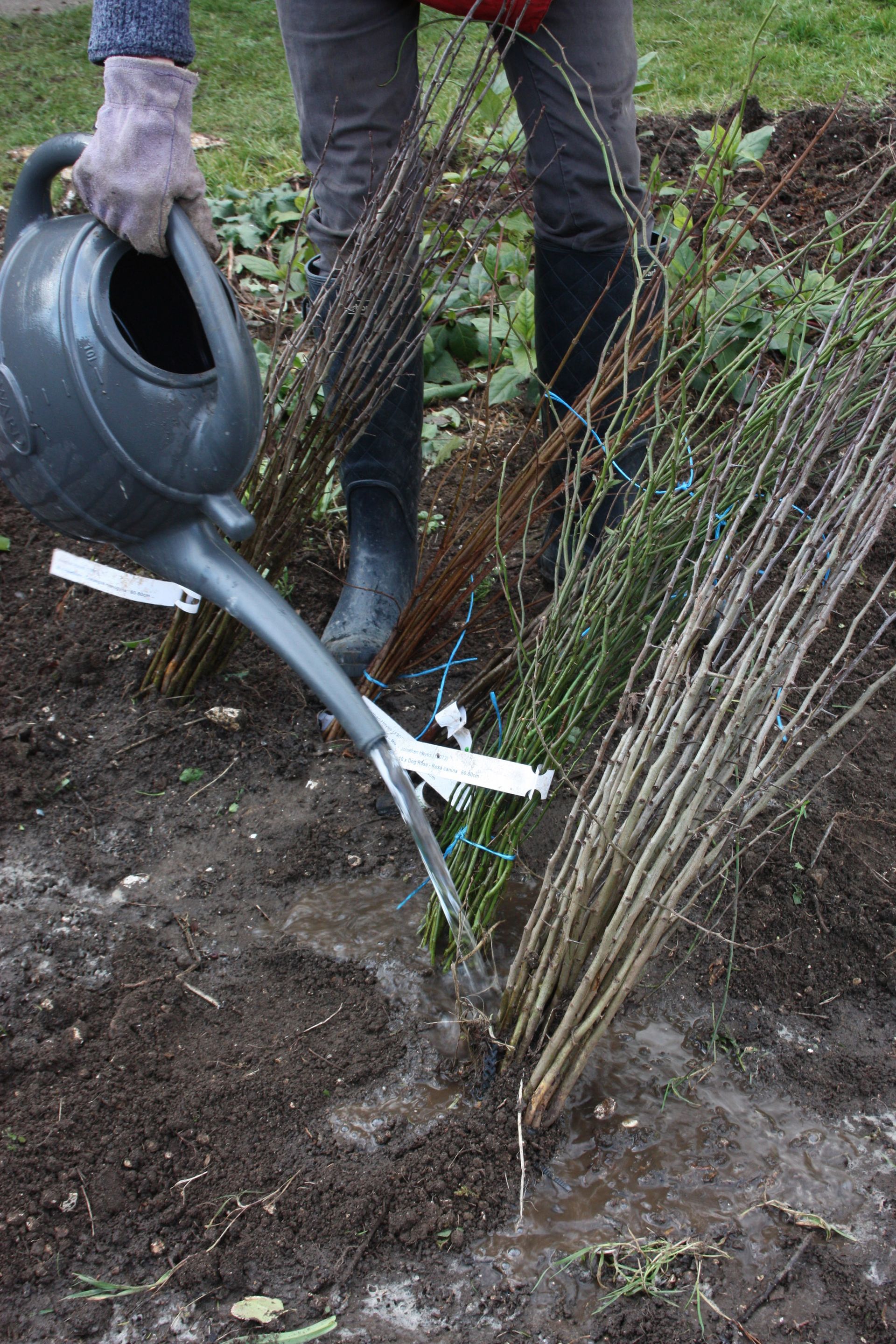
Once your bare root trees arrive, it's vital to prepare them properly. Carefully unwrap the roots and ensure they remain damp. If they seem dry, soaking the root ball in water will help revive them before planting.
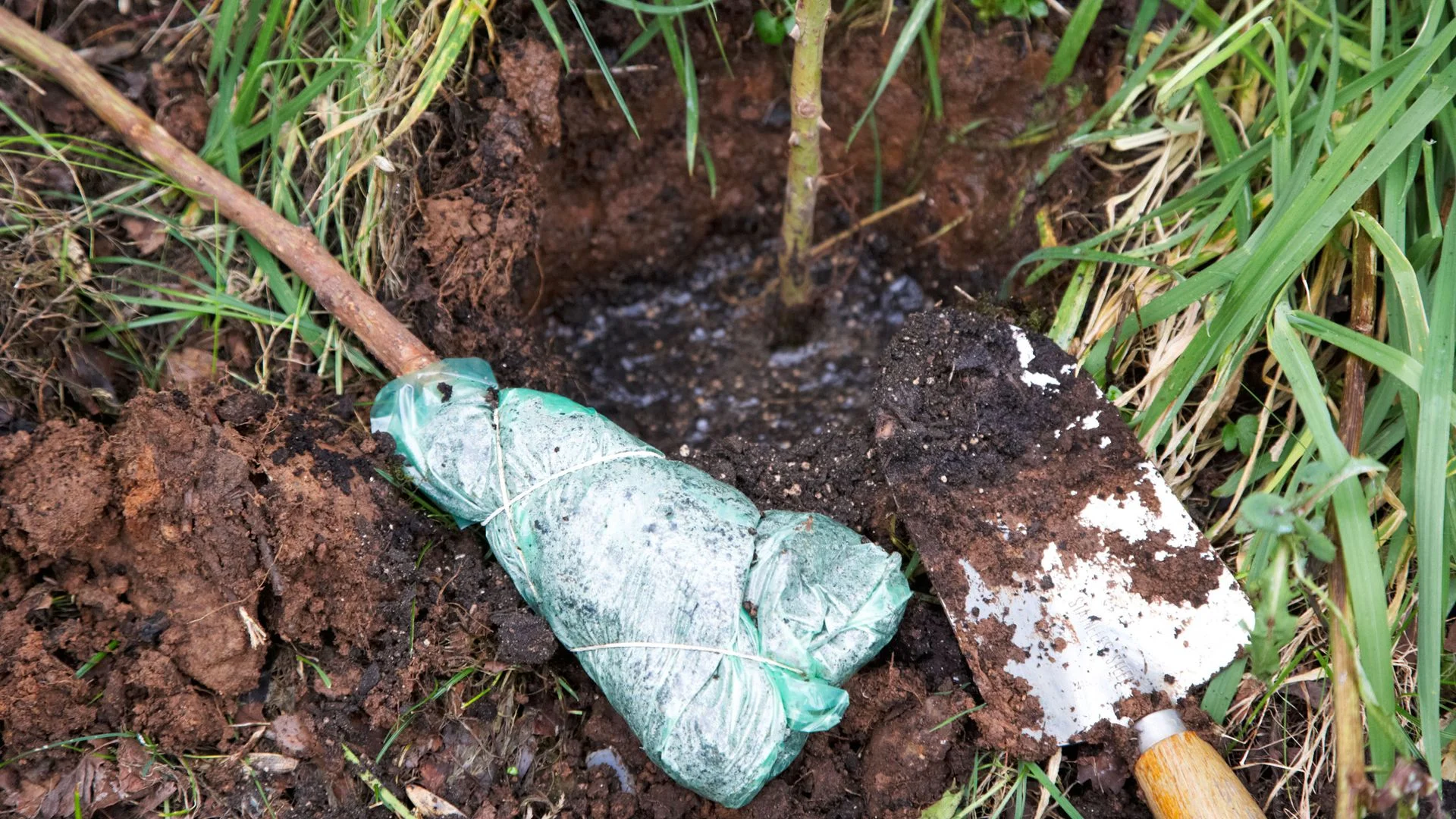
As you plant, loosen the soil at the bottom of the hole to enhance drainage for the roots. Position the tree so that it sits at the correct depth—level with the soil tidemark. Firm the soil around the roots, making sure to jostle the tree slightly so that the soil settles into any gaps. Attach the tree to a support for stability and give it a thorough watering after planting.
Container Planting
If you prefer to plant your bare root tree in a container, follow these steps:
- Soak the roots in water for at least 30 minutes.
- Choose a sufficiently large container to support at least two years of growth, adding drainage materials at the base.
- Center the tree in the pot and spread the roots evenly.
- Add compost, ensuring the graft is above the soil and leave space for watering.
- Stake the tree and securely attach it to prevent movement.
- Thoroughly water the tree and keep the container elevated and well-drained.
Post-Planting Care
Once planted, maintaining moisture is crucial; however, avoid overwatering to prevent root suffocation. Regularly check moisture levels using a trowel to feel the soil below the surface.
Keep the area around the tree weed-free, allowing about 1 meter of bare soil for the roots to access water and nutrients without competition. Applying mulch can benefit the tree, but ensure it doesn't touch the trunk to prevent bark rot.
Frequently Asked Questions
Benefits of Bare Root Trees
For those willing to be patient for a couple of years, bare root trees offer a budget-friendly option for enhancing gardens or creating new hedges. Though they start small, their robust root systems allow for significant early growth.
Difference Between Bare Root Trees and Whips
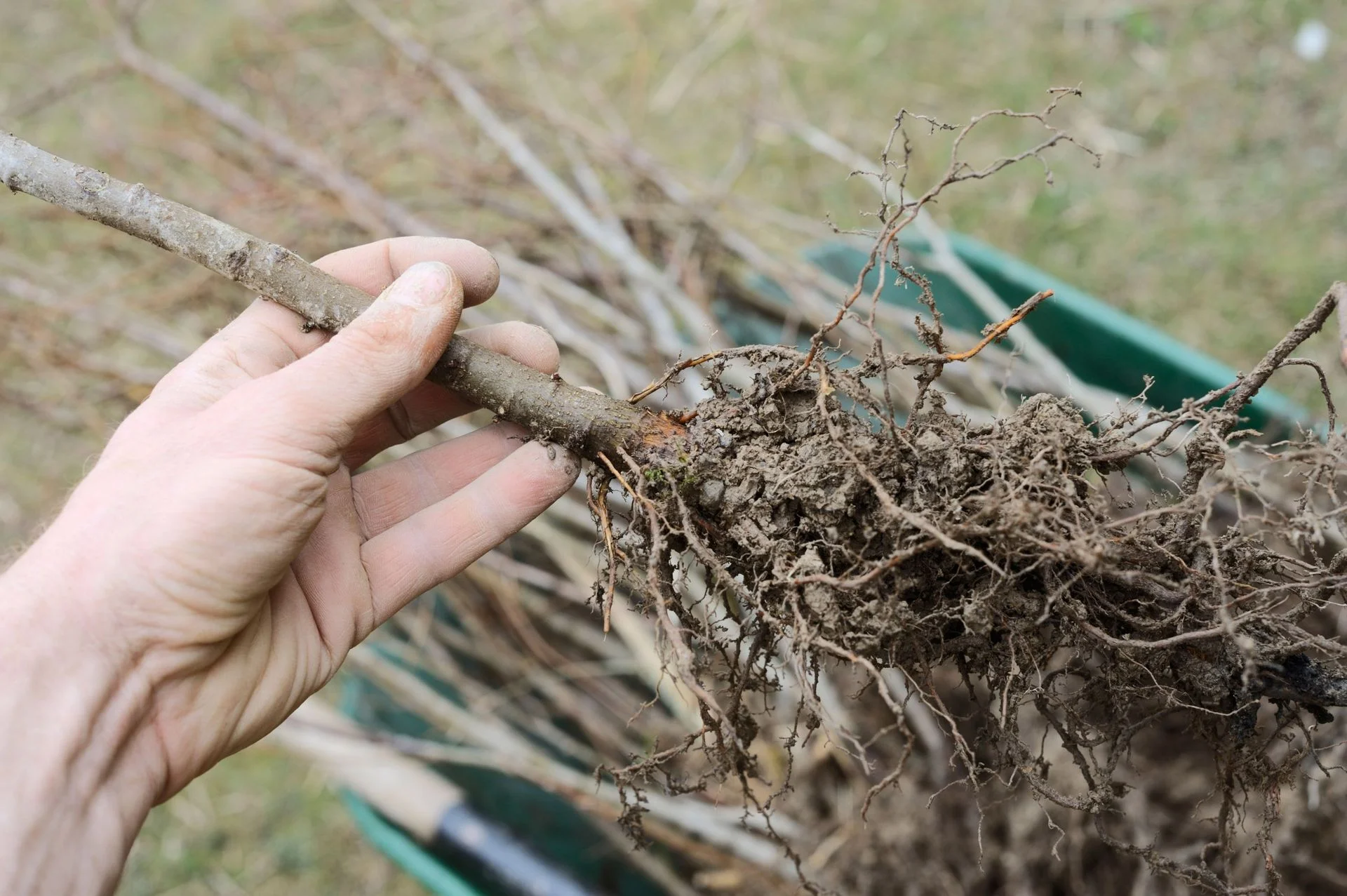
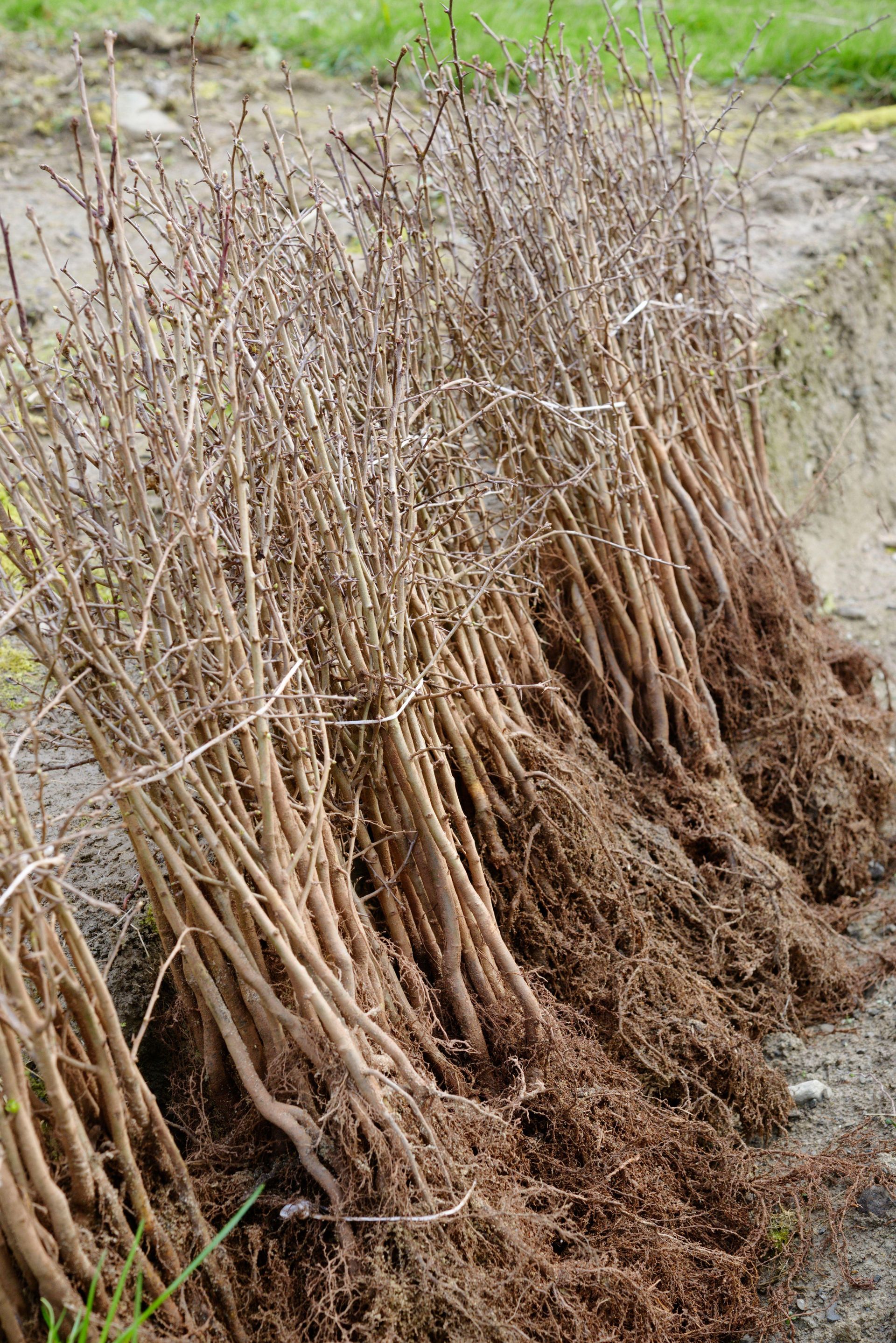
Bare root trees arrive without soil on their rootballs, typically dug up during their dormant stage. In contrast, whips are slender plants that lack a rootball and are primarily used for hedging. Both are available during the same planting window, yet they serve different purposes in landscaping.
Ultimately, choosing the right bare root trees is key to fitting them into your garden's overall design. Ensure you select species suitable for your space, particularly if your garden is small or requires specific types of screening.



Discussion
Sign in to join the discussion.