Futurewave's Arc bracelet subtly encourages users to limit screen time without additional screens or distractions, offering a blend of fashion and function.
The Need for Screen Time Management
As digital distractions multiply, individuals are increasingly searching for methods to manage their screen time. The compulsivity of modern devices poses a challenge—many users find themselves unwittingly drawn into their screens, often losing track of time. This isn't a mere anecdotal observation; studies on digital consumption reveal that users sometimes underestimate their app usage, leading to unwanted consequences in productivity and mental well-being.
Conventional solutions, like time-tracking apps or digital detoxes, may not fit everyone's lifestyle. Some people find themselves turning to software that, ironically, adds another layer of screen time just to monitor their usage. Hence, the quest for more tangible, device-free solutions continues. Enter Futurewave, a Belgian design studio with an intriguing proposition: the Arc bracelet.
What is the Arc Bracelet?
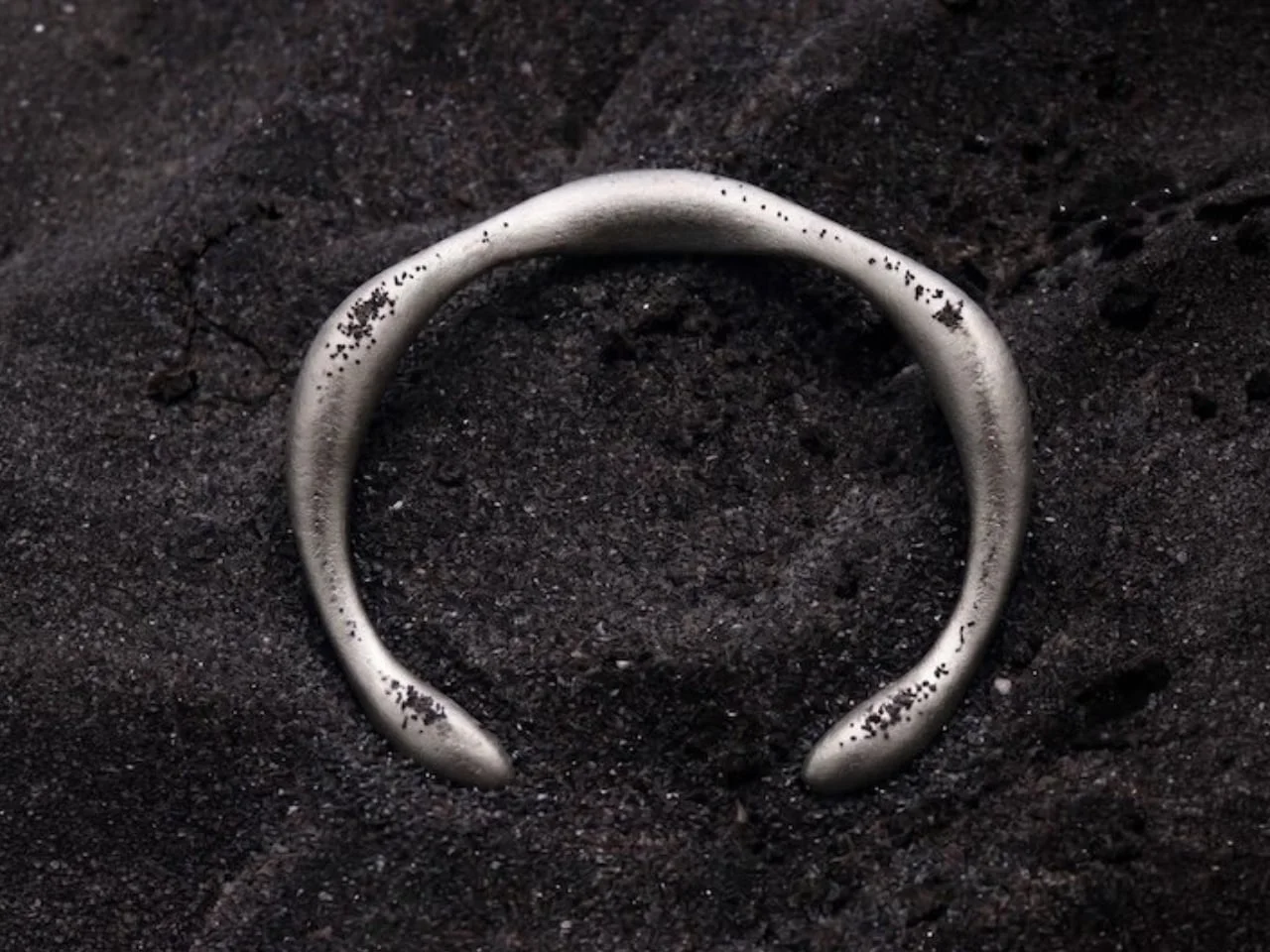
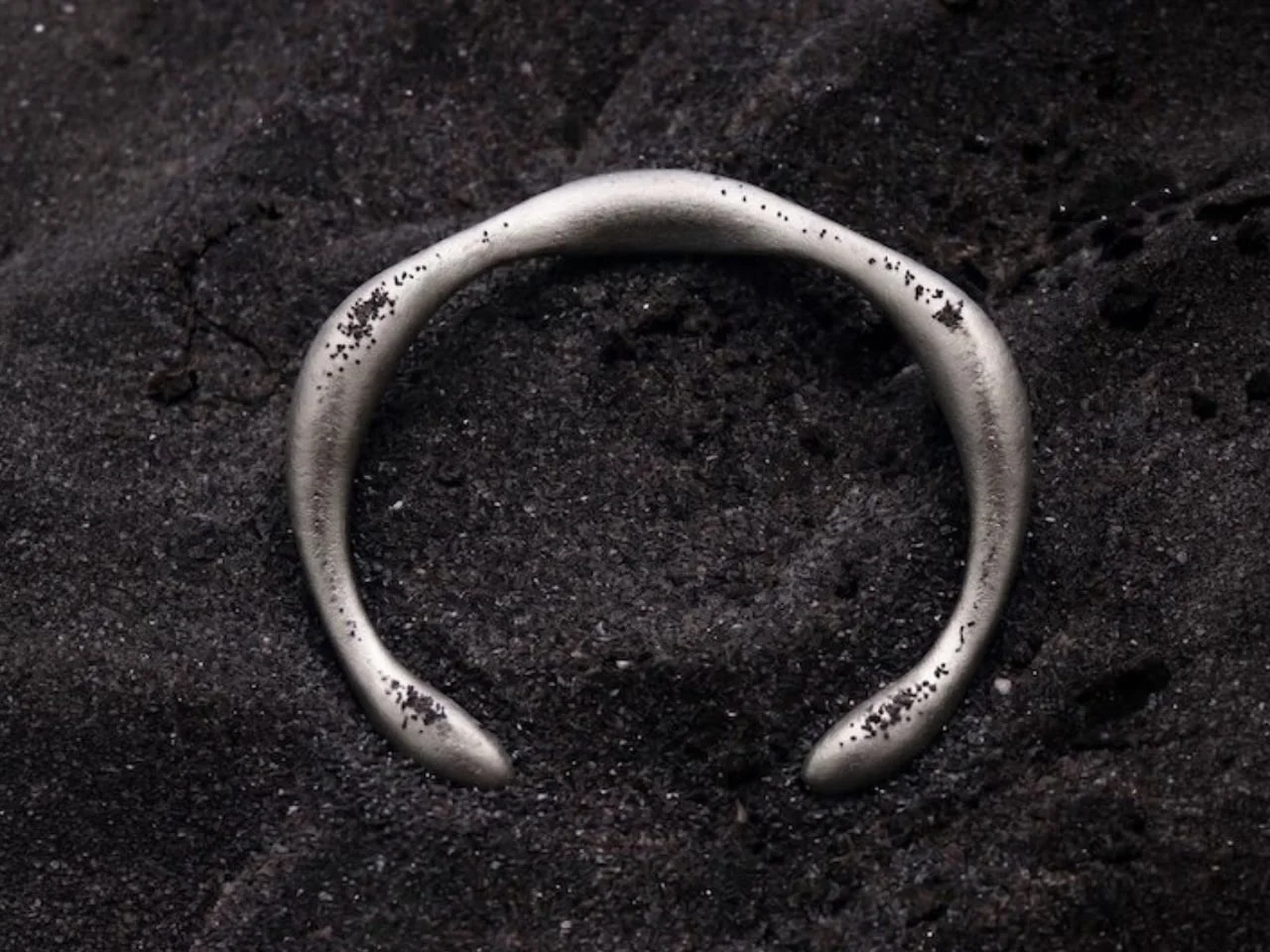
The Arc isn't just a trendy piece of jewelry; it's designed to interrupt the endless cycle of screen time. Crafted from Argentium silver, this bracelet connects to your smartphone via a companion app. Users can set individual app limits, and once the time expires, the bracelet provides a mild pulse on the wrist. This tactile feedback serves as a prompt to take a break—inviting users to disconnect rather than coercing them into it.
This unique approach is refreshing. It bypasses digital displays and notifications, both of which can contribute significantly to distractions. The absence of screens transforms the experience into a natural reminder instead of an intrusion, fostering a healthier relationship with technology.
Design Philosophy and Aesthetics
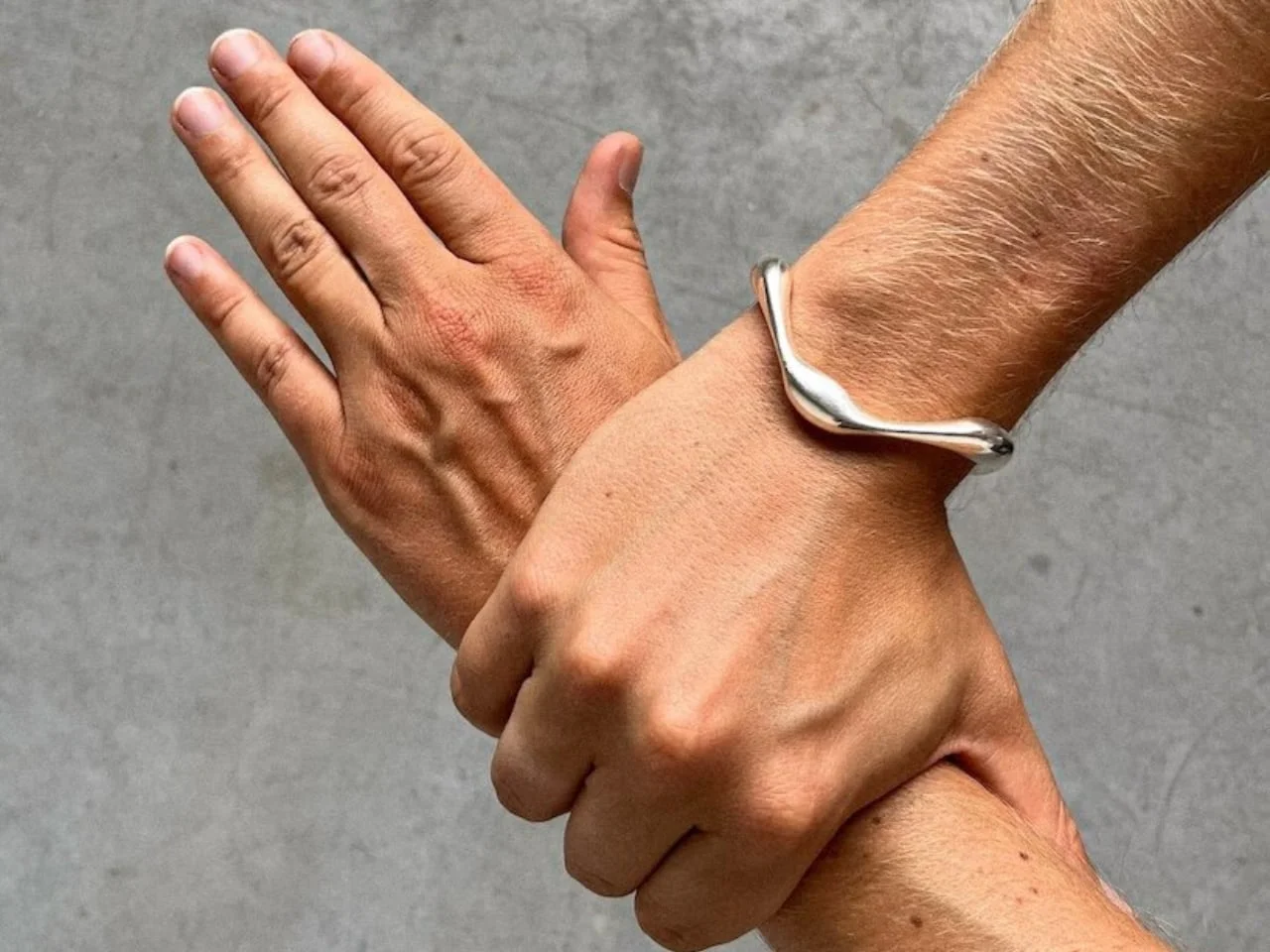
Futurewave's design choices set the Arc apart from typical tech gadgets, ensuring it can be worn stylishly in any setting. Its aesthetic draws inspiration from organic shapes—think rib cages and wishbones—resulting in a bracelet that celebrates its sculptural qualities. Interestingly, the design eliminates traditional closures, presenting a unified look that elevates its style while avoiding the clutter of standard wearables.
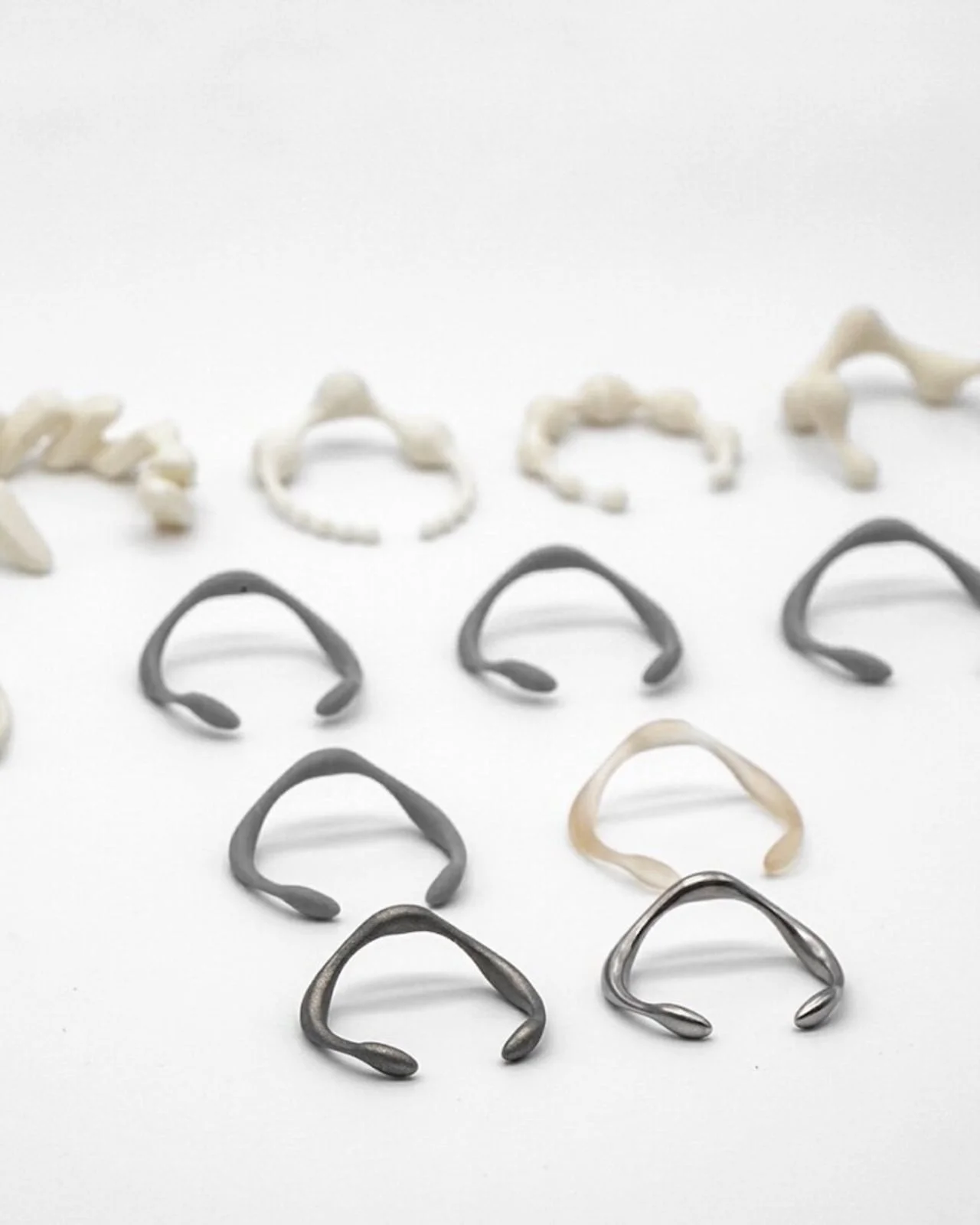
Initial development involved crafting 3D-printed prototypes using materials like stainless steel and titanium, reflecting the studio's commitment to artistry and functionality. This foundation not only emphasizes style but also speaks to the growing trend of integrating technology more naturally into everyday life.
(And this is the part most people overlook) The choice of materials and the design philosophy suggest a longer lifespan for the accessory than typical gadgets. It's about striking a balance: something that looks good, feels good, and serves a purpose without screaming, "I'm a tech device!"
Technical Features and Concerns
Hidden within the bracelet is a flexible circuit board equipped with Bluetooth Low Energy, connecting it to mobile devices, along with a compact 25 mAh battery. The effort to conceal these components speaks to the designers’ commitment to aesthetics, yet it raises some pertinent questions. How long will the battery last in daily usage? How often will users need to charge the bracelet? These concerns linger in the background because specifics remain undisclosed, leaving potential users to wonder about the practicality of such a device.
User Empowerment Over Restrictions
One significant aspect of the Arc is that it does not impose restrictions on app use—it's a nudge toward self-regulation rather than an authoritative control measure. This may resonate particularly well with those who resent stringent technological boundaries. Users seeking gentle prompts over strict limitations can gain valuable reminders. However, it places the onus of accountability directly on the wearer, raising the question: how many people will take heed of those nudges in crucial moments of distraction?
Market Position and Future Considerations
Currently, the Arc is merely a concept, without any announced timeline for release. This uncertainty makes it difficult to evaluate its potential impact accurately. Futurewave’s ambition to create a wearable that retains its charm even after electronic functionalities diminish poses an interesting challenge. They don't want the Arc to end up as just another discarded gadget, which is a common fate for many tech products. They envision it evolving into a staple in personal jewelry, a conversation starter rather than an afterthought.
Implications for Digital Wellness
As the conversation around screen time and mental health grows louder, products like the Arc could play a more significant role. But will they truly help curtail excessive screen usage or merely serve as another accessory in an already cluttered market? If you're working in this space, the Arc represents a potential shift in user engagement with technology—one that emphasizes balance and mindfulness. Yet, the real question might be whether this model can scale and resonate with a broader audience. Only time will tell if nudging strategies will effectively help users improve their screen habits without falling back into the typical trap of tech dependence.
The post Arc: A Stylish Bracelet Designed to Curb Screen Time first appeared on Yanko Design.


Discussion
Sign in to join the discussion.