An enclosed, insulated porch can buffer cold air, but sealing the front door and improving insulation should come first. Open porches offer shelter, not warmth.
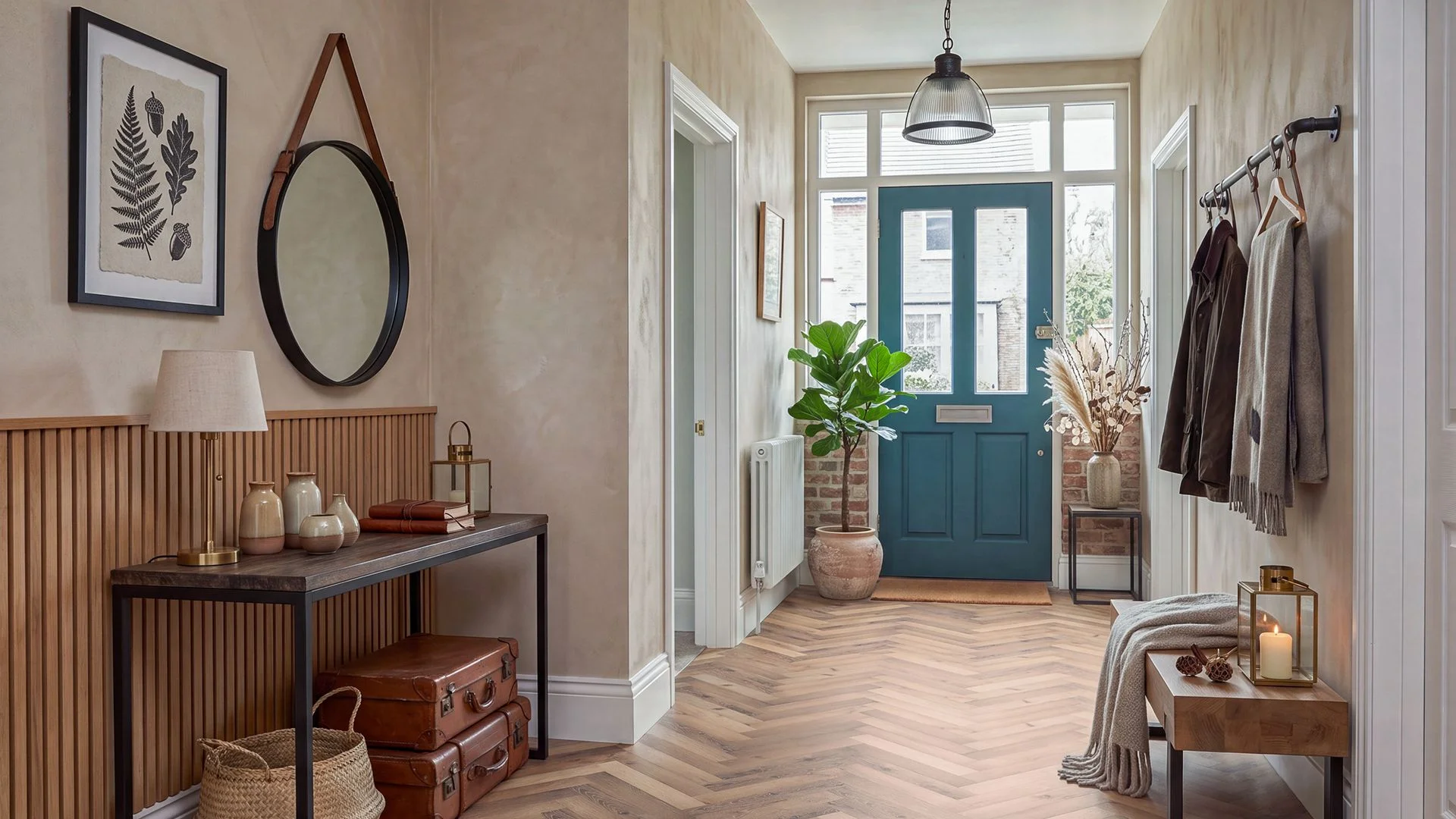
A porch can make an entrance feel more welcoming and shield the front door from bad weather. Whether it can warm a cold hallway is a more practical question. The answer depends on the porch’s design, the condition of the door and windows, and how well the entrance is sealed.
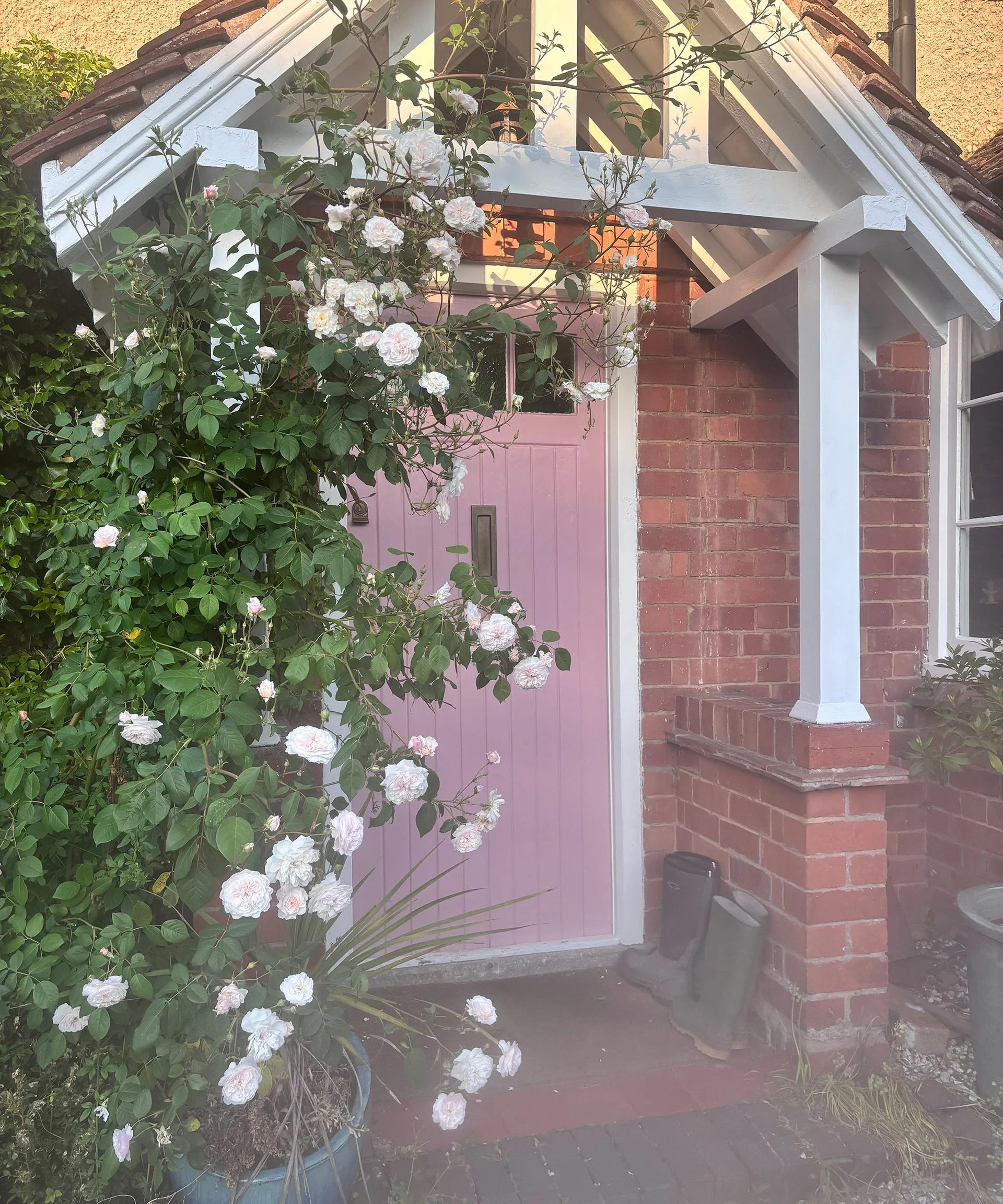
I’m planning to remodel my 1915 house next year, and my entrance hall is easily its coldest room. My original porch has brick half walls, timber posts and a pitched clay-tile roof. It looks good and keeps me dry in the rain, but I’m not convinced it does much for the temperature inside. I asked designers and builders what a porch can realistically do—and where to start before spending money on one. These porch ideas are a useful starting point, but warmth takes more than appearance.
Fix the entrance before adding a porch
Alexandra Hull, managing director and principal director at Back to Front Exterior Design, says a porch may help, but it won’t necessarily cure a cold hallway. First check the front door, its frame and glazing, and the home’s insulation. Gaps around the door can let in draughts; every time the door opens, warm air escapes and cold air enters.
Elizabeth Assaf, co-founder and designer at Urban Front, makes the same point: make sure doors and windows are correctly specified, fitted and sealed before treating a porch as the solution. An enclosed porch can interrupt draughts, but it can’t replace proper insulation and draught-proofing. In many modern homes, upgrading the entrance door and windows may deliver more. An enclosed porch can be particularly useful on older houses or during a refurbishment, where extra shelter is welcome.
Shop hallway draught-proofing essentials
 Bargain buy
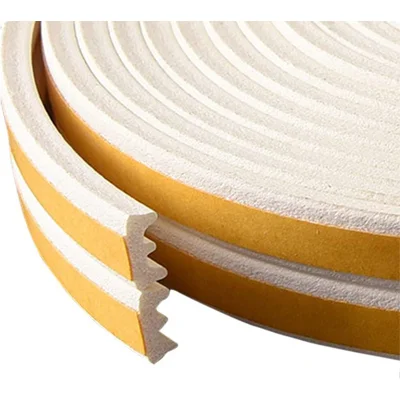
These two 5m rolls can be cut to size and used to seal gaps around entrance-hall doors and windows. Sorting those leaks first can help make other upgrades, including a porch, more worthwhile.
 Various colours
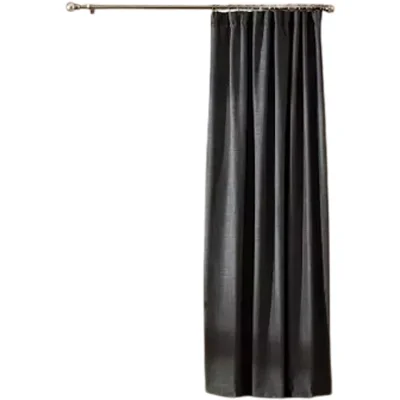
This thick, lined curtain measures 117x213cm and comes in four colours. It’s machine washable and adds a layer against cold draughts at the door.
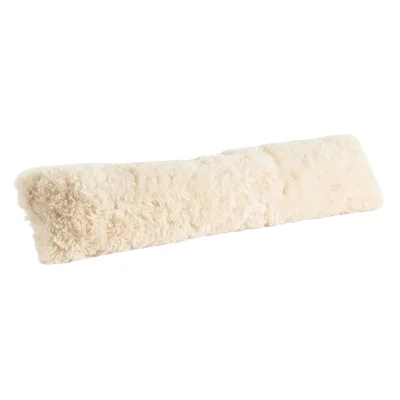 Cosy design
This soft 88cm draught excluder is weighted to stay in place and should fit most front doors. It blocks draughts beneath the door while adding a cosier touch to the room.
Enclosed porches provide a stronger thermal buffer
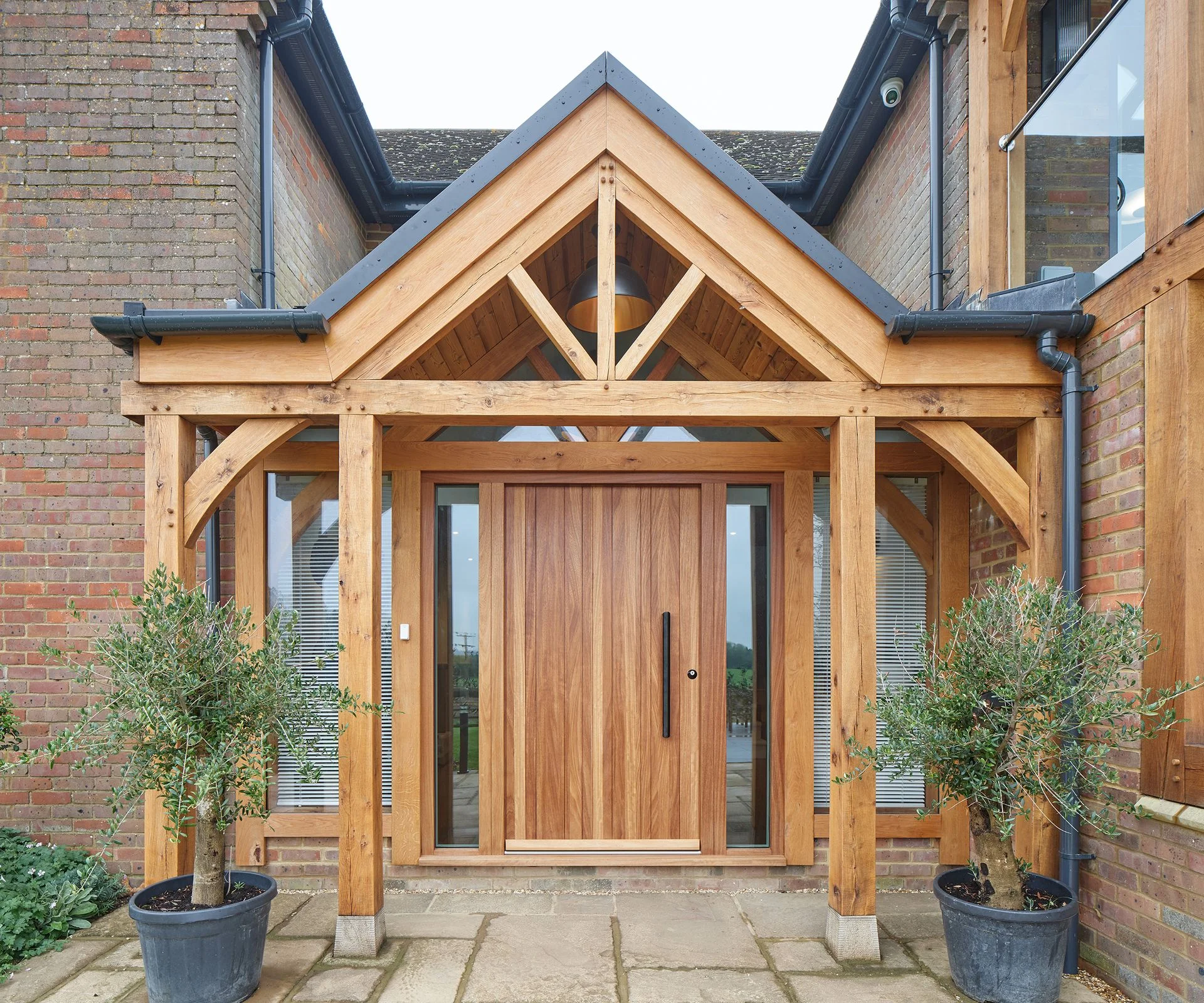
My porch is roofed but open-sided. Would enclosing it improve matters? Hull’s answer is yes: an open porch shelters the door from rain and some wind, but it remains a canopy. When the front door opens, the hallway is still exposed to the outside air.
An enclosed porch with a sealed outer door, glazing and insulation creates an air buffer that slows heat escaping from the hall. That’s the thermal advantage. The trade-off is space: two doors can create a cramped passage, making it awkward to welcome guests or bring children, shopping or dogs inside. An open porch offers a more direct arrival and shelter from wind and driving rain, even though it won’t match an enclosed porch’s insulation benefit.
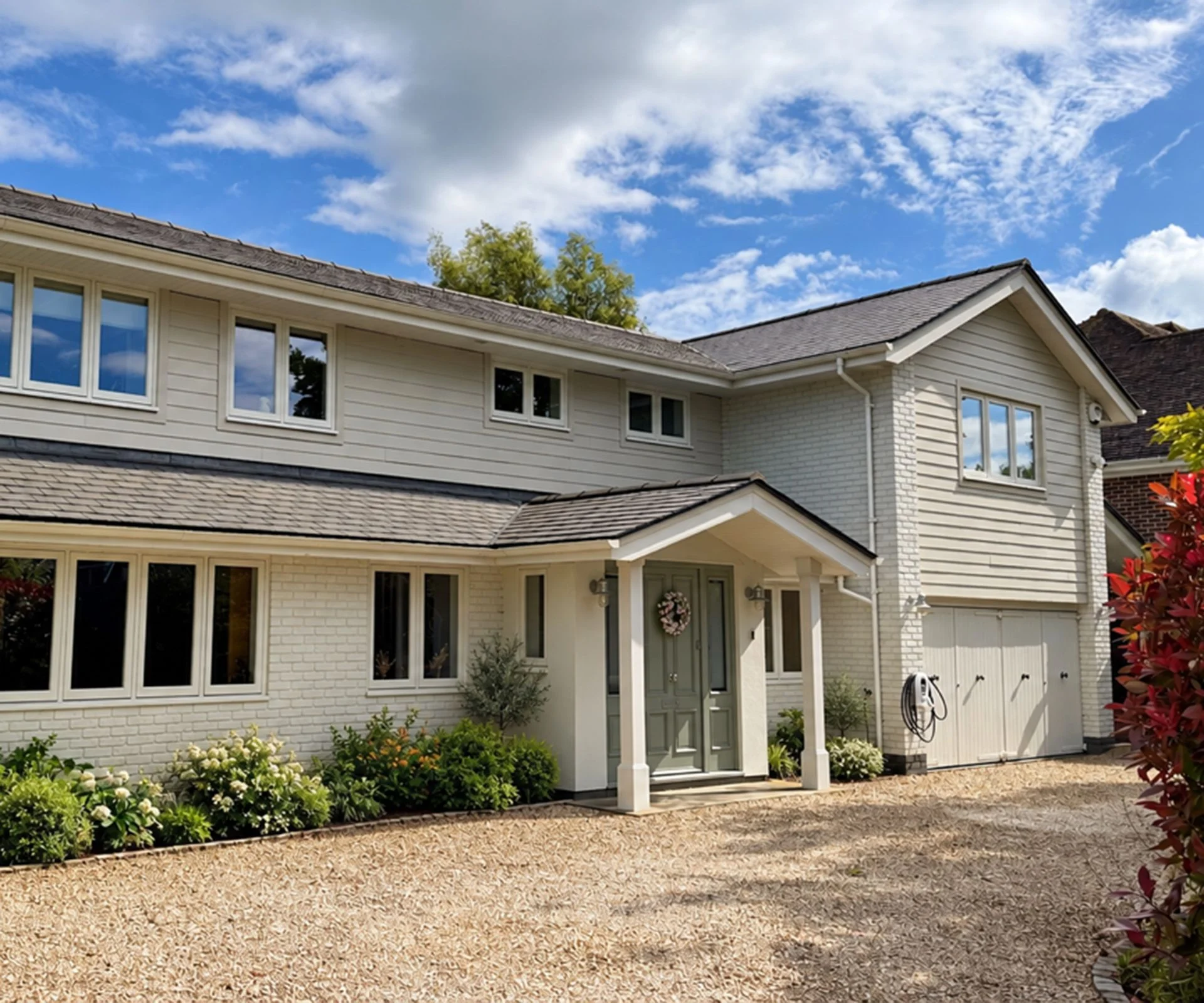
Assaf also distinguishes between an enclosed porch and a covered one. The enclosed version can reduce draughts and improve thermal performance; a roofed porch mainly provides rain cover, cuts some direct sunlight and protects the entrance’s finishes from weathering. Its contribution to heat retention is limited, but that protection can help external materials last longer. For help weighing the layouts, see this guide to enclosed versus open porches and these hallway ideas.
Site the porch for the weather
A porch’s position and exposure affect how much shelter it can provide. Assaf says a recessed entrance, walls on either side or an overhang can help protect a door. Orientation matters too: north-facing elevations get less direct sun and may stay damp longer, while south- and west-facing ones face more UV exposure and driving rain.
Hull’s advice is to consider the prevailing weather, porch depth and height, and whether a side wall could block some exposure. If you’re planning a build, these details belong in the design alongside the porch’s height.
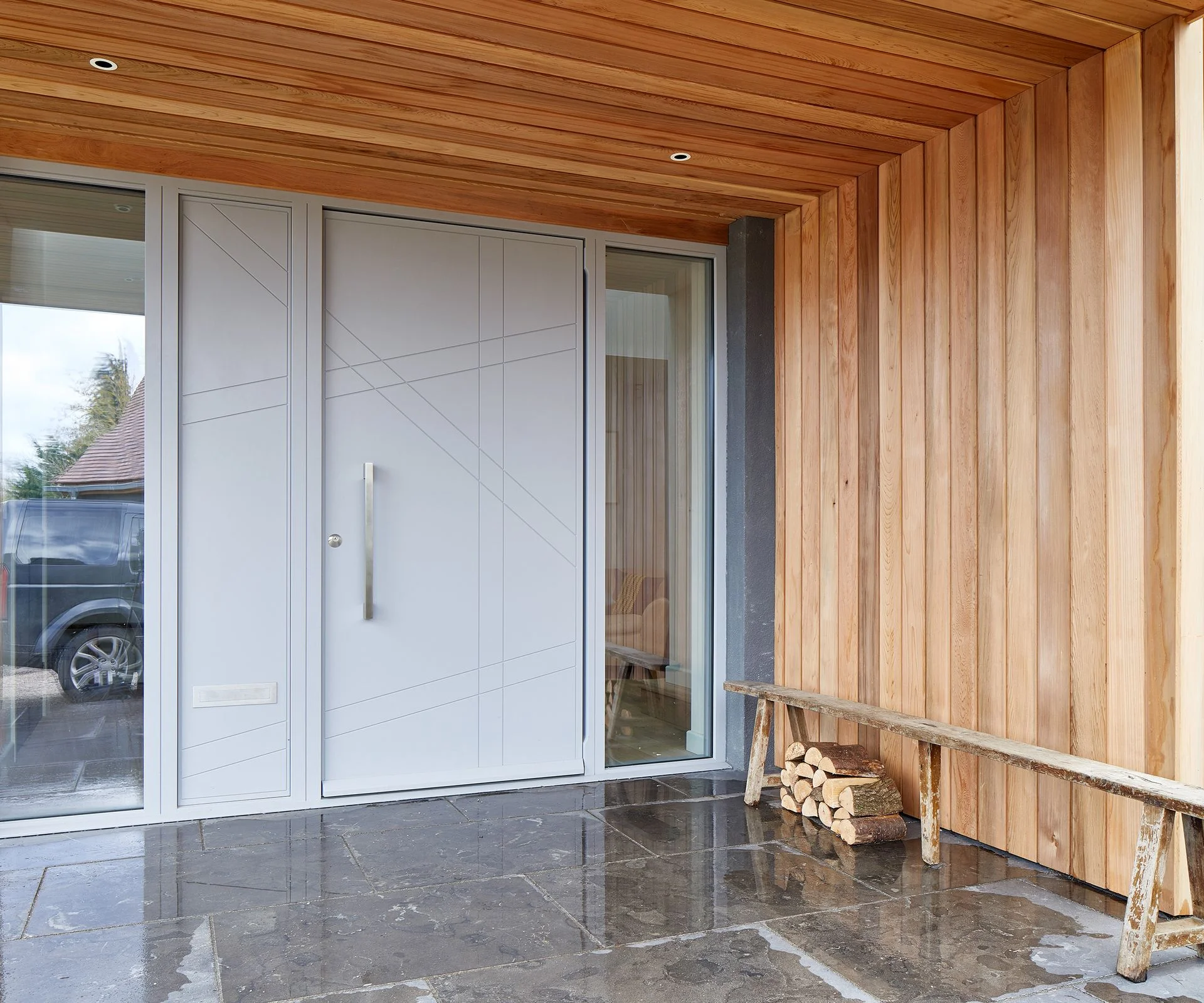
Assaf says the surrounding architecture and location should also inform the door’s design, finish and type, including whether it’s hinged or a pivot door. The right specification can help the entrance last and look better. There’s a limitation, though: pivot doors can’t be fully weather-tight, so they aren’t suitable for homes undergoing air testing.
Keep the porch cold and the inner door sealed
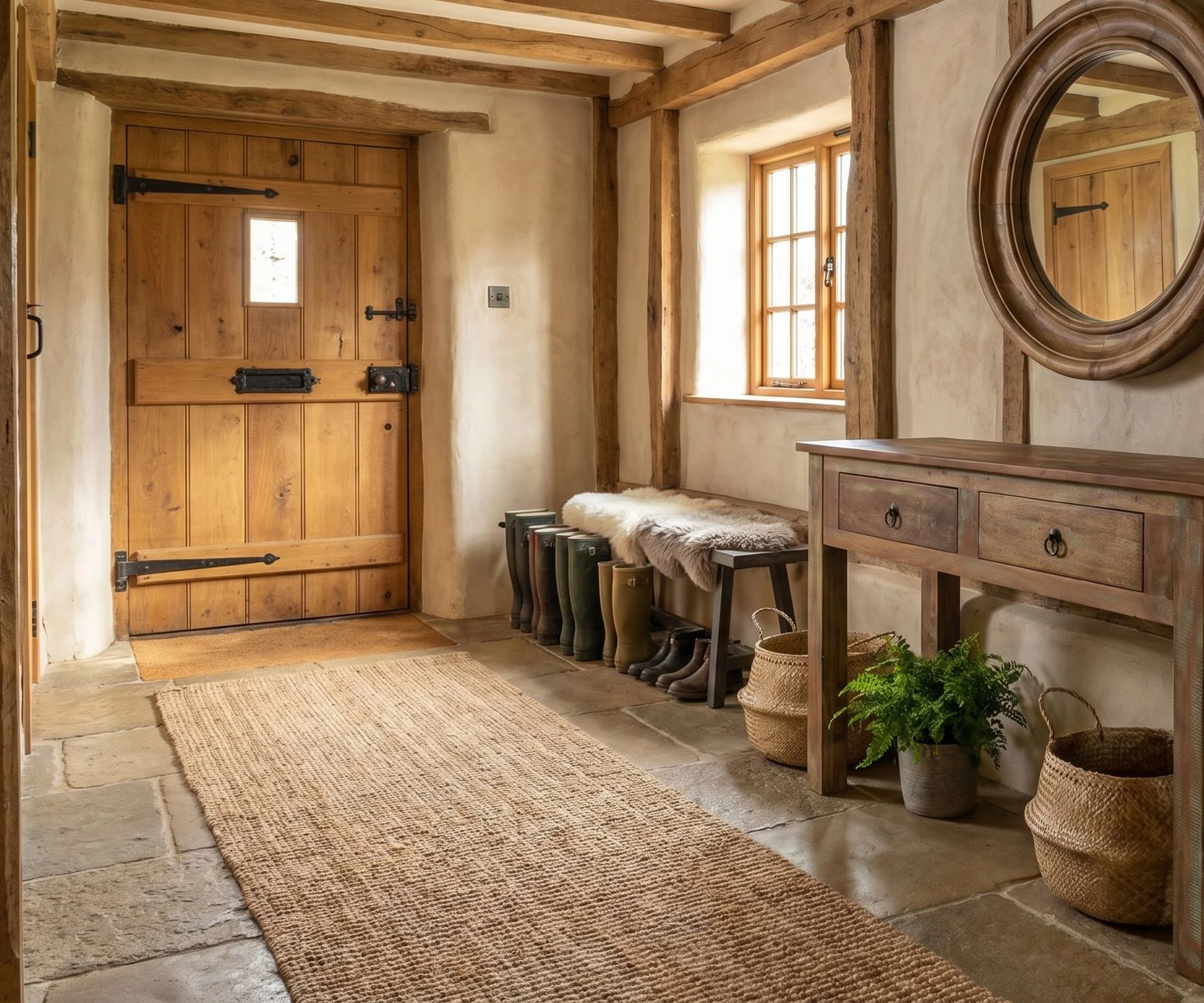
If you’re adding a porch or improving one you already have, the goal is to create a reliable break between outdoors and the heated rooms. Assaf recommends treating an enclosed porch as an unheated buffer, with an efficient external door to the house and good seals, glazing and insulation across the entrance. Keeping the porch separate from the heated hallway helps preserve that buffer effect. She adds that a high-performance entrance door may provide strong thermal separation without a second internal door.
Jake Vincett, co-director of Heritage Build Group LTD, puts the emphasis on the inner door: it should be well insulated and draught-proofed, including at the letterbox. Don’t heat the porch, he advises; seal the gaps and open one door only after the other is closed. That simple routine helps keep warm air in and cold air out. If you’re budgeting for a project, compare the likely benefit with your porch costs.
A good front door may matter more than an extra room
I’ve been draught-proofing my own front door in preparation for winter, though it’s too soon to say how much warmer the hallway will feel. Assaf says a well-made, well-fitted door with strong thermal insulation may do more than adding a room to the entrance. Modern door sets are tested and certified against demanding thermal standards; across much of Europe, new-build homes must meet them.
That helps explain why many contemporary self-build homes have no enclosed porch unless it serves an architectural or aesthetic purpose. If the door performs well, an added enclosure may not be necessary for heat retention.
FAQs
What’s the best way to make a cold hallway feel warmer?
Start by checking the entrance as a whole: the porch, front door, windows, insulation and heating all play a part. Browse these front door ideas and consider whether your home needs better hallway radiators. My own radiator is undersized and spends much of its time blocked by coats hanging above it, so that’s another job on my list.
Georges Cornah, managing director at Warm4Less, suggests hanging a heavy thermal curtain behind the front door as an inexpensive extra layer. He also recommends keeping the porch cold for coats, shoes and boots, so wet items don’t dry in the heated hallway, and sealing any gaps where an existing porch meets the house wall.
Hull’s broader point is that an entrance should do several jobs: look good from the street, shelter people from the weather, support thermal performance and feel pleasant to use. An open porch may be the right choice if the flow of arrival matters more than creating an airlock; an enclosed one can offer more protection, provided it doesn’t make the entrance awkward.
Before committing to a new structure, check the common porch mistakes that can turn an upgrade into a costly problem. Once it’s built, these porch storage ideas can help keep the space tidy and useful.


Discussion
Sign in to join the discussion.