Octopus’s Cosy Cooler uses existing heating pipes to cool a room, but it requires a Cosy heat pump and isn’t expected to launch before 2027.
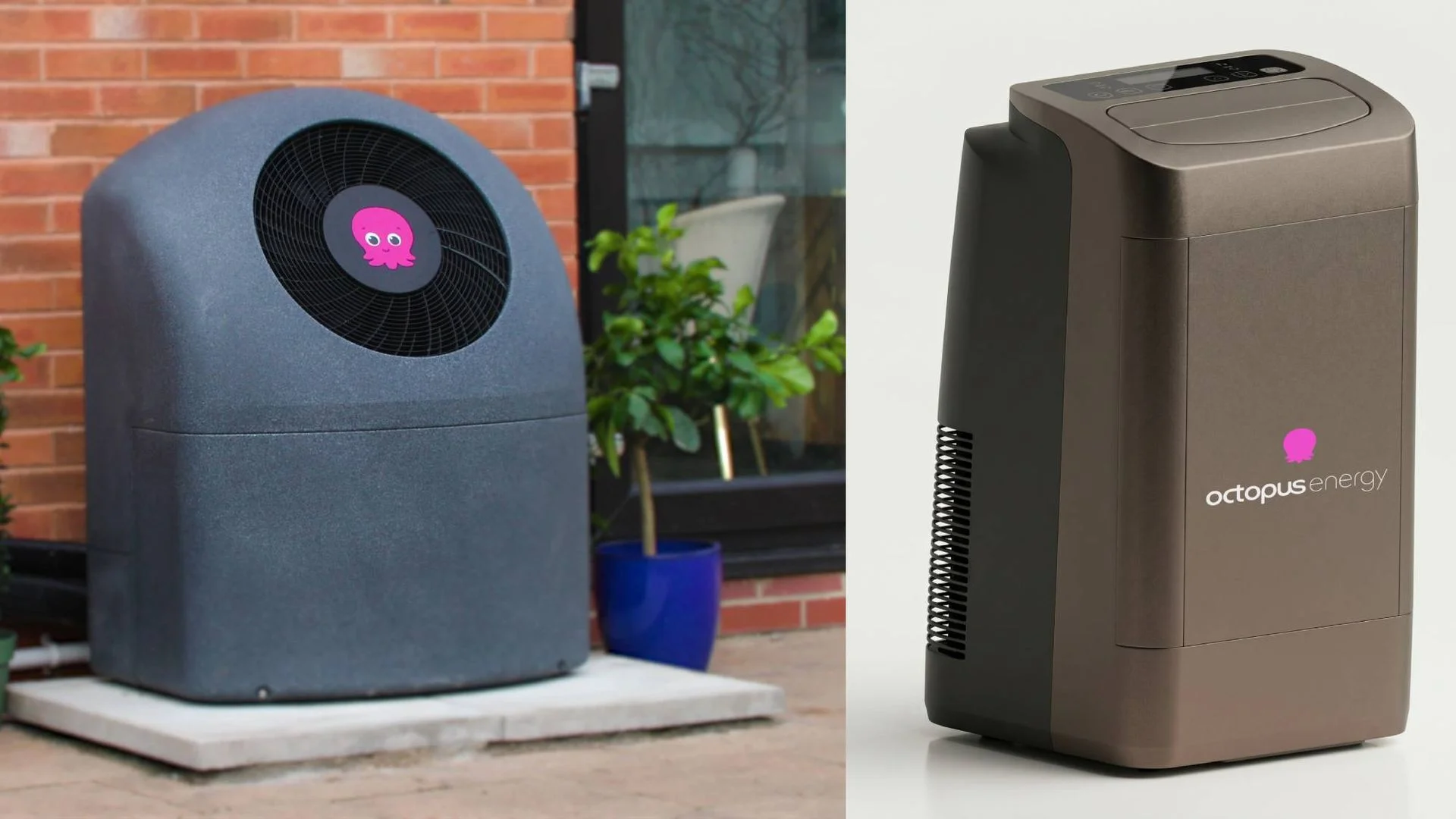
Octopus Energy’s Cosy Cooler could offer heat pump owners a way to add room cooling without major building work. The unit connects to existing heating pipes, but it only works with Octopus’s Cosy heat pumps, which limits who can use it.
Octopus estimates the appliance will be about the size of an average kitchen bin and cost £500–£600. A professional installer should be able to fit it in under three hours, the company says. In a recent test, it lowered a room’s temperature from 30°C to 20°C in 90 minutes.
Cooling through the existing heating circuit
The Cosy Cooler transfers heat from indoor air to water circulating through the home’s heating pipes. The water carries that heat to the outdoor heat pump, which releases it outside, while the unit sends cooler air back into the room.
Installation usually means connecting the appliance to the inlet and outlet pipes near a radiator. TJ Root, Octopus Energy’s heat flexibility director, says it can also connect to accessible heating pipes elsewhere in the room. Because it joins the pipework directly, the existing radiator type doesn’t matter.
Octopus says the system is designed to keep water in the pipes above the dew point, when moisture in the air begins to condense. That should help limit condensation on pipes and reduce the risk of damp affecting floors and the home.

Room-by-room cooling has limits
Like most portable or fixed air-conditioning units, the Cosy Cooler will have its strongest effect in the room where it’s installed. It may cool a larger area, Root says, but closed doors will restrict how much cooling reaches other rooms.
Cooling several rooms at once would require multiple units and a larger Cosy heat pump. Octopus says some of its larger models can run two or three Cosy Coolers. For the most even results, Root recommends placing a unit in each room people want to cool.

Trials continue ahead of a planned 2027 launch
Octopus hasn’t confirmed a launch date, though it expects the product to arrive in 2027. The company is recruiting customers interested in home trials through this form.
Root says the trials are measuring real-world cooling, speed and energy use. Octopus is testing the product at UK research and development centres and in customers’ homes, with the aim of improving performance and ease of use before wider release.
Running costs and heat pump compatibility
Octopus says the Cosy Cooler’s energy use will depend on room size and temperature, but won’t exceed that of a typical portable air conditioner. The company hasn’t released exact specifications and says it will share them closer to launch.
Octopus also expects the unit to cool as effectively as traditional air-to-air heat pumps, while costing less and requiring a faster, less invasive installation. Those comparisons remain subject to the ongoing performance trials.
The compatibility requirement is the key practical constraint: customers need an existing Cosy heat pump or must be considering installing one. The Cosy Cooler itself won’t qualify for the Boiler Upgrade Scheme, according to the source report.
Energy expert David Hilton described the product as a step in the right direction for cooling in new homes and major renovations. Heat pumps, he said, create the option of cooling that boilers don’t provide. For homeowners weighing the system, Octopus’s remaining trial results and final energy specifications will help show how well the convenience translates into everyday use.

Discussion
Sign in to join the discussion.