Underfloor heating frees wall space and spreads warmth evenly, but it calls for more planning and changes how floors feel and laundry dries.

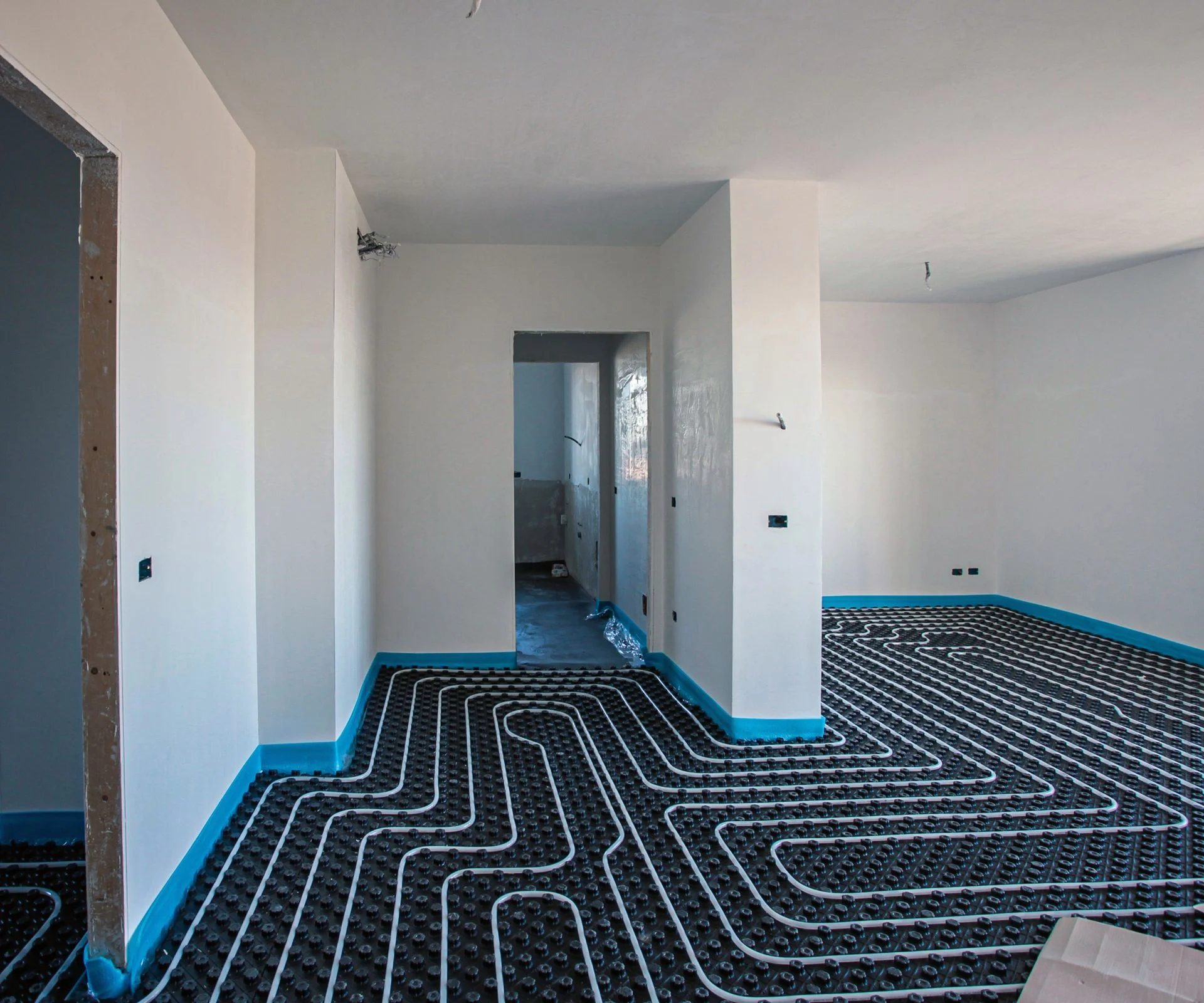
Replacing radiators with underfloor heating changes more than where the heat comes from. The floors gain steady warmth and the walls open up, but daily routines shift too: rooms take longer to warm, heating needs a schedule, and radiators no longer double as laundry racks. After making the switch, these are the four adjustments I’d factor in.
I still prefer the even heat and extra wall space that underfloor heating offers. The main trade-off is losing the quick warmth and everyday convenience I took for granted with radiators. If you’re considering a system, those details matter as much as the headline benefits.
1. Warm-up time changes how you use the heating
Underfloor heating can take between 30 minutes and several hours to warm up, depending on the system, insulation and floor covering, says Tom Edmunds, heating expert and general manager at Wunda Group. That’s a marked change if you’re used to switching on a radiator and feeling a quick rise in temperature.
Turning the thermostat higher won’t make the floor heat up faster, Edmunds says. It can, however, increase running costs. The system type and flooring both affect how quickly warmth comes through. Electric underfloor heating paired with tiles is generally quicker to warm, but it costs more to run than a wet system and is usually a better fit for smaller rooms, such as bathrooms.
That slower response is the adjustment I noticed most on cold days. I miss being able to sit beside a radiator and get a near-instant boost of warmth. A portable heater can provide that quick top-up when needed.
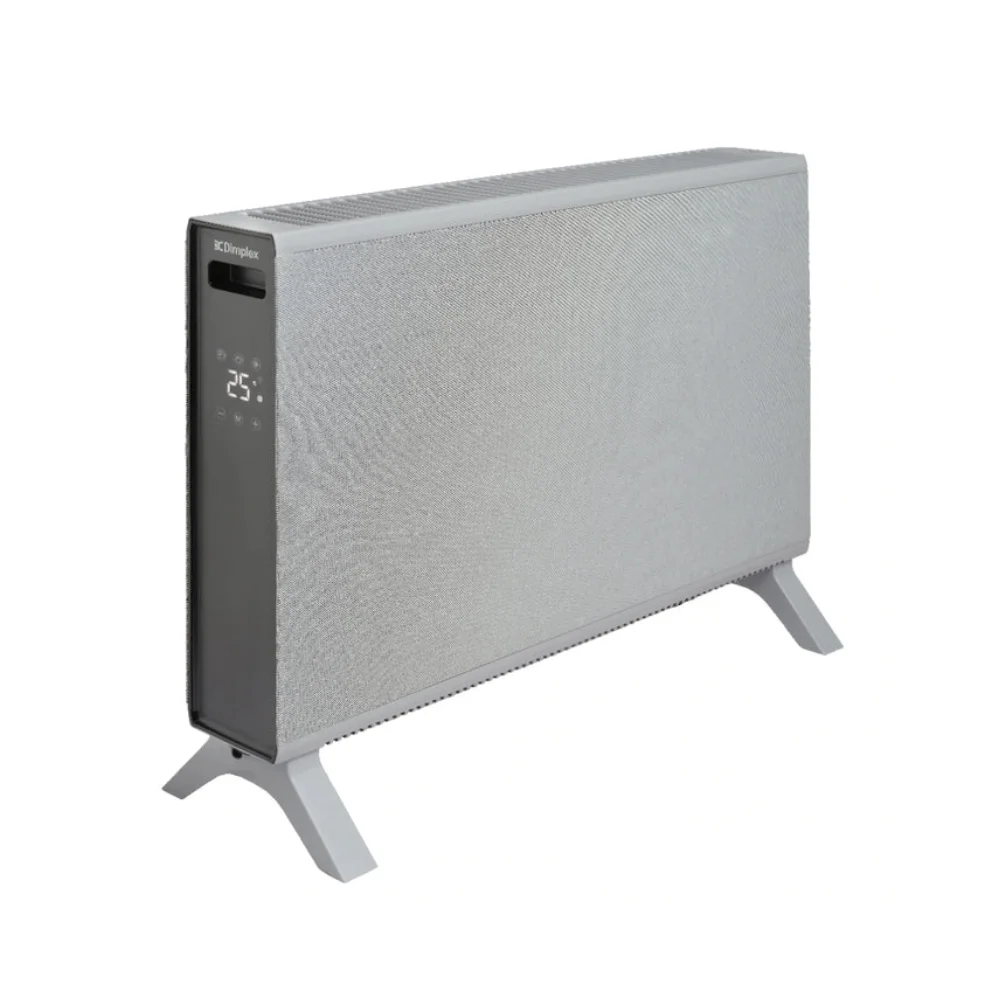
When I want warmth quickly, I use this smart portable heater. It runs quietly and can be controlled at the tap of a button.
2. A heating schedule becomes part of the setup
Because the floor takes longer to warm than a radiator, it helps to decide when you want rooms to be comfortable and set the heating to start ahead of time. I now use a regular schedule, so the floors are warm by the time I get up and when I return home in the evening.
That requires a little more planning than switching radiators on when a room feels cold. Even if you already use a heating schedule, you may need to allow more lead time. A thermostat can help manage the timings and temperatures.
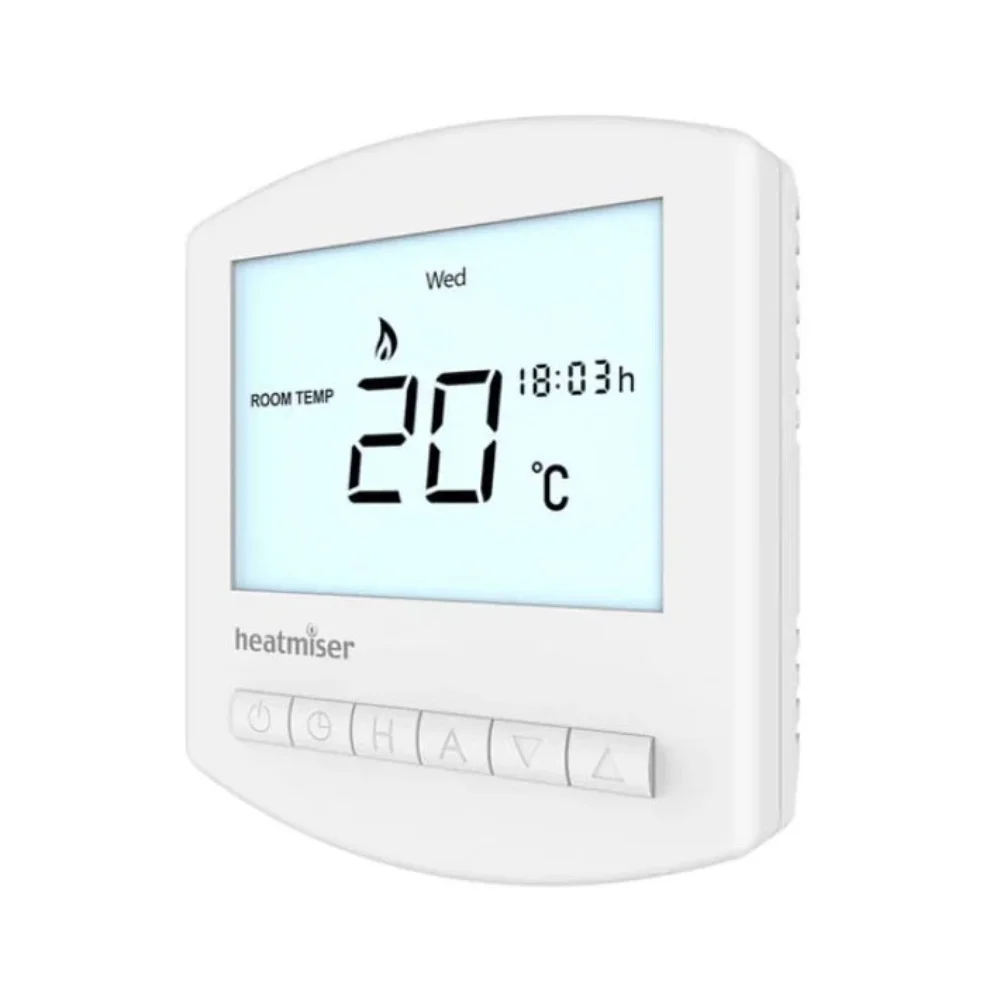
This battery-powered thermostat lets me set four temperatures at different times of day.
3. The warmth underfoot is subtle
I expected the floor to feel distinctly hot. In practice, it’s warmer than the wooden flooring in my old home, but the difference is gentle enough that I often barely notice it. I still wear socks, and the heat builds gradually.
What you feel depends on the flooring, the room temperature and the system setting. It’s also useful to understand what the thermostat measures: the sensor records the temperature where it’s located, rather than directly measuring the floor. That means a comfortable room reading doesn’t necessarily translate into the warm floor sensation you might expect.

4. Laundry needs a new drying spot
Radiators had an everyday use beyond heating: they gave me somewhere to drape small items, such as tea towels and cloths, when I wanted them to dry quickly. Without that option, a heated clothes airer can help, but it takes up floor space, which can be awkward in a small room. Getting out an airer for just one or two items also feels like extra work.
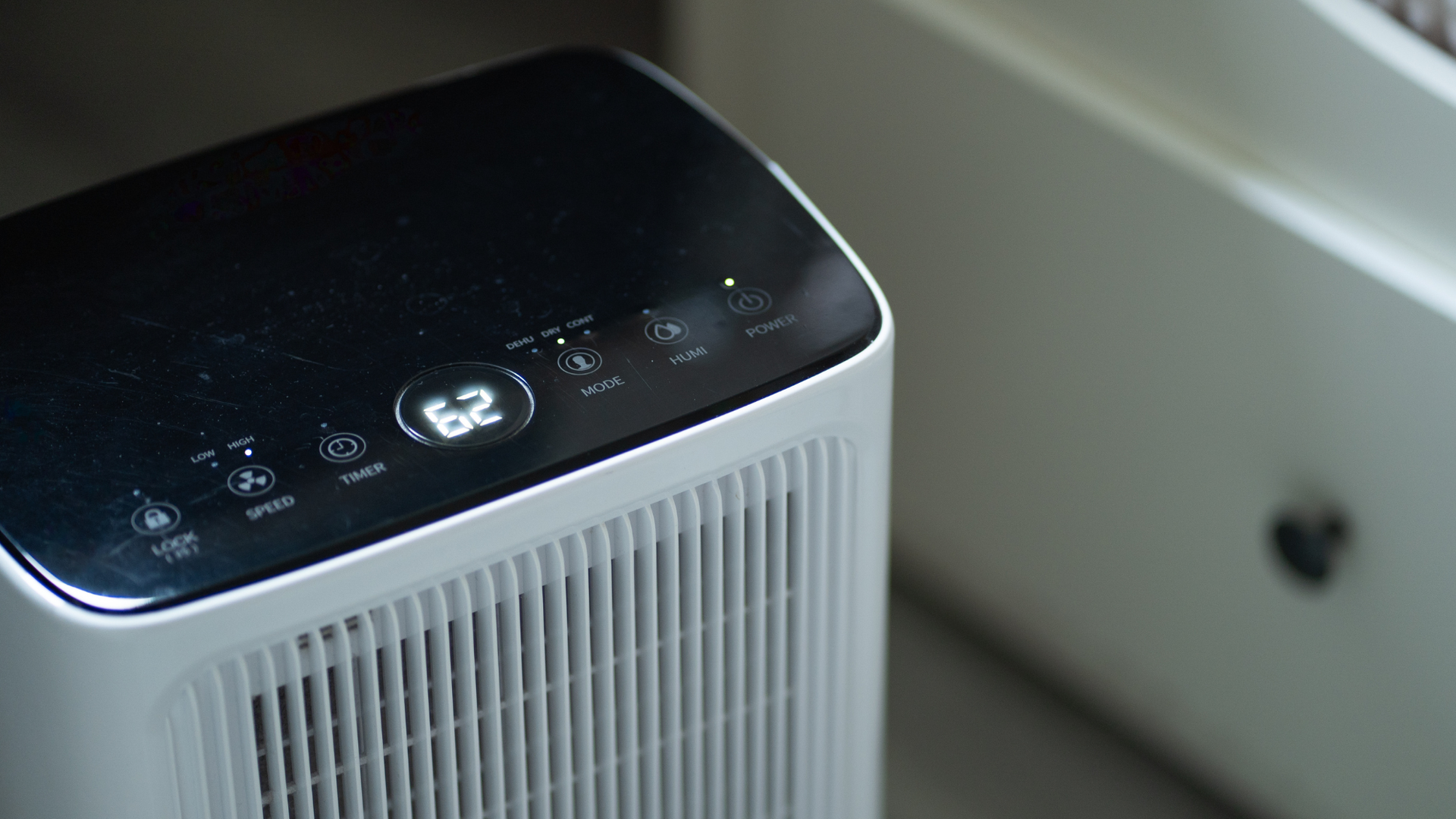
A pulley rack is one way to dry clothes while keeping the floor clear. Pairing indoor drying with a dehumidifier can also help; the source recommends Meaco's DD8L model following testing.
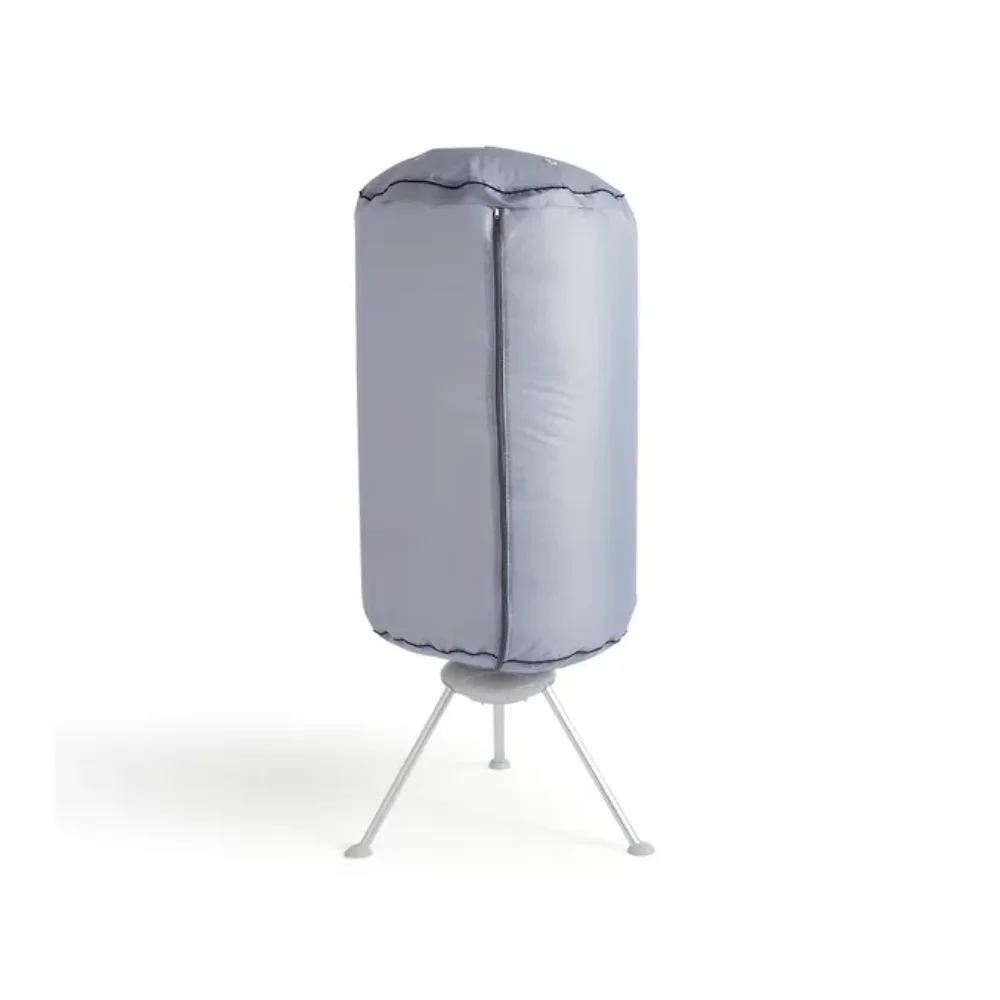 Foldable
This heated airer folds away for storage and includes a timer for drying cycles.
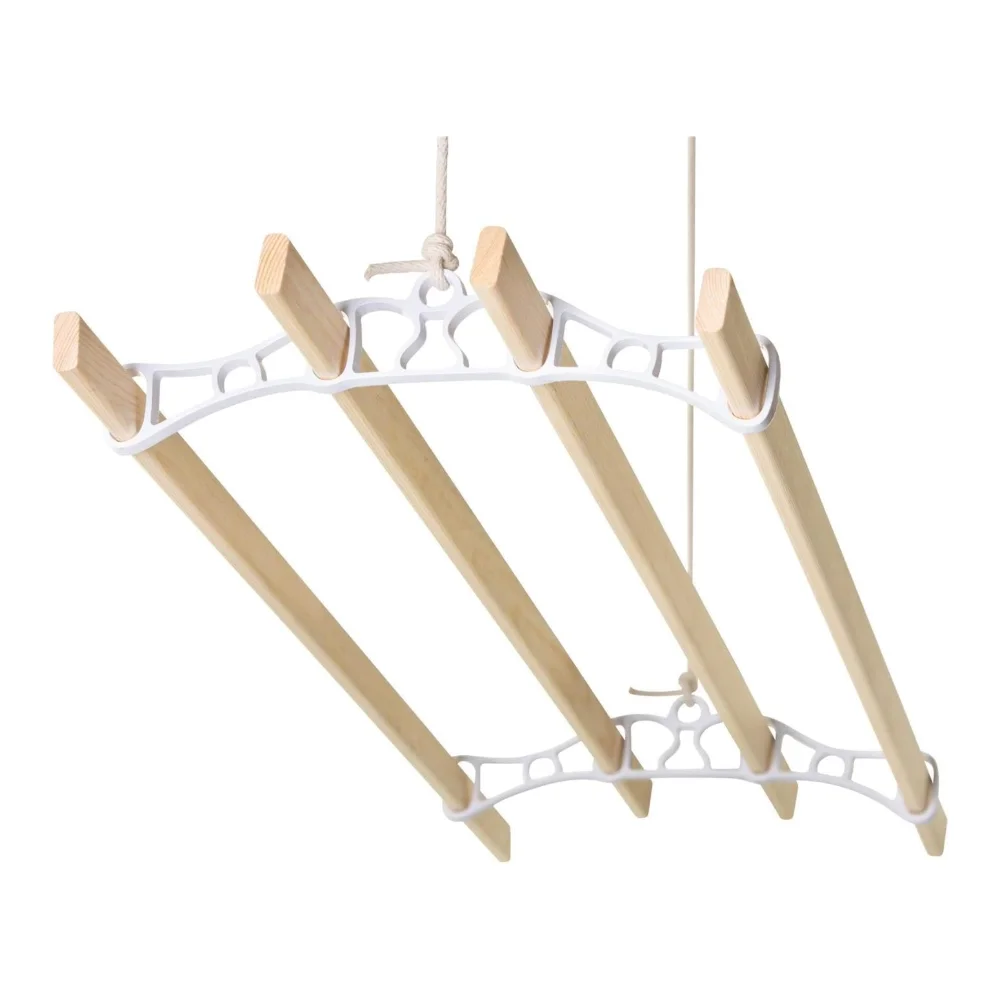 4 slates
This ceiling-mounted pulley rack provides four slats for drying clothes while freeing up floor space.
I still miss the fast warmth and laundry convenience of radiators. But the steady heat, fewer cold spots and freedom to use the walls differently make underfloor heating a worthwhile change for me. The practical takeaway is to plan for slower warm-up and indoor laundry before choosing a system; guidance on underfloor heating mistakes and installation costs can help shape that decision.
ાન્ય

Discussion
Sign in to join the discussion.