Huawei’s Watch D3 pairs quiet, overnight blood pressure tracking with a comfortable design, though its price and limited app selection narrow its appeal.
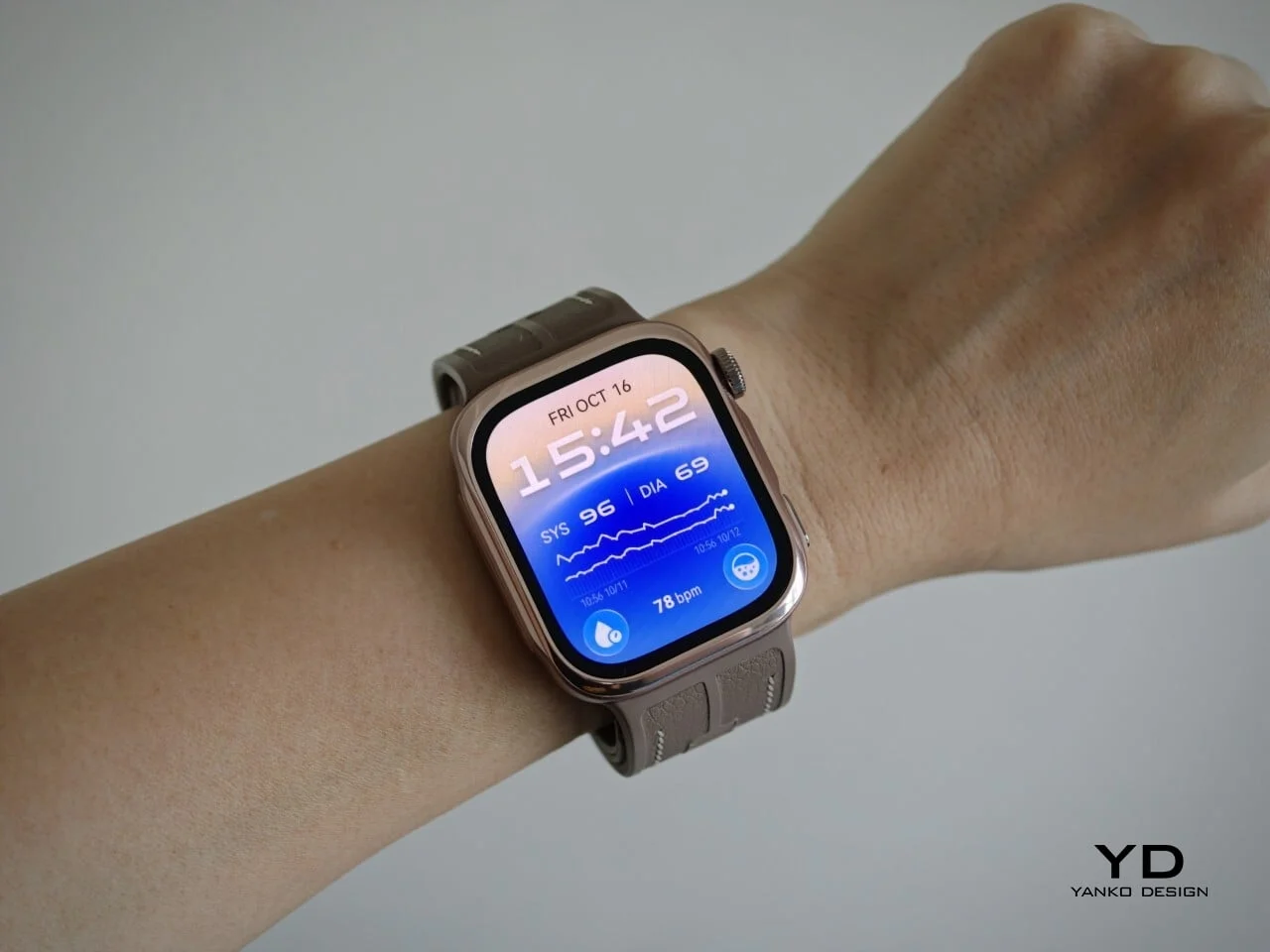
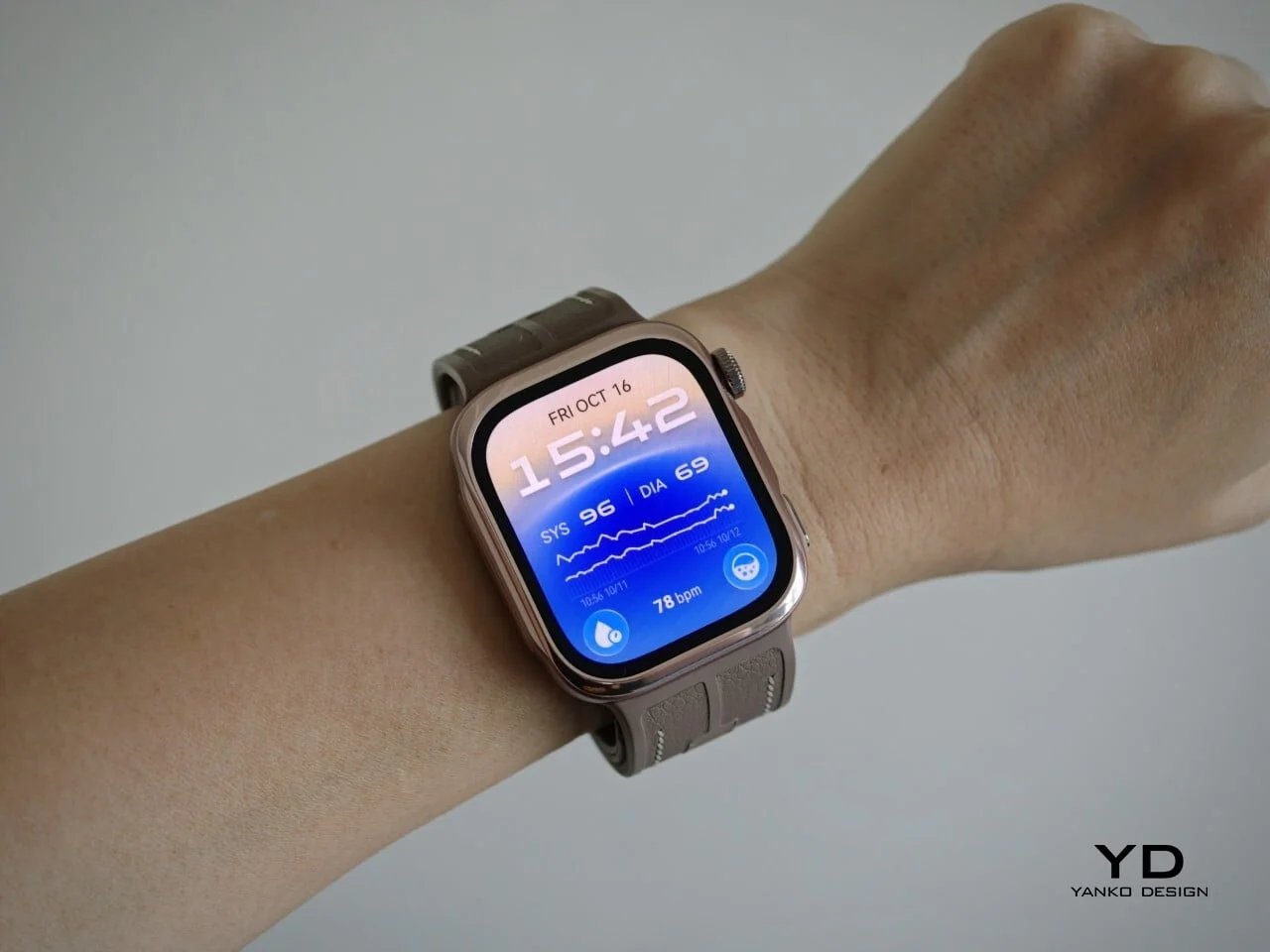
The Huawei Watch D3’s main appeal is unusually specific: it brings cuff-style blood pressure measurements, including scheduled readings overnight, into a watch that feels comfortable enough to wear every day. That combination makes it more practical than its specialized hardware might suggest. The trade-offs are a £399.99 UK price, a limited selection of third-party apps, and less freedom around water than many smartwatch owners expect.
That focus matters because high blood pressure can go unnoticed. The watch is designed to collect readings over time, giving users a fuller picture than a single spot check. It isn’t a replacement for professional care, but Huawei has built a wearable around making regular measurement less disruptive. In my time with the D3, the quiet readings and easy overnight wear stood out as much as the blood pressure feature itself.
Designer: Huawei
A health watch that looks like a watch
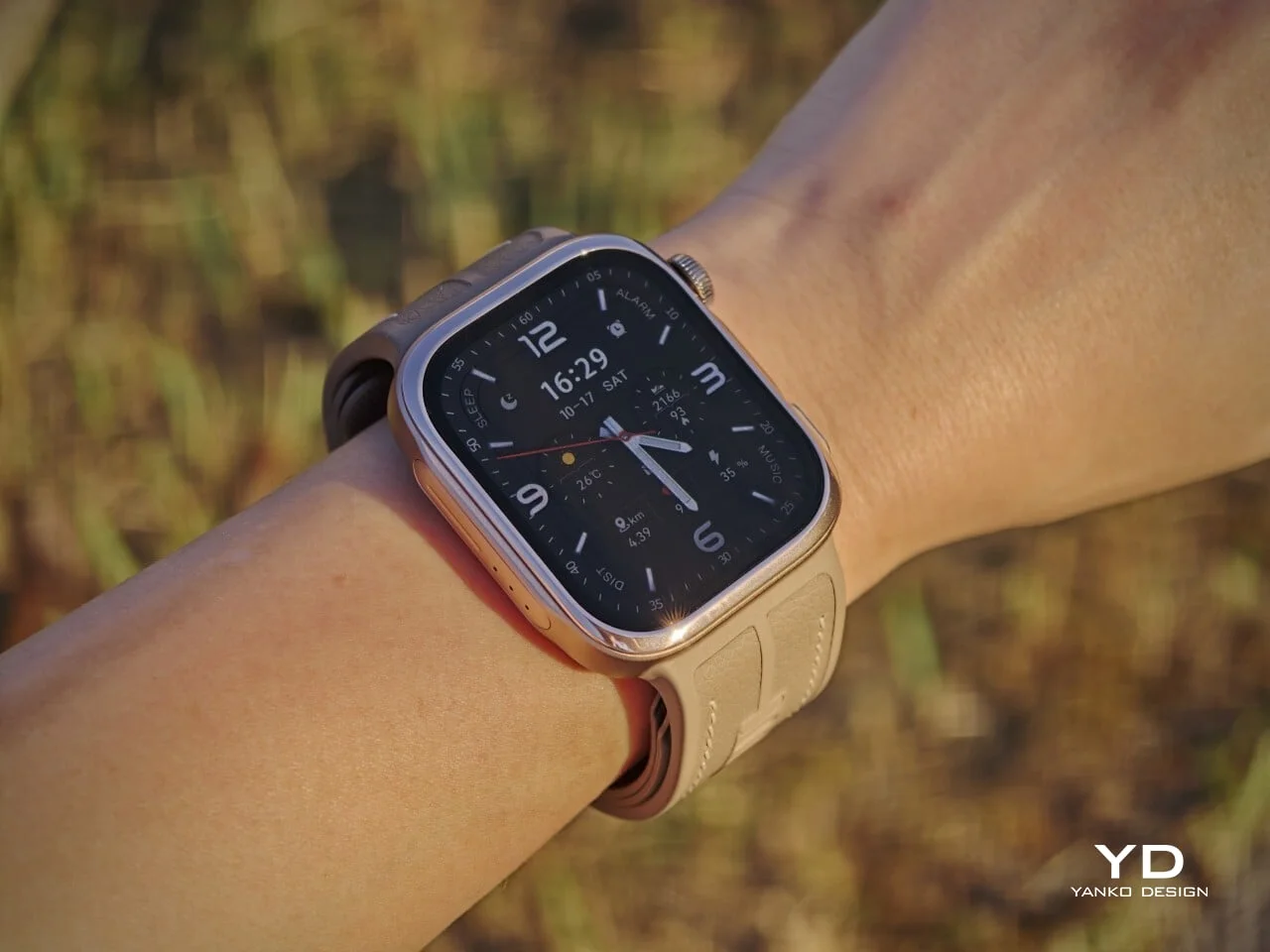
A blood pressure monitor needs an inflatable cuff; on the D3, Huawei has built a small airbag into the strap. That could easily make for an ungainly device. Instead, the watch has a polished rectangular case and a conventional smartwatch silhouette. It reads as an everyday wearable, with the extra hardware easy to miss until a measurement begins.
The design falls between the familiar look of an Apple Watch and the more pronounced presence of an Apple Watch Ultra. Huawei sells the D3 in White, Black, and Mocha Gold. My review unit was Mocha Gold, with a matching fluoroelastomer strap. The finish gives it a warmer appearance, while the rectangular screen keeps the overall look straightforward.
Comfort makes the monitoring practical
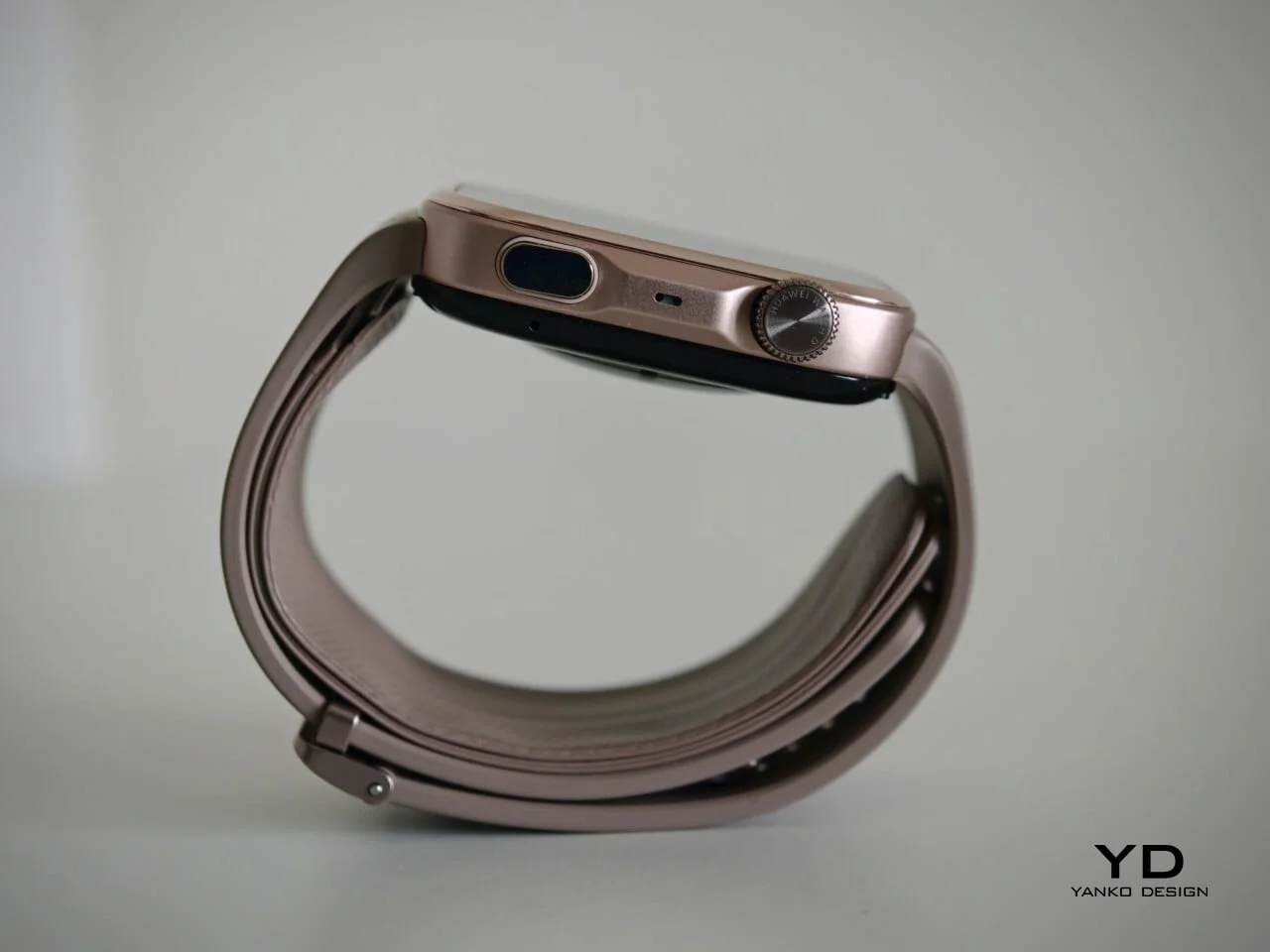
The D3 measures 1.83 by 1.61 by 0.44 inches and has a 1.92-inch display. Those dimensions make it a substantial watch, but the screen doesn’t overwhelm the wrist. Huawei has reduced the thickness from 0.52 inches on the Watch D2 to 0.44 inches here, and the slimmer case helps the device feel less specialized.
The strap is thicker than a standard smartwatch band because it houses the airbag. Even so, I didn’t find it cumbersome during the day or overnight. At around 1.41 ounces without the strap, the watch has some heft without becoming tiring to wear. Its construction fades into the background surprisingly quickly.
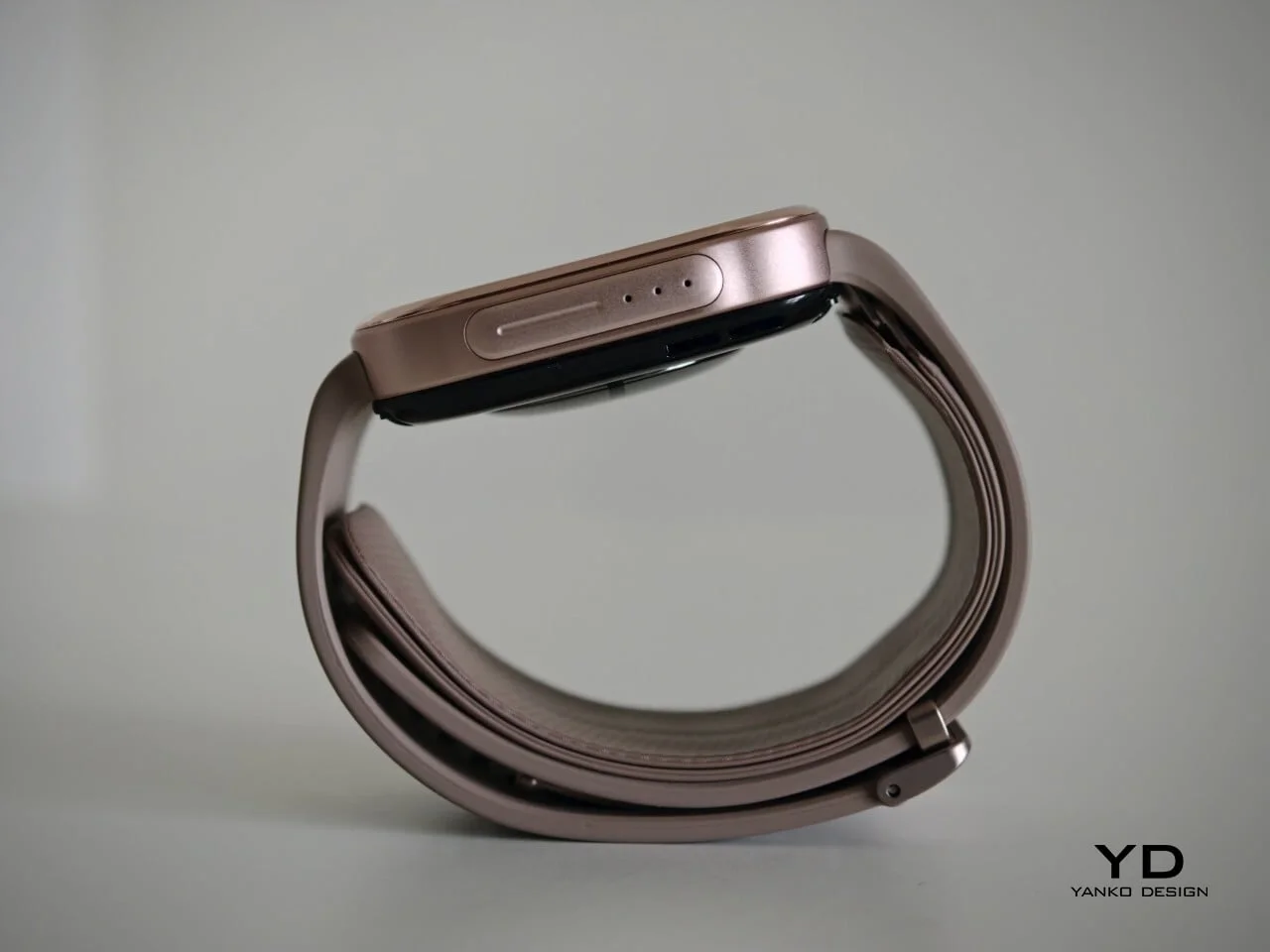
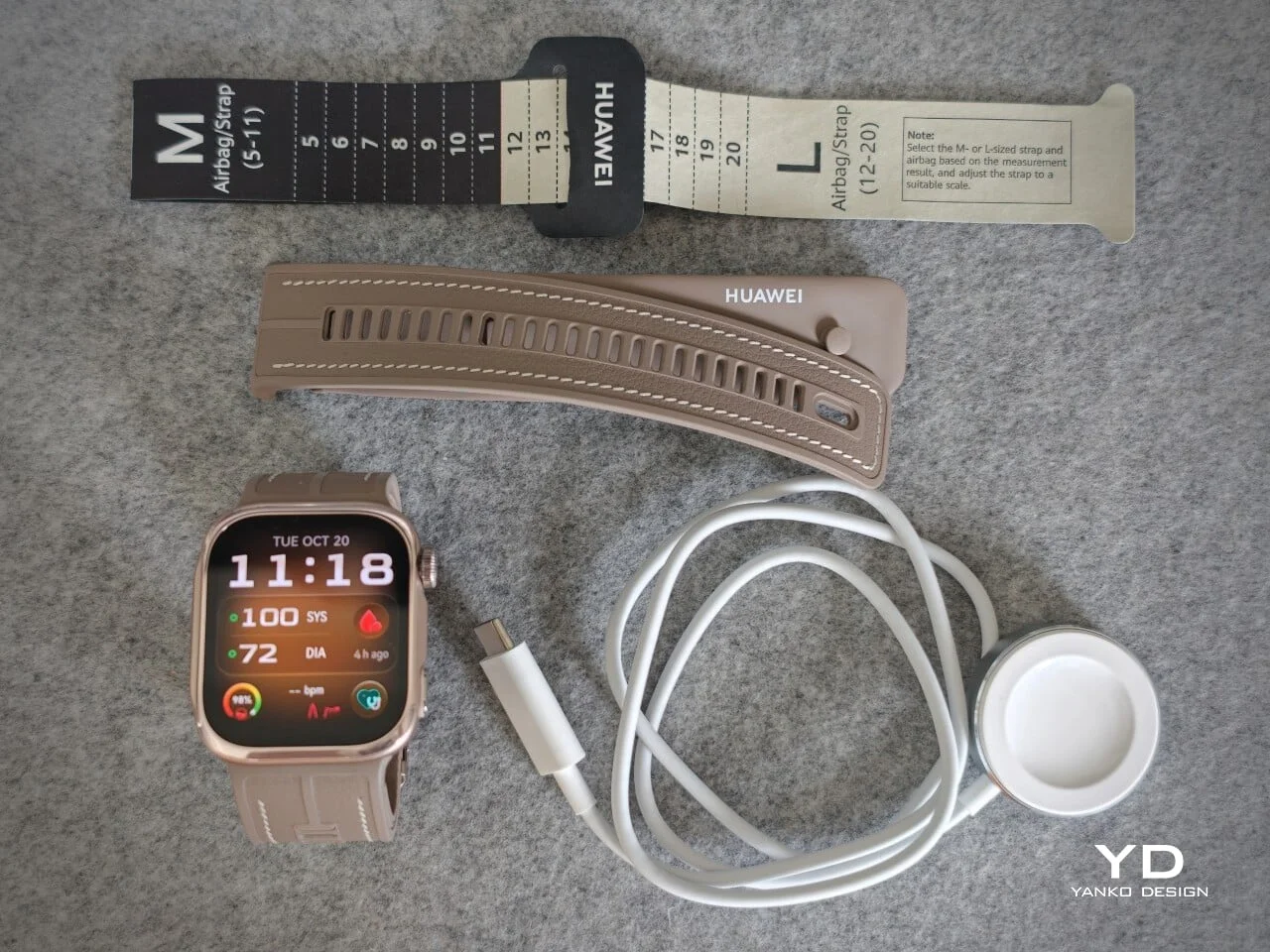
Getting the fit right matters for a device built to take blood pressure readings. Huawei includes a paper measuring guide and two strap sizes, which helps users choose a suitable fit. That attention is useful: the D3’s unusual strap is part of how the central feature works, rather than a cosmetic detail that can be swapped for any band.
Blood pressure readings, day and night
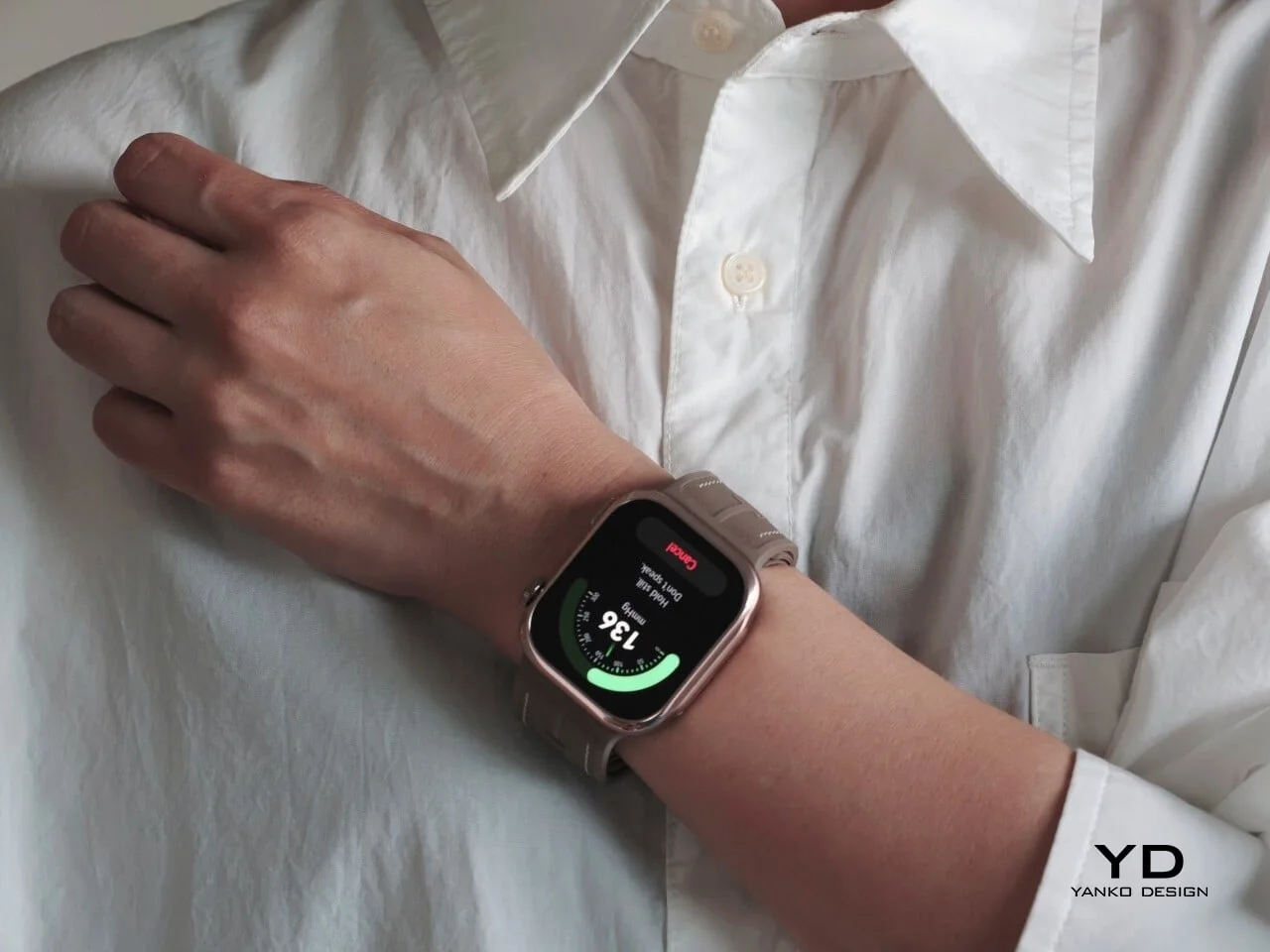
The first surprise during a measurement is how quiet the D3 is. The pressure building around the wrist is noticeable, but the watch makes virtually no sound. That keeps the process discreet and makes routine readings feel less disruptive than I expected from a wearable with an inflatable strap.
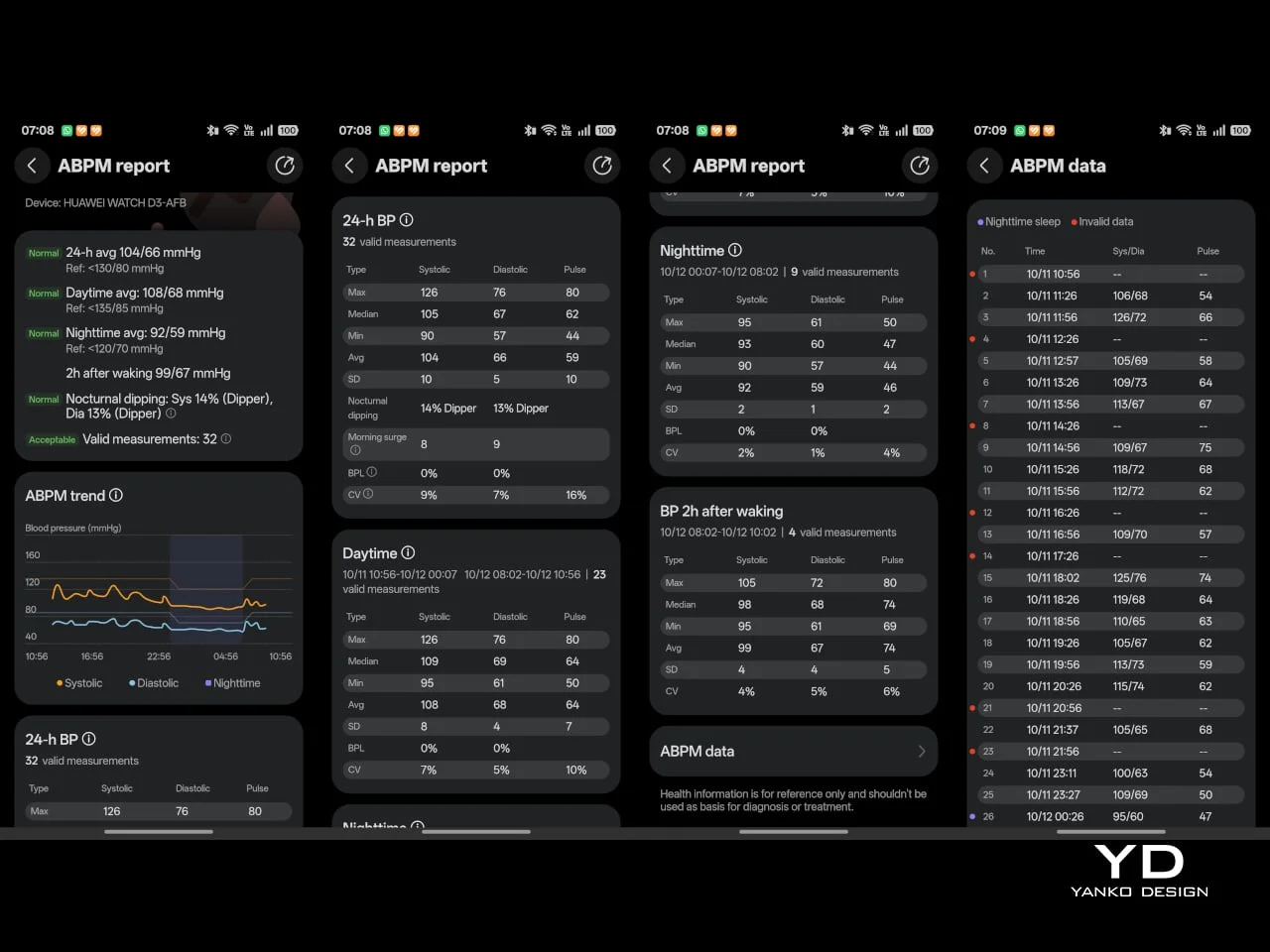
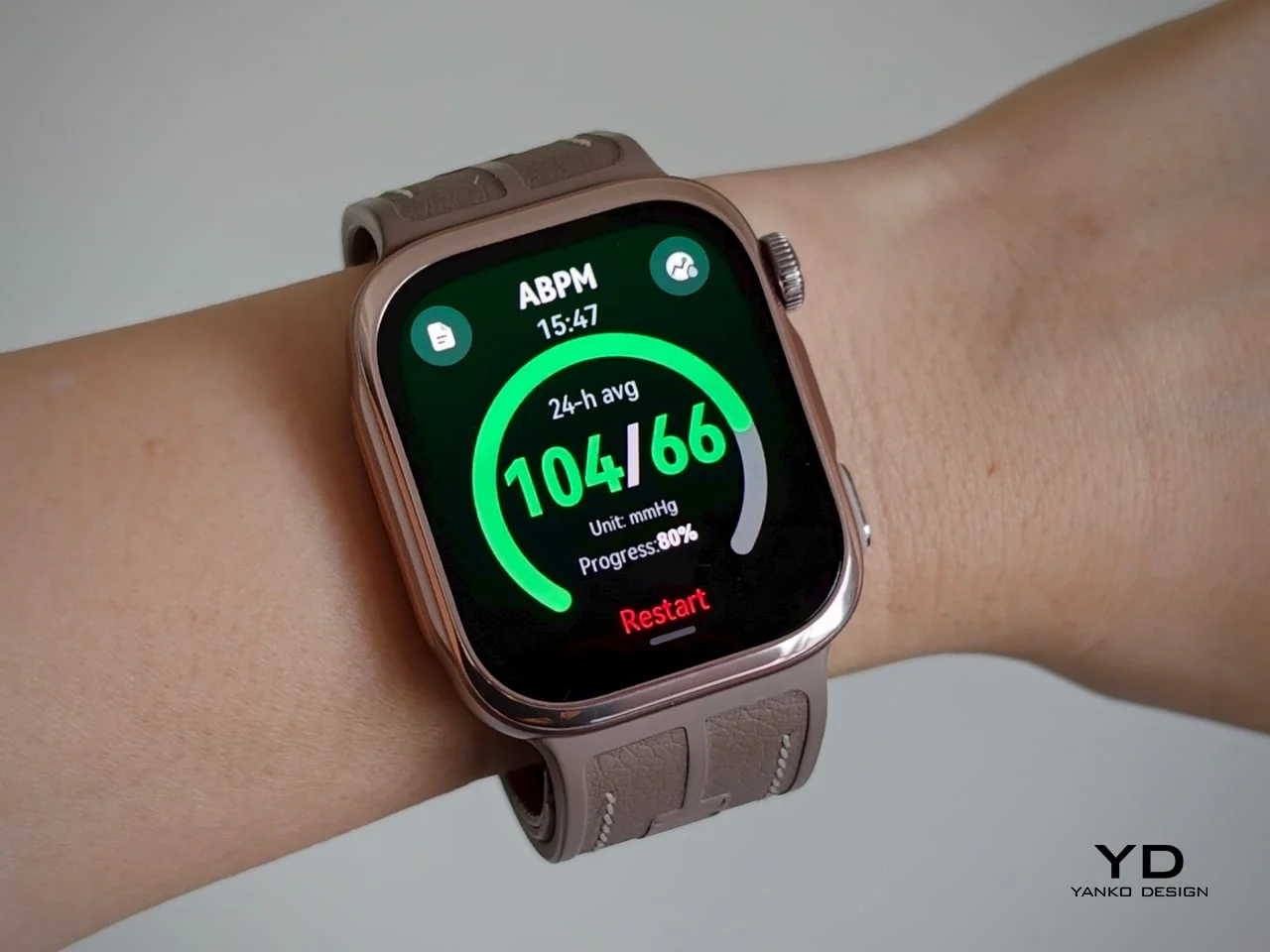
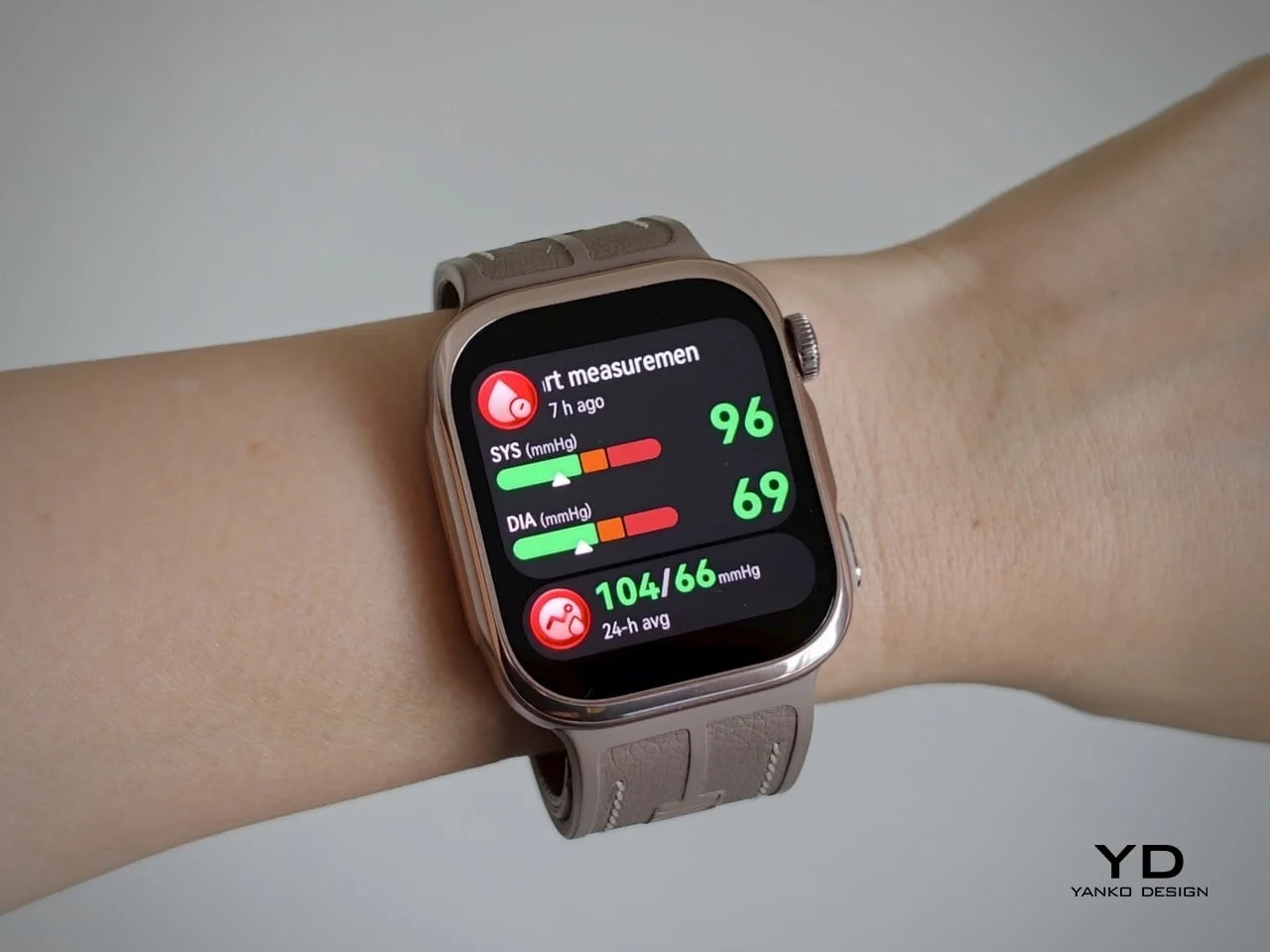
Huawei says the D3’s blood pressure measurement has NMPA medical device registration in China and CE certification under the European Union’s Medical Device Regulation. It also supports ambulatory blood pressure monitoring, or ABPM, which schedules repeated readings across a 24-hour period. The Huawei Health app collects the results into daytime, nighttime, and overall averages that can be saved or shared with a doctor.
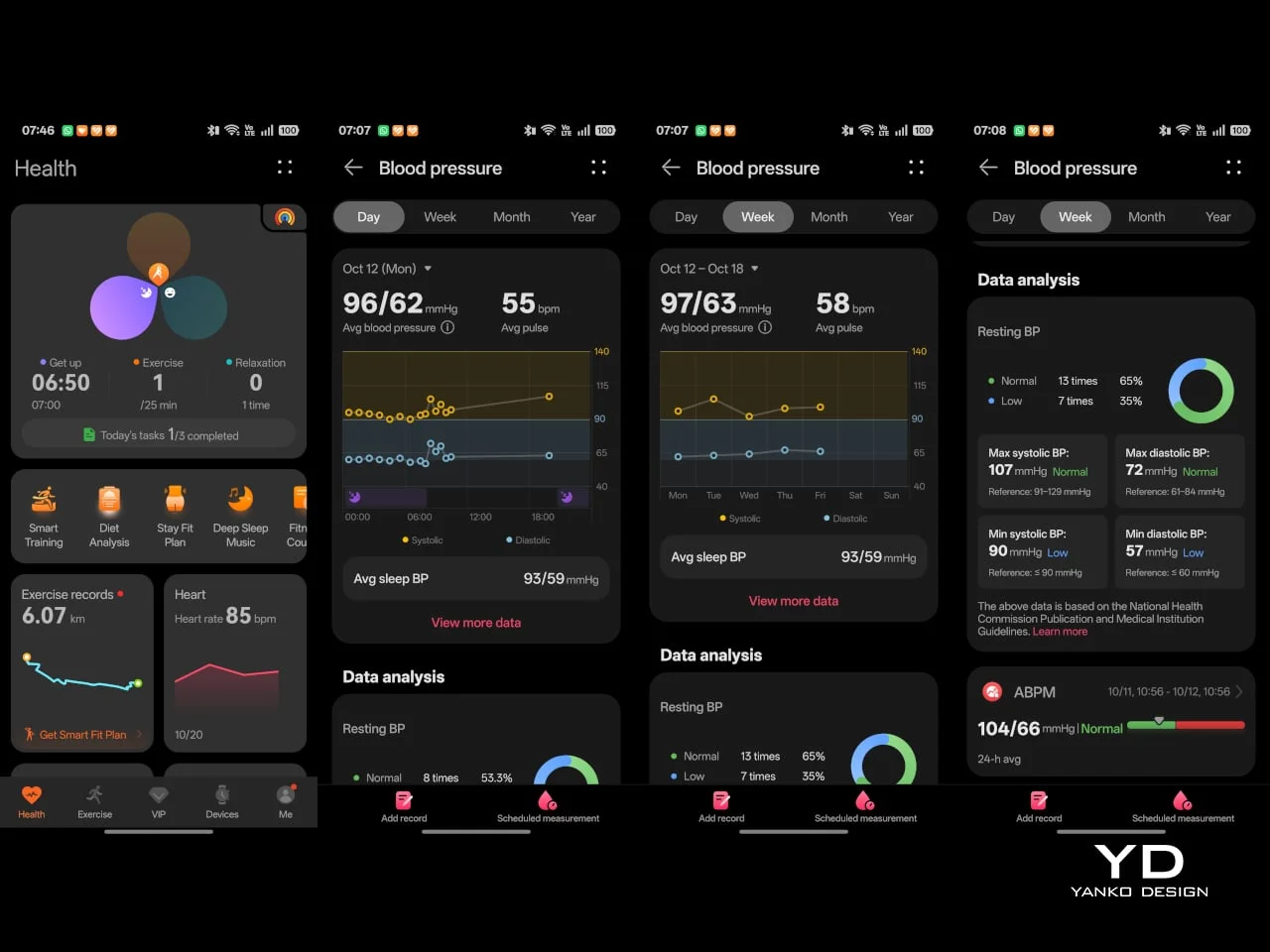
Daytime measurements still require the wearer to stop, stay still, and hold the watch at heart level, following the on-screen instructions. The schedule can be adjusted from the default intervals. Overnight readings happen automatically, without the same positioning routine, and they didn’t wake me during testing. That low-effort overnight tracking is a meaningful part of the D3’s appeal: it gathers readings when people are unlikely to remember to take them manually.
The watch also offers blood pressure measurements before and after six exercise types: indoor and outdoor running, walking, and cycling. Users take a reading before a workout, then start another within two minutes of finishing. These measurements are intended to show how blood pressure responds to exercise and recovery. That adds a more structured health use to the watch, though it does ask the wearer to follow the timing and measurement steps.
Broader health tracking, with familiar platform limits
Blood pressure is the headline feature, but the D3 also tracks heart rate, sleep, blood oxygen saturation, and skin temperature. ECG is available in supported regions. More than 80 workout modes cover general fitness tracking, making the watch useful for activity and exercise even when a blood pressure session isn’t underway.
HarmonyOS supports both Android and iOS, but some functions depend on the phone. Bluetooth calling and music playback are available, while the limited third-party app selection restricts how far users can extend the built-in features. Android users can reply to supported messages with quick replies or the on-screen keyboard; iPhone users can’t reply from the watch.
Offline maps work with supported models. NFC payment availability depends on the user’s region and payment service, so the presence of NFC hardware alone doesn’t guarantee compatibility with a particular card or wallet. Those platform details are worth checking before buying, especially for anyone who expects the watch to handle everyday payments and message replies.
Huawei quotes up to six days of battery life under typical conditions, falling to around one day with ABPM enabled. My typical-use results came close to the six-day figure, and the watch lasted more than a day with ambulatory monitoring active. The company’s ABPM estimate uses readings every 15 minutes, so actual endurance will depend on the selected schedule.
Charging is adequate rather than especially fast. Still, outside ABPM use, I didn’t find myself reaching for the charger often. The included charger connects over USB-C, a practical choice for anyone who has moved on from older USB-A adapters.
Water resistance and long-term ownership
The D3 carries an IP68 rating, but Huawei advises against swimming or showering with it because of the air openings required by the blood pressure system. The watch also isn’t water- or dust-resistant while taking a measurement, so those openings need to stay clean and dry. This calls for more care around water than many owners will expect from an everyday smartwatch.
The removable strap feels durable, but Huawei doesn’t provide wear-test figures. A removable band could make replacement easier if it becomes damaged, assuming compatible straps remain available. The company offers little detail about recycled materials, repair options, or long-term software support, leaving those parts of ownership harder to assess.
Price and verdict
The Huawei Watch D3 costs £399.99 in the UK, roughly $533, and €449 in Europe, roughly $505. That’s a significant outlay for a smartwatch, and its value depends on whether cuff-style readings and 24-hour monitoring are features the buyer expects to use regularly. For someone who wants those measurements in a wearable that stays comfortable overnight, the price is easier to understand. For a buyer mainly interested in notifications and workouts, the specialized hardware may be harder to justify.
My read is that the D3 succeeds by making an unusual health feature feel manageable in daily life. Measurements are quiet, nighttime tracking didn’t disturb my sleep, and the strap never became an annoyance. Good battery life outside frequent ABPM use helps the watch fit into a routine rather than turning into another device that needs constant attention.
The limited app catalog, platform differences, water restrictions, and sparse repair information temper that performance. The D3 makes the most sense for people who will use blood pressure monitoring as part of an ongoing health routine and discuss results with a professional. Its strongest case is simple: specialized measurement can be useful without making the watch feel like medical equipment.
The post Huawei Watch D3 Review: A Game Changer for On-Wrist Blood Pressure Monitoring first appeared on Yanko Design.


Discussion
Sign in to join the discussion.