Final’s Porta pairs a 40-gram AirWire frame with Bluetooth 5.4, eight-hour battery life and a retro look, while skipping active noise cancellation.
A headband reduced to its essentials
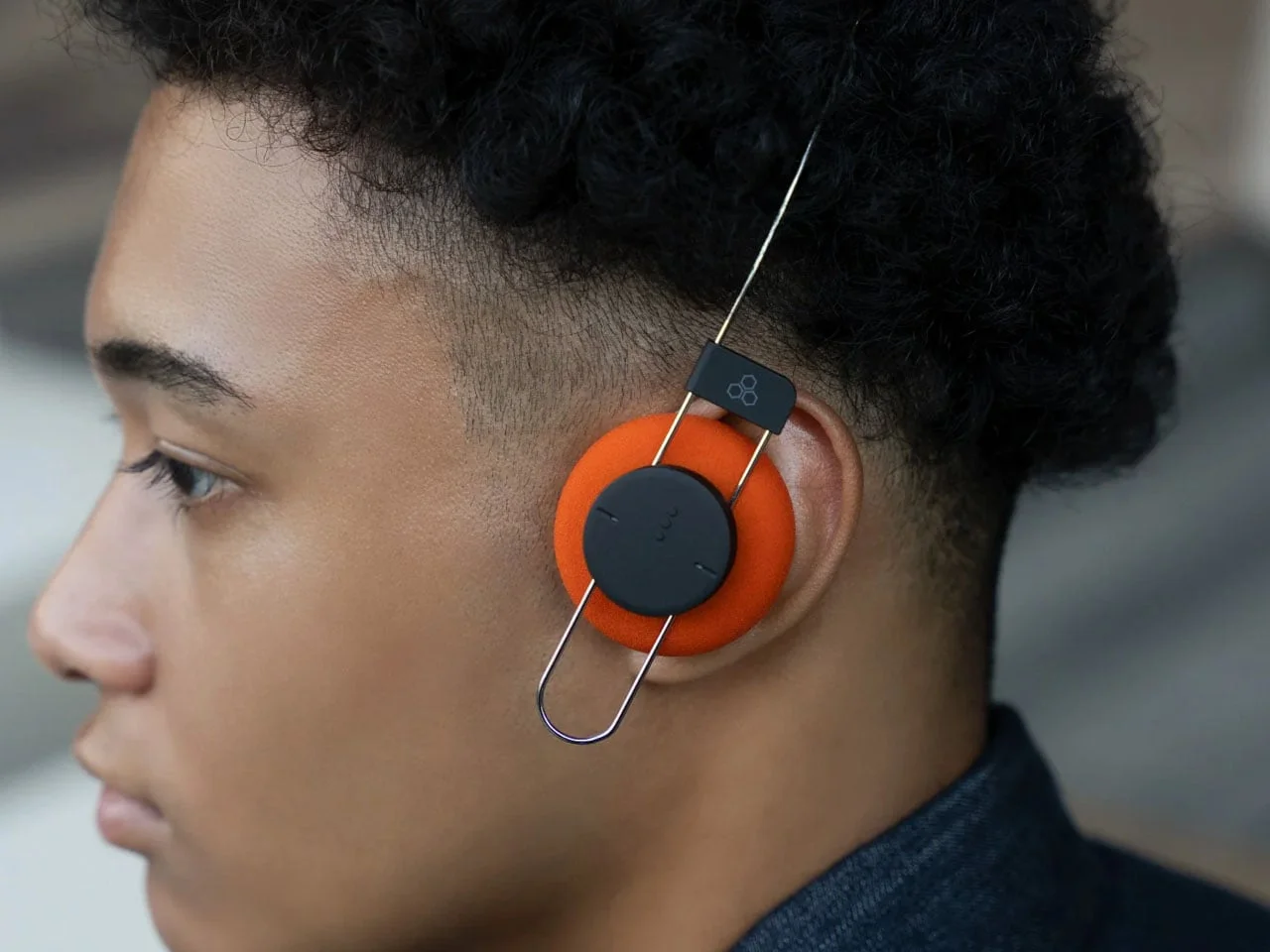
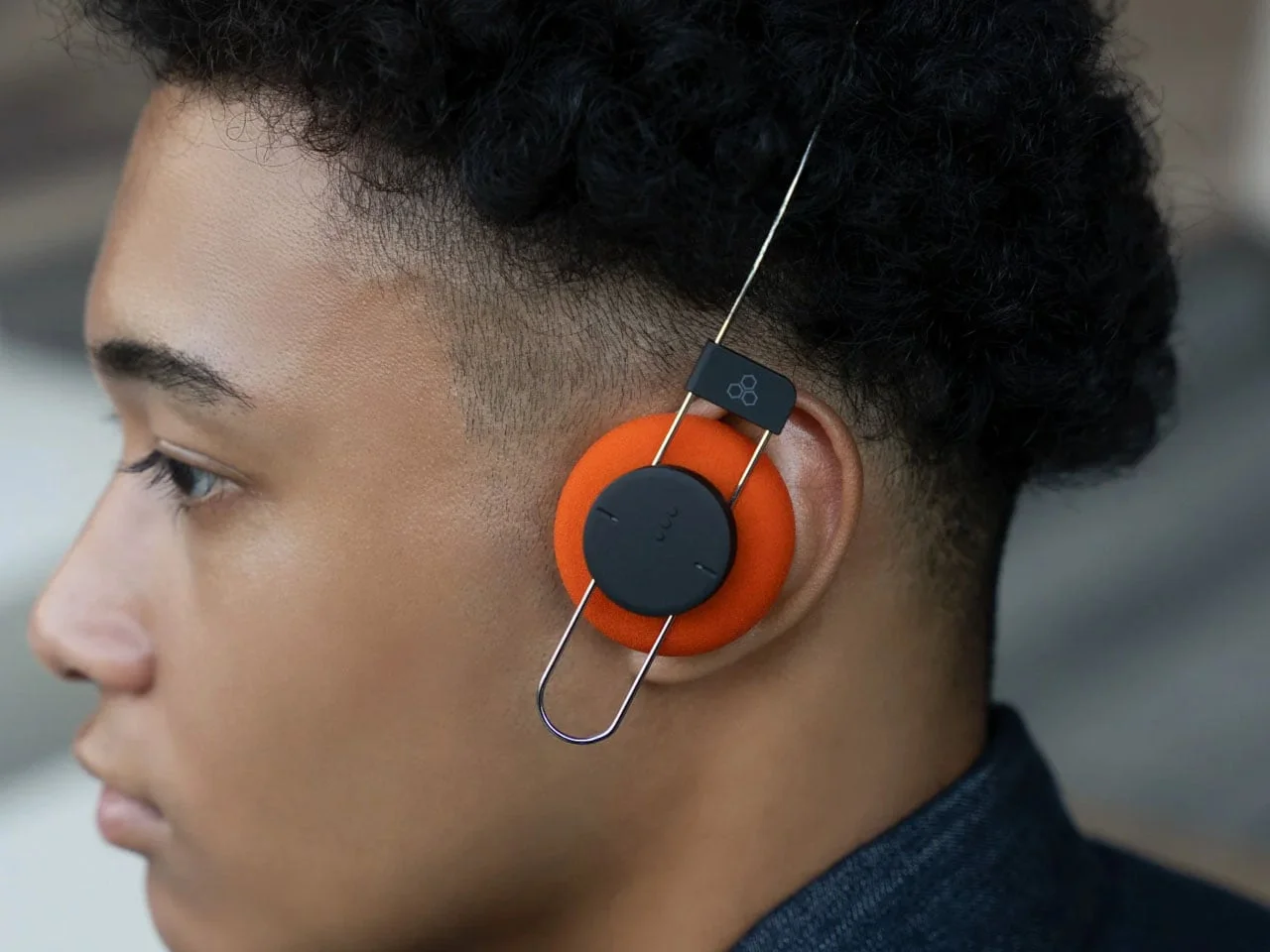
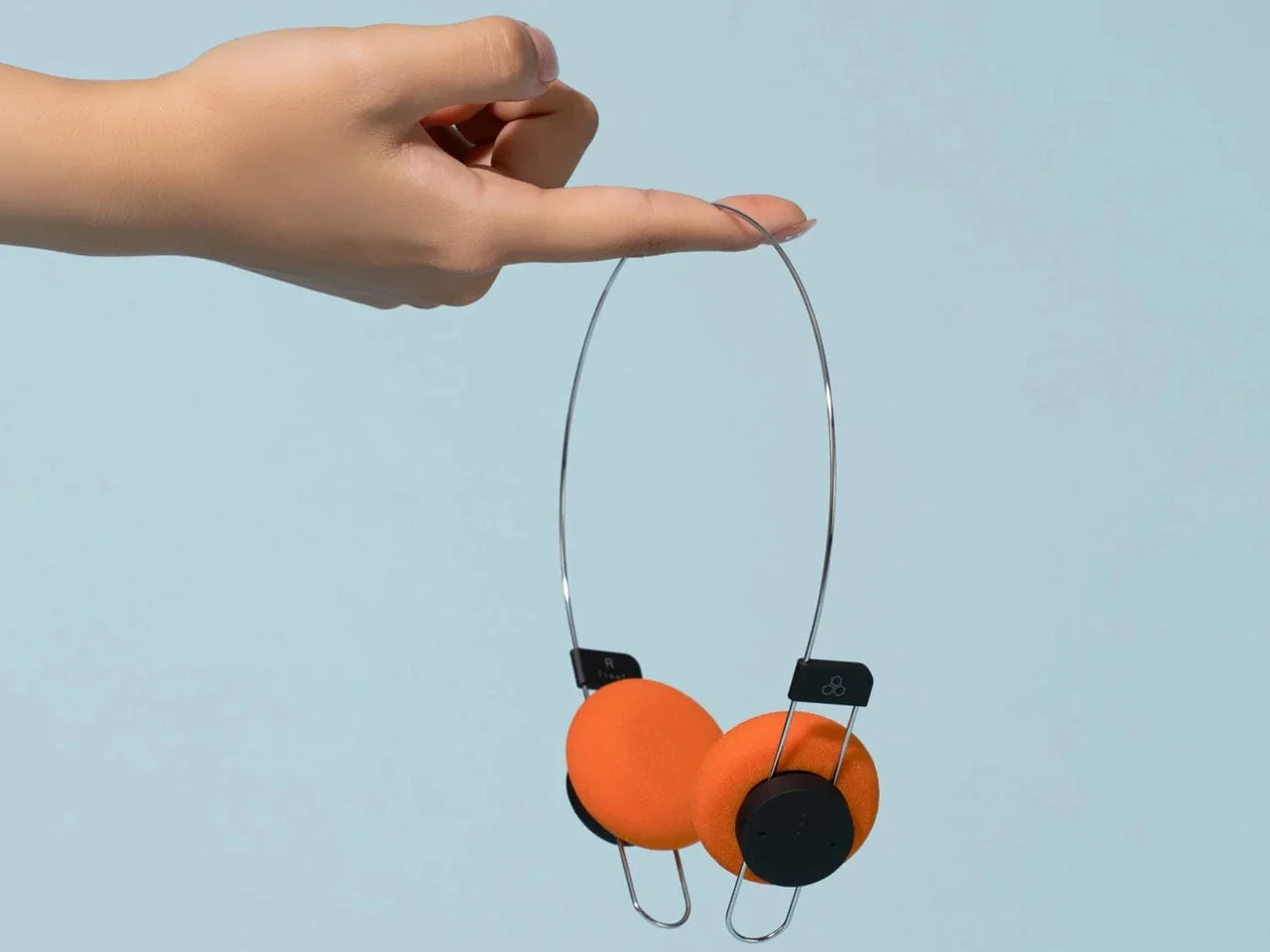
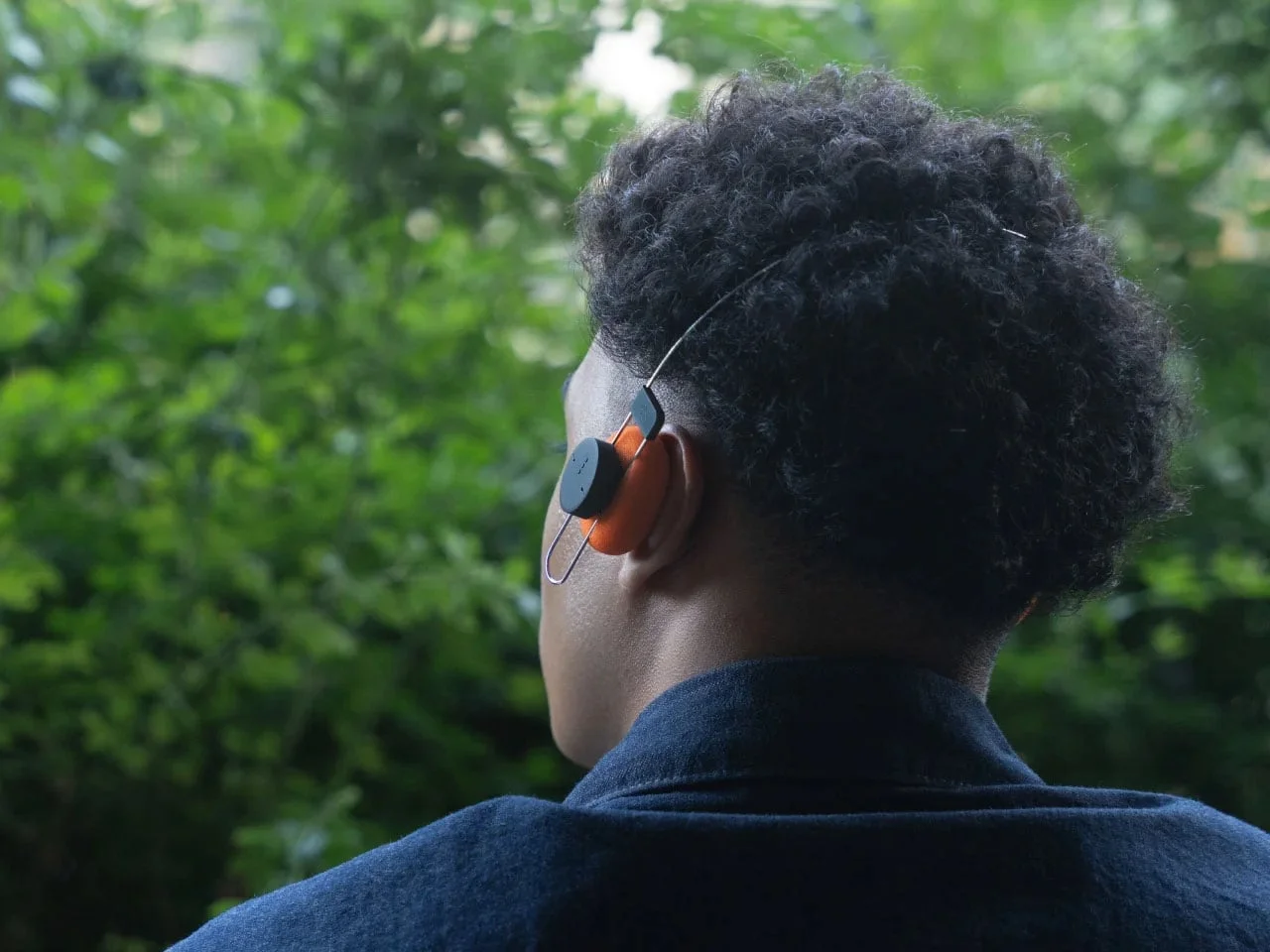
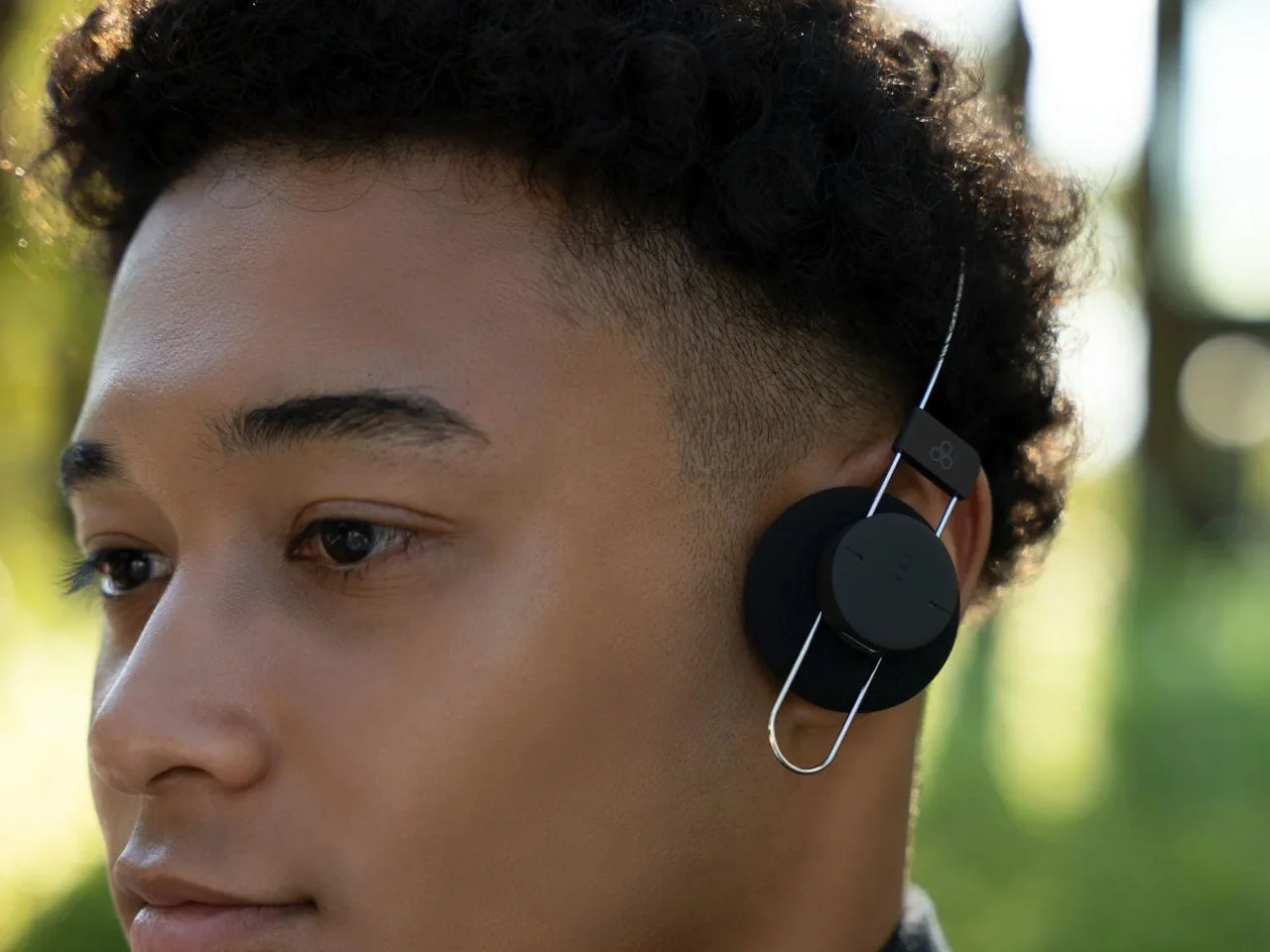
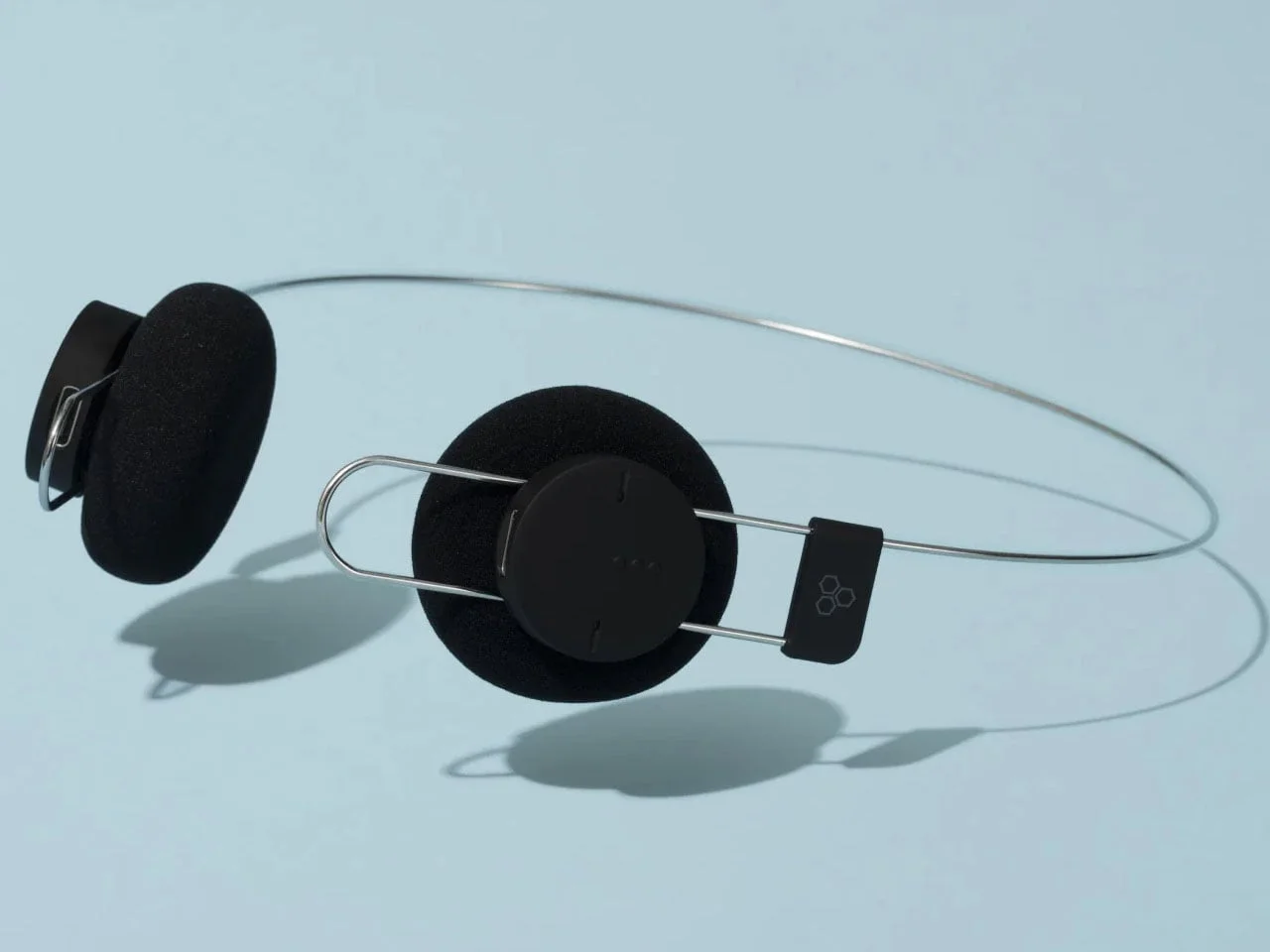
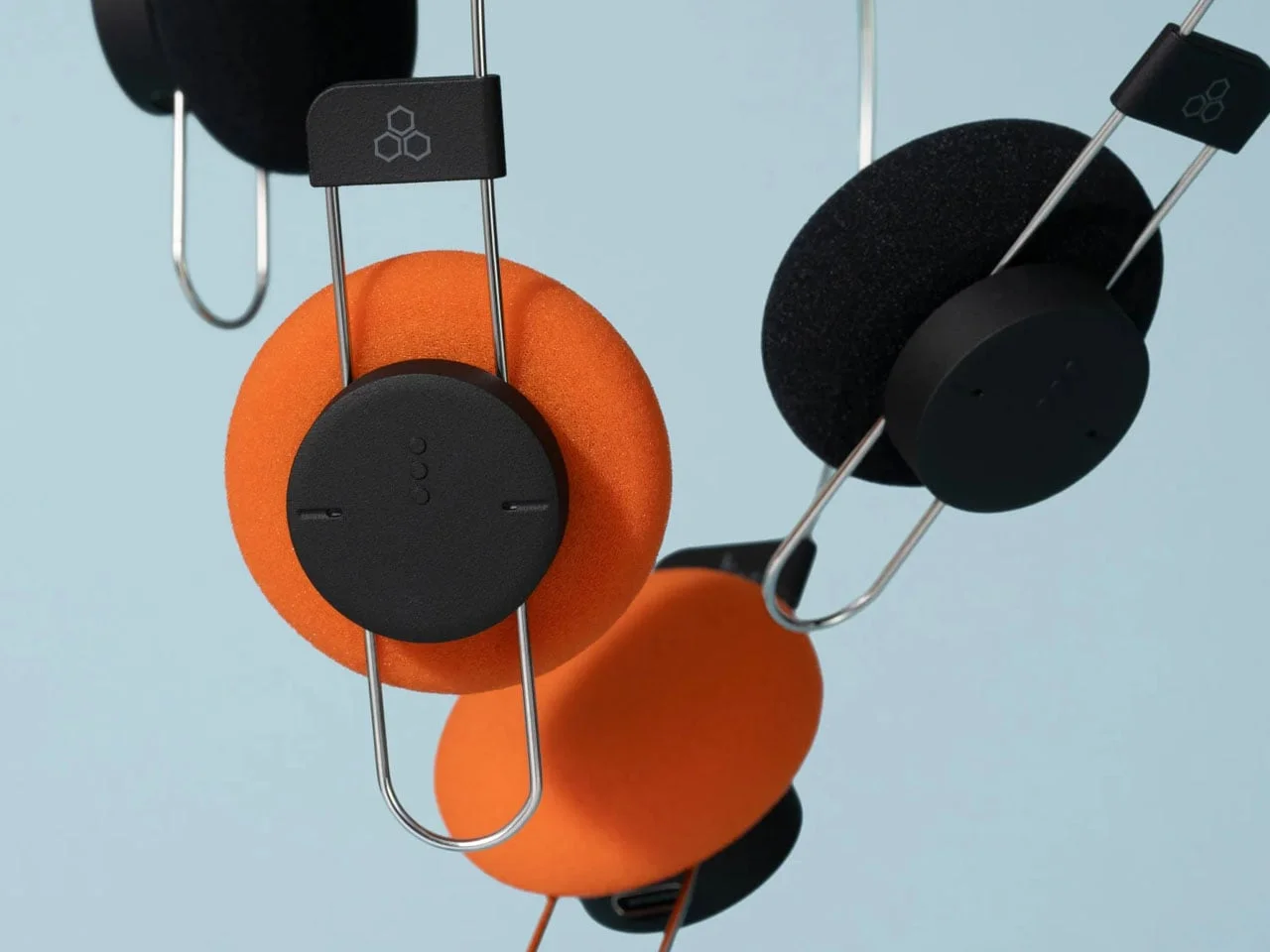
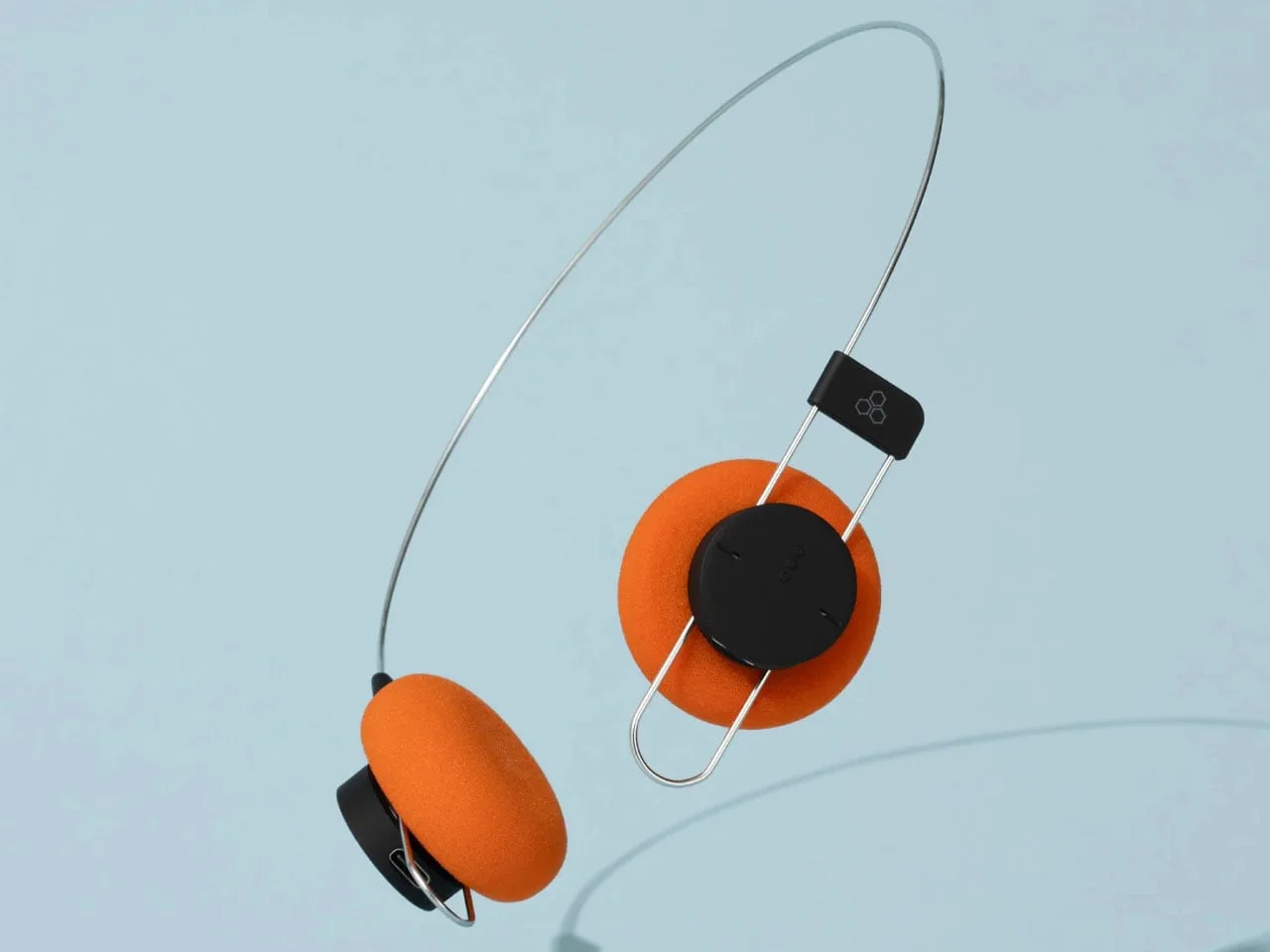
At roughly 40 grams, Final’s Porta puts its design bet on what it removes: the padded headband. Its AirWire frame uses a single, minimal wire to connect the on-ear cups, reducing contact at the top of the head. Final says that should ease pressure during long listening sessions. Whether the lighter construction delivers lasting comfort will depend on fit, but it gives the headphones a distinct profile in a crowded wireless category.
That approach targets one familiar irritation: pressure where a conventional headband rests. Removing padding and material could make the Porta feel less noticeable, especially for listeners who find standard headphones heavy or constricting. But a light frame doesn’t guarantee a comfortable fit. The cups still need to sit securely, and the wire’s tension and shape will matter over time. The company’s comfort claim is plausible; it’s also something that specifications alone can’t settle.
Here’s the thing: the design’s most interesting feature is also its main unanswered question. A padded band spreads contact across the head, while the AirWire design deliberately minimizes it. That could be a relief for some wearers and an awkward pressure point for others. There’s no independent wear testing in the information provided, so buyers will have to judge the fit in person or wait for hands-on reviews. A striking silhouette is easy to spot. Comfort is harder to predict.


A retro look with modern wireless basics
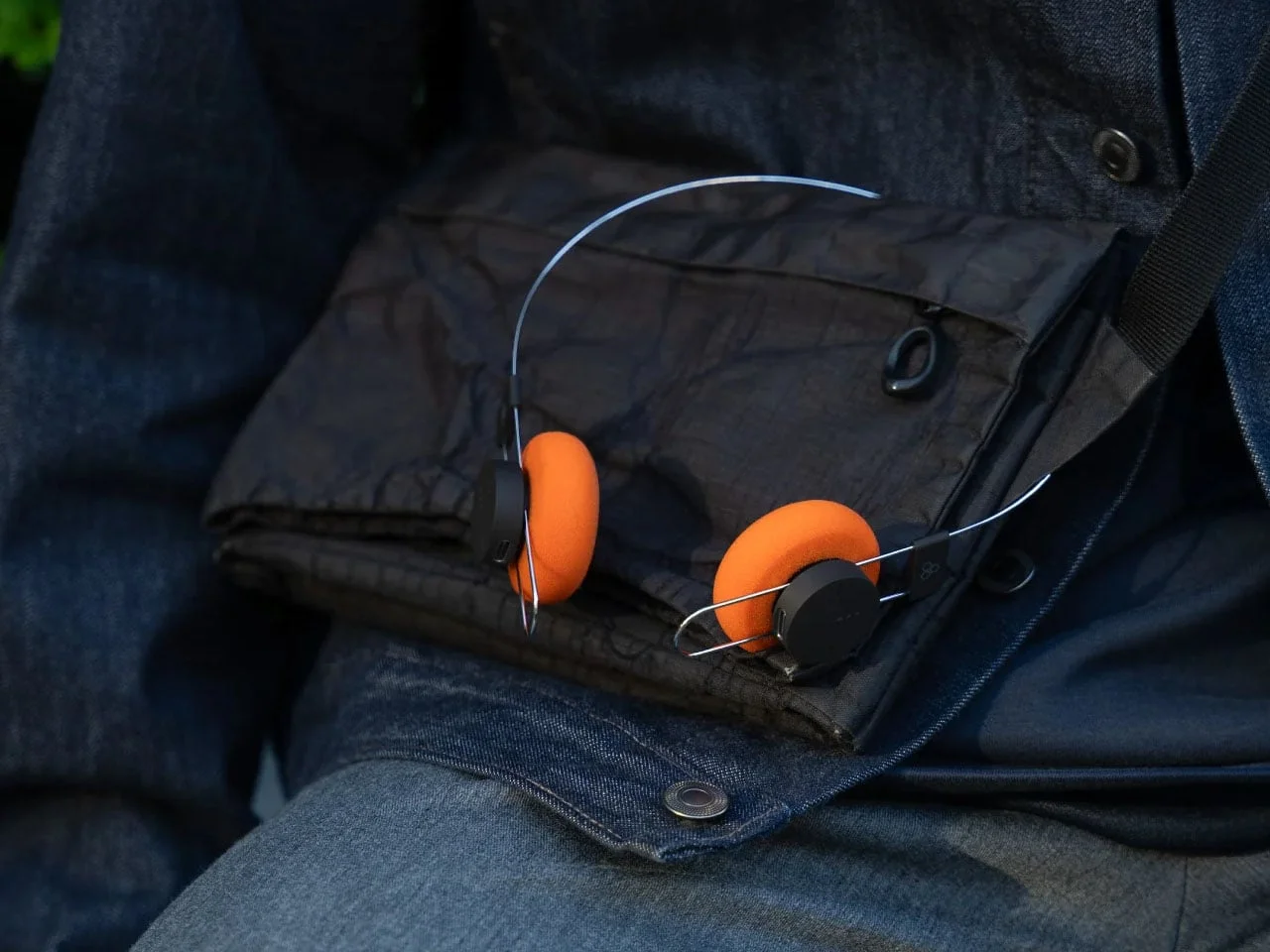
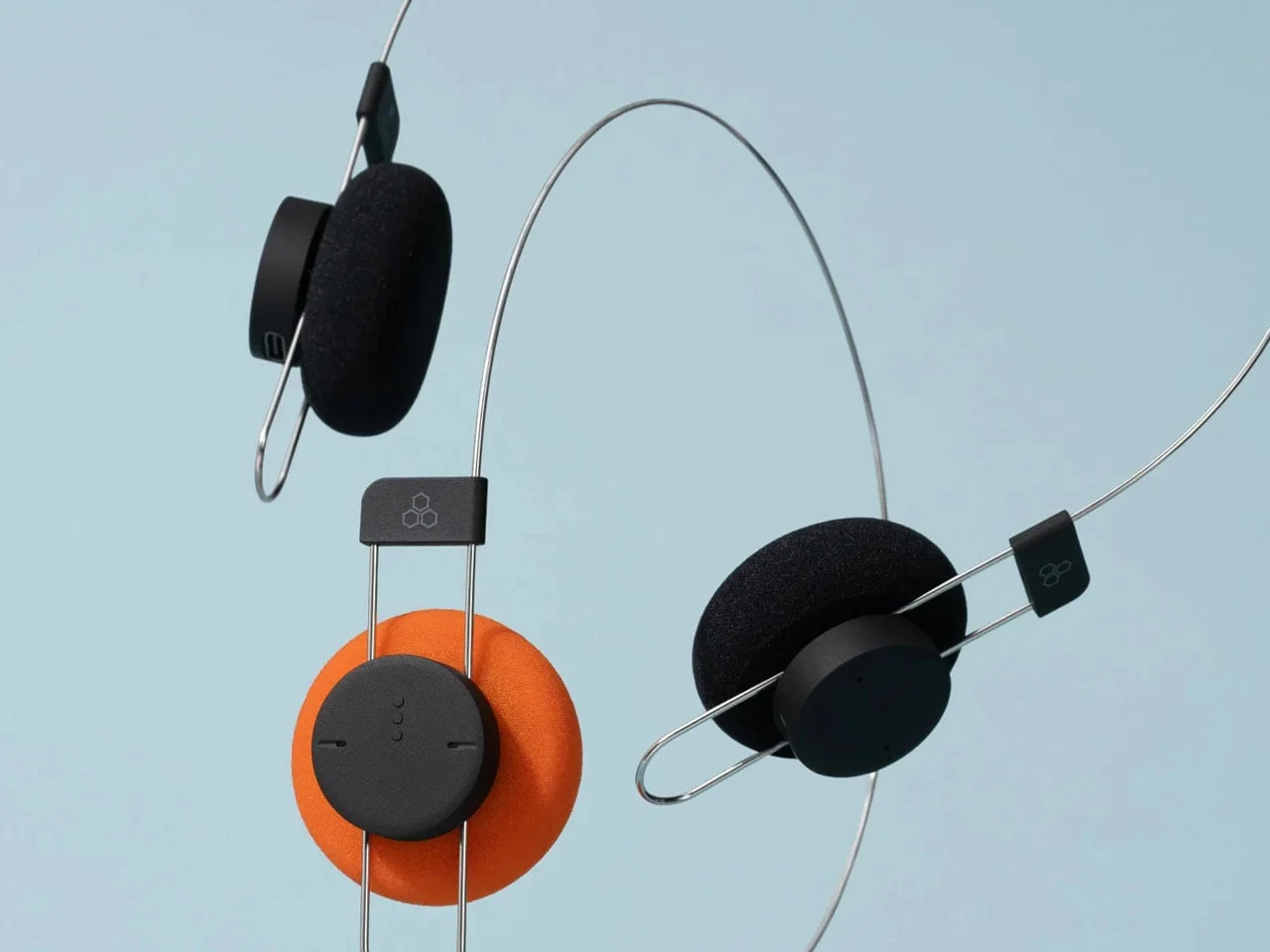
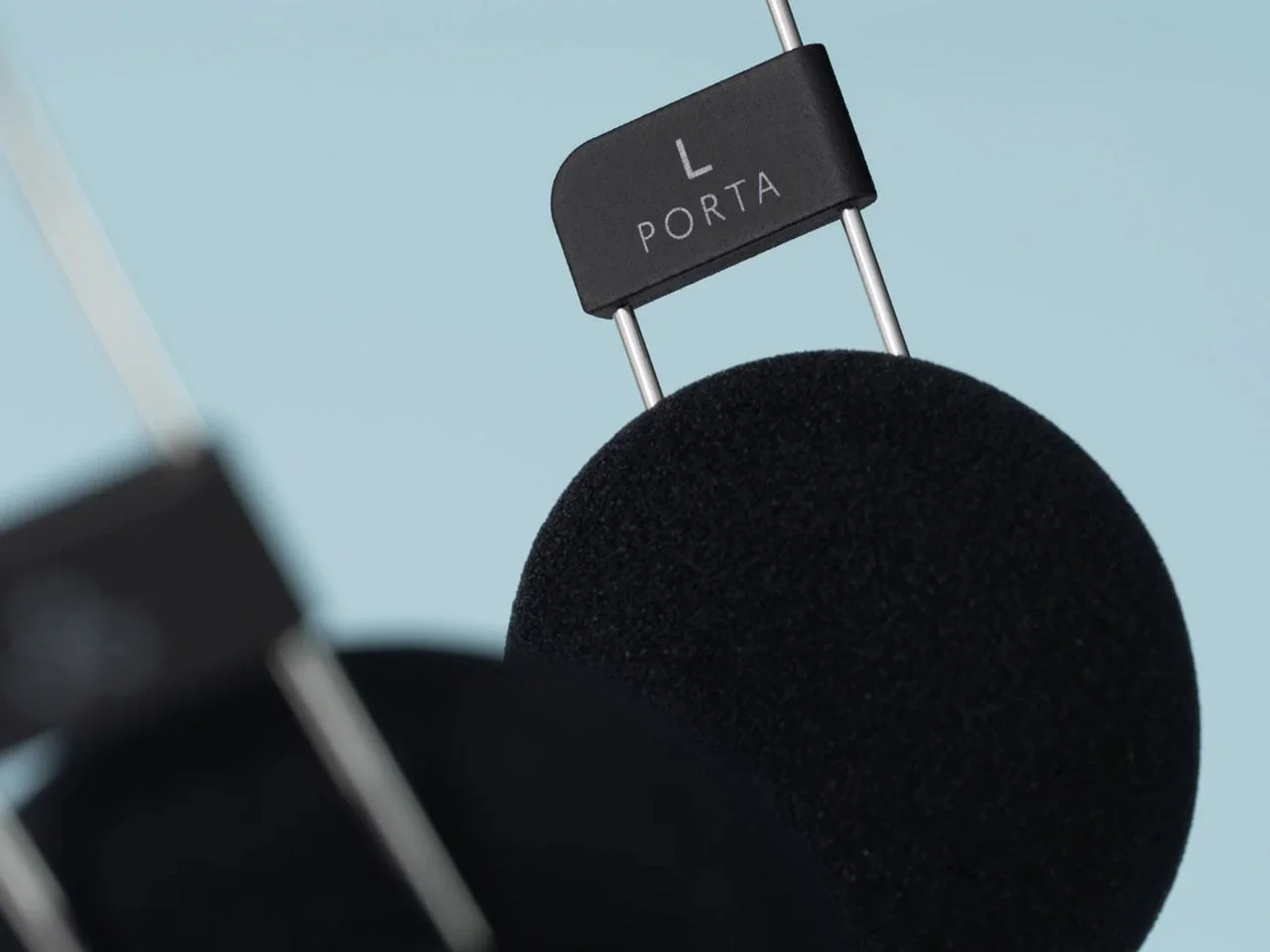
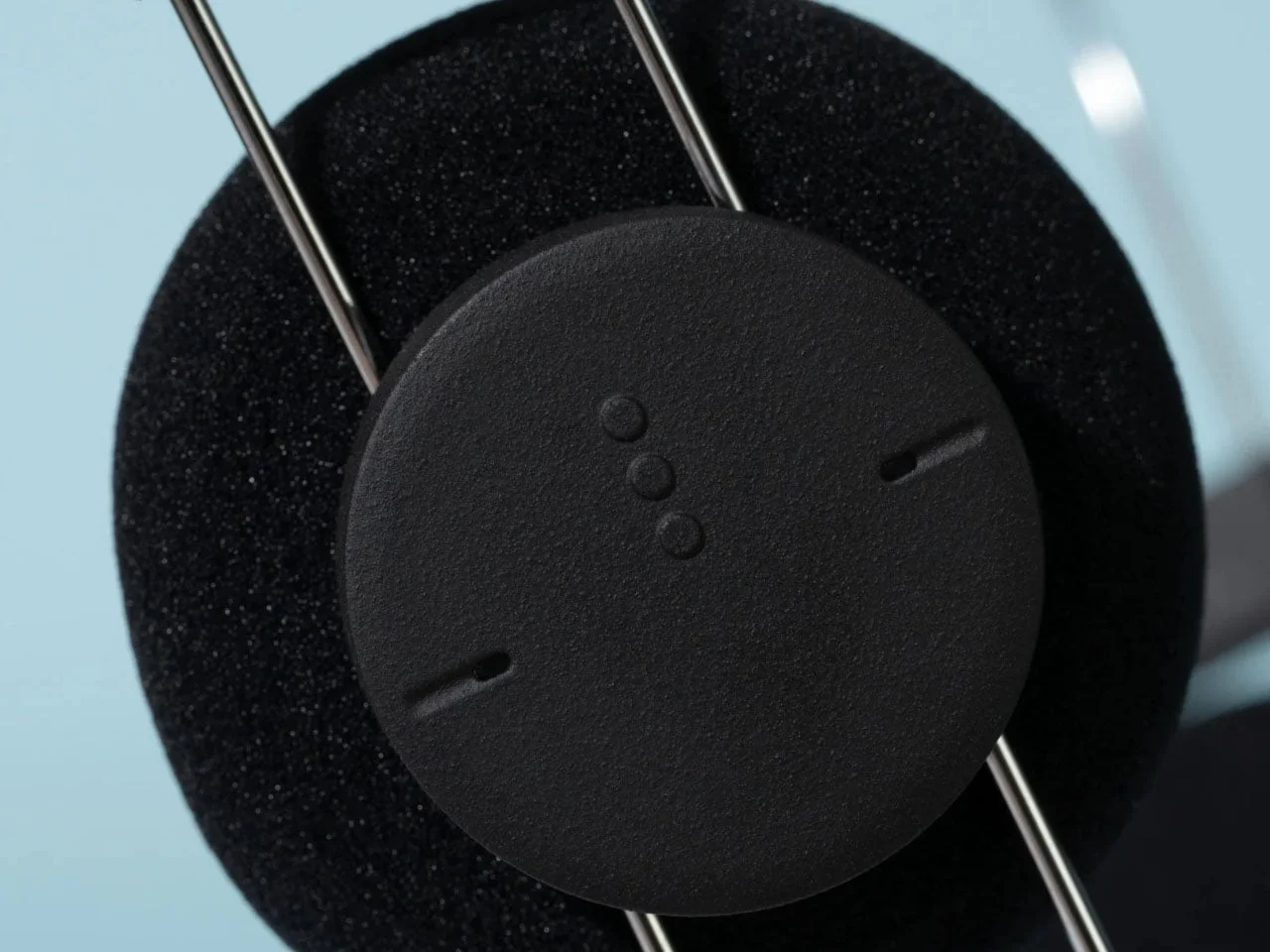
The Porta’s compact earcups and sparse frame draw on vintage portable audio gear. Orange pads nod to classic Sony Walkman headphones; a black option gives the same design a quieter look. Final plans to offer replacement pads separately in 2027, so owners can change the color or refresh worn cushions without buying another pair.
That choice gives the styling some practical value. Ear pads are a part of headphones that can show wear through regular use, and offering replacements may extend the useful life of the Porta. The planned color options also let owners adjust the look without changing the core hardware. There’s a catch, though: the replacement pads aren’t planned until 2027, so they won’t be an immediate accessory for early buyers.
The Walkman reference is more than decoration. It connects the Porta’s small, open-looking frame to an era when portable audio gear was designed to be seen and carried, rather than hidden away. That visual cue may appeal to listeners who want headphones with a recognizable character. Still, nostalgia can only do so much. The daily experience will depend on whether the fit, sound and battery life work for the person wearing them.
Under the throwback styling, the specifications are current but straightforward: Bluetooth 5.4, SBC and AAC codec support, and a stated frequency response of 20Hz to 20kHz. Final describes the tuning as lively, with depth in the midrange and low end and particular attention to vocal weight. Those are the company’s sound claims; independent listening results aren’t provided.
Those codec options cover common wireless listening needs, while the frequency range is a specification rather than a full description of sound quality. It doesn’t tell you how the Porta balances bass against vocals, or how it handles different types of music. Final’s emphasis on vocal weight and low-end depth offers a sense of its intended character, but it remains the manufacturer’s description. If you’re choosing headphones for a particular sound, you’ll want to hear them before deciding.
Eight hours of playback, with a clear trade-off
A 57mAh lithium-ion battery is rated for up to eight hours of music playback. USB-C charging takes about 90 minutes, and an IPX4 rating means the Porta can handle water splashes. The compact battery suits a lightweight design, though listeners who regularly wear headphones through a full workday may find the stated runtime limiting.
Eight hours can suit shorter listening stretches, commutes or a few focused sessions, but it leaves less room for a long day away from a charger. The stated figure is an upper limit, too; actual playback can vary with use. USB-C charging makes replenishing the battery familiar, though the roughly 90-minute charge time means a quick top-up won’t necessarily be quick enough for everyone.
The IPX4 rating adds some protection against splashes, which may help with ordinary exposure to light moisture. It doesn’t make the Porta a swimming headphone, and it doesn’t change the battery trade-off. For a product built around lightness, these choices look deliberate: a small battery and a simple feature set help keep the design focused. Whether that balance works depends on how long you expect to listen between charges.

What the design gives up, and what it asks of buyers
There’s no active noise cancellation, so the Porta’s appeal rests on low weight, comfort and visual character rather than blocking out busy surroundings. That makes the design’s success hinge on a practical question: whether its wire headband stays comfortable enough to make the trade-offs worthwhile.
Without noise cancellation, listeners in busy environments shouldn’t expect the Porta to create a quieter bubble. The on-ear format and lack of active cancellation make its intended role clearer: this is a lightweight everyday listening option, not a feature-heavy answer to every setting. And this is the part most people overlook: when a product strips away familiar features, its remaining strengths have to carry more weight. Here, fit and comfort aren’t nice extras; they’re central to the pitch.
That’s a meaningful gamble. I think the stripped-back frame is more significant than it looks, because it makes comfort the product’s defining claim instead of one item on a long feature list. But the available details don’t show how the Porta feels after hours of wear, and there’s no independent listening assessment to confirm the sound description. A design can be distinctive and still miss the needs of people who want noise cancellation, longer battery life or a fit they already know works for them.
Final lists the Porta at ¥12,800, or approximately $80, with Japan availability scheduled for October 23, 2026. The company hasn’t confirmed international availability. Its products are sold through an Amazon storefront, but that alone doesn’t establish when or where the Porta will be offered outside Japan.
The listed price gives prospective buyers a reference point, but the product’s value will depend on what matters most to them. If you’re drawn to the low weight and retro design, the Porta may be worth watching; if you need confirmed overseas availability, that answer hasn’t arrived. The planned Japan release is specific, while the international picture remains open. No promise of a broader launch is included in the details provided.
Why the Porta’s first reviews will matter
For a product with this few headline features, early hands-on impressions will need to answer basic questions: whether the wire frame stays comfortable, how securely the cups sit, and whether Final’s sound description matches what listeners hear. Those details can’t be inferred from weight, codec support or a stated frequency range. The product’s design is clear; its day-to-day performance is still a question.
That said, the Porta has a coherent point of view. It puts portability and a recognizable look ahead of noise cancellation and extended playback, while making a direct claim about comfort. The trade-offs are visible before purchase, which is useful. The test will be whether the minimalist frame feels as considered in practice as it looks in product images. A simple design can be appealing. Comfortable wear, convincing sound and a battery that fits real routines will decide whether it’s enough.
A light frame. A short feature list. A specific bet on fit.



The post Final’s Porta wireless on-ear headphones strip back the headband to just 40 grams first appeared on Yanko Design.


Discussion
Sign in to join the discussion.