Colour-matched paints offer a budget-friendly alternative but come with trade-offs in quality and accuracy compared to original shades.
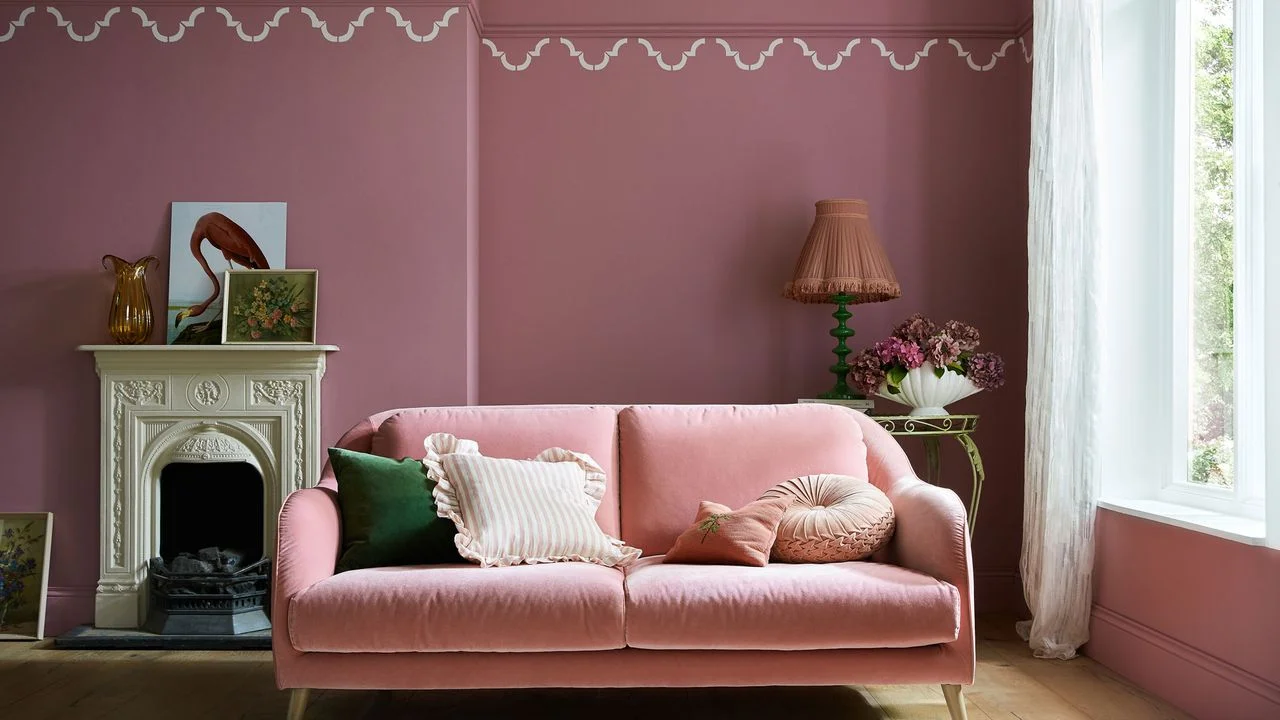
As paint expenses continue to climb, renovation projects often turn into a continuous financial burden, especially when it comes time to finalize the decor. A common strategy to mitigate costs involves opting for cheaper alternatives to beloved paint colors. I recently explored this route by selecting colour-matched paint for various rooms on my ground floor, revealing mixed outcomes.
Whether you're tempted by a budget brand's color-matching option or are coping with the discontinuation of a favorite shade, it's worth considering professional insights into effectiveness. Let's unpack the nuances behind paint color matching and its efficacy, along with strategies for achieving optimal results.
Understanding Paint Color Matching
Paint color matching encompasses several methods, some of which yield more accurate results than others. In my latest home project, I sought a match for my front door at a local decorating center that claimed to replicate high-end paints. While the hue was reasonably close, the finish proved less durable, prompting me to revert to the original product.
According to Helen Shaw, international marketing director at Benjamin Moore, the most precise matching techniques employ what’s known as a "spectrophotometer." This sophisticated equipment scans colors from samples, identifying the nearest Benjamin Moore shade to create a highly accurate, custom formulation.
Michael Rolland, managing director at The Paint Shed, elaborates on the procedure: The initial scan of your sample is cross-referenced with a color database to find a closely matching formula. This multi-step process bridges the gap between color identification and paint mixing.
Matching Quality: Precision vs. Expectation
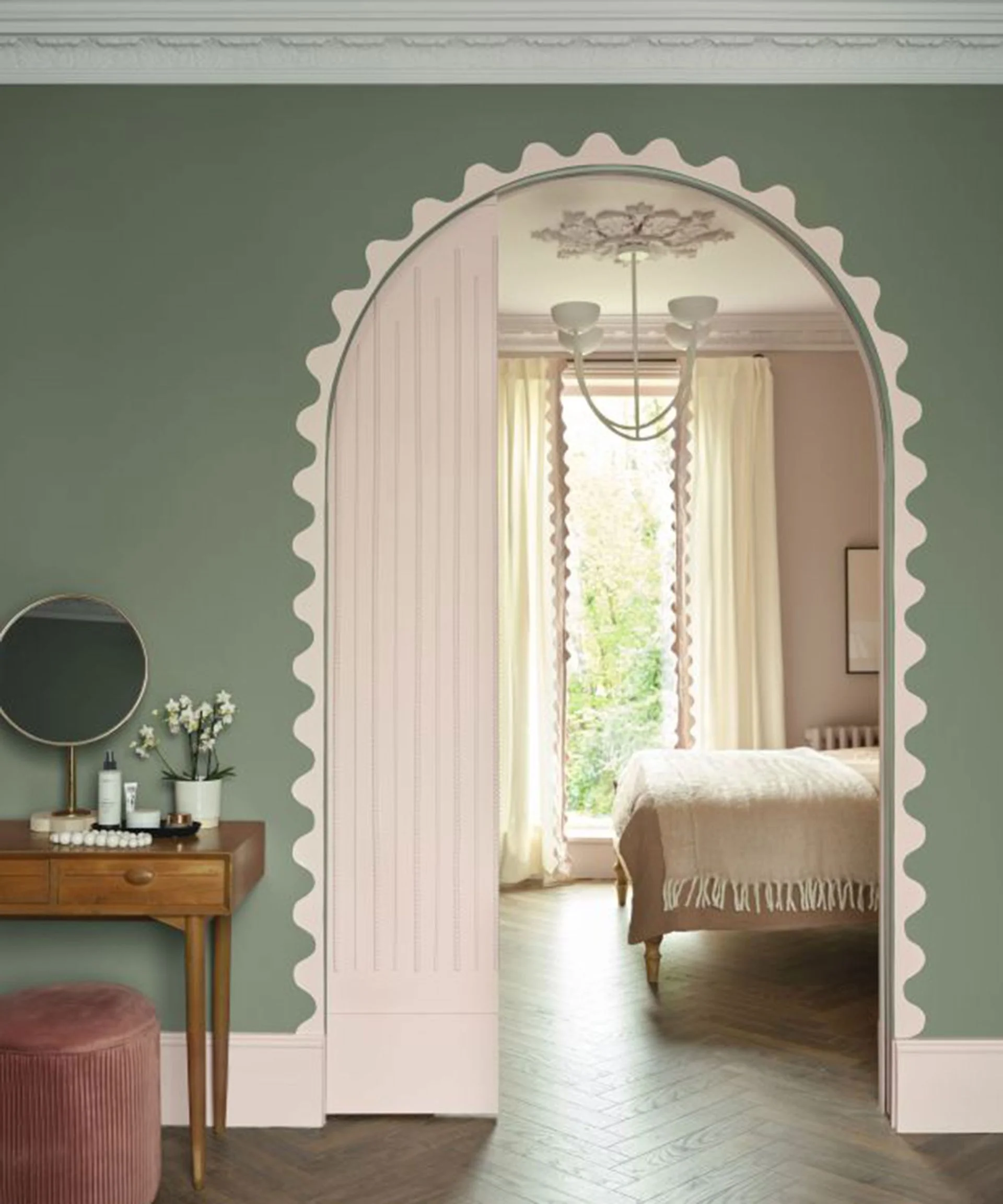
In my experience, the color-matched paints I've tried often come close but rarely replicate the exact original shades. An instance that stands out for me was when I refreshed my master bedroom by attempting to match a previously used pink paint. The variation was significant enough that I ended up repainting the entire room instead of just the wall.
Cathryn Sanders, creative director at Earthborn, notes several factors influencing this discrepancy. Each paint brand utilizes distinct formulations, incorporating various ingredients and pigments, which can affect the depth and perception of color when applied. Other variables like lighting conditions, application methods, and surface types also influence how a color is perceived.
“Different finishes can yield different appearances," adds Shaw. "A matte color will look different compared to its satin or high-gloss equivalent due to sheen variations.” Moreover, age can change the original color on walls; thus, spectrophotometric readings may match the faded tone rather than the fresh one.
Maximizing Color Matching Service Outcomes
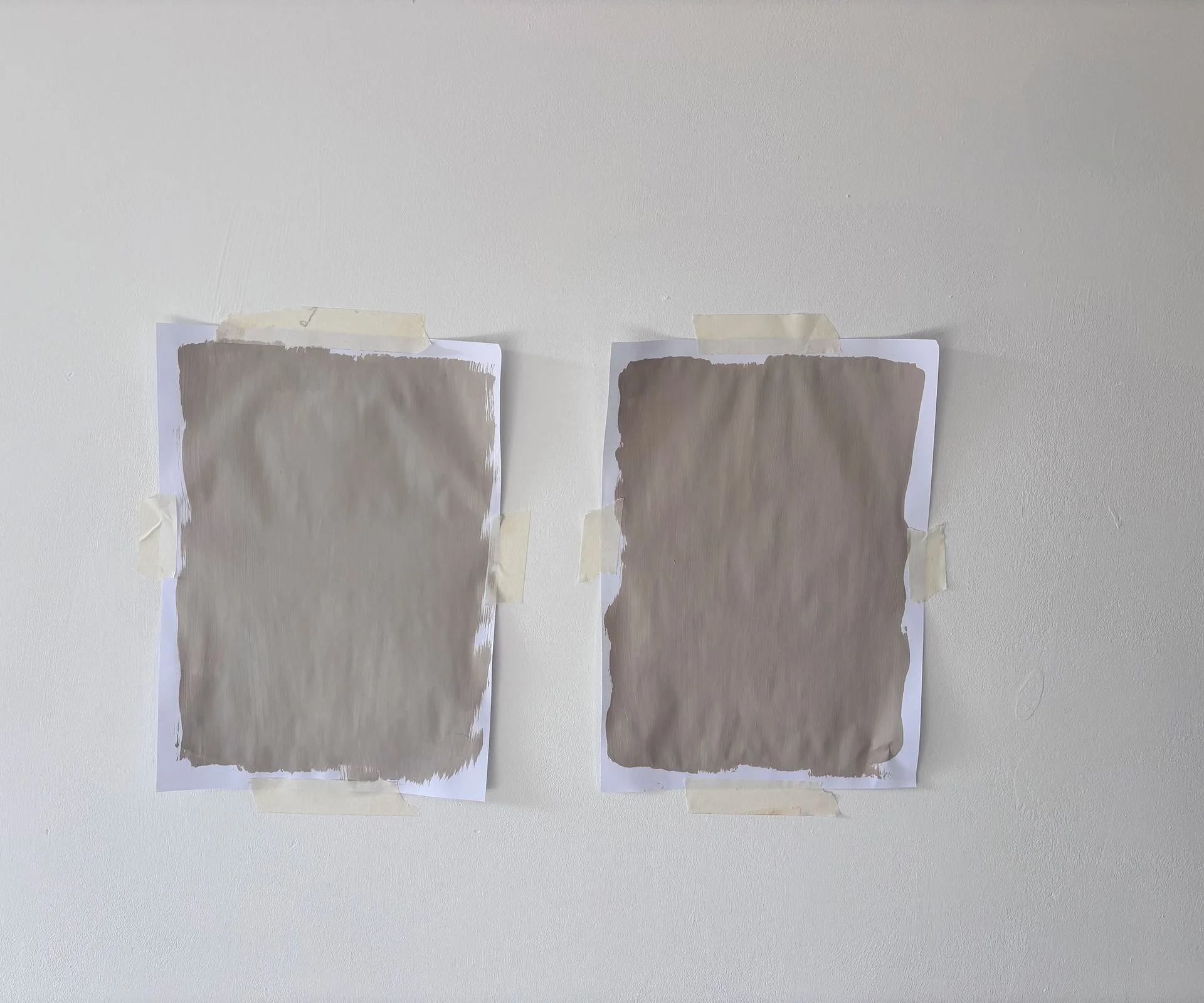
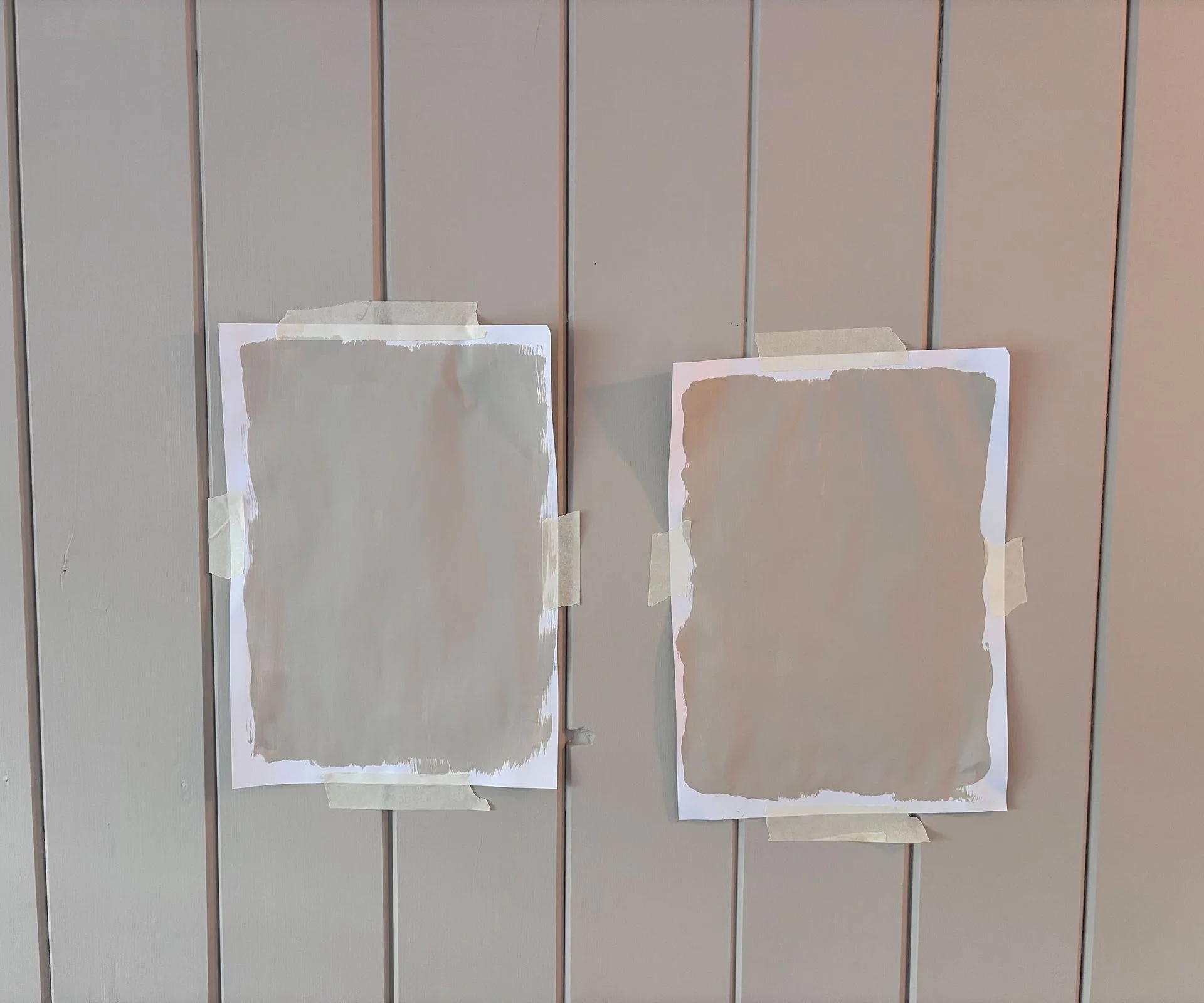
For those considering a paint color-matching service, certain preparatory actions can enhance your chances of achieving a good result. Shaw suggests providing a sample large enough for effective scanning—aim for a piece the size of at least a 10p coin to avoid inaccurate readings. Testing the color on a small scale before committing to a larger purchase is also prudent. Observing samples in natural light as well as in the room where they'll be used can lead to better selection outcomes.
Quality Comparison: Designer vs. Colour-Matched Paints
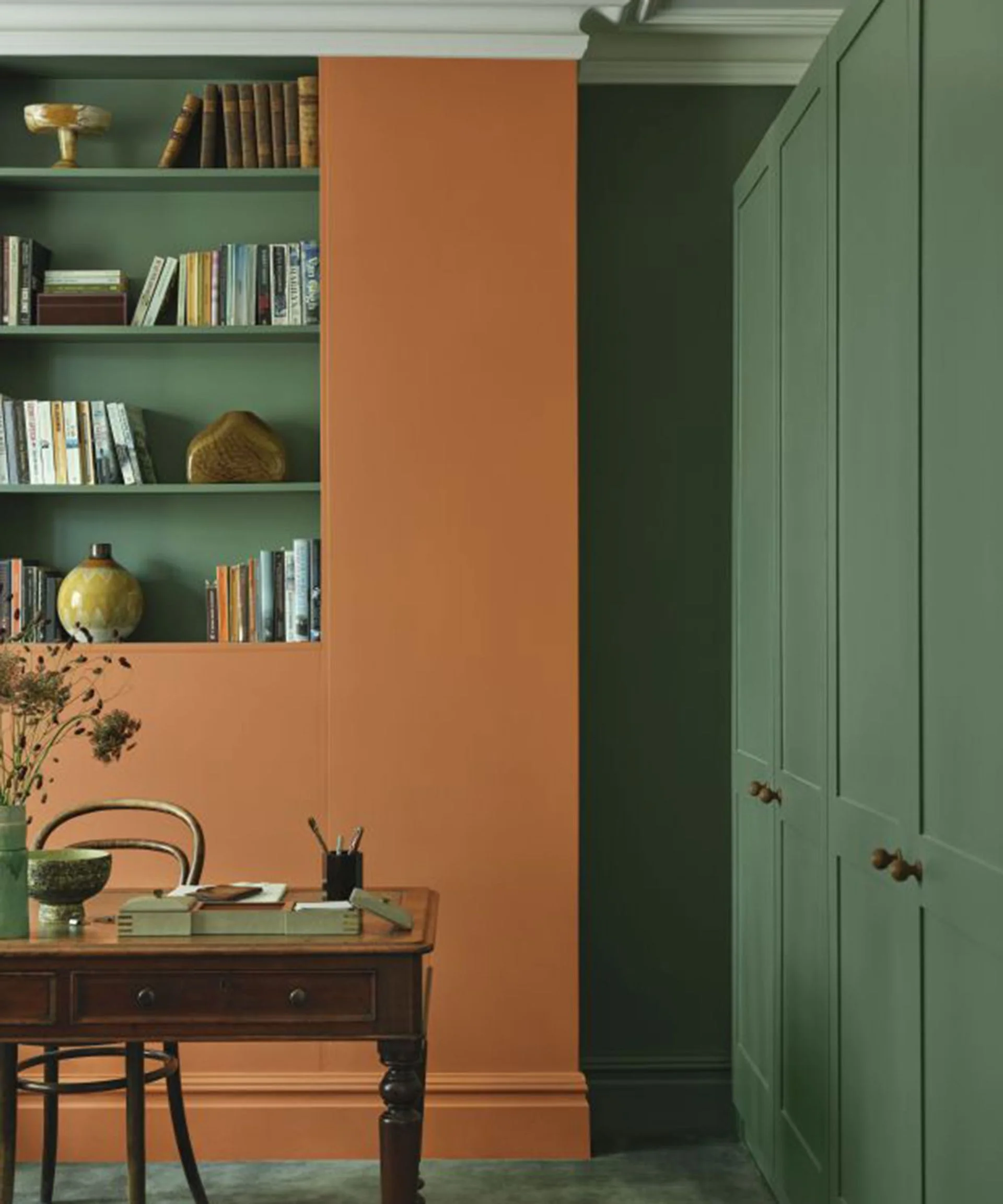
Many people question whether more expensive paints deliver superior quality compared to their cheaper, color-matched counterparts. What’s at stake is not just color accuracy, but the level of coverage, finish, and durability these paints offer. Sanders emphasizes that premium paints are meticulously formulated for better performance across these metrics, and while color-matching paints might mimic a shade, they may not deliver the same richness or longevity.
Shaw corroborates this, highlighting that selecting paint involves more than simply matching colors; the formulation also dictates long-term performance and application quality.
The Verdict on Colour-Matched Paint
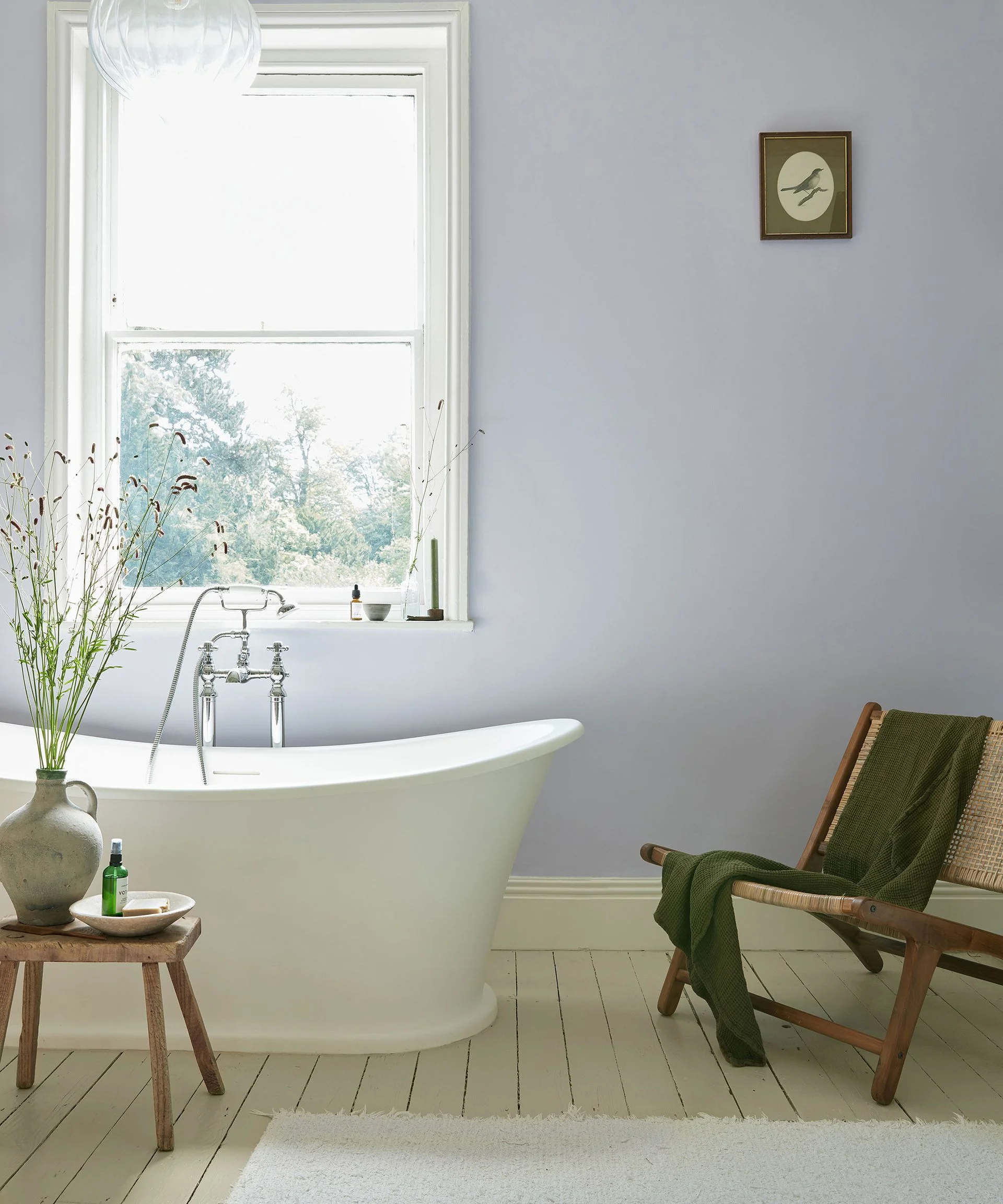
Understanding that prices and quality vary significantly among color-matched paints is vital. My experience suggests that while cheaper products often yield disappointing results, mid-range options can surprise with their performance, especially when mixed alongside the original colors in different settings. For continuous, extensive projects, color matching offers a viable alternative, but for touch-ups or critical accuracy, sticking with the original paint remains the best approach.
"View color-matched paint as an interpretation rather than a perfect reproduction,” advises Sanders. The outcome relies heavily on both the paint’s formulation and application conditions.
Effectively Using Color Samples
Selecting the right paint color can be a daunting task, often leading to an array of samples that collectively cost more than the final purchase. To make the most of your samples, Shaw recommends applying them to walls and observing the changes over several days. This allows you to see how the colors evolve under varying light conditions, helping ensure you land on a satisfactory choice before the actual painting begins.
Finally, remember that thorough preparation can make all the difference. If you're contemplating painting over existing wallpaper, weigh the potential risks carefully; poorly executed prep can result in repeated efforts just a few years down the line.


Discussion
Sign in to join the discussion.