Understanding the complexities of heat pump installations can ensure optimal performance and prevent costly mistakes. Here's how to approach it wisely.
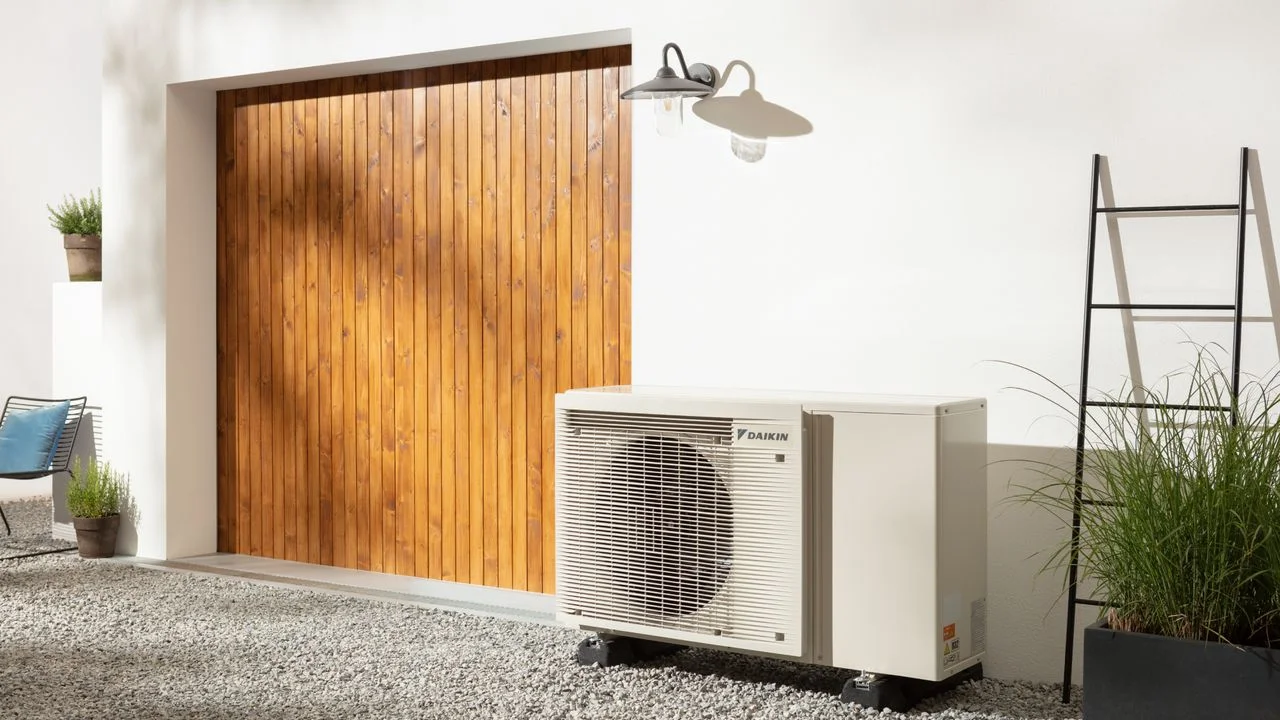
Deciding to install a heat pump for your home can seem straightforward at first glance—simply hire a plumber and get started. However, the installation process encompasses significantly more complexity than one might expect. The manner in which you procure and set up your heat pump carries substantial implications for its overall performance, warranties, and future maintenance needs.
Compliance and Installation Requirements
For those unfamiliar with heat pumps, it’s essential to grasp that several regulations govern their installation, which differ from traditional boiler setups. The initial plumbing and electrical work can be handled by qualified plumbers, much like boiler installations. However, when it comes to heating pumps, proficiency in specific credentials is required beyond standard plumbing qualifications.
While any trained plumber may carry out the pipework, the electrical wiring must be completed by a certified electrician. Both trades do not need specialized training in heat pumps themselves. Yet, when transitioning to the actual heat pump installation, an accredited installer becomes crucial. This individual must possess qualifications that adhere to the Microgeneration Certification Scheme (MCS) guidelines, which ensures proper design and installation.
If you aim to utilize government incentives—like the Boiler Upgrade Scheme—your installation must comply with detailed MCS standards, specifically MIS 3005. Conversely, if you aren't applying for incentives, standard Building Regulations take precedence.
Pitfalls to Be Aware Of
The significance of these compliance issues can’t be overstated. It’s unlikely that a solitary individual will possess all necessary competencies to handle every aspect of the installation proficiently. In many cases, the installer may subcontract different parts of the work to various specialists who, while skilled, might not coordinate effectively. This can lead to a blame game if problems arise.
Though MCS-certified companies must keep records of all personnel involved in compliant installations, the actual installer on-site may not be the lead designer nor fully aware of how their work fits into the overall system. As a homeowner, identifying who bears responsibility for various aspects of the project is essential.
Your Options for Certified Installations
1. Energy Suppliers
One of the lowest-risk approaches for heat pump installation involves engaging an energy supplier that offers installation services. For example, Octopus Energy not only sells heat pumps but also employs a dedicated team of installers nationwide. They manage everything from the initial consultation through to the commissioning of the system.
While their pricing can be competitive, installations tend to follow a defined scope, meaning they won’t take on special projects, like new builds or non-standard heating requirements. Jobs fitting within their standard criteria are typically completed quickly, often by Friday of the same week.
2. Independent Renewables Companies
Many independent companies market themselves as comprehensive renewable energy solutions providers, offering heat pumps alongside other systems like solar panels. However, they often lack the ability to handle all plumbing or electrical work needed for the installation, leading to potential gaps in responsibility.
Because coordination can become muddled, you could find yourself in a chaotic situation where multiple trades blame one another for issues such as leaks. Clarity regarding handoff points between different contractors needs to be meticulously outlined to avoid messy scenarios.
Recommended Route for Self-Build Projects
If you’re self-building and seeking the best installation strategy, I lean towards engaging your existing plumbing and electrical teams for heat pump peripherals. They may not specialize in heat pumps, but their familiarity with your overall project means fewer risks in communication and follow-through.
To mitigate potential issues, ensure that the installation design is done by a qualified professional, who will also come back for system checks and commissioning. This collaborative approach prevents the blame game and ensures an efficient resolution should problems arise.
Final Thoughts on Heat Pump Installations
Ultimately, defining the installation route you wish to take is paramount. Engaging relevant professionals early in the process can help compose a solid plan that minimizes financial surprises and avoids finger-pointing as the project progresses. Remember to do your homework—understand the specifics of each option, what you want, and ensure that your chosen installer can meet those needs effectively. If you’re considering this transition during renovations, assess whether your home is suited for a heat pump installation before engaging with any professionals. This insight can save you time, money, and complications down the line.



Discussion
Sign in to join the discussion.