Circular windows are becoming a popular choice for home design, offering unique aesthetics and potential benefits that challenge traditional rectangular styles.
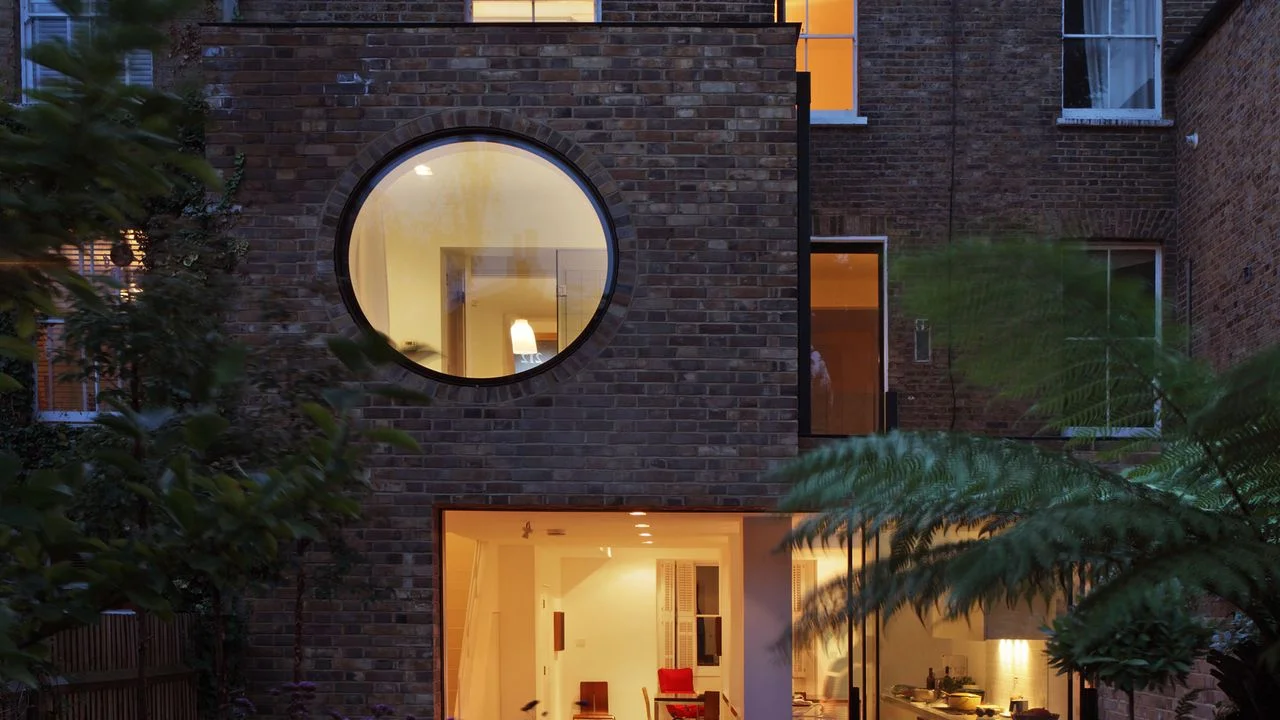
Choosing unconventional design elements can infuse excitement into home interiors, particularly when contrasting them with traditional styles. One such element that’s capturing attention is the circular window, which stands as a refreshing alternative to the typical rectangular openings. This shift is evident as architects and homeowners alike explore how these unique features can enhance natural light and aesthetics.
In recent discussions with experts, I learned that circular windows can transform a mundane view into a significant aspect of home design. Pippa Grayson from Nimtim Architects illustrated this with their Peek-a-Blue project, stating, "A circular window was used externally as a graphic compositional element, and also to align with a nearby tree in the garden – framing a specific view." It’s this ability to create intentional focal points that intrigues many—including myself, as I contemplate an extension for my own home.
Benefits of Circular Windows
What makes circular windows stand out is their capacity to break the monotony of straight lines in space. Richard Gill of Paul Archer Design highlights this by addressing how circular shapes can introduce a softer, more playful element to interior spaces. “They can be used to break up square forms and bring light into tighter areas, changing the framed view without straight lines,” he noted. This perspective is refreshing for anyone tired of conventional designs.
However, utilizing circular windows effectively requires careful consideration, according to Rhys Owen of Pensaer. He emphasizes that "the successful use of circular windows needs to have a clear architectural purpose." Without a defined reason—be it for framing a scenic view or serving as a room’s centerpiece—they risk becoming mere decorative statements. Therefore, it’s crucial to ensure that any design decision is justified and complements the overall architecture.
Installation Considerations
Despite their aesthetic advantages, one may wonder if circular windows pose a greater challenge during installation compared to traditional shapes. Rhys Owen shares insights on this, noting that the construction method must accommodate the unique design. "In masonry, the structure above must be carefully resolved, which may include bespoke lintels or supporting frames," he explains. The detailing at the junction between the round window and surrounding walls is essential to maintain insulation and weather protection.
For those concerned about the complexities involved, Rhys also recounted a project where a circular rooflight was cleverly integrated. "We installed a conventional square rooflight externally while forming the circular opening in the ceiling,” he observed. This approach maintains an architectural presence without complicating waterproofing, demonstrating that smart design solutions can simplify installation while achieving ambitious visual goals.
Ventilation and Functionality
Another point to consider when contemplating circular windows is their potential for ventilation. My plans involve a circular cut into a cavity wall, primarily for light. However, with an extension eliminating existing bifold doors, I find myself questioning how to incorporate fresh air. Circular windows aren’t just fixed; they can be designed to open. Rhys confirms that “bespoke circular windows are available with pivoting, tilting, or hinged mechanisms, although they typically come at a higher price point." For those unwilling to compromise on aesthetics for the sake of function, this creates an interesting balance.
Potential Drawbacks
Despite the advantages, circular windows do come with some drawbacks. The experts agree that their bespoke nature means they tend to be more expensive than standard shapes, requiring careful planning with an architect or contractor. Rhys emphasizes, “The primary disadvantages are practical—custom designs tend to significantly increase costs and require meticulous detailing.”
As I weigh my options, I realize professional input will be crucial for achieving the desired results. Finding alternatives, such as the method Rhys described, which involved crafting a circular impression while keeping a standard square installation, seems to be an effective compromise for both visual appeal and practicality.
Covering Options for Privacy
Once the circular window is in place, another concern arises: how to manage light and maintain privacy. Rhys points out that while circular windows are often best left uncovered to preserve their architectural essence, custom-made blinds can add complexity and expense. For practical applications like solar control without obstructing the shape, fitting a standard blind over the square element of a circular design might be the best solution. This clever work-around allows for controlling light discreetly without detracting from the unique window's character.
Conclusion
As I explore the potential for circular windows in my home, I can see how they can enhance design, offer interesting views, and soften stark architectural lines. While embracing this trend requires careful planning and professional advice, the allure of a beautifully framed view might just be worth the investment. Whether opting for a circular design or a more traditional picture window, it’s clear that each choice shapes our living experience in meaningful ways.



Discussion
Sign in to join the discussion.