Place a dehumidifier in a central hallway, bedroom or laundry room based on where moisture builds up, and leave space around it for airflow.
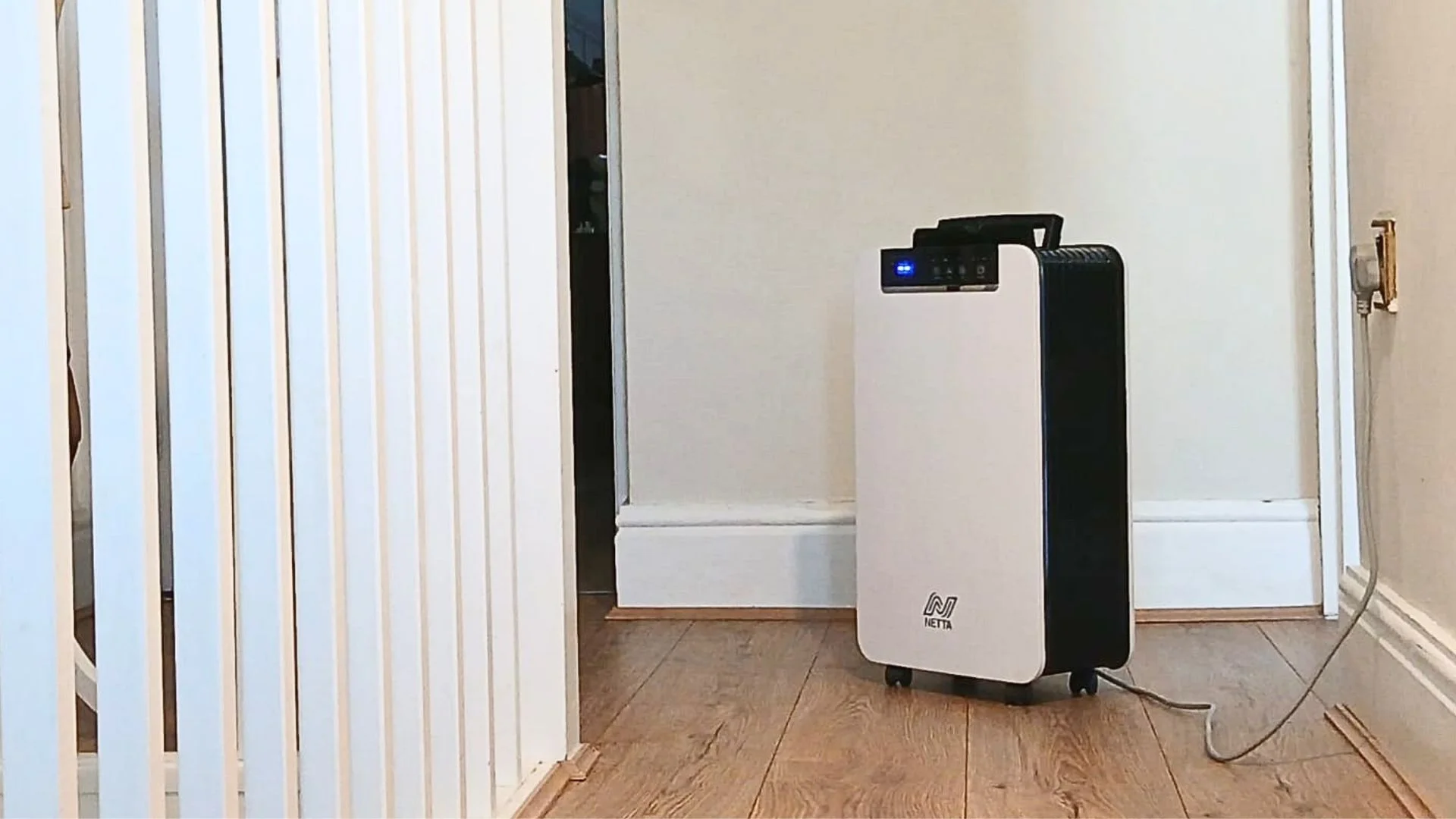
Dehumidifiers are only as effective as their placement. Block the airflow, expose the humidity sensor to a radiator, or run the wrong type in a cold room, and the unit may do little for the damp you’re trying to fix. The useful rule is simple: give it room to breathe, then choose a location that matches the source of the moisture.
If you’re comparing models, see our guide to the best dehumidifiers. We asked specialists where different units work best—and where placement can create problems.
Where a dehumidifier can do the most good
There isn’t one right room for every household. A central position can help manage humidity across several rooms, while a unit beside wet laundry can tackle moisture at its source. These four locations are good starting points.
1. A landing or hallway
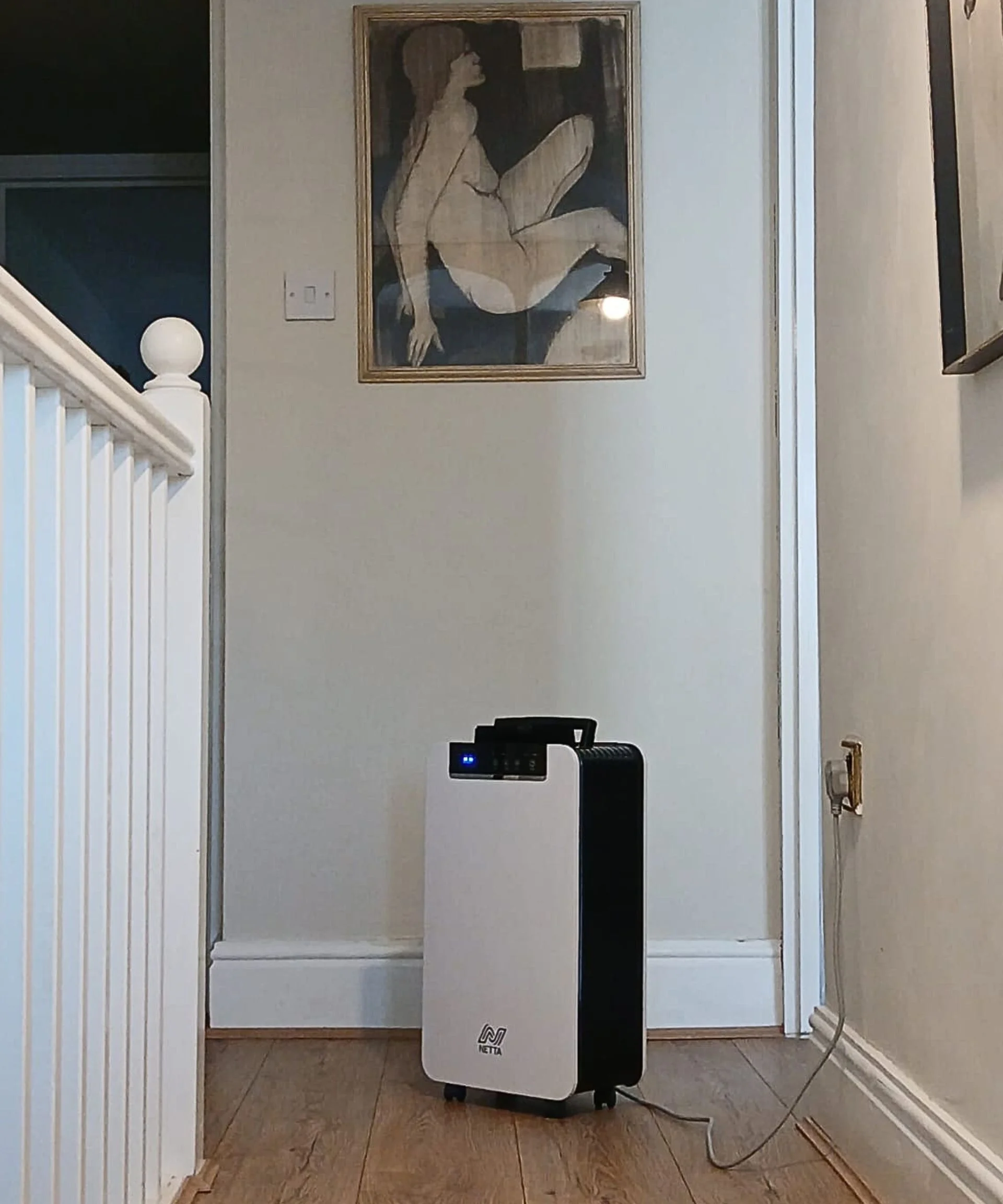
For whole home coverage, start somewhere central. Chris Michaels, founder of Meaco, recommends an upstairs landing or hallway, with internal doors open, so the unit can draw moisture from bedrooms and the bathroom. A downstairs hallway can serve the kitchen and living room in the same way.
Pros: One unit can help across several rooms, and a hallway keeps it out of the way.
Cons: The result depends on the house and the appliance. Scott Byrom, energy and appliance expert at The Energy Shop, says the unit’s capacity, along with the home’s size and layout, will affect how well this works. If you’re trying to lower humidity throughout a large or divided home, a single unit may not reach every problem area.
2. The bedroom
Breathing adds moisture to the air overnight, which makes a bedroom a sensible place to try a dehumidifier if you wake to condensation on the windows or the room feels damp. Jack Duffy, small appliance expert at AO, says reducing that moisture can make the room more comfortable and help limit the risk of mould developing over time.
Pros: The unit works near the source of overnight moisture and may help prevent window condensation.
Cons: Noise can disturb light sleepers. Duffy suggests running a noisy model during the day or choosing one designed for quiet operation. Noel Fok, CEO and co-founder of EcoAir, says desiccant models can run as quietly as 33dBA. Check the noise rating before buying if you plan to use one near your bed.
3. A utility room
Indoor laundry can release enough moisture to affect rooms beyond the utility area. Duffy recommends putting a dehumidifier there when you regularly dry clothes indoors. Chris Michael advises placing it near the clothes rack and closing the door, which helps contain the damp air while the laundry dries.
Pros: It can speed up drying and reduce the amount of moisture spreading through the home.
Cons: Utility rooms often leave little spare floor space. Squeezing the unit between appliances or close to a wall can block airflow and reduce its performance. If you’re planning utility room or small utility room ideas, allow space for the appliance to draw in and release air.

4. The kitchen
Boiling a kettle, cooking dinner and running the dishwasher all add water vapour to the kitchen air. Duffy says a dehumidifier can help reduce condensation on colder surfaces. In an open-plan kitchen-diner, moisture can spread into the adjoining space, so positioning a unit nearby may help.
Pros: It can reduce condensation on windows and external walls.
Cons: A dehumidifier shouldn’t replace the kitchen’s ventilation. Duffy says a cooker hood or kitchen extractor fan will usually do more to remove cooking moisture. Treat the appliance as backup to proper kitchen ventilation.
Shop dehumidifiers
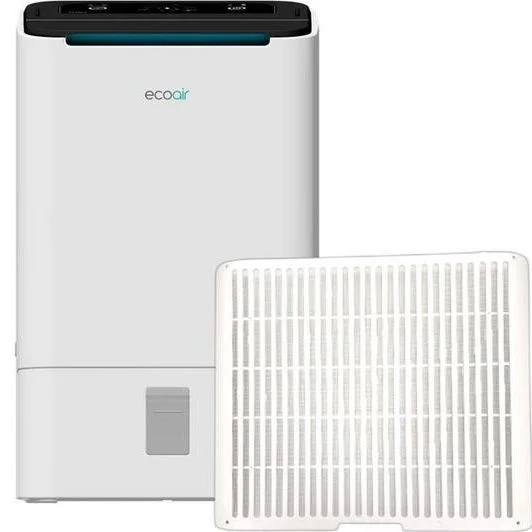
Designed for spaces where temperatures are regularly lower than 15°C, this dehumidifier works very effectively and is lightweight to manoeuvre.
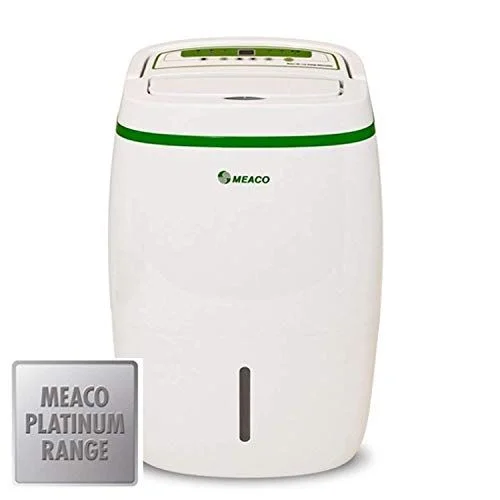
This is a brilliantly effective dehumidifier, perfect for anyone living in a medium- to large-sized home. Despite this, running costs are super low – just over 6p per hour.
Give the unit clear space
Choosing the room is only half the job. A dehumidifier needs unobstructed airflow, so Simon Oram, senior category manager for electrical at City Plumbing, recommends a flat, level surface with at least 30cm between the unit and nearby walls, furniture or curtains. Place it near the moisture source or a cold spot prone to condensation, but keep its intake and outlet clear.
When drying laundry, put the unit beside the clothes airer. Directly underneath leaves it exposed to drips.
Places that can undermine performance—or safety
A convenient spot can still be a poor one. Restricted airflow, misleading sensor readings and unsuitable temperatures can all leave a dehumidifier working for little benefit. Bathroom placement also raises a safety question.
1. Inside a bathroom
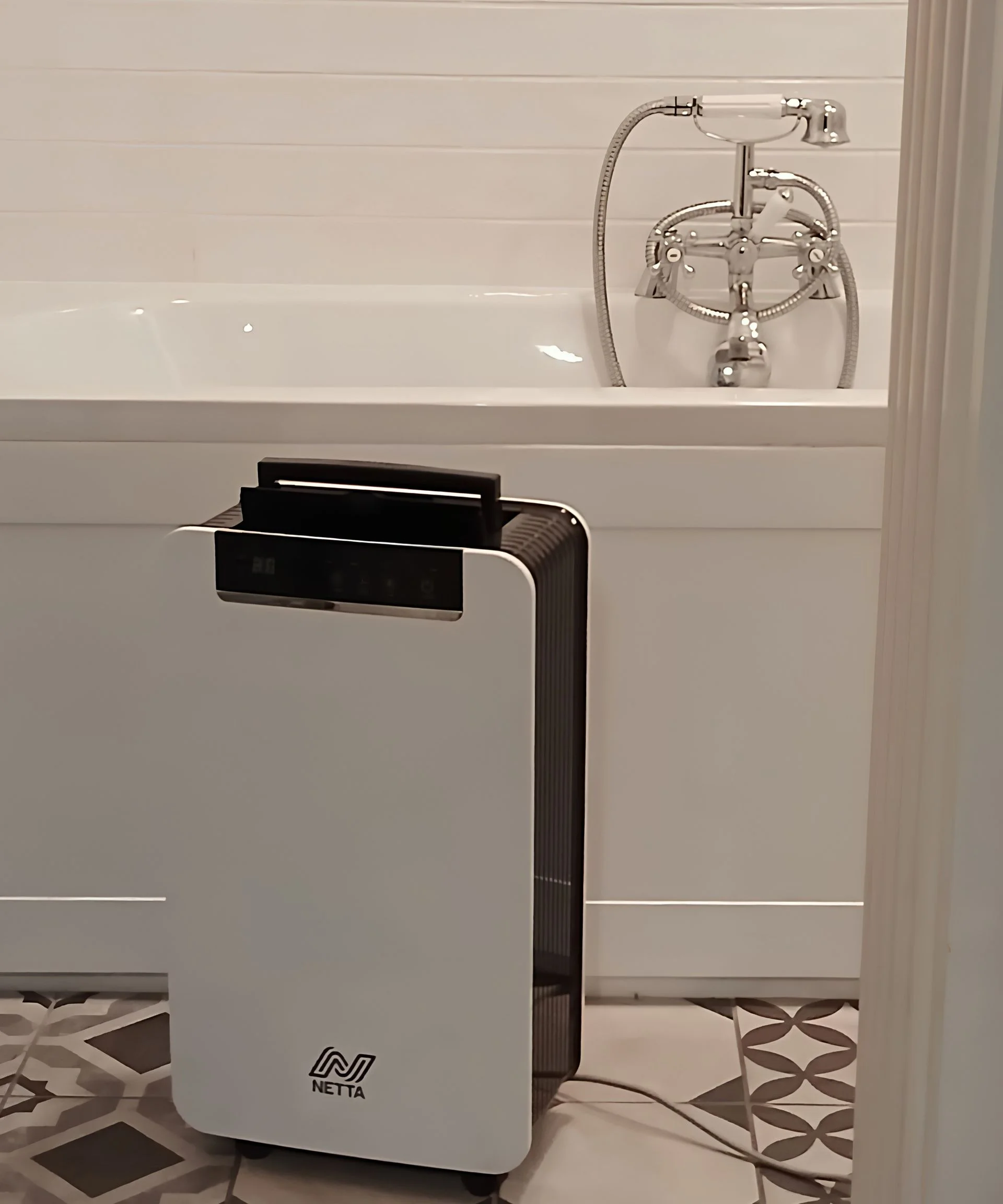
A bathroom extractor fan should handle most routine moisture, says Duffy. For extra help, placing a dehumidifier just outside the bathroom with the door open is the safer choice for many standard models. Chris Michael says Meaco units aren’t IP-rated for bathroom use and shouldn’t be used inside one.
If you intend to run a unit in the bathroom itself, Fok says to choose a water-resistant model with an IP rating of at least IP24. Still struggling with bathroom mould? Check for signs your extractor fan isn’t working properly.
2. Beside a radiator
A radiator may seem like a useful place to put a dehumidifier when you’re drying washing, but direct heat can distort the conditions around its humidity sensor. Scott Byrom warns that the sensor may read the air near the radiator as drier than the rest of the room. Simon Orman says this can mislead the unit’s humidistat.
Warm air can hold more moisture than cool air, so the unit may decide the room is dry and switch off early. Damp corners and cold windows could remain untreated. Keep the appliance away from radiators and other direct heat sources.
3. In a corner or cupboard
Hiding a unit behind the sofa or inside a cupboard can restrict the air it needs to process. Simon Byrom calls pushing a dehumidifier flush against a wall or into a tight corner a common mistake: blocked intake limits airflow and lowers efficiency.
A cupboard is only suitable in some cases. Scott Orman says certain models can dry enclosed spaces when used with the required clearance, but a unit shut away in a cupboard won’t do much to dry the room outside it. Check the manual before using one in a wardrobe or understairs cupboard, and leave the recommended space around the appliance—30cm is the guidance from Simon Oram.
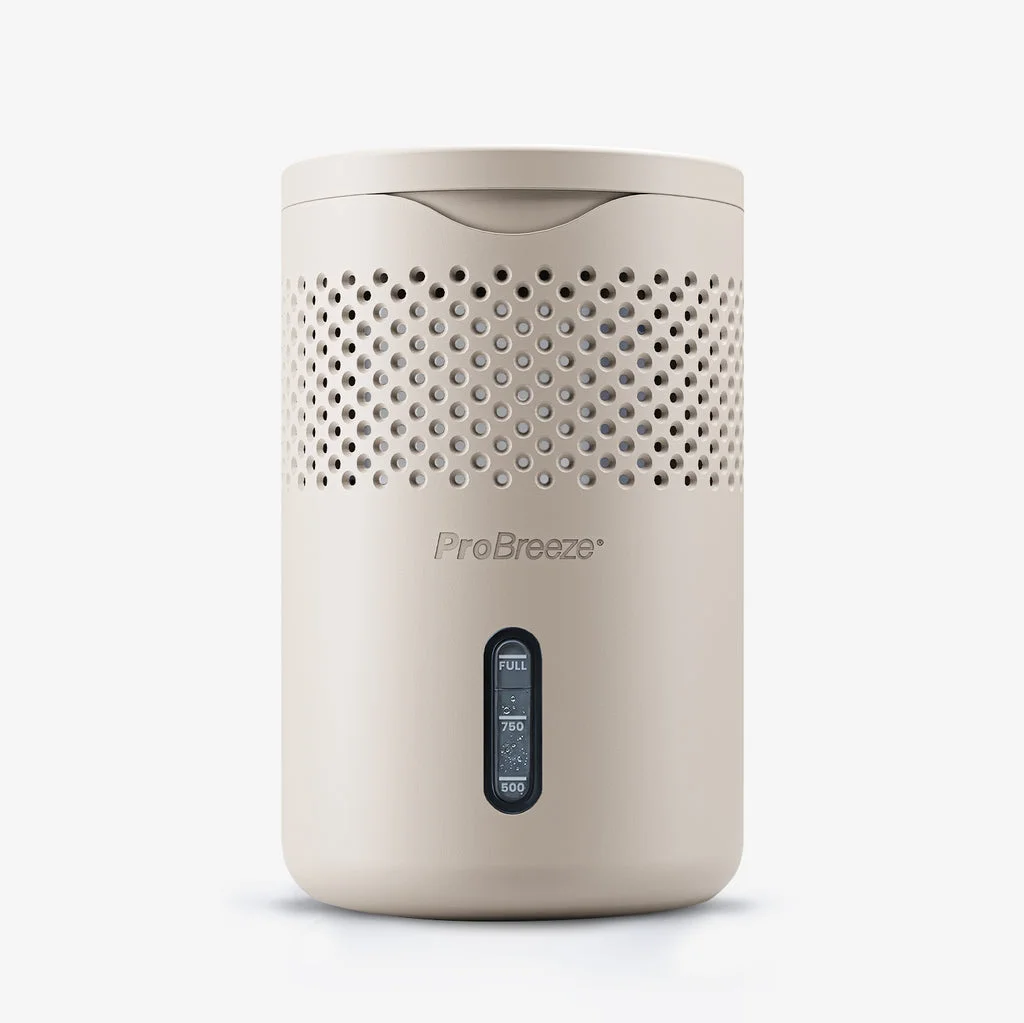
Short on space? The Pro Breeze Osmo is a plug-free moisture absorber that’s ideal for wardrobes, cupboards and bathrooms. With no electrics, it’s safe near water, and its 700g tablet absorbs moisture for up to 100 days.
4. In draughty or cold rooms with the wrong model
Open windows, outdoor-vented spaces and draughty garages make poor targets: the unit may end up trying to dry air that keeps being replaced by outdoor air, says Simon Byrom.
Temperature matters too. For a cold room such as a garage, loft or unheated spare room, Fok recommends a desiccant dehumidifier if temperatures may fall below 15°C. He says these models can keep working at temperatures as low as 1°C, while compressor models become less effective as the room gets colder.
FAQs
Should doors stay open or closed while a dehumidifier is running?
Match the door position to the job. Leave internal doors open when you want to manage humidity across the home; close the door when you’re targeting a single room, such as a utility room where laundry is drying. Keep external windows and doors shut while the unit runs, Scott Byrom advises, so it can treat a defined space. Continue ventilating the home regularly and use extractor fans when cooking or showering.
Can one dehumidifier draw moisture from other rooms?
To a degree. Jack Duffy says air movement through hallways and open doors can carry moisture from neighbouring rooms towards the unit. For a specific damp spot, though, putting the appliance where the moisture is produced will usually deliver faster results.
Homes spread across several floors may need more than one unit. Fok says larger homes with humidity problems throughout could benefit from two or three smaller dehumidifiers.
Before switching the unit on, check its clearance, close the external windows and move it away from direct heat. Placement won’t solve every moisture problem, but it can make a real difference to how much work the appliance gets done. For more on which condensation hacks actually work, see our guide.



Discussion
Sign in to join the discussion.