New UK rules due by the end of 2027 would make smart controls standard on many electrical appliances, enabling demand response and off-peak use.
Smart controls are becoming part of the UK appliance baseline
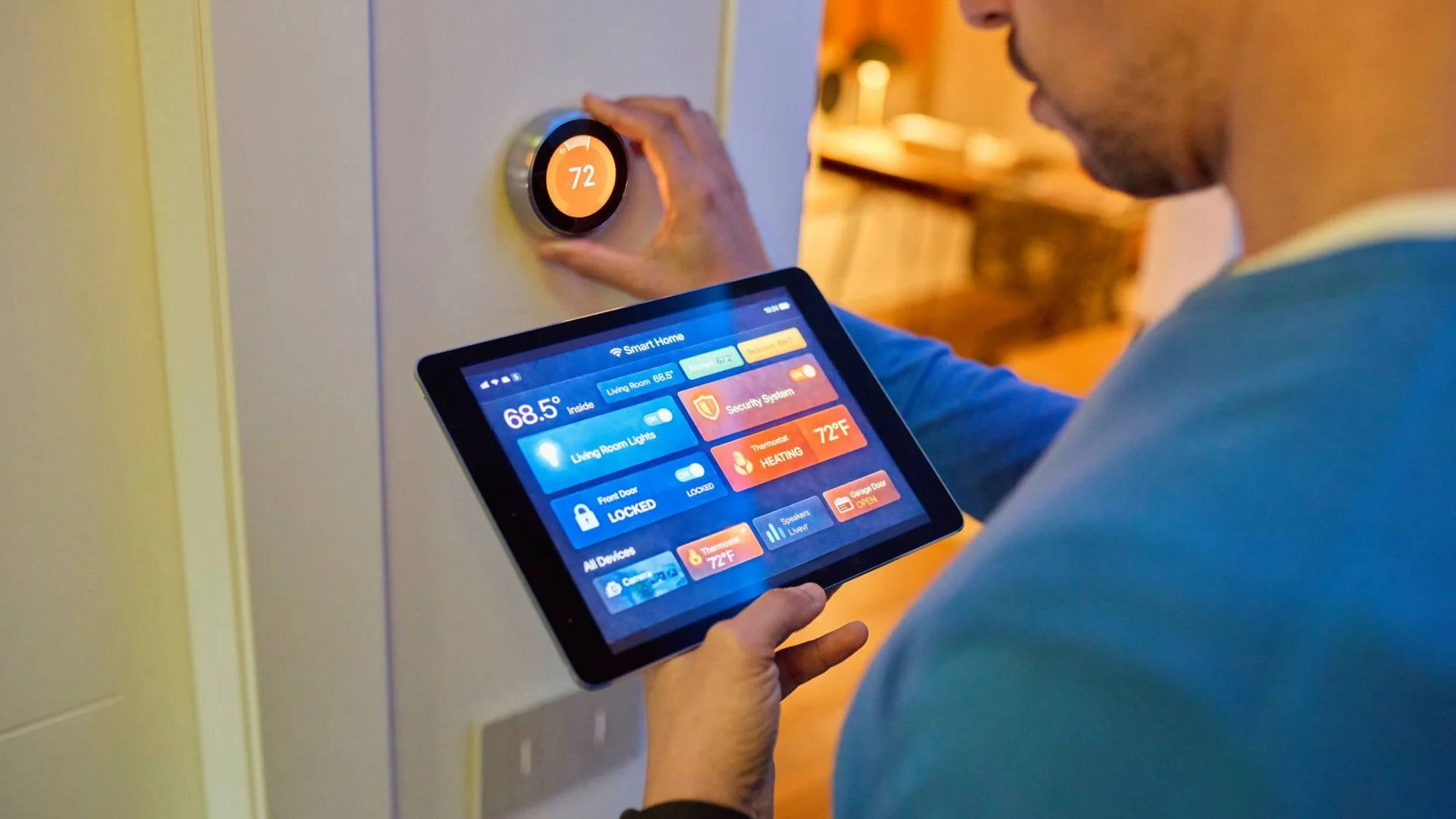
The UK’s planned Energy Smart Appliance Regulations could change what buyers should expect from new electric heating and charging equipment. Under the Smart Secure Electricity Systems Programme, overseen by the Department for Energy Security and Net Zero (DESNZ), new appliances would need controls that can respond to electricity prices and signals from the grid. The stated target for a full rollout is 31 December 2027, though details were still being finalised as of October 2026.
The policy reflects a practical challenge: as homes shift from fossil fuel heating to electric systems, electricity demand will rise. The government’s Clean Power 2030 Action Plan identifies greater flexibility as necessary to meet clean energy goals. Its Clean Flexibility Roadmap describes how flexible demand could help integrate renewable generation while giving consumers a role in managing when they use power.
For people choosing equipment now, that makes the rules relevant before the deadline. Heating systems, chargers and storage products can be costly purchases with long service lives. Buyers will want to know whether a device can work with time-of-use tariffs and external grid signals, rather than relying only on a manufacturer’s app or timer.
Which appliances are in scope
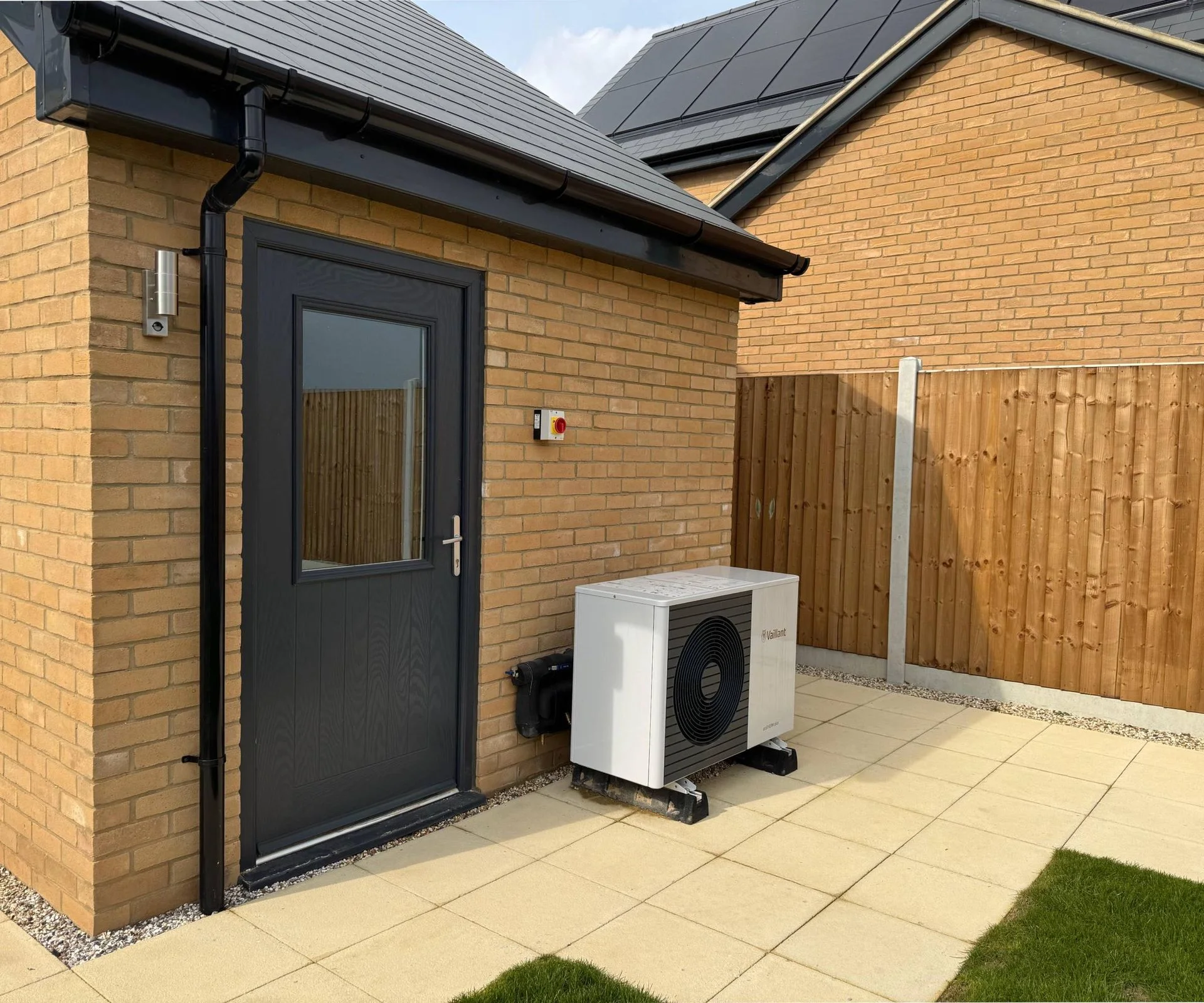
The proposed requirements cover new electrical appliances with smart controls, including electric vehicle chargers, heat pumps rated up to 45kW, electric storage heaters and other fitted electric heating. The essential capability is dynamic Demand Side Response (DSR): a device should be able to shift or moderate its electricity use in response to time-based prices or flexibility signals.
That goes beyond features such as app control, scheduling or weather compensation. A compliant appliance would need to support switching between energy suppliers and responding to grid requests, while allowing the homeowner to retain control. The source describes the ability to opt out of smart configurations at any time, and says consumers should be able to access DSR without an extra charge or complicated setup.
These provisions matter because a connected appliance is useful only if its controls work with the household’s tariff and routine. A heat pump that shifts operation to cheaper hours could reduce running costs, but households will need to understand their consumption and make sure the settings suit their needs. The system’s flexibility depends on people being able to use it without sacrificing comfort.
There are also safeguards for the grid. Appliances must stagger their return to high-energy operation after a pause or power outage, reducing the chance that many devices restart at once and create a demand spike. The regulations are also expected to set cybersecurity and data privacy requirements, with manufacturers carrying the technical and financial responsibility for compliance.
Why flexible demand matters at peak times
The pressure point highlighted in the source is the evening peak, especially the three-hour period from 4pm to 7pm. Electricity networks must be able to serve the highest demand they face, even if that peak lasts only a short time. If connected appliances can reduce or delay consumption during those hours, the grid may need less capacity built specifically to cover brief surges.
Grid flexibility could extend beyond heating and charging. The source says the National Grid may seek to manage home battery systems and, as vehicle-to-grid or vehicle-to-home systems become more common, vehicle batteries too. The aim would be to ease demand when the system is stretched and restore use when demand falls.
For households, the potential benefit is a better match between electricity use and price. Some energy suppliers estimate that households which generally avoid peak use could save more than £200 a year by moving from a price-cap tariff to one that varies through the day with market rates. That figure is an estimate, not a guaranteed saving: actual results will depend on consumption patterns, tariff terms and whether the household can shift enough demand.
Consumer-led flexibility is the central idea. People would be able to automate some of their use of heat pumps, electric vehicle smart charge points and other electric heating appliances, alongside battery storage, so more consumption takes place when electricity is cheaper or the grid has more capacity. The rules’ opt-out provision is therefore significant: automation needs to remain a choice if households are to trust it.
Remote support could change appliance servicing
Smart connectivity could also make faults easier to diagnose. Today, a heating problem can require an installer visit just to identify the issue. An engineer may then need to order parts and return later to complete the repair. With remote access to an appliance’s software, a service team could potentially adjust settings or identify the fault before travelling, bringing the right parts and tools on the first visit.
That could save time for both households and installers, particularly as homes adopt more complex electric heating systems. Remote access also raises understandable privacy concerns. The source’s author sees it as comparable to allowing technical support to access a phone or computer, but that comparison does not remove the need for clear controls over access and data. The regulations are expected to address security and privacy, while the homeowner’s ability to opt out gives that decision practical weight.
Manufacturers face the main compliance work
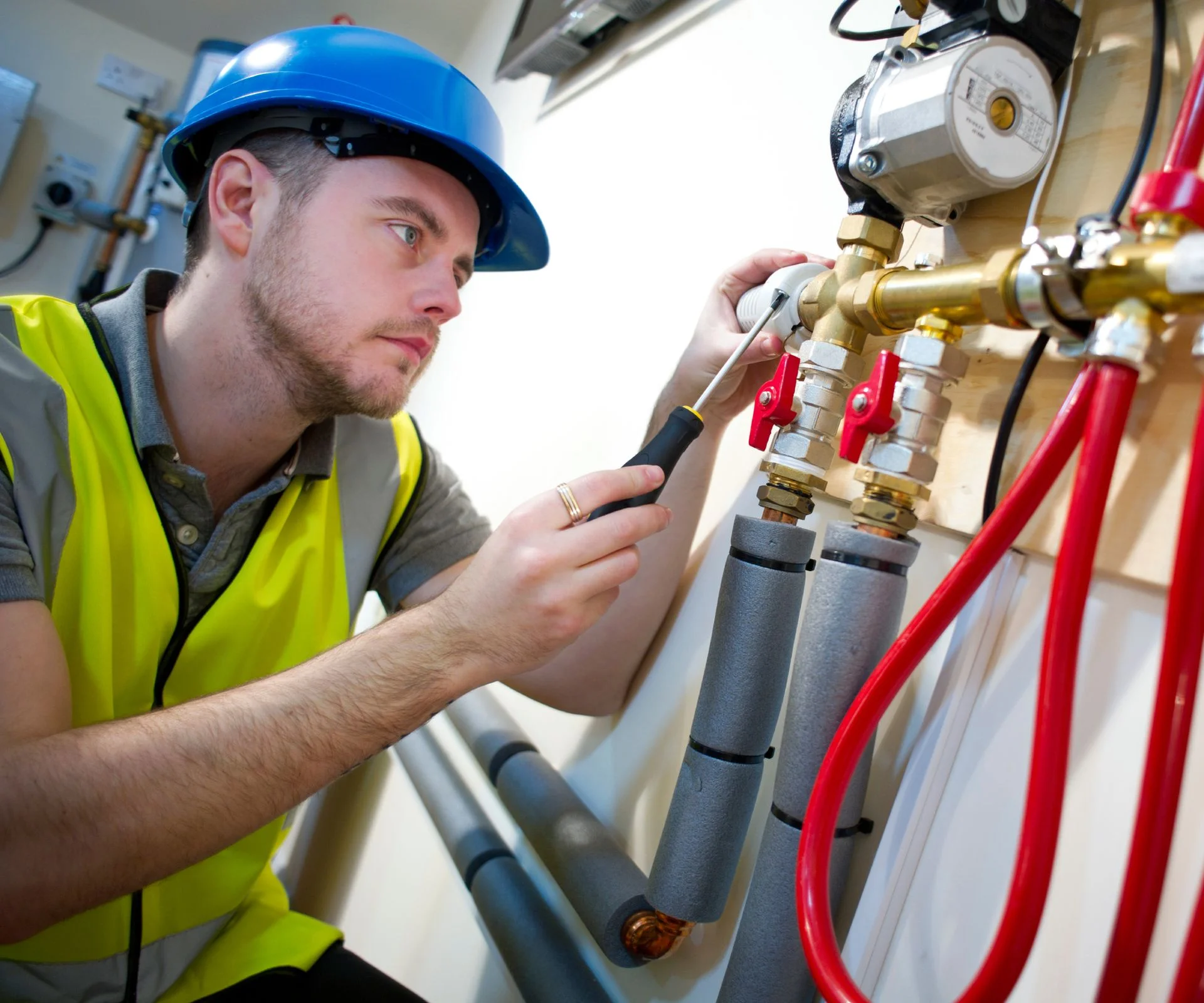
Manufacturers will need to build the required response functions into covered products and make them usable without extra cost or burdensome configuration for customers. The rules also call for accessible instructions that people can follow without wading through jargon. The source identifies this requirement as Regulation 40C.
That allocation of responsibility could make a difference to adoption. If consumers must pay extra, navigate complex setup or depend on specialist configuration, the promised flexibility may remain out of reach. The proposed approach puts the compliance work on manufacturers while preserving consumers’ ability to choose tariffs, set preferences and opt out.
The finer points had not been finalised at the time of writing in October 2026, so the final requirements and implementation details may become clearer as the deadline approaches. For now, the useful takeaway is straightforward: smart controls are becoming a core consideration when buying electric heating or charging equipment. Buyers should check how a product handles tariffs, grid signals, privacy and manual control, while manufacturers have a narrowing window to make those capabilities simple and dependable.



Discussion
Sign in to join the discussion.