Shorter days and winter weather expose weak spots around the home. Check alarms, outbuildings, lighting and camera settings before leaving.
Winter security depends on more than locking the front door. Early darkness can make a home look unattended, while storms and heavy rain can damage gates, sheds and other access points. A few focused checks can help reduce those vulnerabilities before you leave for the day or travel for the holidays.
Make the alarm part of your routine
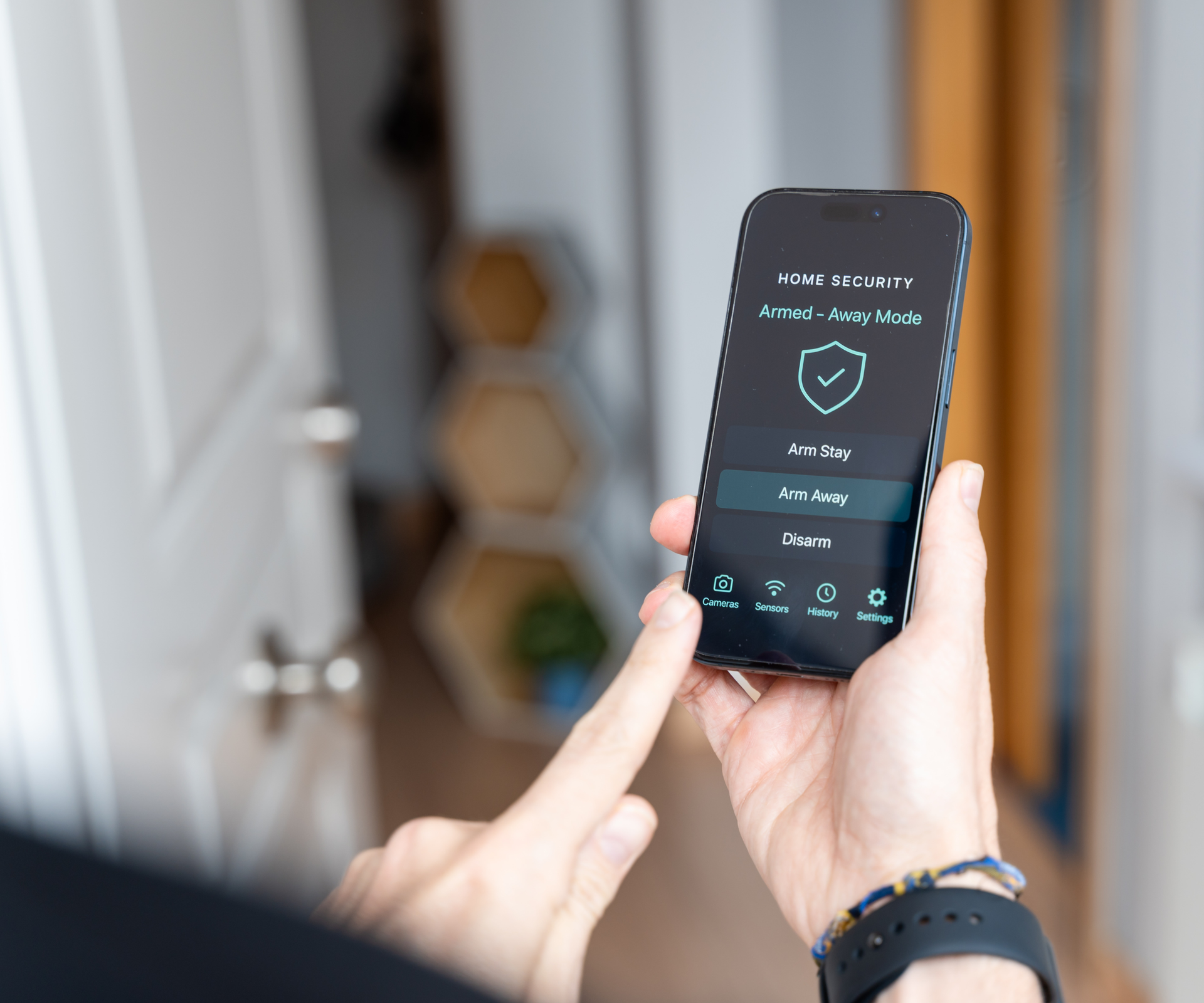
A security system only helps when it’s armed. Set a habit of activating it whenever you leave home or go to bed, and choose the mode that fits: full arm when the property is empty, or a partial setting while you’re inside. Pet-friendly modes can prevent animals from triggering motion sensors.
Systems generally use wired connections, wireless devices or smart controls, with some products combining those options. Whatever the setup, check that sensors cover the areas you want protected and that door and window contacts are fitted at each entry point, advises Wayne Kennedy, Head of Smart Security for Yale UK. Many modern systems also let you check or control settings by phone or voice.
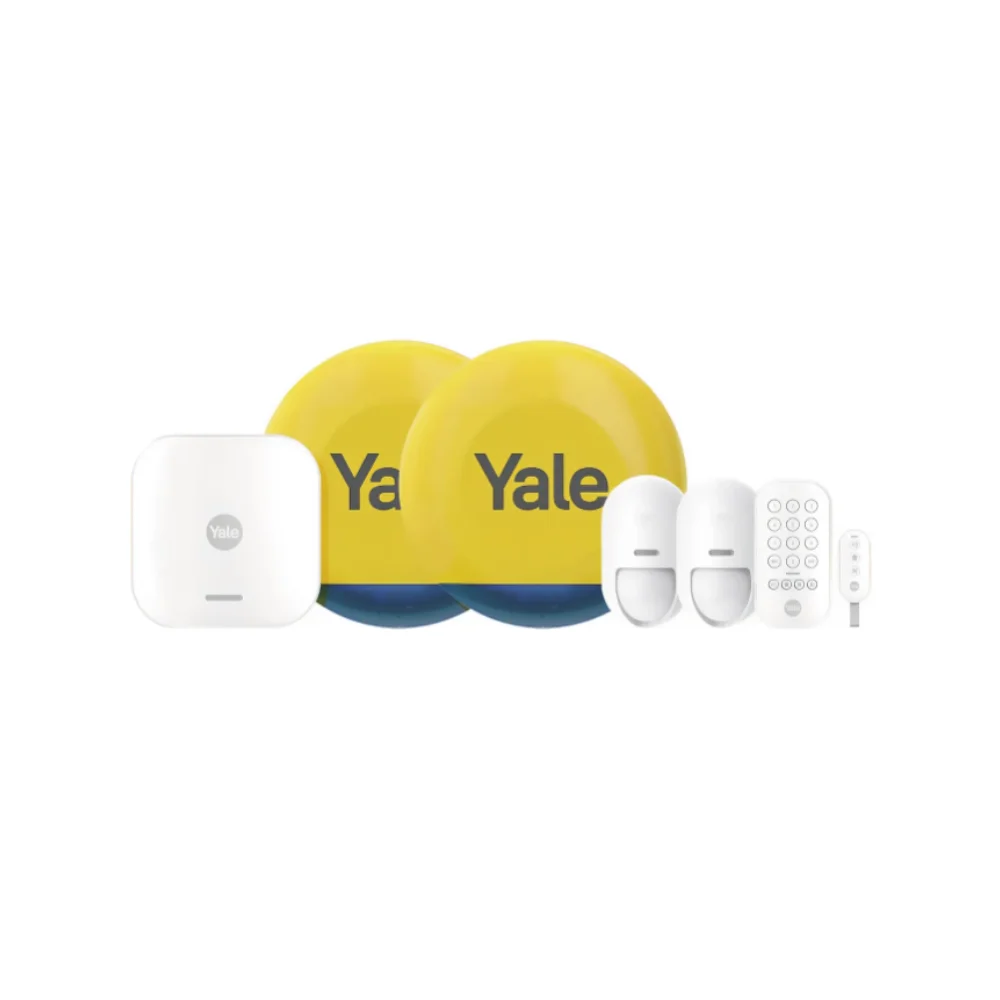
Easy to mount on walls and ceilings, this security kit includes two door/window sensors and two internal motion sensors.
Lock down the outbuildings and side access
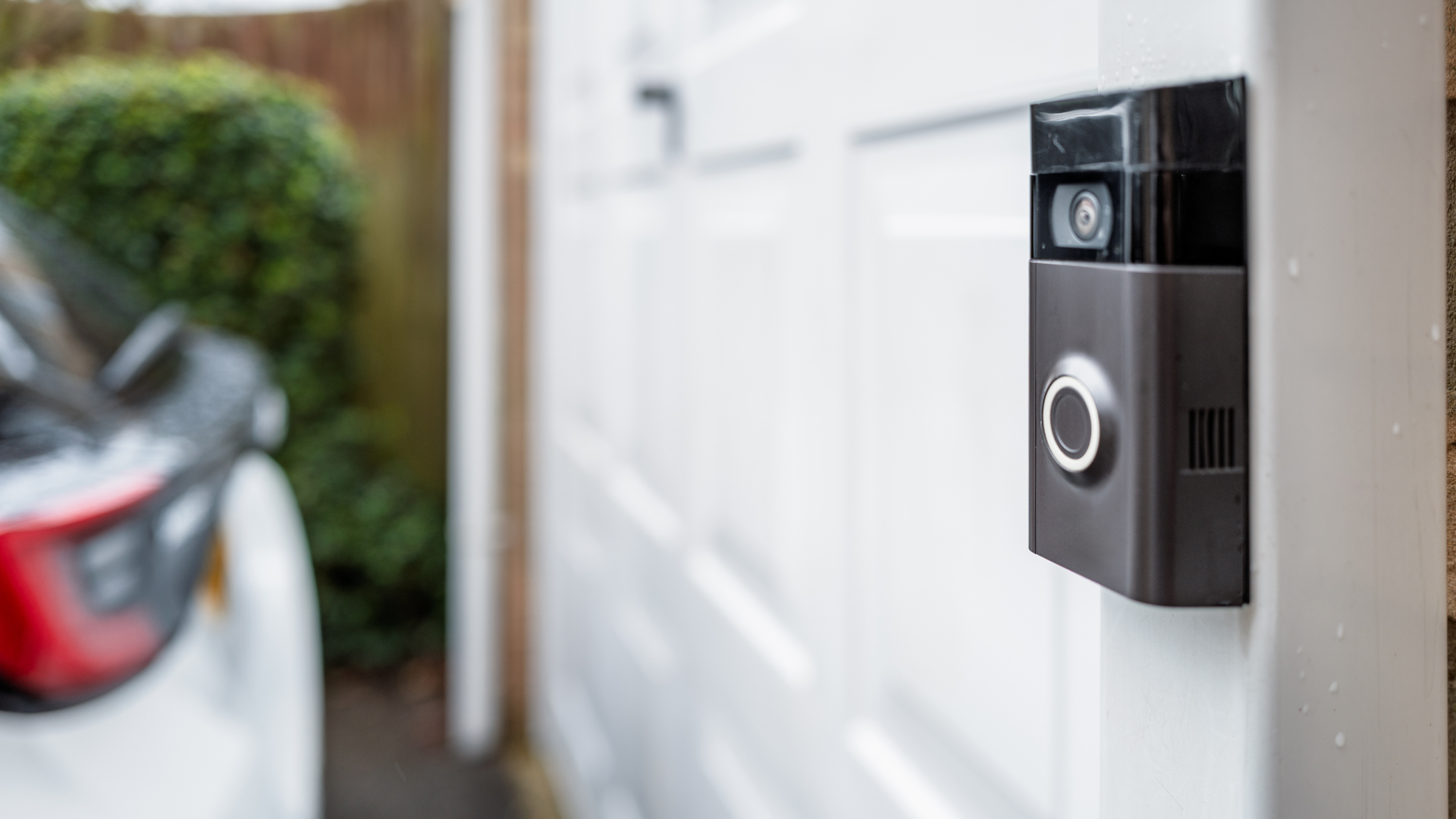
Before a winter trip, secure side gates, sheds and garages as carefully as the house. Put away ladders and tools that could make access easier. A video doorbell or camera aimed at an entrance can also help you monitor activity while you’re away, Kennedy says.
Give those structures a weather check, too. Storms, snow and heavy rainfall can weaken sheds and garages, encourage rot or leave cracks in surfaces. Damage can create new access points or make gates and doors harder to secure.
Make an empty home look lived in
Visible signs that a house is vacant can undermine other precautions. Sara Best, Director at Toucan Smart Home, advises avoiding social posts that announce a holiday or an extended absence until you’re back.
Lighting can help give the impression that someone is home without leaving a lamp on all weekend. Smart lights and basic timers can switch lamps on and off at set times, so the house appears occupied without relying on a neighbour.
Smart lighting must-haves
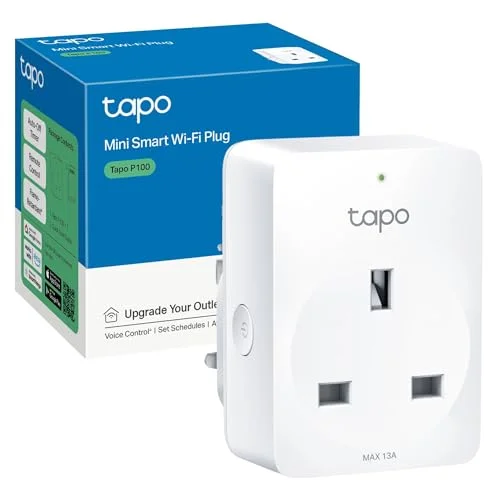
This smart plug lets you control your lamps and electronics at the click of a button, from anywhere in the world.
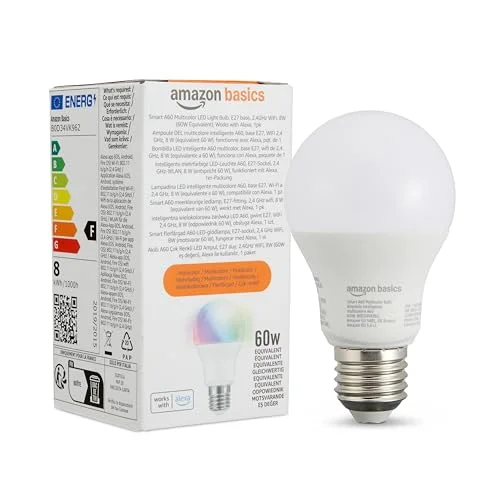
These smart bulbs let you adjust the power, colour and brightness of your lights using voice commands or the Alexa app.
Remove dark spots outside
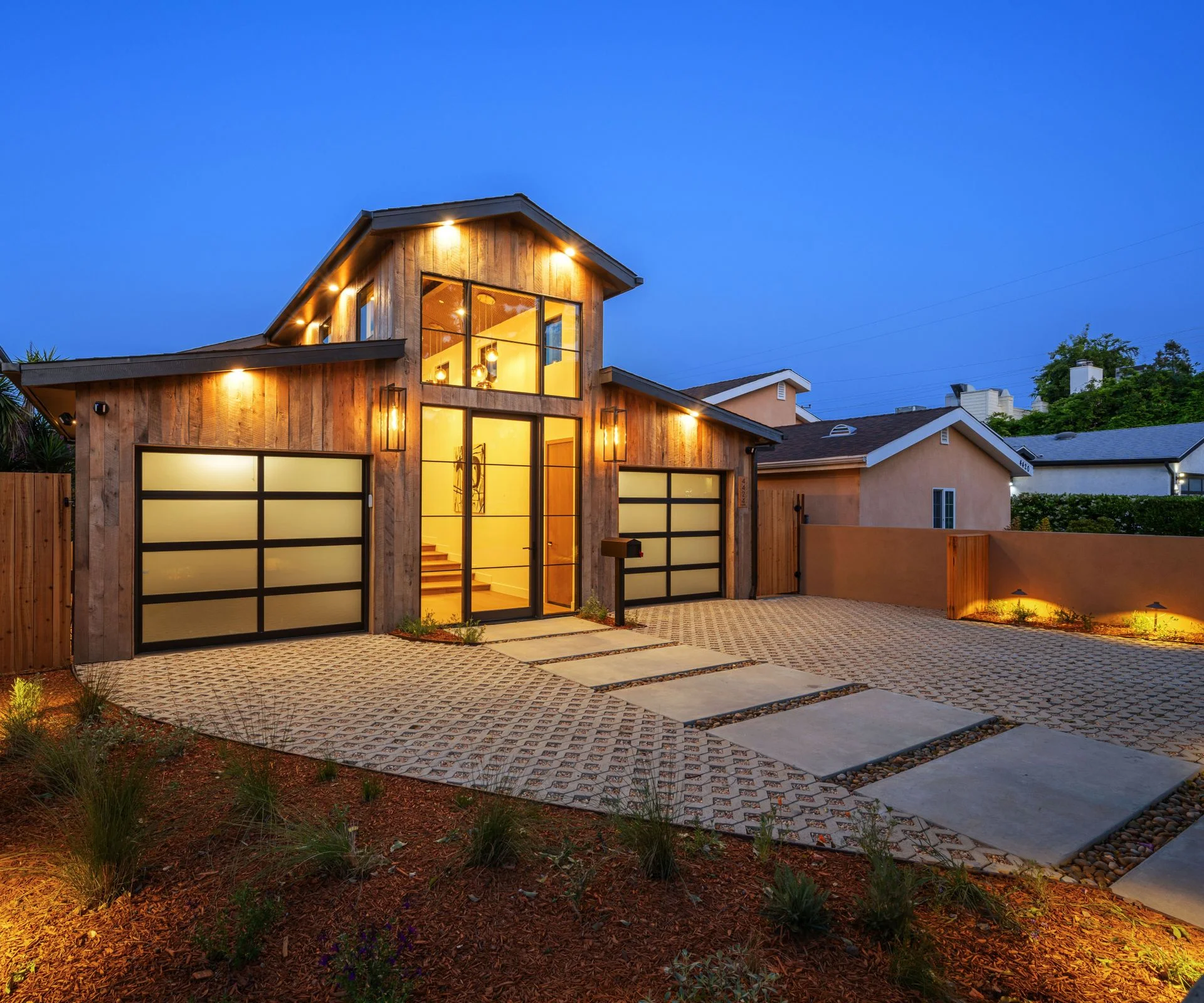
With night arriving earlier, entrances, paths, driveways and secluded parts of the property deserve a fresh look. Motion-activated lights can illuminate those areas when someone approaches, making it harder to move around unseen and helping residents find their way safely.
For a short absence, solar lights that switch on after dark are one option. Smart outdoor fixtures can also be controlled remotely or set to respond to movement. Best recommends checking that the lights cover the routes and corners where darkness could conceal an approach.
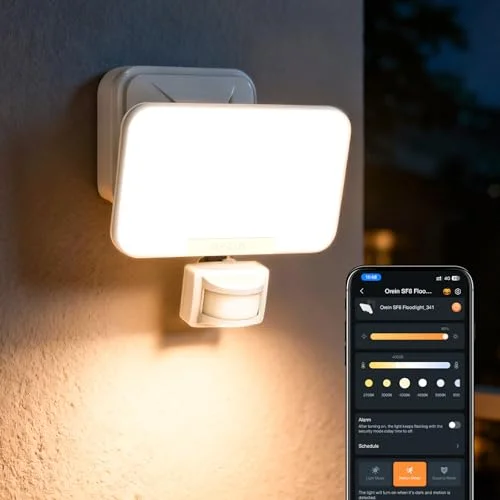
Boasting a 12m detection range and 180° PIR coverage, these smart floodlights can be switched between Motion Mode, Continuous Lighting and Alarm Flashing via your phone.
Check cameras and sensors before relying on them
Security equipment needs maintenance to work when it matters. Before the darker months, review whether cameras cover key access points, clean their lenses and charge or replace batteries. Test motion detection, confirm notifications are enabled, and adjust detection zones to focus on your property rather than passing pedestrians or traffic.
These checks are simple, but they can expose gaps before a system is needed. Winter security works best as a routine: arm the alarm, secure outbuildings, manage signs of occupancy and keep lighting and cameras ready for the conditions ahead.
For more detail, see whether upgrading to a smart home security system is worth it or browse the available shed security systems.

Discussion
Sign in to join the discussion.