Why Your Dehumidifier Makes the Room Feel Colder—and What to Check
Published Nov 05, 2026Reads 476Desk Gabriella Dyson
Dehumidifiers usually don’t lower room temperature. Dry air, fan drafts, poor placement, cold conditions, or incorrect settings can make a room feel chilly.
A dehumidifier probably isn’t making your room colder
A dehumidifier can make a room feel different without lowering its temperature. That distinction matters: the appliance usually releases some heat, but drier air may feel fresher and less heavy, while its fan can leave you feeling a draught. Neither sensation proves the room has cooled.
Jack Duffy, small appliance expert at
AO, says removing excess moisture can make air feel cooler even when the temperature hasn’t changed. Scott Byrom, energy and appliance expert at The Energy Shop, adds that a fan blowing directly at you may feel uncomfortable. Move the unit if needed, while keeping its vents clear. A dehumidifier doesn’t cool a room like an air conditioner.
If the chill persists, look at the setup. Open windows, a cold room, or a thermostat that gets a misleading reading can all leave you colder while the machine runs.
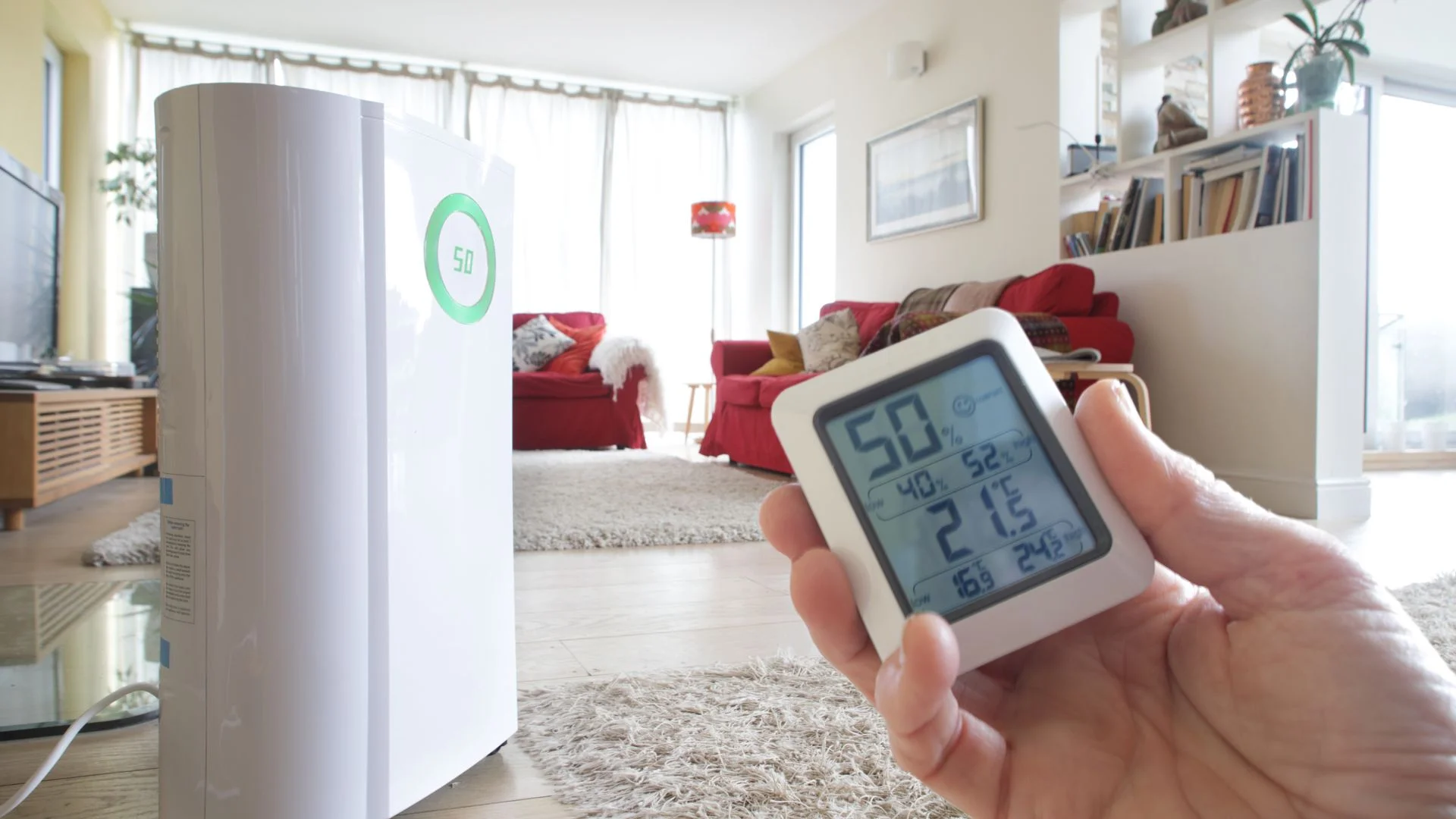
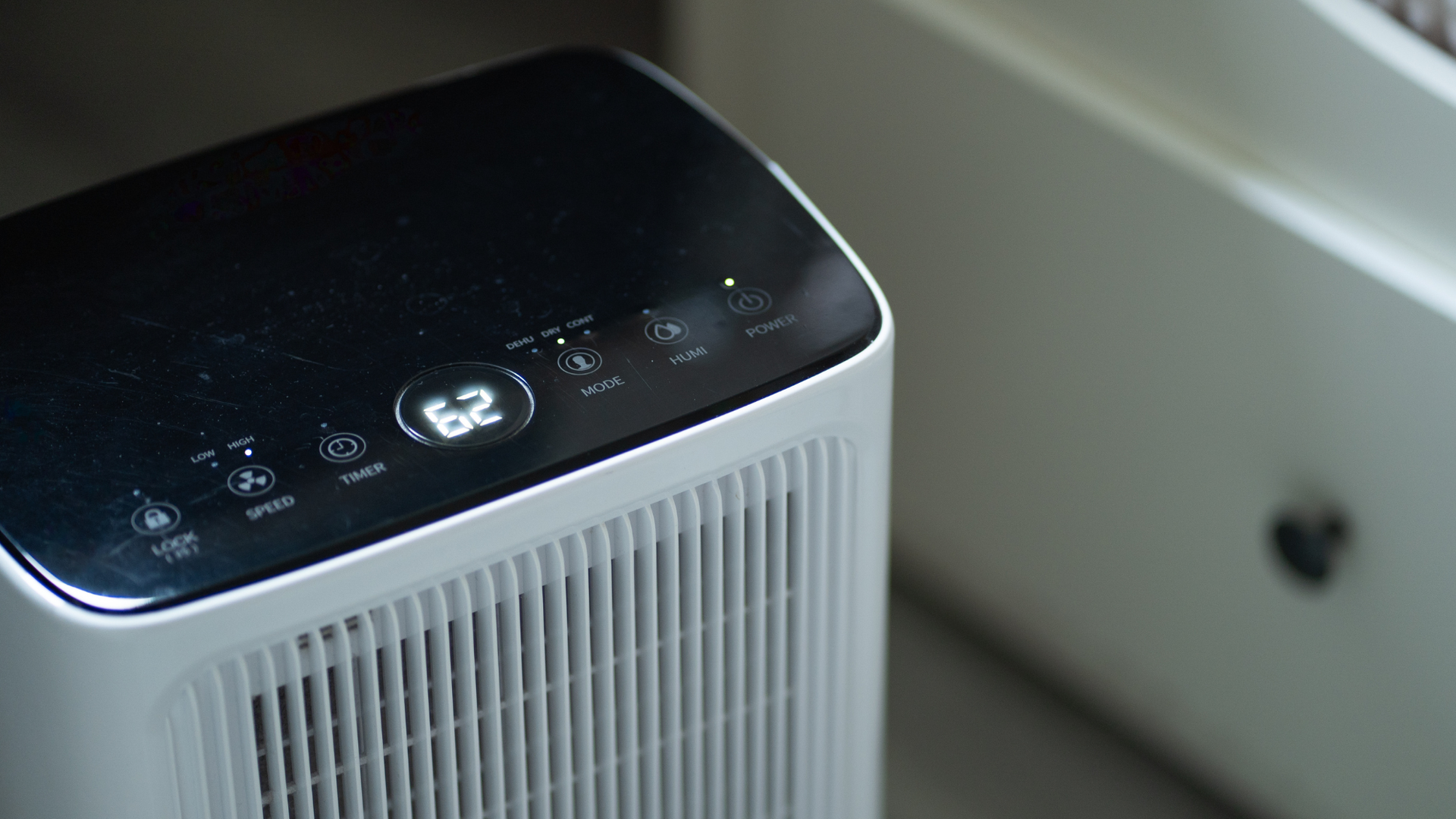
Settings and placement can affect both a unit’s performance and how cool the room feels.(Image credit: Future / Gabriella Dyson)
Five reasons the room may feel colder
The appliance itself is rarely the cause of a genuine temperature drop, says Duffy. He points instead to how it’s being used, including running it beside open windows or in an unheated space. These are the dehumidifier mistakes to check first.
1. It’s too close to the thermostat
Placement matters. A unit that blows warm air near the thermostat can make the heating switch off before the rest of the room reaches the set temperature.
“Dehumidifiers tend to release warm air, so don’t put it next to the thermostat,” says Rhys Powell, director of operations at WarmZilla. The thermostat may read that local warmth as a signal to stop heating, leaving other parts of the room—or the house—cooler. Keep the appliance away from the boiler, too: it shouldn’t obstruct ventilation or sit in excessive heat.
2. A compressor model is running in a cold room
Compressor units draw air across a cold coil, and low room temperatures can make them less effective. That’s a performance problem caused by the cold, not evidence that the machine is cooling the room.
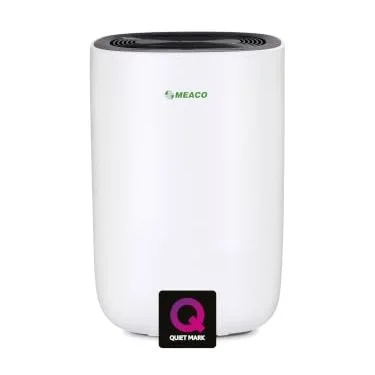
Powell recommends checking the operating temperature for your model. Chris Michaels, founder of Meaco, gives a rough guide: compressor models of 12 litres or less generally lose effectiveness below about 15°C. Larger 20- and 25-litre models can work down to around 10°C. As temperatures drop, ice may form on the coils, leaving the machine to spend more time defrosting and less time collecting water. See also the guidance on dehumidifier coils freezing up and the differences between desiccant and compressor dehumidifiers.
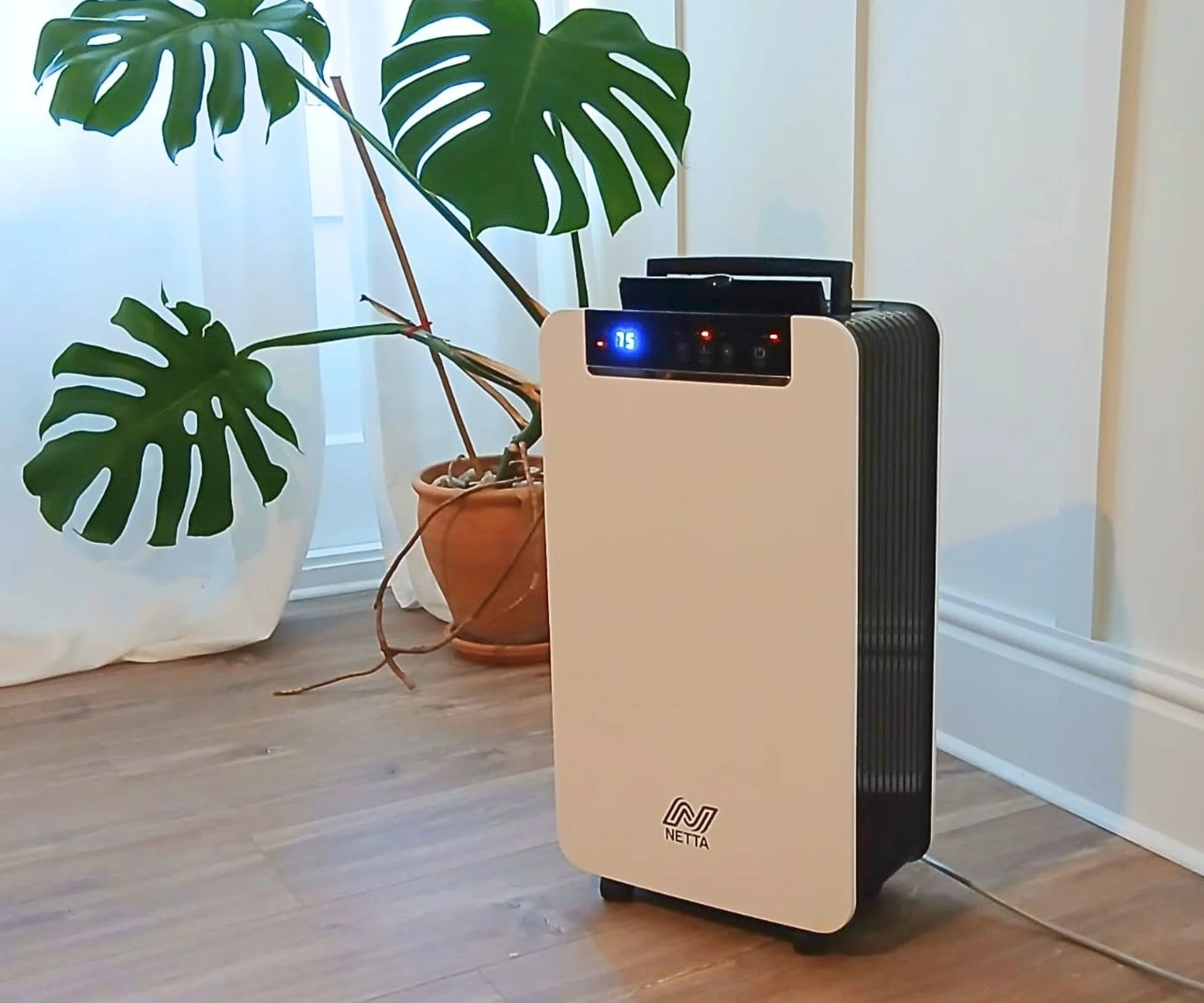
Desiccant models release warm air as they run.(Image credit: Amy Willis)
3. The target humidity is too low—or there’s no humidistat
Once the air is dry enough, a machine that keeps running can leave you sitting in a needless breeze. Michaels recommends aiming for 55% relative humidity and choosing a model with a humidistat. Without one, the appliance may run longer than needed; moving air can make you feel colder through wind chill, even if the temperature stays steady.
4. The windows are open
An open window lets cold air into the room and gives the dehumidifier a continuing supply of damp outdoor air to process. The result can be a colder space and a harder-working appliance. Byrom advises closing external windows and doors while the unit is running, so it can treat a defined area.
You’ll still need to ventilate your home regularly, and use extractor fans while cooking or showering. Just do that at a different time.
5. Turning up the heating may not solve the moisture problem
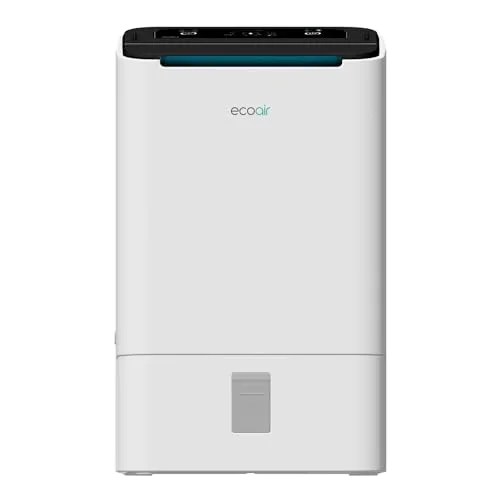
A warmer room can help a compressor dehumidifier work, but raising the thermostat to compensate for a chilly feeling isn’t a way to remove moisture. Noel Fok, CEO and co-founder of EcoAir, cautions that warm air can carry more moisture. When that air meets colder surfaces such as windows or walls, condensation can form; warm, humid conditions can also support microbes. His advice is a reminder to address humidity directly, including by tackling condensation, rather than simply turning up the heat.
The Homebuilding team rates this lightweight desiccant model, which includes an antibacterial filter.
How to use one through winter
A dehumidifier and your heating can work together. Run the appliance in the room where moisture is building up, and keep the room at a steady, comfortable ambient temperature. Powell says compressor models generally remove moisture more effectively in a warmer room; there’s no need to crank the heating to its maximum.
Automatic controls can reduce unnecessary running, drafts and electricity use. If you’re buying for winter, Duffy suggests looking beyond extraction rate for a built-in humidistat and automatic humidity control. These features can manage the run time and may help with running costs. For more on how long to run a dehumidifier, the machine’s controls can be more useful than guesswork.
Give the unit room to draw in and circulate air. A heated room suits a compressor model, but don’t place it against a radiator or where hot air blows directly into it. Powell says excessive nearby heat can affect airflow and the conditions around the humidity sensor.
If you’re treating one room, shut the door to retain warmth and limit the air the dehumidifier has to process. That’s especially useful when drying laundry or dealing with condensation in a bedroom. The machine can focus on that room instead of drawing in air from elsewhere in the house.
FAQs
Can a dehumidifier make a home feel warmer?
A little. All dehumidifiers release some heat, though desiccant models release more. Michaels says compressor units typically output air about 1–2°C above room temperature; air from a desiccant model may be around 10–12°C warmer. That’s one reason desiccant units are often recommended as the best dehumidifiers for cold rooms. Still, the heat isn’t a replacement for a heating system: once the appliance switches off, the room gradually loses the extra warmth.
There may be a longer-term comfort benefit. Moisture can settle into walls, fabrics and soft furnishings, leaving a room clammy even when the heating is on. Lower humidity can make a home feel more comfortable in winter, Duffy says, because dry air is often easier and more efficient to heat.
Can a dehumidifier cut heating bills?
That claim is less settled than the comfort benefits. Fok argues that moisture laden air is harder to heat and says a dehumidifier could help reduce energy costs. He estimates that using a dehumidifier’s laundry mode instead of a tumble dryer could save between £50 and £250 a year, based on three loads of laundry per week.
Michaels is more guarded: a drier home may feel more comfortable, but, as he puts it, “improved comfort does not establish a net saving on bills”. The experts provided no data showing that a dehumidifier lowers heating bills overall. The machine uses electricity—particularly desiccant models—so any heating savings would have to exceed its running cost. See the guide to dehumidifier running costs.
Does drying laundry make the room warmer or colder?
Slightly warmer, according to Michaels: the unit releases warm air as it removes moisture from wet clothes. Keeping the door closed can help retain that warmth, especially with a desiccant model.
Powell recommends drying clothes in the same room as the machine. That lets it capture moisture before it spreads through the house and settles as condensation on cold walls or windows. If a spare room or home office still needs a quick boost, see the best portable heaters.
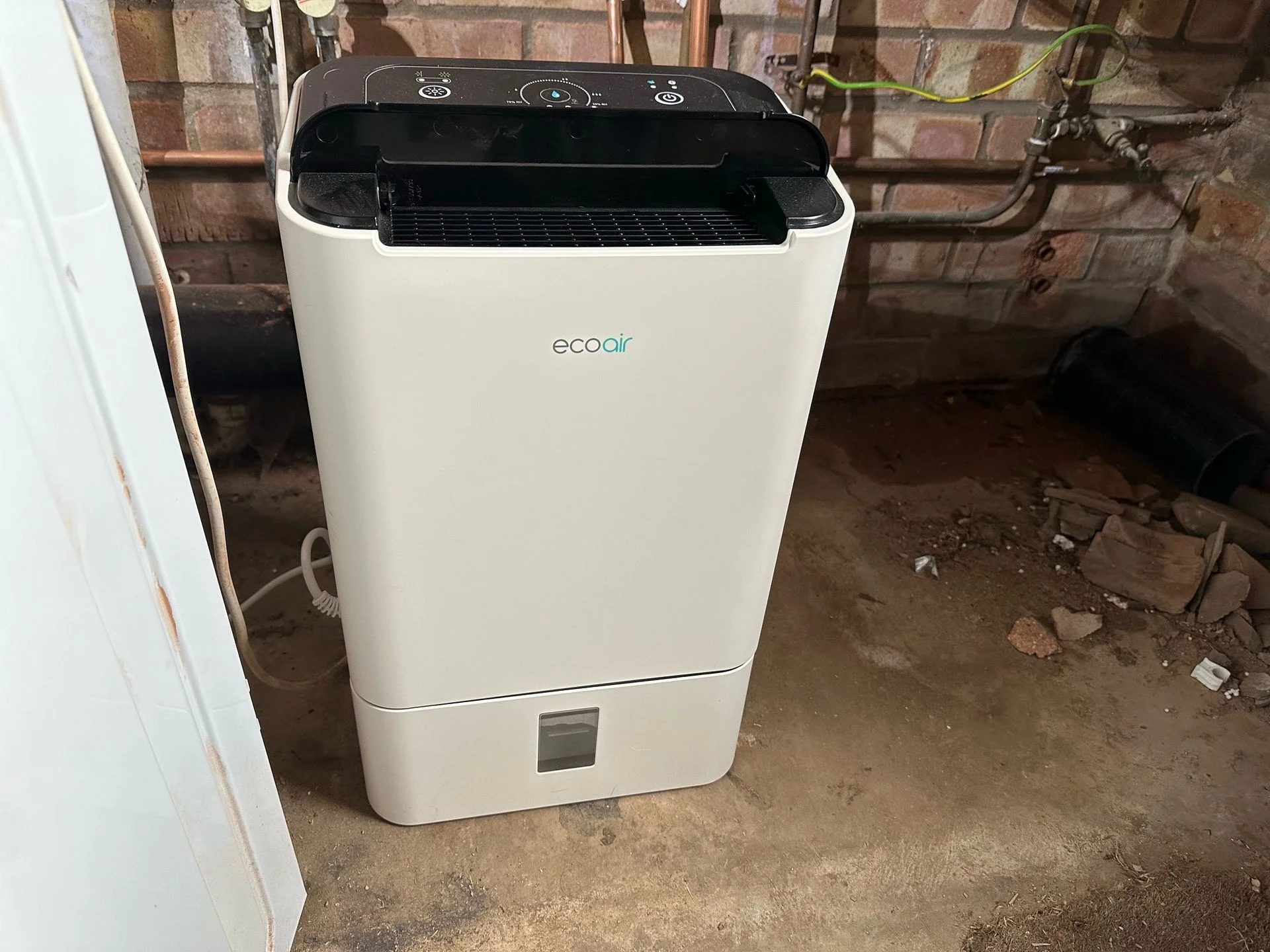
 For Testing Levels
 For Warmer Rooms
 For Cold Spaces


Discussion
Sign in to join the discussion.