Acers reward patient planting with year-round colour. Here's how to choose the right variety, match it to your soil, and protect it through winter.
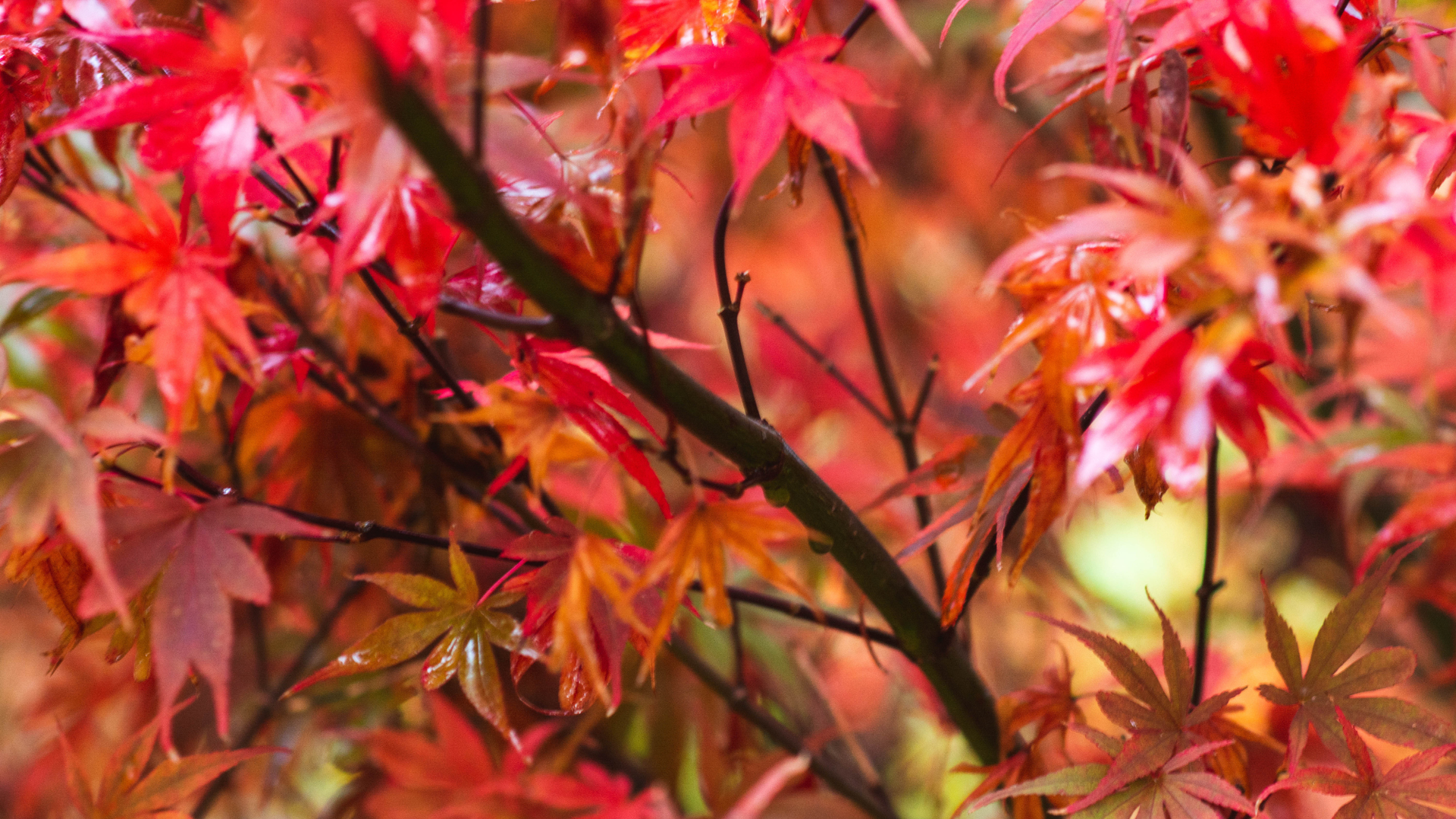
Few garden trees give you as much for so little effort. Acers offer leaves in burnished crimson and bronze, sherbet lemon, and fuchsia pink, and they keep their structure long after the flowers fade. Most gardeners assume they're fussy. In practice, they're forgiving as long as you get three things right: the size of the tree, the spot you choose, and the soil underneath it.
Start with scale. Some acers reach around 4.5 metres, while others stay closer to a metre tall. Measure your space before you fall for a particular leaf colour. Then decide on shape. Upright varieties suit narrow borders and tight corners, while low-growing forms spread out and work well as focal points on a patio. Leaf colour and leaf shape matter too, but they're easier to change your mind about than the size of the tree you end up with.
Planting acers in the ground
Location makes or breaks an acer. Its delicate leaves scorch in cold wind and harsh sun, so look for a spot with partial shade. Red-leaved varieties tolerate direct sun better than their green-leaved cousins, which makes them the safer bet for a sunnier plot.
Dig a hole large enough to comfortably take the root ball. Add feed and plenty of water to the hole before the tree goes in. If the roots are dry, soak the root ball in water beforehand. Damp roots settle into new soil far more easily than dry ones.
When you lower the tree in, check two things before you backfill: that it sits upright, and that it's positioned exactly where you want it. Once you've filled the hole, firm the soil down evenly around the root ball by treading gently. Level the surface and water again. Skipping that final watering is a common mistake, because it leaves air pockets around the roots.
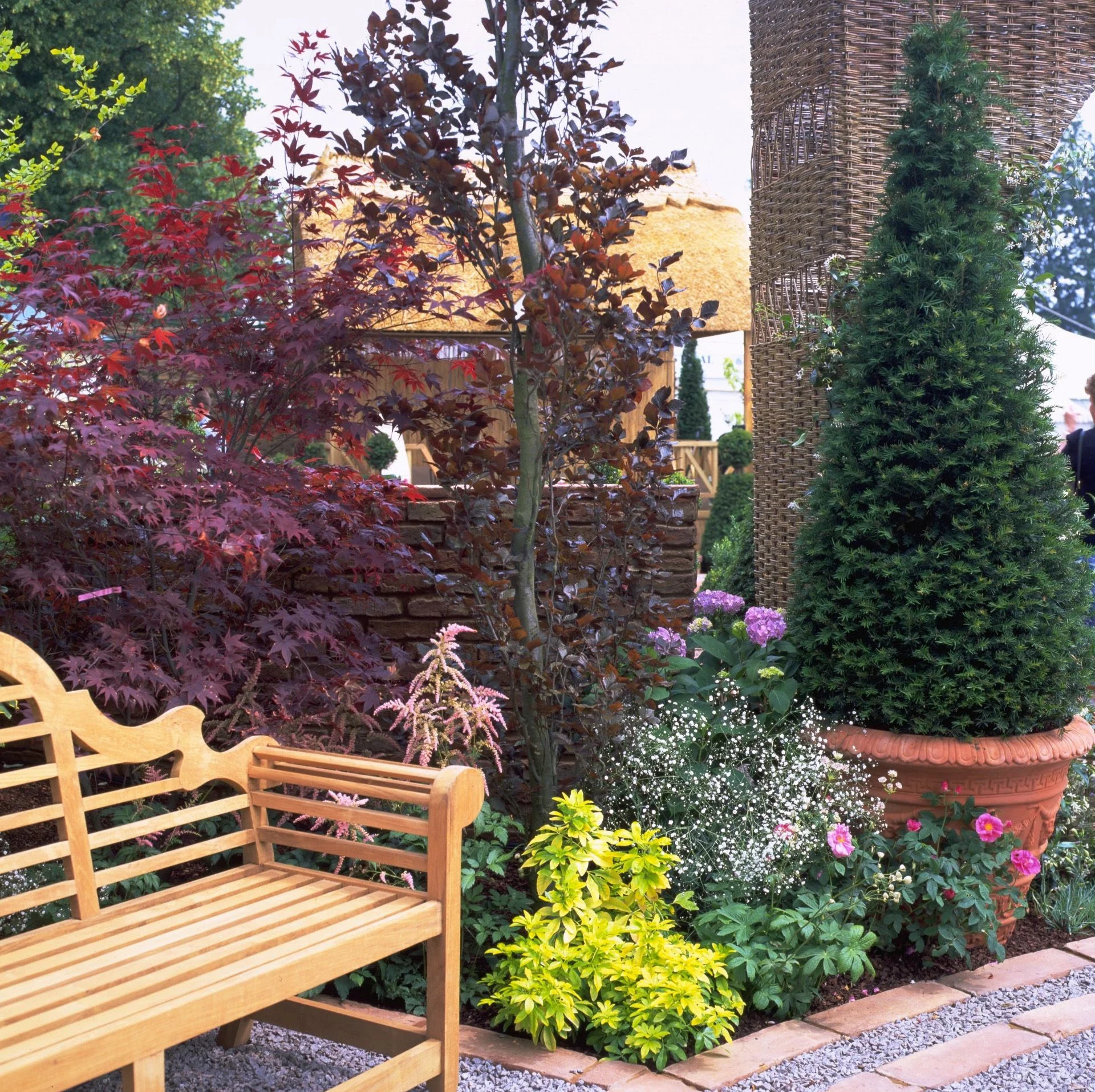
Planting an acer in a pot
If your garden is short on space, or your soil works against you, a container is a practical alternative. Acers grow well in pots, and they're among the best trees to grow in pots. Container planting also suits a planter on a terrace or doorstep.
Buy the largest pot you can manage. Put a layer of crocks, which are broken terracotta or similar material, in the base to improve drainage. Place the container in its final position before planting, because a filled pot will be too heavy to shift.
Acers prefer shallow roots, so build up a layer of soil and shape a slight well in the centre. Use a loam-based ericaceous compost and mix in a scattering of sharp sand or grit. If the compost around the young tree feels dry, stand the plastic nursery pot in a bucket of water until the root ball is refreshed. Ease the tree out gently and loosen the roots so they aren't compressed.
Set the tree in the well and fill the gaps with compost, pressing down as you go. The surface should finish a couple of centimetres below the rim. That gap stops the soil washing out when you water. Make sure the tree feels firmly anchored before you step away.
Water thoroughly, then keep the tree moist through any dry spells during its first year. Acers in containers need repotting into a slightly larger pot every couple of years. Do this in April, and refill with fresh potting compost each time rather than reusing the old stuff.
What you will need
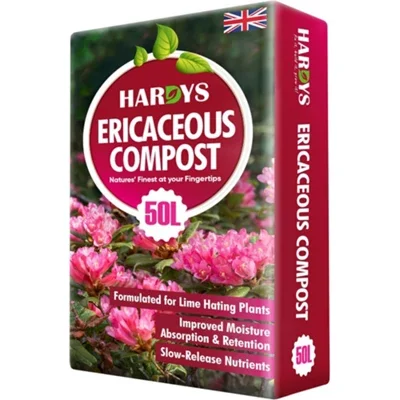 50L
This loam-based compost is our top choice for planting acers and is great value for money, costing under £12.
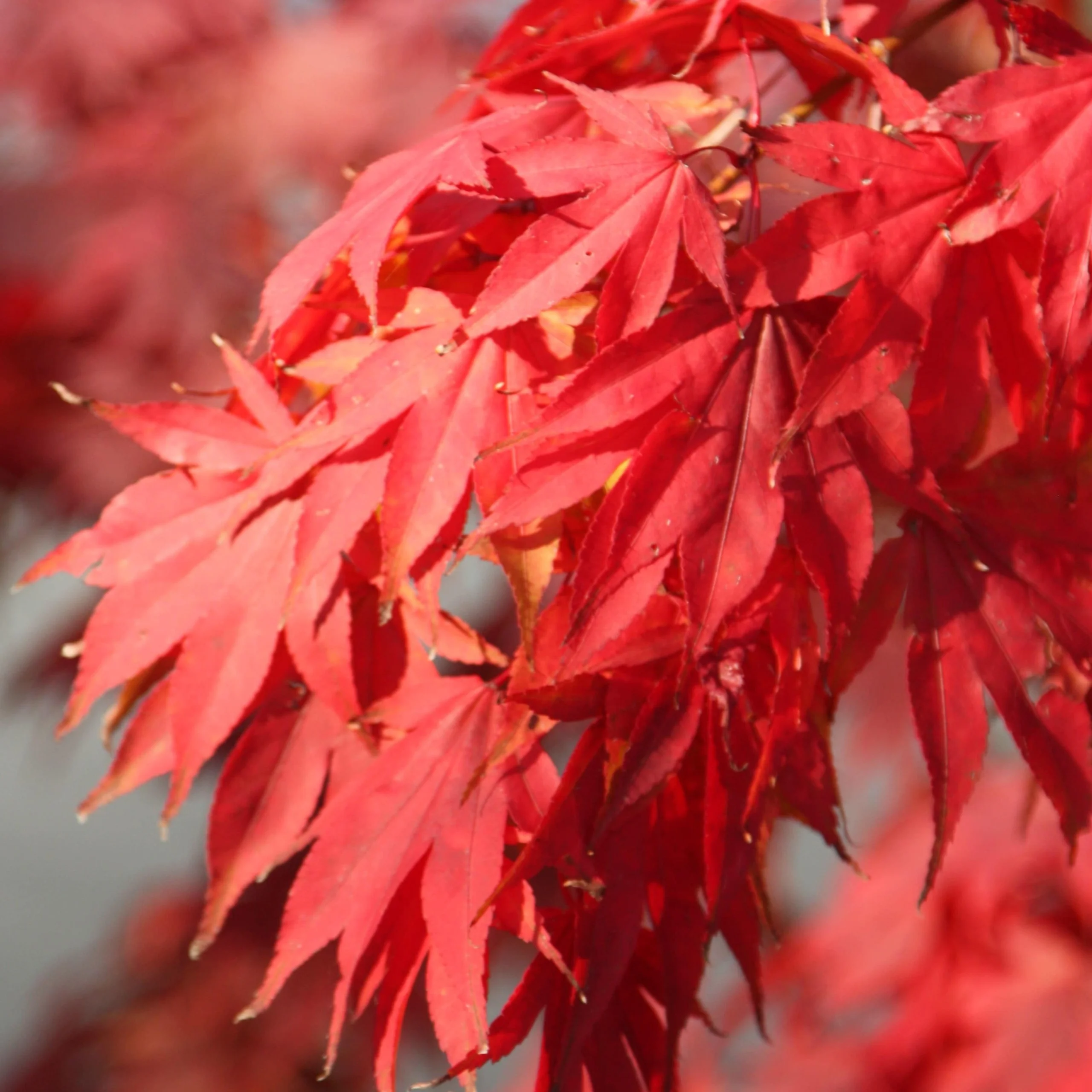 12L
This round-headed acer produces purple-red blooms in spring, followed by red, winged fruits in summer, before it turns yellow, orange or red in autumn.
When to plant an acer
Growing acers from seed is slow, and it rarely rewards impatient gardeners. Young trees from a garden centre or online supplier can go straight into the ground and give a border an immediate lift.
Aim for autumn or early spring. Cool weather keeps the soil from drying out too quickly, and the ground is easier to dig when it isn't frozen. Those two conditions give new roots the best chance of establishing before summer heat arrives.
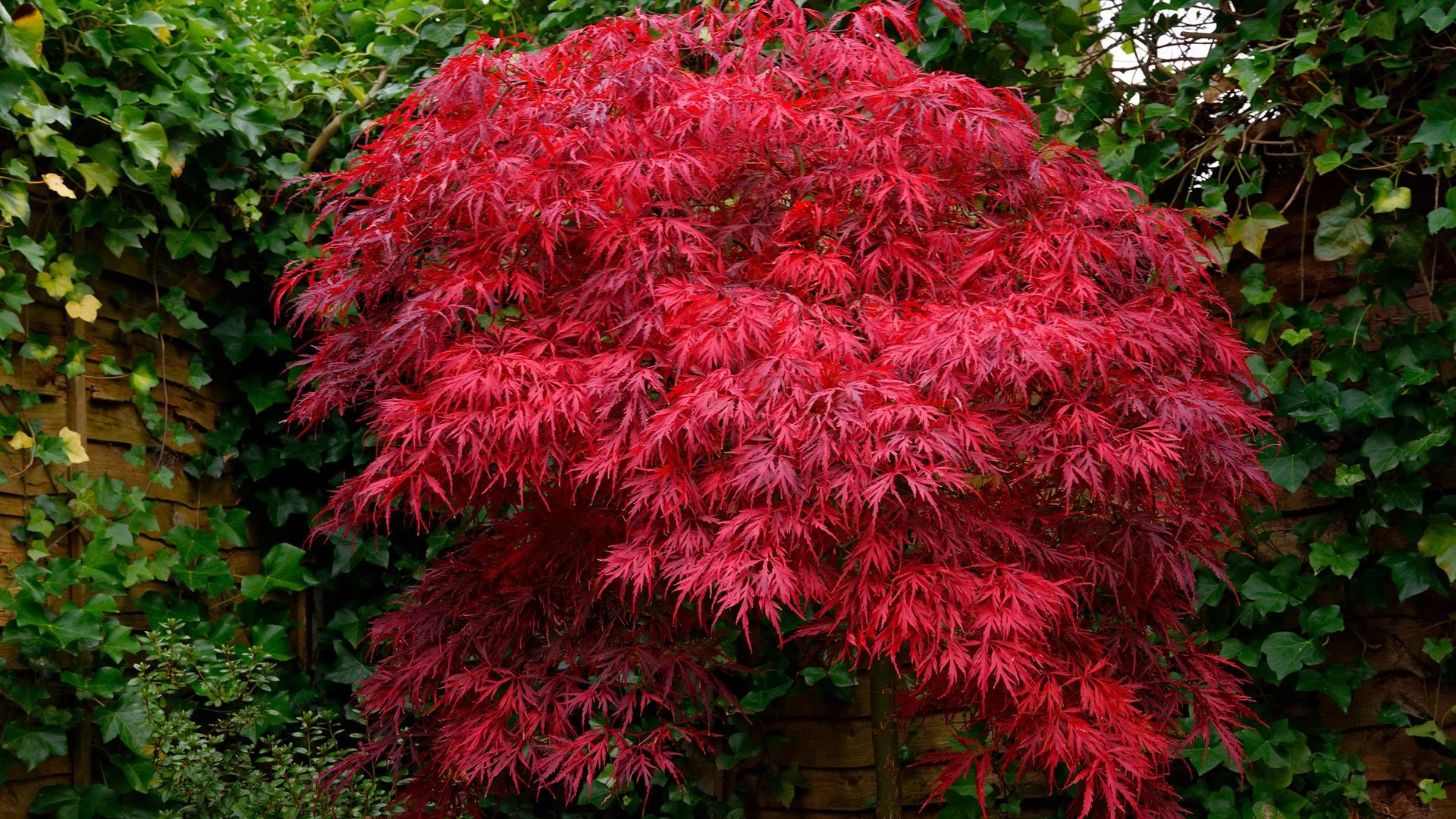
How to care for acers
Day-to-day care is simple but matters. Keep the roots cool and moist, and never let them sit in waterlogged soil. Water during droughts, particularly while the tree is still settling in.
- Keep the roots cool and moist but never waterlogged once the tree is in its spot.
- Water during droughts, especially while the tree establishes itself.
- Feed every spring with a fertiliser made for trees and shrubs.
- Mulch over the roots with well-rotted compost or soil conditioner. This helps the tree grow strong and healthy.
Protecting acers through winter
Winter is hard on every garden plant, and acers are no exception. Shelter is the single most important factor in getting them through the coldest months. The more delicate the leaves, the more protection the tree needs.
Choose a site sheltered from cold easterly and northerly winds. Late frosts are a particular threat, because they damage the tender new foliage that appears in spring. Overhanging trees, boundary fences, walls or nearby buildings all provide useful shelter.
When frost is forecast, drape a fleece over the foliage to shield it. Potted acers need a bit more work. Wrap the container in bubble wrap or fleece and secure it with garden twine. Pot feet or bricks lift the container off cold ground, which helps too.
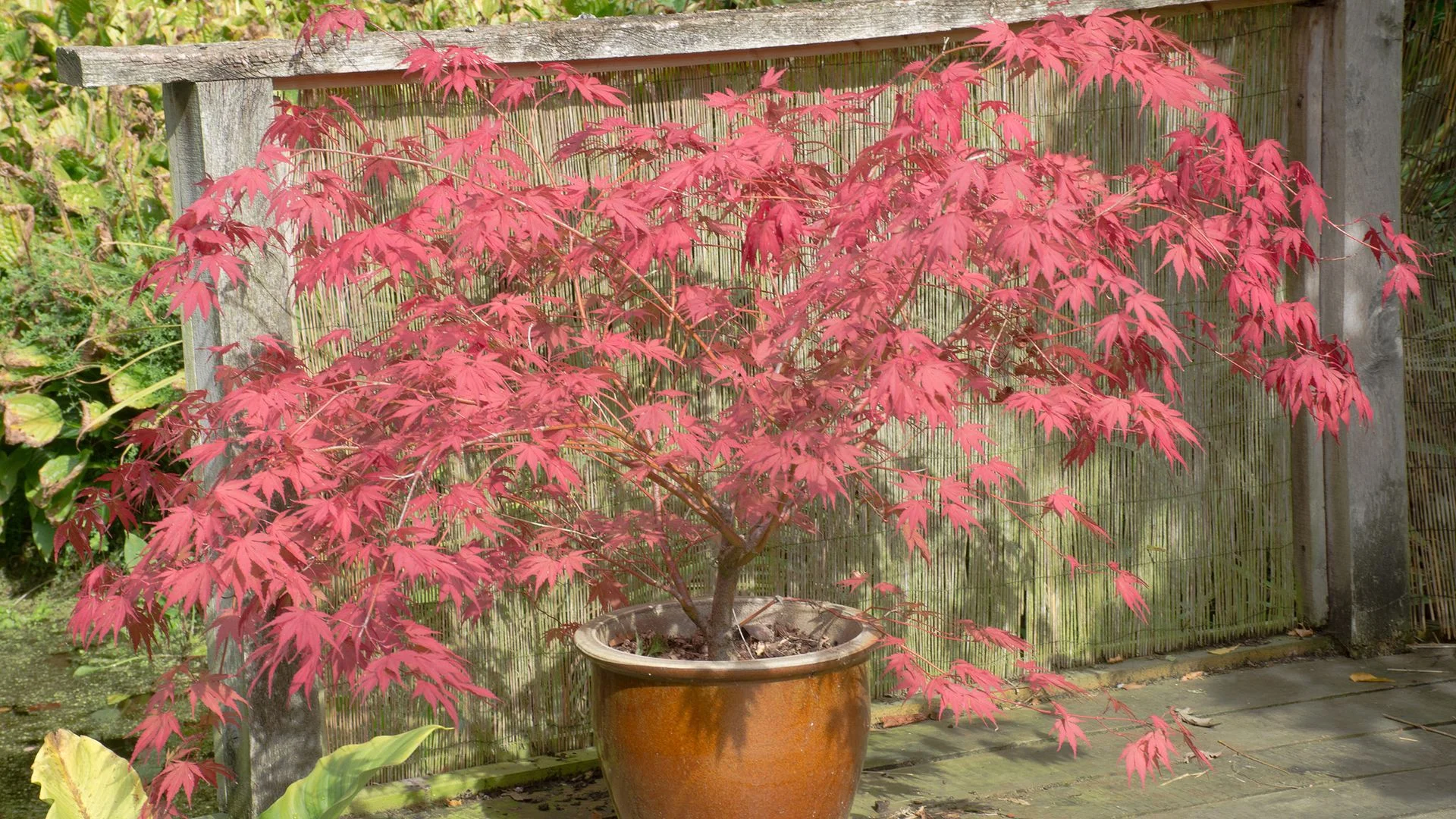
Choosing soil that suits acers
Acers want moist but well-drained soil that runs neutral to acidic. That's the single biggest factor after site choice, and it's where many plantings go wrong.
If your garden is alkaline, a pot is the easier route. Fill it with ericaceous compost, build in drainage with grit, and keep it well watered. Alternatively, pick acers that tolerate higher pH. Snakebark and paperbark maples are worth a look, and so is the UK-native field maple, 'Campestre', which produces acid-yellow leaves in autumn.
For containers, the purple-leaved 'Garnet' (available at Thompson & Morgan) performs well. 'Bi Ho' (available at Gardening Express) is another strong choice, mainly for its attractive winter stems.
Heavy clay is the other common problem. Acers dislike waterlogged roots, so if your ground drains poorly, work plenty of organic matter into the planting hole and resist the urge to overwater.
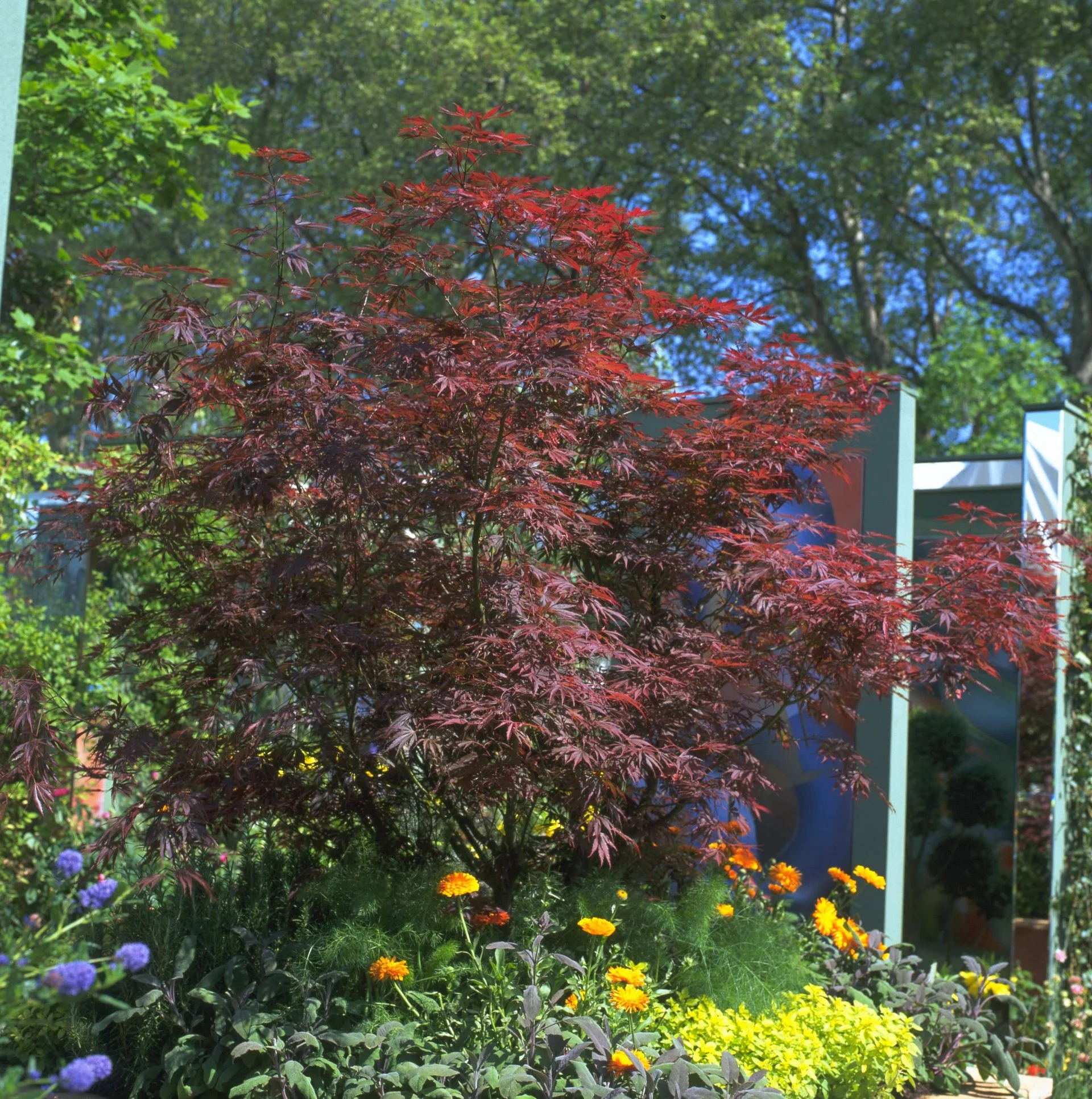
Problems to watch for
- Use the correct compost. A loam-based ericaceous compost has the right pH and holds moisture better than multi-purpose compost, which dries out quickly.
- Don't underpot. A container that's too small restricts growth, so move the tree into a pot roughly twice the size of its supplied container to give the roots room to spread.
- Watch for vine weevil. Treat it with biological control in late summer by watering nematodes onto the compost.
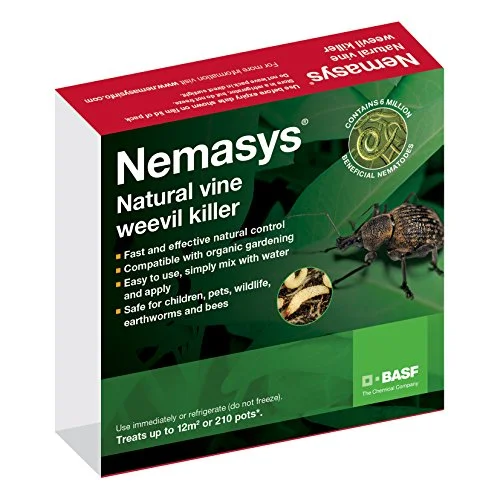
Safe for children, pets and wildlife, these nematodes will kill vine weevils before they get to your acer tree.
Pruning acers
Acers need very little pruning, and often none at all. Let the tree develop naturally and it will settle into an eye-catching shape on its own.
As autumn winds down, snip off any dead twigs. If the tree outgrows its spot or spreads further than you'd like, cut unwanted growth back to a side branch. Keep cuts tidy and avoid heavy pruning, which works against the tree's natural form.
Acers suit a wide range of gardens, from a small patio to a larger plot, and they work just as well in a pot. The variety of leaf styles means you can build a planting around texture as much as colour. Get the site, soil and winter shelter right, and an acer will repay you with colour in every season. Start with the right variety for your space, and everything else falls into place.



Discussion
Sign in to join the discussion.