Experts say a hallway floor needs a level, dry subfloor and acclimatised materials. Pick durable flooring for heavy use, not just good looks.
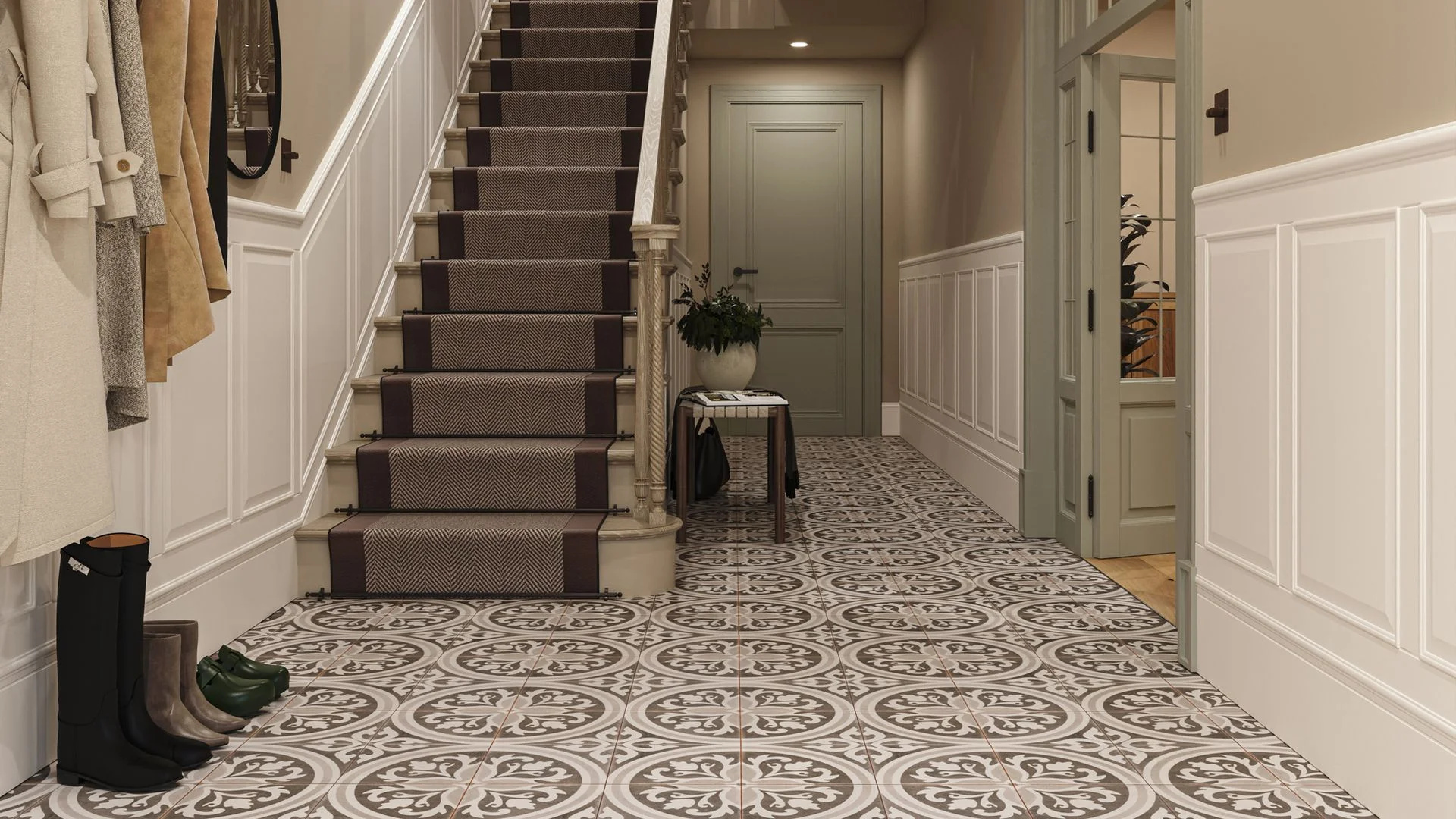
Every home has rooms built for show. The living room gets the good sofa, the kitchen-diner gets the lighting scheme you agonised over, and even the downstairs loo gets a wallpaper nobody else would dare. The entrance hall rarely makes that list, and that's the mistake. It's the first thing guests walk across and the last thing you see on the way out. It's also one of the most heavily used spaces in the house, so it deserves more thought than it usually gets.
My own hallway is a case study in what not to do. The renovation turned it into a dumping ground for whatever was left over. The slate flooring went down because we had some tiles going spare. The wall colour came from half a tin of paint that was knocking about, and the furniture is stuff we couldn't find a home for anywhere else. The floor is the real offender, though. It's too dark for the space, bitterly cold underfoot, and it shows every bit of dirt that comes through the door.
I'm clearly not the only one who has made these calls. Plenty of people end up with hallway flooring that works against them, and the experts have a fairly clear list of where it goes wrong. Here are the six they most want you to avoid.
Skipping the subfloor work
Preparation is the unglamorous part of any flooring job, and it's also where most installations succeed or fail. Nobody wants to hear about it. You should anyway.
Graeme Shelley, managing director at Factory Direct Flooring, says rushing this stage is one of the most common installation errors he sees. His checklist starts with inspecting the subfloor for damage and unevenness, then using a moisture meter to confirm it's dry, with a reading below 75% as the target. Old paint and glue need scraping off, and the surface should be swept and vacuumed thoroughly. Minor dips and dents can be handled with underlay, and if damp might rise from below, pick one with a moisture barrier. Finally, let the flooring acclimatise in the hallway for at least 24 hours before it goes down, as outlined in this guide to acclimatising wooden flooring.
Ian Tomlinson, MD at Chaunceys Timber Flooring, makes the same point from the timber side. Even premium timber can run into trouble if the subfloor isn't ready. It needs to be clean, dry, level and structurally sound, because any unevenness or moisture problem will show up in the finished floor. Moisture testing matters most, he says, since excess moisture makes timber move, cup or open up gaps between boards. Timber also reacts to changes in temperature and humidity, which is why it should be stored properly and acclimatised according to the manufacturer's instructions before fitting. If you're weighing up engineered timber for a hallway, that step is non-negotiable.
Picking flooring because it photographs well
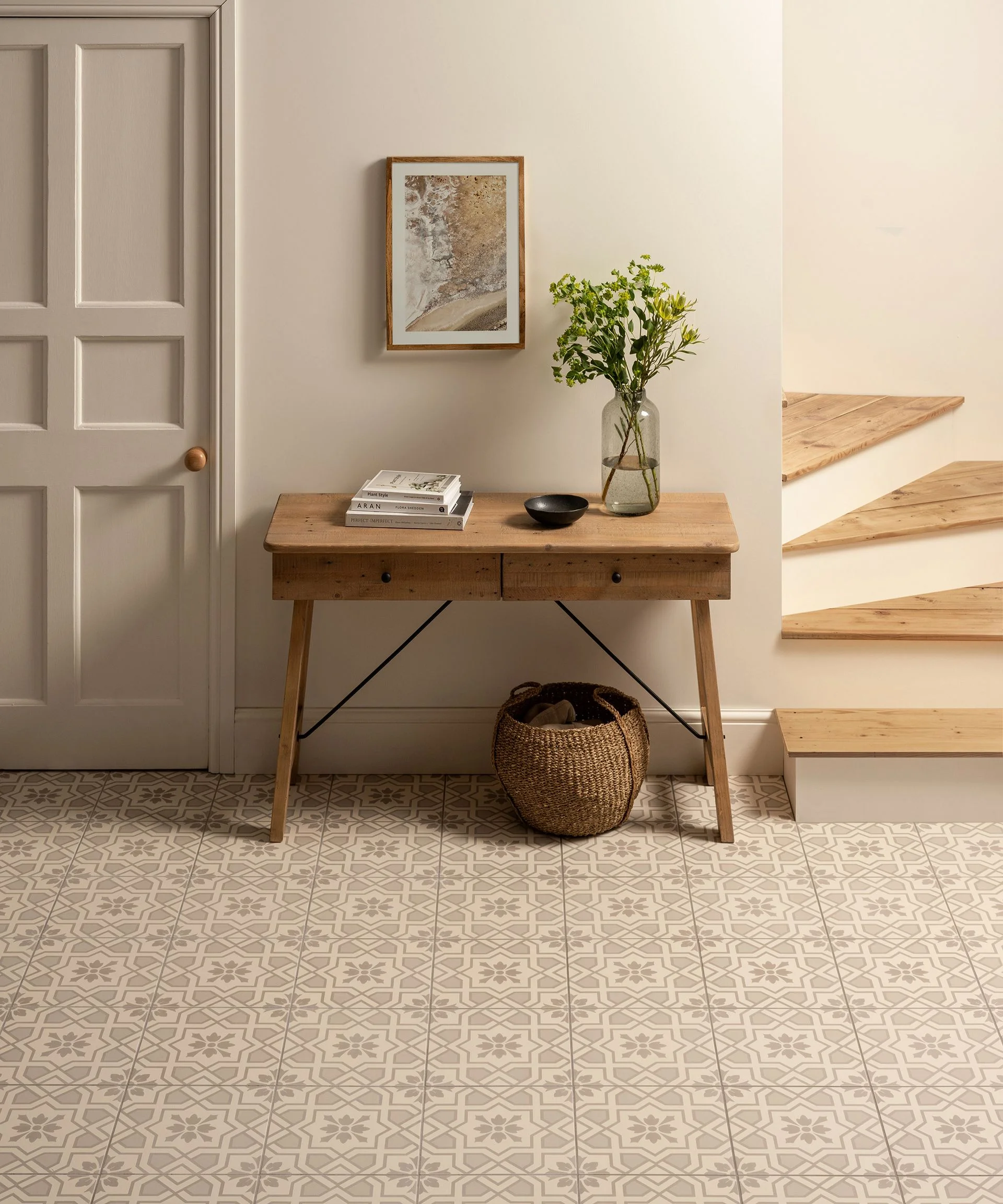
Loving the look of a floor is fine. Letting looks make the decision on their own is where things go wrong, especially in a room that has to work hard every day.
Graeme Shelley argues that the hallway is usually the first place muddy boots, wet paws and pushchairs arrive, so function should come first. Scratch resistance, moisture resistance and ease of cleaning belong at the top of your list, he says. The same logic applies to boot room flooring, where the stakes are even higher.
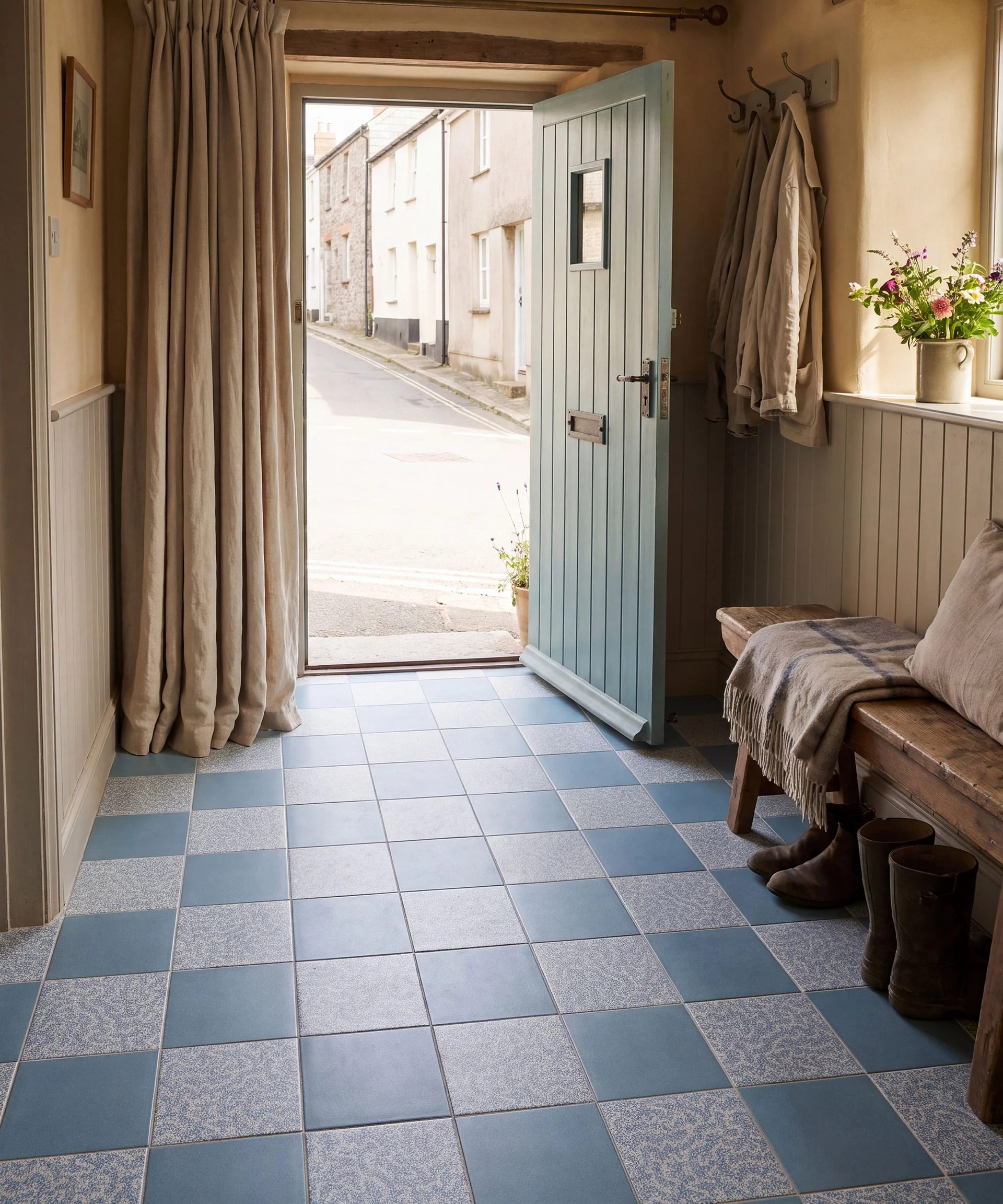
If you're tiling, Richard Skeoch, company director at Hyperion Tiles, flags slip resistance as the issue people overlook. Highly polished tiles get slippery when wet, so he'd usually steer entrances toward matt or lightly textured porcelain, which balances looks with everyday use. Check the manufacturer's slip resistance data and think honestly about how the space gets used before you commit. A stunning tile that's treacherous in January isn't a bargain.
Ignoring the rooms that open off the hallway
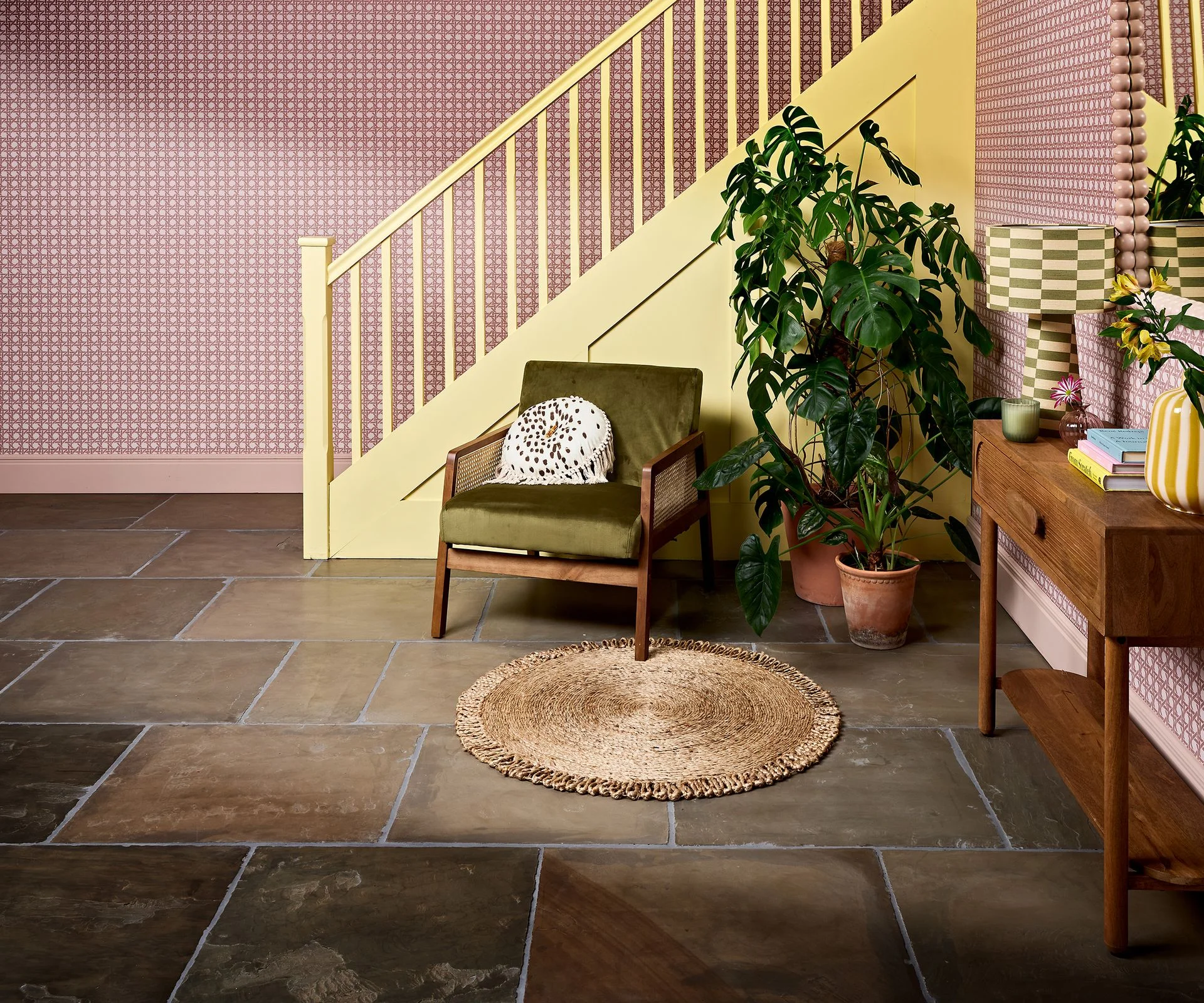
Designing one room at a time is a habit that shows. Each space has its own needs, but a home that flows well is usually planned as a whole, and the hallway is where those separate rooms meet.
Graeme Shelley sees people treat the hallway as an island all the time. If you're only replacing that floor, look at how it will sit against the floors in neighbouring rooms. An exact match is worth chasing only if you can source the very same product line. Near-matches are the worst option, because they almost always look slightly wrong. His preferred approach is to find something that complements the other floors where the thresholds meet. If the kitchen has limestone, for example, an engineered wood floor in the hall with grain that picks up the darker flecks in the stone can tie the two spaces together nicely.
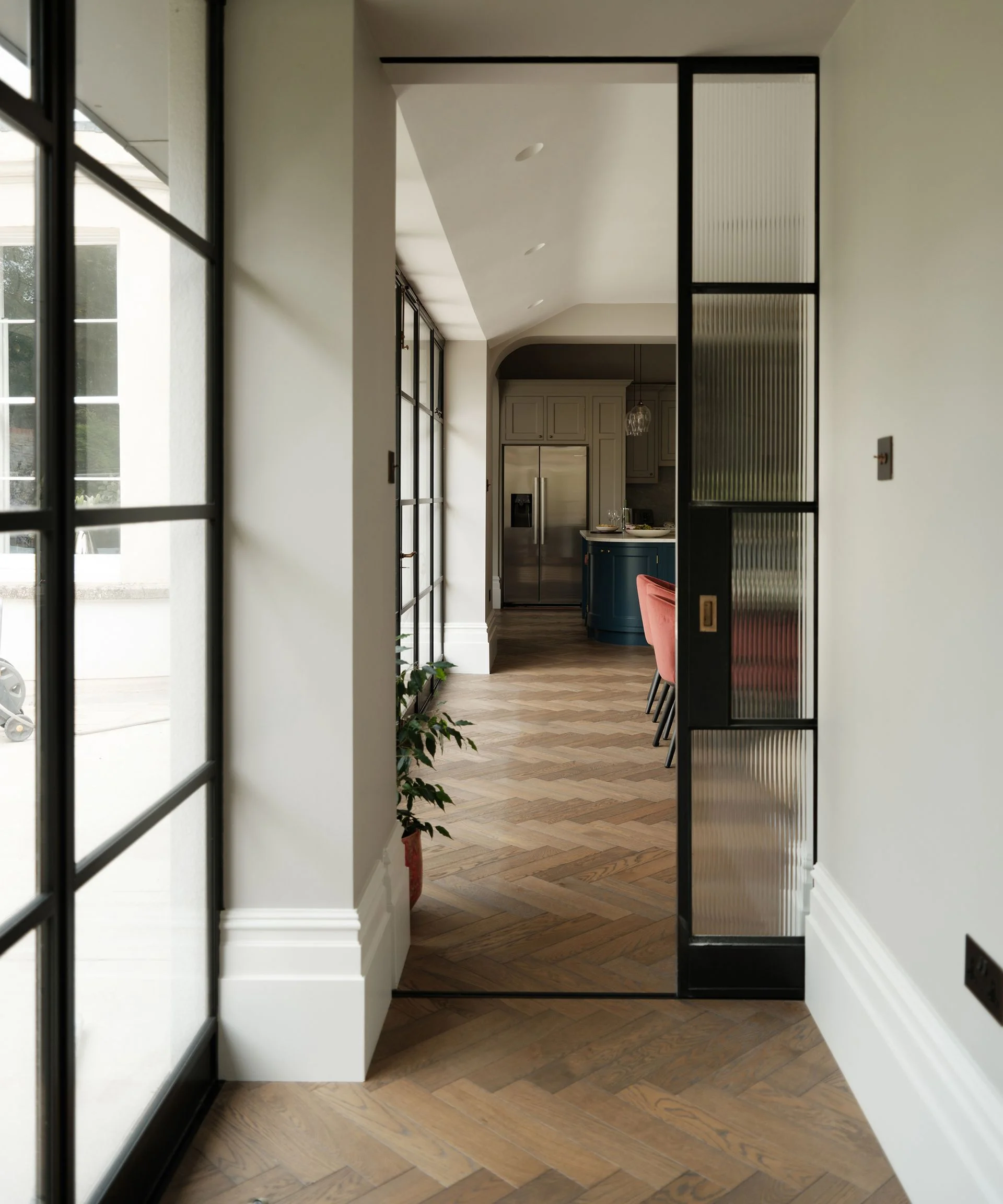
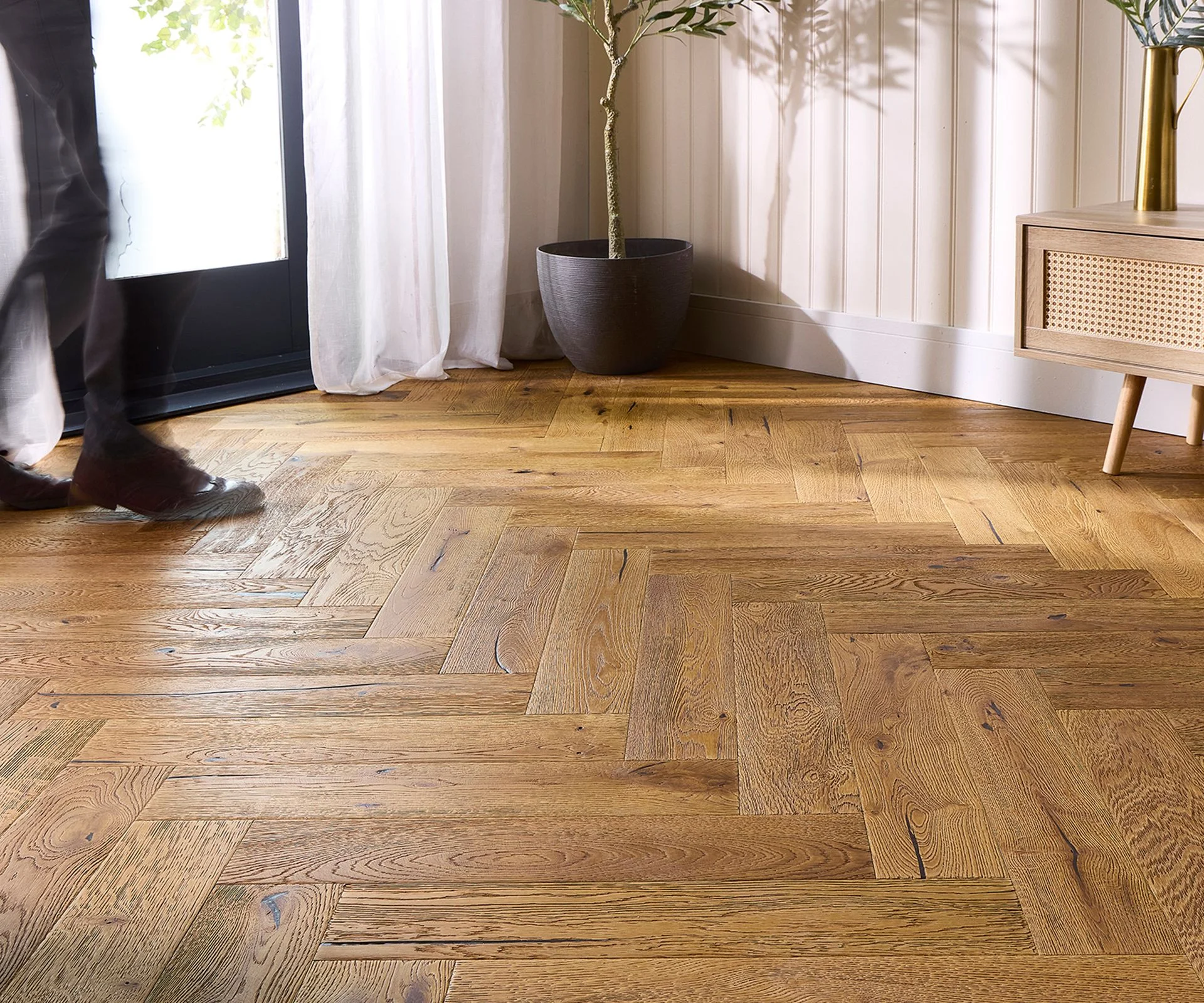
Adam Robertson, managing director at Urbane Living, makes a similar case, particularly for timber. If the hallway opens straight into a living or dining area, running the same timber through both can make the spaces feel connected, especially in open-plan homes. If you want more personality without a jarring break, parquet can add pattern at the entrance while still reading as part of the house. In short, treat the floor as part of the whole scheme rather than a standalone decision.
Hallway flooring worth a look
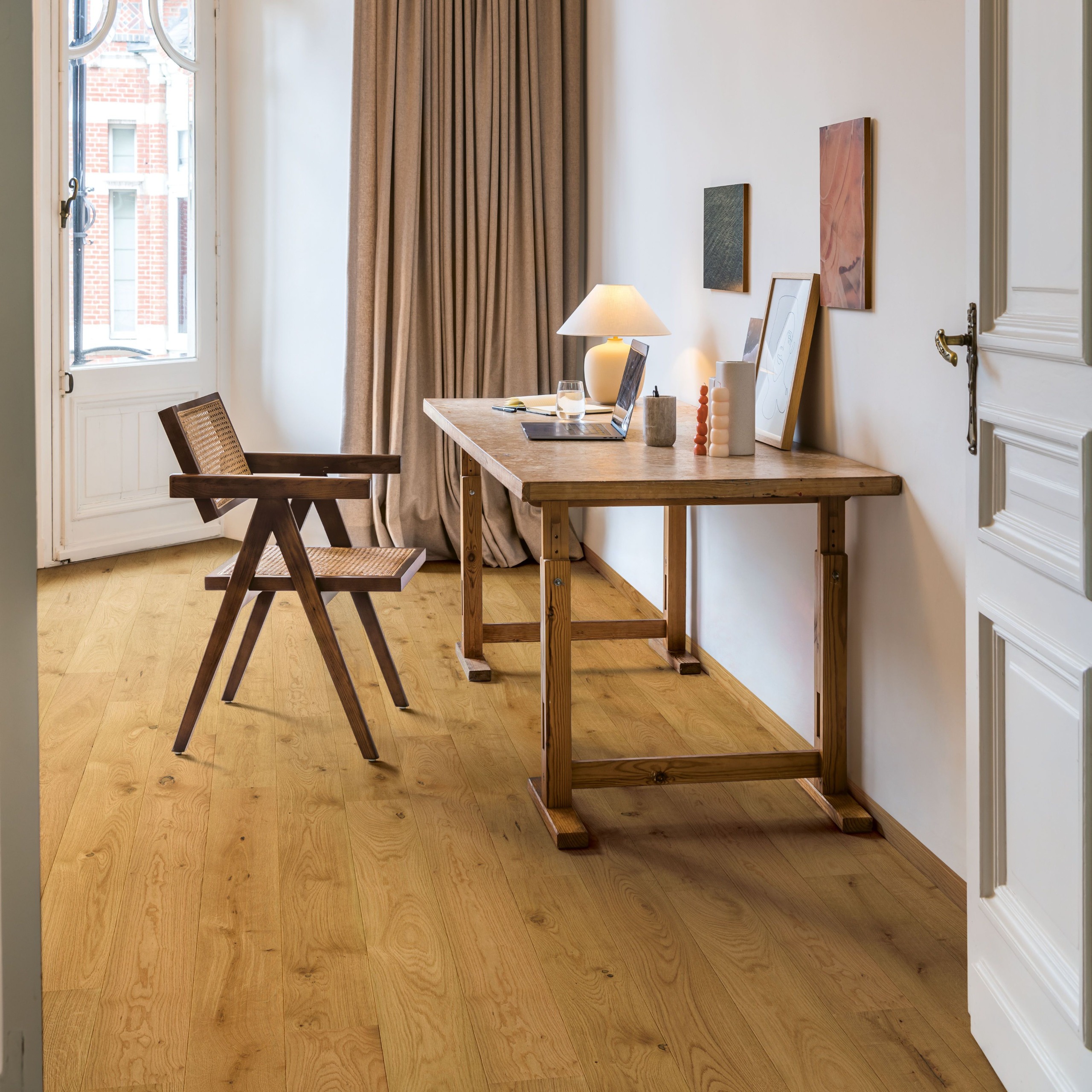
An easy to lay engineered wood flooring made from oak with a strong lacquer finish for a long-lasting covering
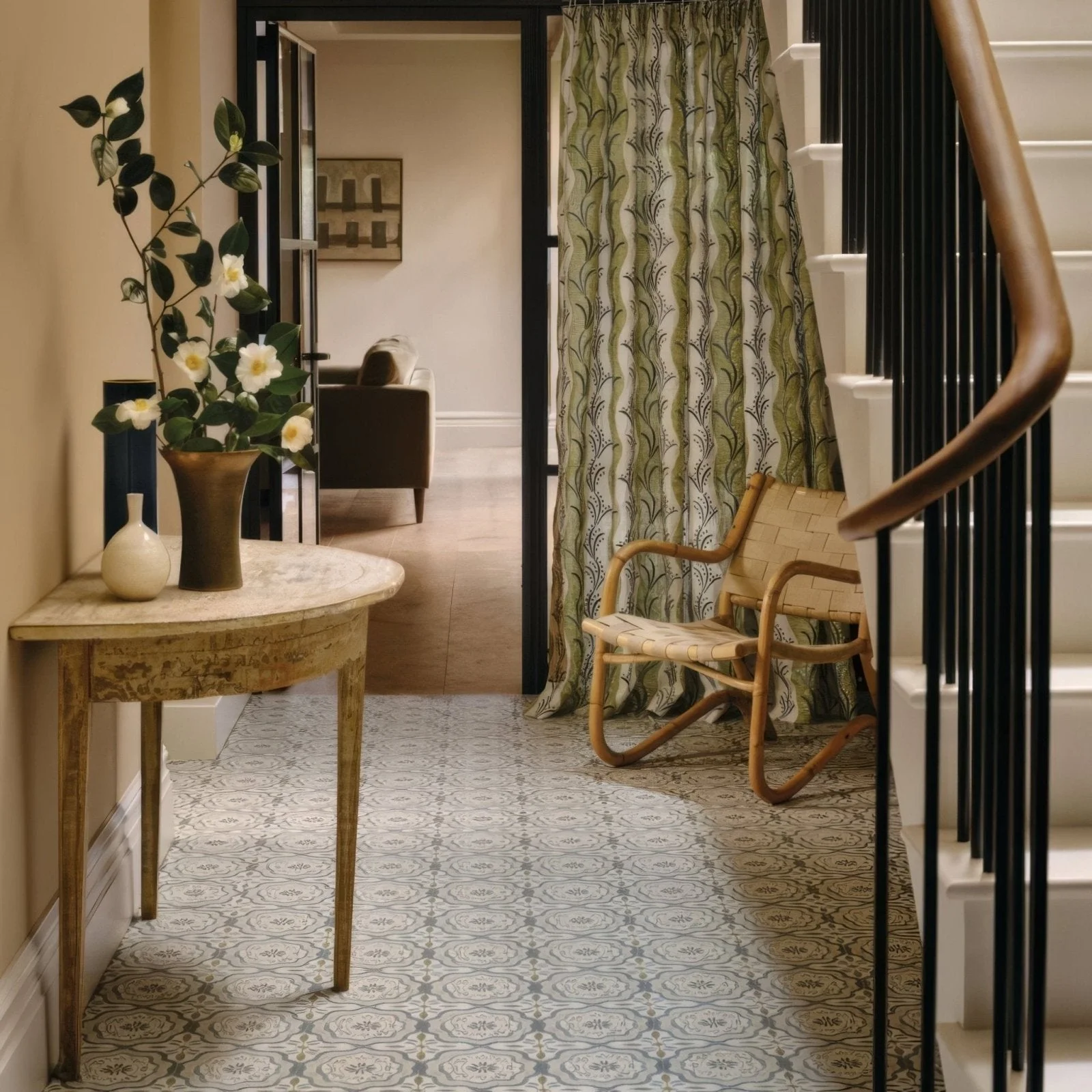
This pretty-patterned porcelain floor tile comes in a range of colours and is deemed suitable for use in hallways
Choosing a pattern or colour that fights the room's proportions
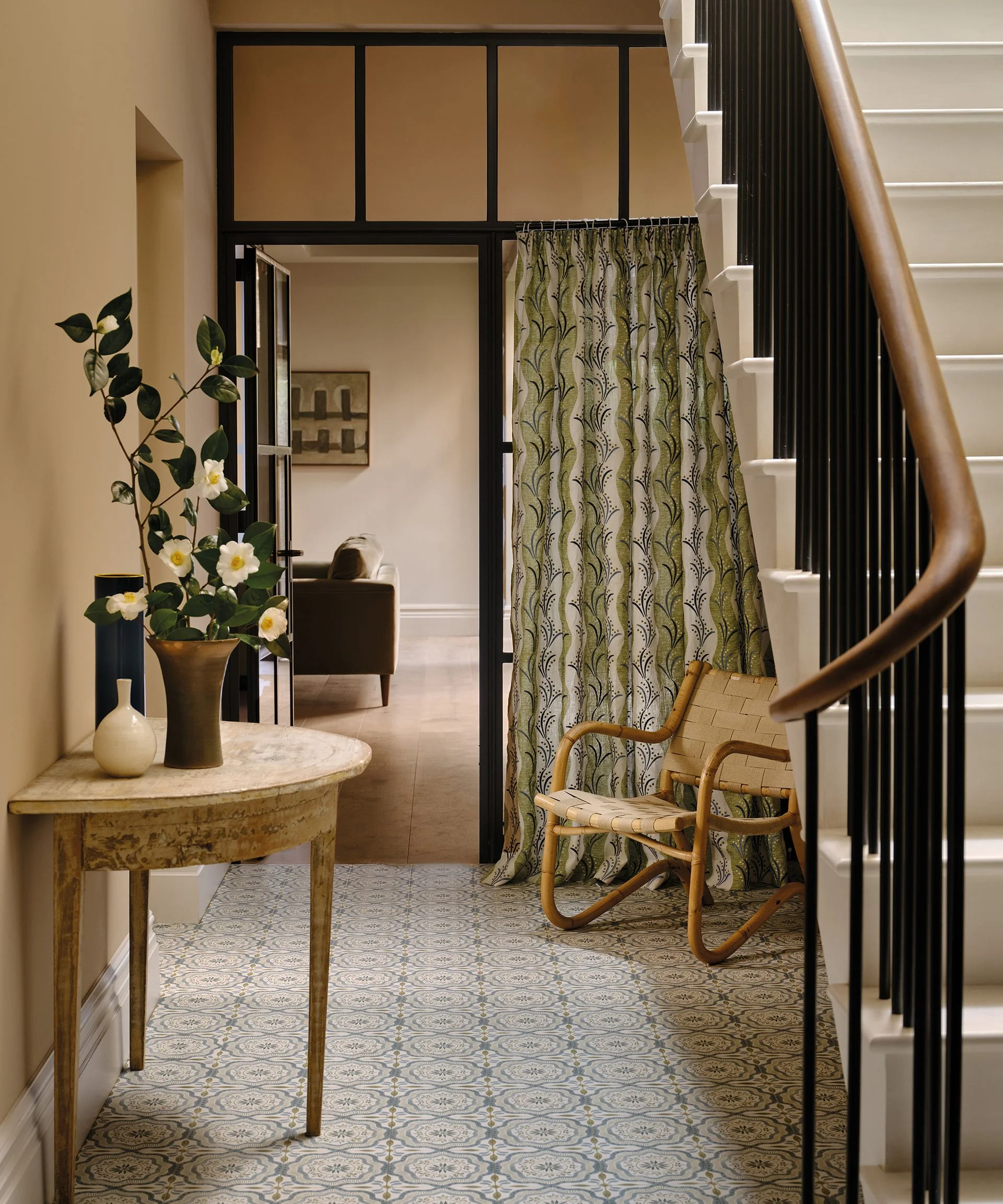
Zellige tiles look wonderful, and nobody needs convincing about the appeal of a classic chequerboard. But a pattern chosen without regard to the room's size or how much natural light it gets can overwhelm the space. Graeme Shelley's advice is to match the scale of the pattern to the scale of the hallway. Bigger halls can carry bigger patterns. A small chequerboard that repeats constantly will feel busy in a grand entrance, while a large-scale design won't repeat enough to register in a compact one. Herringbone needs careful orientation too. Run the arrows along the length of the hall to pull the eye through, not across it.
Colour matters just as much. If you want a small hallway to feel larger, Graeme recommends a lighter floor paired with light walls, which makes the space feel more open.
Lorna Williams, head of product design and visual creation at Amtico Flooring, pushes the proportion argument further, especially for the long, narrow halls common in British homes. Direction and scale change how the room feels. Planks laid along the length can draw the eye down the hall, while parquet or a geometric design turns the floor into a feature. In a smaller hall, she'd look at how much floor will actually stay visible once furniture and storage are in place before deciding on pattern size. That's the detail most people miss. A bold pattern that disappears under a bench and a row of coats is wasted money.
Buying for today and forgetting the next ten years
A floor can look right on day one and still fail you by year three. The hallway is one of the most punishing spaces in the house, so durability should weigh as heavily as style.
Plenty of materials handle that pressure well. Richard Skeoch rates porcelain highly. It's hardwearing, absorbs very little water and is easy to keep clean, which suits busy family homes. Natural stone can look beautiful in a hallway too, but it needs proper sealing and regular care to resist marks and stains. He also warns against assuming that any decorative tile will stand up underfoot. Check that the tile is rated for floor use before you fall in love with it.
If timber is on your list, Ian Tomlinson's advice is to look closely at the product's construction. Engineered wood tends to suit hallways because its layered build holds steady better than solid wood when temperature and humidity shift. Quality varies a lot, though. Check the thickness of the real hardwood top layer, often called the wear layer. Thin layers limit how many times a floor can be sanded and refinished, which matters over the long haul. Finish counts too. Brushed or textured surfaces tend to hide everyday scuffs better than a high-gloss floor, which will show every mark.
Graeme Shelley points to a few options that often get overlooked. Waterproof laminate has improved, with technology designed to stop water seeping through the joins between planks. LVT (luxury vinyl tile) and SPC (stone plastic composite, a type of LVT) are both water- and scratch-resistant and easy to clean, which makes them strong contenders for a hallway. Don't dismiss them because they aren't "real" materials. Ask what the floor has to survive.
Forgetting that the hallway needs upkeep
The last of the common flooring mistakes is the most avoidable: underestimating how much maintenance a hallway needs. Neglect it and even a good floor starts to look tired or suffer damage.
Adam Robertson points out that hallway floors take a beating, especially in winter, when mud, grit and moisture arrive on every pair of shoes. Keeping on top of cleaning is the only way to keep the floor looking its best. A good-quality doormat at the entrance catches much of the dirt before it reaches the floor. Regular sweeping or vacuuming then removes the grit that would otherwise scratch the surface.
Hallway floors take more punishment than any other room, and cleaning them well starts with knowing what's underfoot. Adam makes the point that flooring materials and finishes don't share cleaning requirements, so the all-purpose spray under the sink isn't a safe default. Check the label first. For timber, his advice is blunt: use the cleaning products the manufacturer recommends and follow its maintenance guidance. That's what protects the finish and keeps the floor looking good for years.
Richard Skeotch argues that the smaller parts of a floor matter as much as the surface. Grout gets ignored, but in a busy hallway it largely determines how easy the floor is to keep clean. When you're grouting floor tiles, pick a colour that suits the tile. A very pale grout shows dirt fast, and that means the floor starts looking tired between proper cleans. He also recommends matching the grout and sealer to the specific tile, since that's what keeps the finished floor protected over time.
Hallway floor care essentials
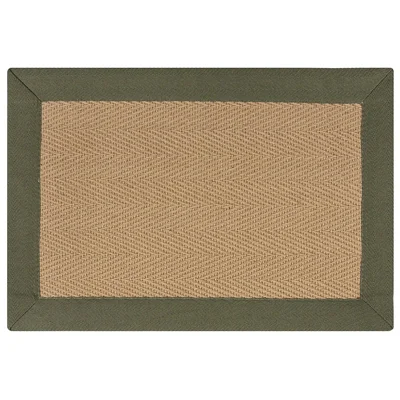 Multiple sizes
Stop muddy shoes reaching the floor in the first place. This jute doormat comes in several sizes and three colours, and its non-slip backing keeps it put on a wet hallway tile.
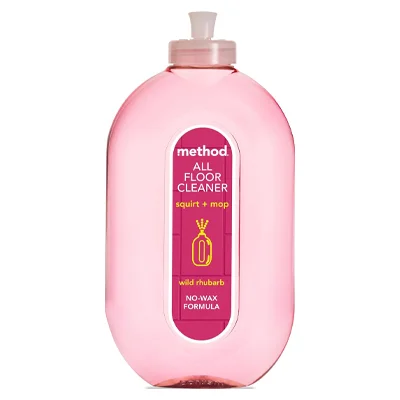 Non-toxic
Still check the manufacturer's guidance before you buy, but this is a gentle formula that claims to suit wood, vinyl, sealed laminate, tiles, linoleum and more. That range is unusually wide for one bottle.
 Handheld option
Keep it in the hallway cupboard and a daily pass over the floor becomes a habit rather than a chore. It detects the floor type it's used on and adjusts its settings to match.
FAQs
Which flooring materials are a bad idea in the hallway?
Plenty of materials handle hallway life well. Before you start shopping, though, it helps to rule out the ones that will struggle.
Graeme Shelley's verdict on carpet is clear: he'd steer clear. His team swabbed floors around the home and found mould on every type of carpet they tested, including places where it wasn't visible to the naked eye. The hallway carpet came out worst. That's hardly a surprise when a hallway sees that much foot traffic in a single day, but the lab results make the case more convincingly than the traffic does.
Standard laminate flooring and solid wood aren't automatically disqualified. Still, Graeme argues that more suitable options exist for a hallway that regularly gets dripping umbrellas and wet boots. The reason is moisture: too much of it can make these floor types swell and warp, and once a board has warped, no cleaning routine will fix it.



Discussion
Sign in to join the discussion.