Installing a log burner can uncover hidden structural work, so budget for it. Dry fuel and proper lighting technique help prevent smoky, frustrating fires.
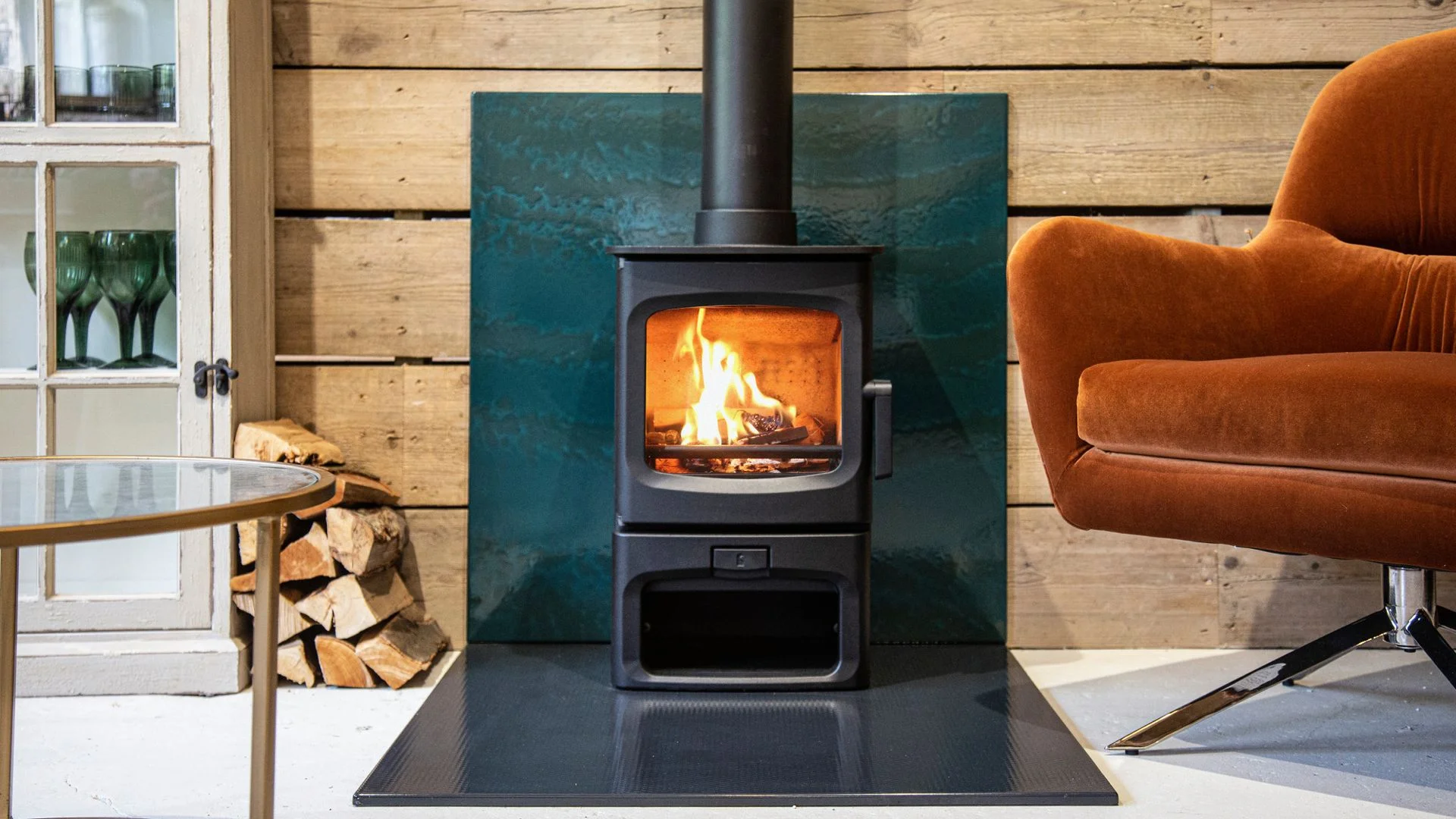
A log burner is the best thing about winter in our house. On a cold, dark evening, nothing beats a real fire, and I'd have installed one years earlier if I'd known what I was getting into.
That first winter taught me a few lessons the hard way. I learned why smoke rolled into the room every time I opened the door, and how fast a log pile disappears when you're chasing a toasty evening. Here are the five things I wish I'd known before installing my log burning stove, along with the expert advice that helped me fix my mistakes.
1. Opening up the fireplace is a construction job
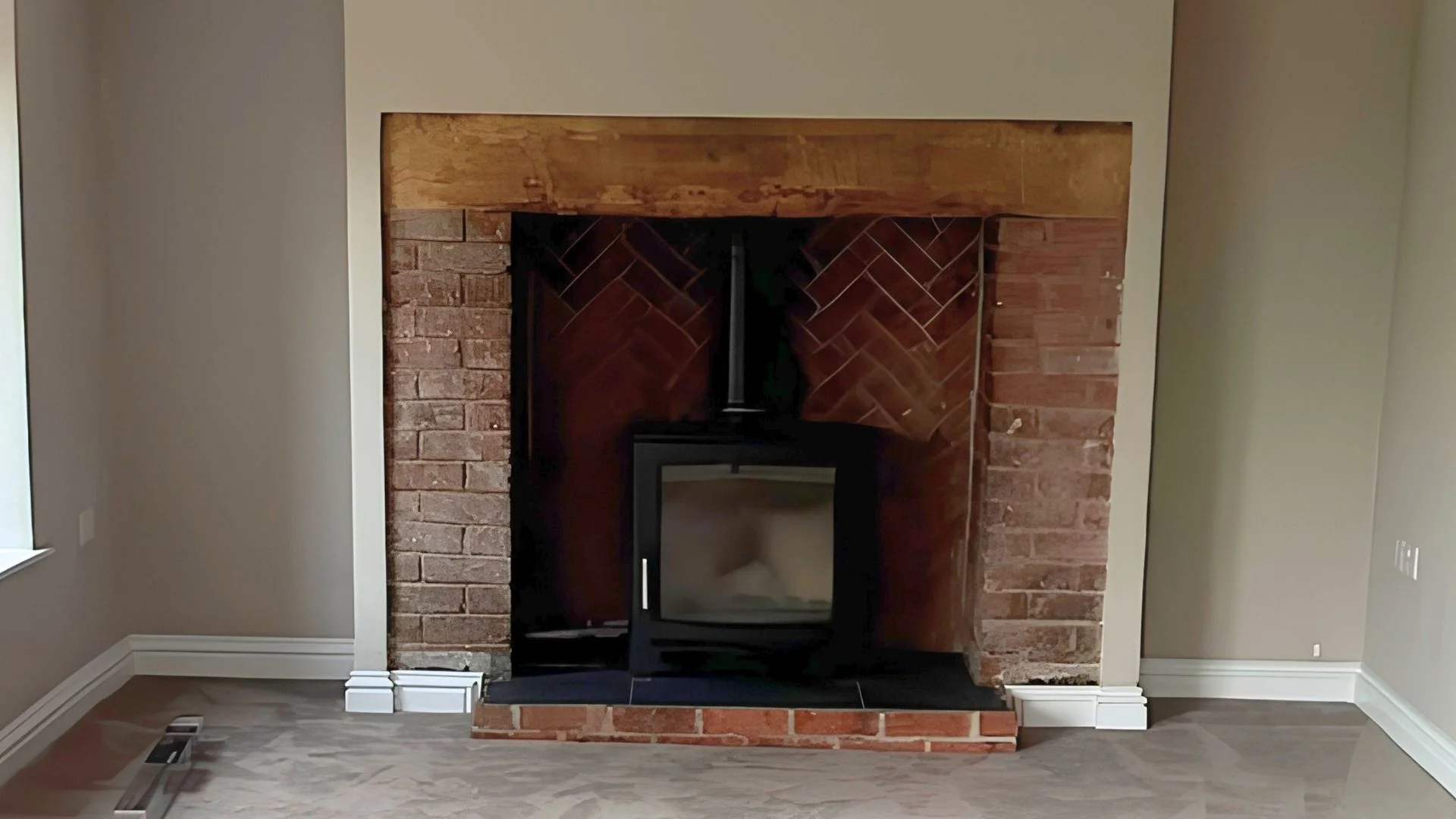
I'd pictured the installer sliding the stove into our old fireplace and calling it a day. Instead, opening up the chamber was a proper building job, with rubble everywhere and dust in every corner of the room.
Old fireplaces are often bricked up, boarded over or filled in, and you won't know what's hidden behind them until work starts. You might find a cracked or missing lintel above the opening that needs replacing (ask me how I know), or a recess that has to be enlarged before your chosen stove will fit.
Check what's above, too. In many older homes, the chimney breast has been removed in an upstairs room, leaving the stack supported on brackets or steelwork. If that's your house, get a structural engineer to confirm the work was done properly before you put a working stove underneath it.
Then there's making good. Once our stove was in, the chimney breast needed replastering, and the whole room needed redecorating once the dust settled. Budget for that now, not later.
2. Lighting and refuelling take more finesse than you'd think
I'd assumed lighting a stove would be like lighting an open fire: a firelighter, some kindling, a few logs, and off I'd go. Wrong. I ran into a range of stove problems, not least a puff of smoke drifting into the room each time I opened the door.
Phil Wood, UK managing director at Contura, explains the cause. "A cold chimney can struggle to create the natural draught needed to draw smoke upwards, while insufficient oxygen or damp logs can prevent the fire from reaching an efficient burning temperature."
The fix starts with fuel. Dry wood beats wet fuel every time. Look for seasoned or kiln-dried hardwood below 20% moisture, ideally with the Woodsure 'Ready to Burn' label. For lighting, Phil recommends working from the top down: two logs on the bottom, a criss-cross of kindling on top and natural firelighters on the very top, with the air vents fully open. "This helps warm the fire chamber and flue, encouraging a good draught," he says.
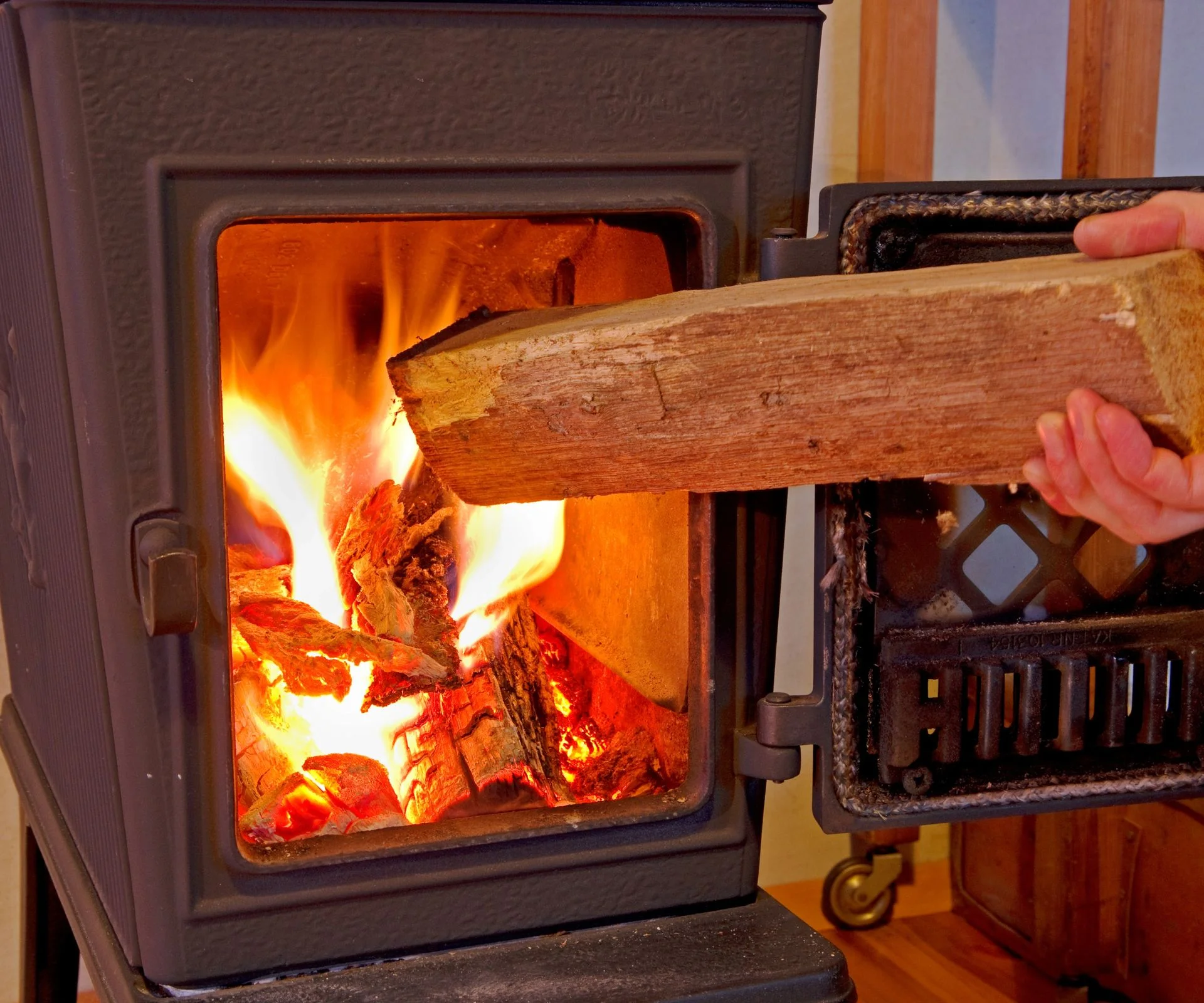
My refuelling was wrong too. Phil's advice is to "wait until the flames have largely subsided and a good bed of glowing embers remains", then "open the stove door slowly to allow the pressure to equalise." I'd also been clearing out every scrap of ash, which was a mistake. Leaving 2–3cm in the base helps the stove hold its heat.
3. Wood disappears faster than you'd expect
Nobody warned me how quickly the log pile would shrink. Jon Butterworth, Director at Arada, thinks part of the shock comes down to one thing: wood is a fuel you can see.
"With gas central heating, most of us don't think about every kilowatt of gas we're using," he says. "With a wood burner, you can physically see the logs going onto the fire and, if you're buying your wood, you know exactly what each load has cost you."
Consumption depends on the stove's output, how long you run it, and the insulation and size of the room. "A larger, higher-output stove will naturally require more fuel," Jon says, which is why sizing matters. Damp wood makes it worse, since "energy is wasted driving that moisture off rather than producing useful heat."
Then there's storage, which I badly underestimated. "Buying logs in bulk is usually more cost-effective and convenient, so it's worth thinking about where you'll store them before your stove is installed," says Phil Wood. If I were starting again, I'd build a bigger log store than I thought I needed, positioned out of the prevailing wind and close to the house, with a lit, hard path to it. Trudging across a muddy lawn in the dark with an armful of logs gets old fast.
Nobody mentioned the wildlife, either. The first time I carried a big batch indoors, I spent the next few days finding confused beetles and spiders around the house. Logs stored outside are home to all sorts of insects, and a warm living room wakes them up quickly. My routine now: I tap each log, knock off loose bark outside, and bring in only a day or two's worth at a time, kept in a log basket. The logs get time to warm up and shed surface damp before they hit the fire, and the house stays out of the bug hotel business.
4. It won't heat the whole house on its own
I'd imagined the stove keeping the entire house cosy. In reality, it warms one room well. Because you refuel in cycles, letting the fire burn down before adding more, the temperature swings between too hot and slightly chilly.
"A single wood-burning stove isn't generally designed to replace whole-house central heating," says Jon. "It's at its most effective heating the room it's installed in and potentially adjoining spaces, so many homeowners choose to use it alongside their existing heating system."
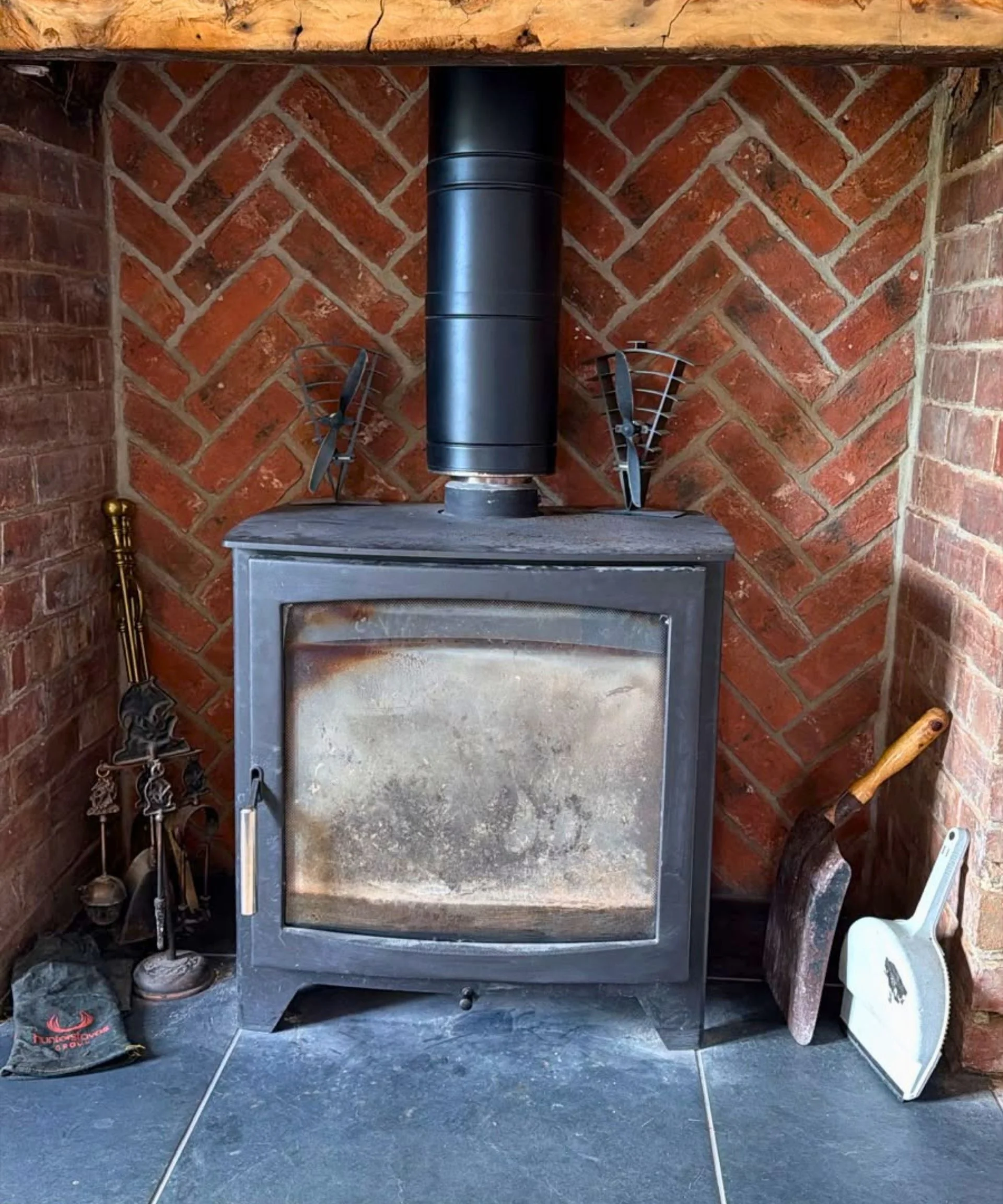
Here's the catch I didn't see coming. If your central heating thermostat sits in the same room as the stove, it reads the whole house as warm and switches the boiler off, leaving bedrooms and hallways cold. Moving the thermostat fixes that. So does a smart heating system, which can keep other rooms heating independently. A heat-powered stove fan on top of the stove can also push warm air further across the room.
5. Book the sweep and service before everyone else does
I knew the chimney needed sweeping every year. What I didn't grasp is that everyone else remembers at the same time. I hit the first chilly week of autumn and ended up at the bottom of a long waiting list.
"Our advice will always be to get ahead of the rush and make sure any necessary preparation is carried out before the colder months arrive," says Adam Leah, founder and director at Direct Stoves.
You can handle simple jobs yourself, such as cleaning the glass, but Adam also recommends a professional check. "A trained professional can identify any potential issues that may not be immediately obvious and advise on any repairs or replacements," he says. I now book the sweep and service in late summer as part of my log burner maintenance. That leaves time to fix problems before the stove is needed most.
Little things nobody tells you about owning a log burner
The big lessons aside, a handful of smaller discoveries only surfaced once the stove was in.
- It doesn't have to be black.
When I shopped for my stove, I assumed black was the only option, because that's what stoves looked like. "One of the things people are often surprised by is just how much choice there is now in terms of colours," says Jon Butterworth. "Homeowners are choosing their stove as part of their overall interior scheme rather than simply as a heating appliance." If space is tight, look at models with storage built in. "Integrated log storage can be a practical and attractive solution, keeping your logs close to hand while complementing the overall look of your stove," says Phil Wood. - You'll need more kit than you think.
I quickly needed fireplace accessories: a poker, leather gauntlets for handling hot logs, and a metal ash bucket and shovel. I also needed a tidy place to keep kindling and firelighters. Budget for all of it alongside the stove, or you'll be caught short on the first cold night. - Leave room around the hearth.
Laying a fire and clearing ash is messy, and I hadn't left myself much room to do it. Plan some breathing space around the hearth for kneeling, stacking kindling and setting down the ash bucket. In a carpeted room, a fireproof rug in front will catch stray embers and ash. - A flue thermometer earns its place.
Once I understood how much a cold flue affects burning, a flue thermometer became one of my most useful bits of kit. It clips onto the flue pipe and shows at a glance whether the stove is running hot enough. That helps you avoid a smoky, sluggish fire and the tar build-up that comes with burning too cool.
If you like the idea of a real flame but don't have a chimney, or don't want to deal with logs, ash and annual sweeps, a bioethanol stove might suit you better.



Discussion
Sign in to join the discussion.