Plan dining room storage around daily activities, with built-ins, accessible cupboards and versatile furniture that keep essentials organized and ready for dinner.
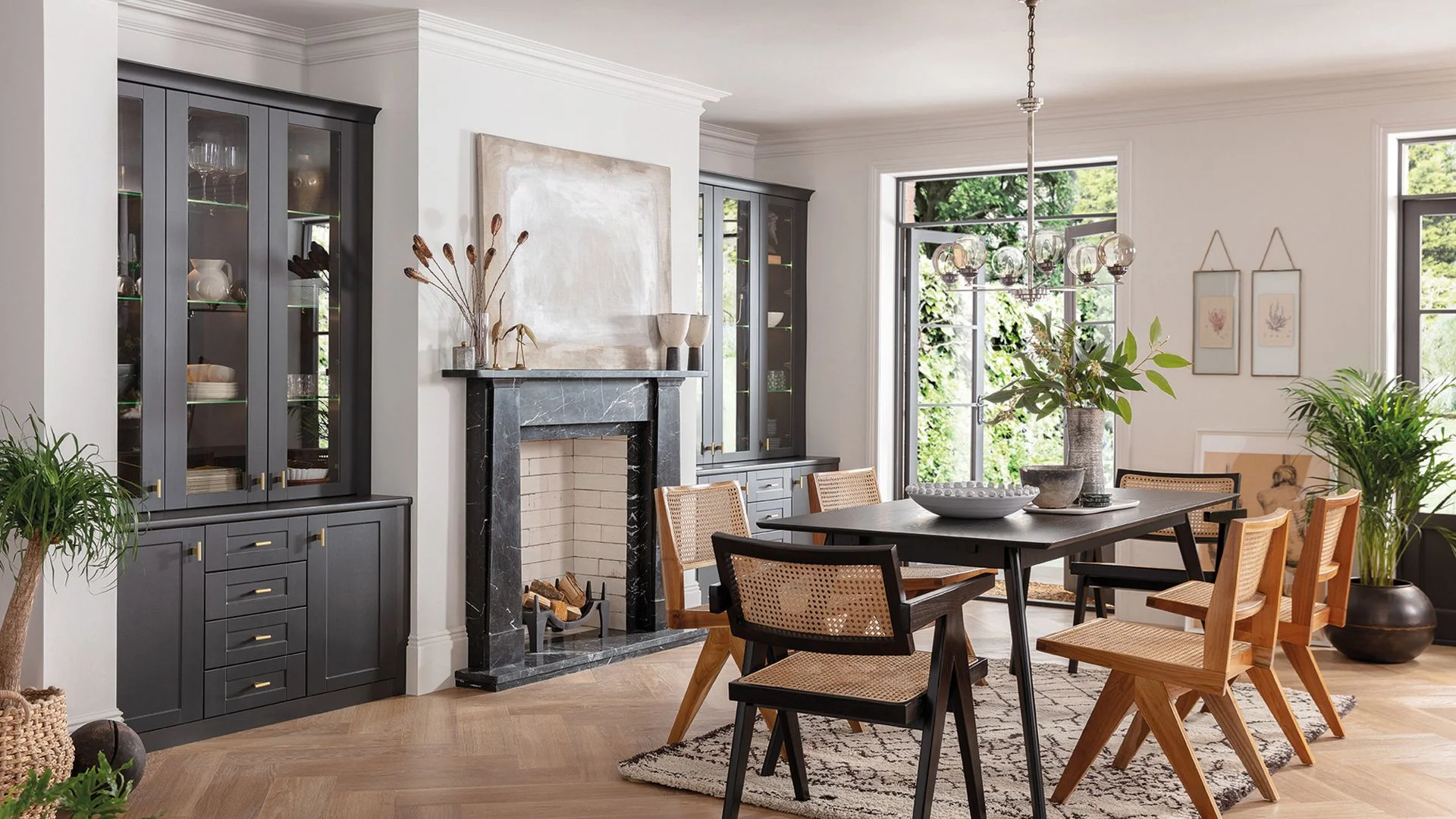
A dining room earns its place when it works on an ordinary Tuesday, not only when guests come over. That’s the tension behind its recent return: some households still treat the room as essential, while others see a space that sits empty except on special occasions. With living costs rising, entertaining at home may be part of the renewed interest in dining room ideas. But a room that doubles as a homework station, hobby space or drop zone needs a plan for the things that accumulate there. Storage is what makes it ready for dinner without a last-minute clear-out.
1. Fit storage to the room
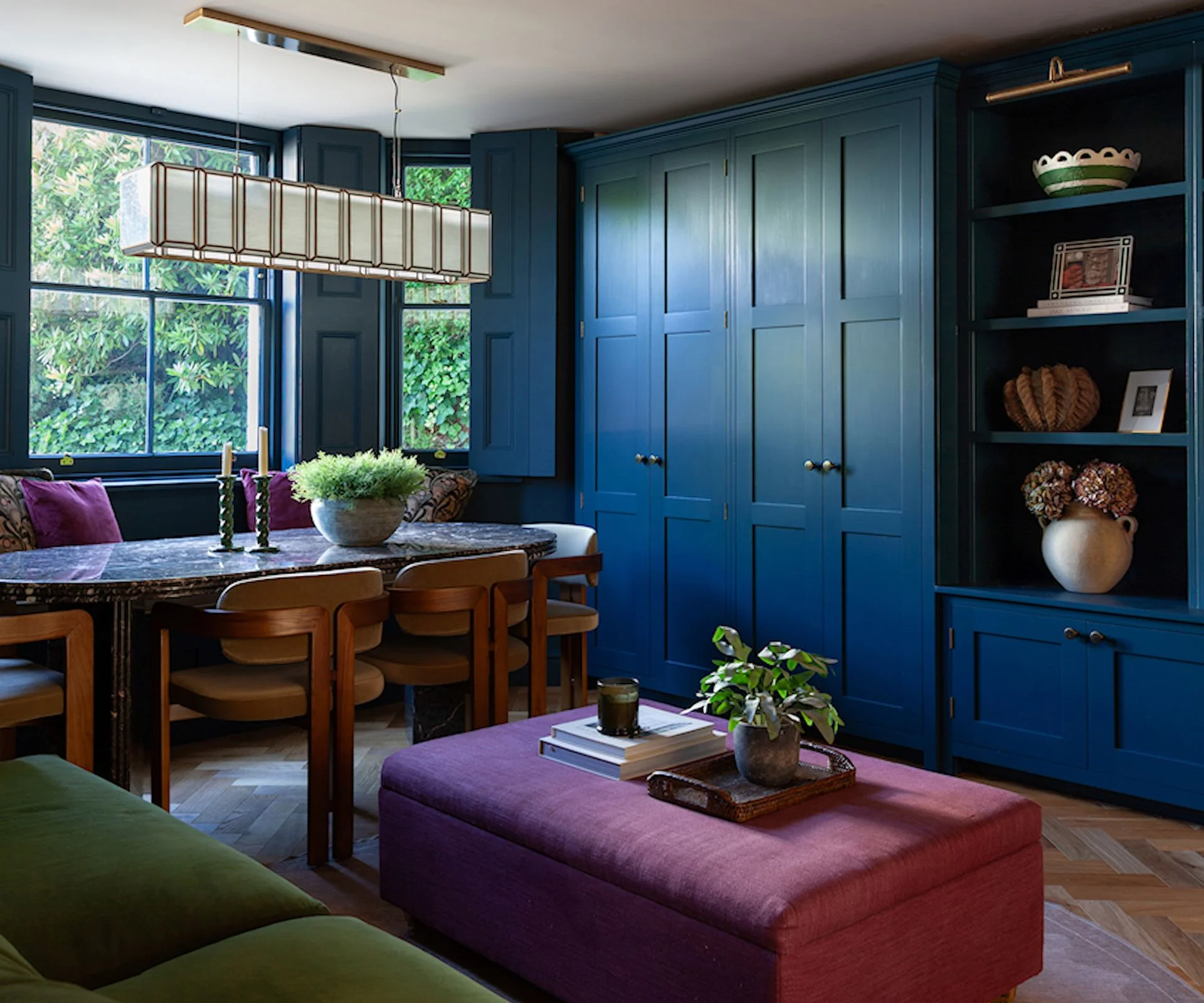
Built-in units can use awkward or limited space more efficiently than freestanding furniture, and they can be designed to suit the rest of the room. In a compact home, that matters: storage should feel like part of the architecture, says Eloise Pfeiffer, interior designer at Pfeiffer Design, rather than something added as an afterthought.
“In smaller homes, storage must be thoughtfully considered within the overall aesthetic – it needs to be architecturally integrated rather than seen as an ‘add-on.” For rooms with low ceilings, the choices need thought too; in taller rooms, Pfeiffer says, floor-to-ceiling cabinets or shelves draw the eye upwards and can make the space feel higher. See these ideas for built-in storage and rooms with low ceilings.
2. Give every activity a place
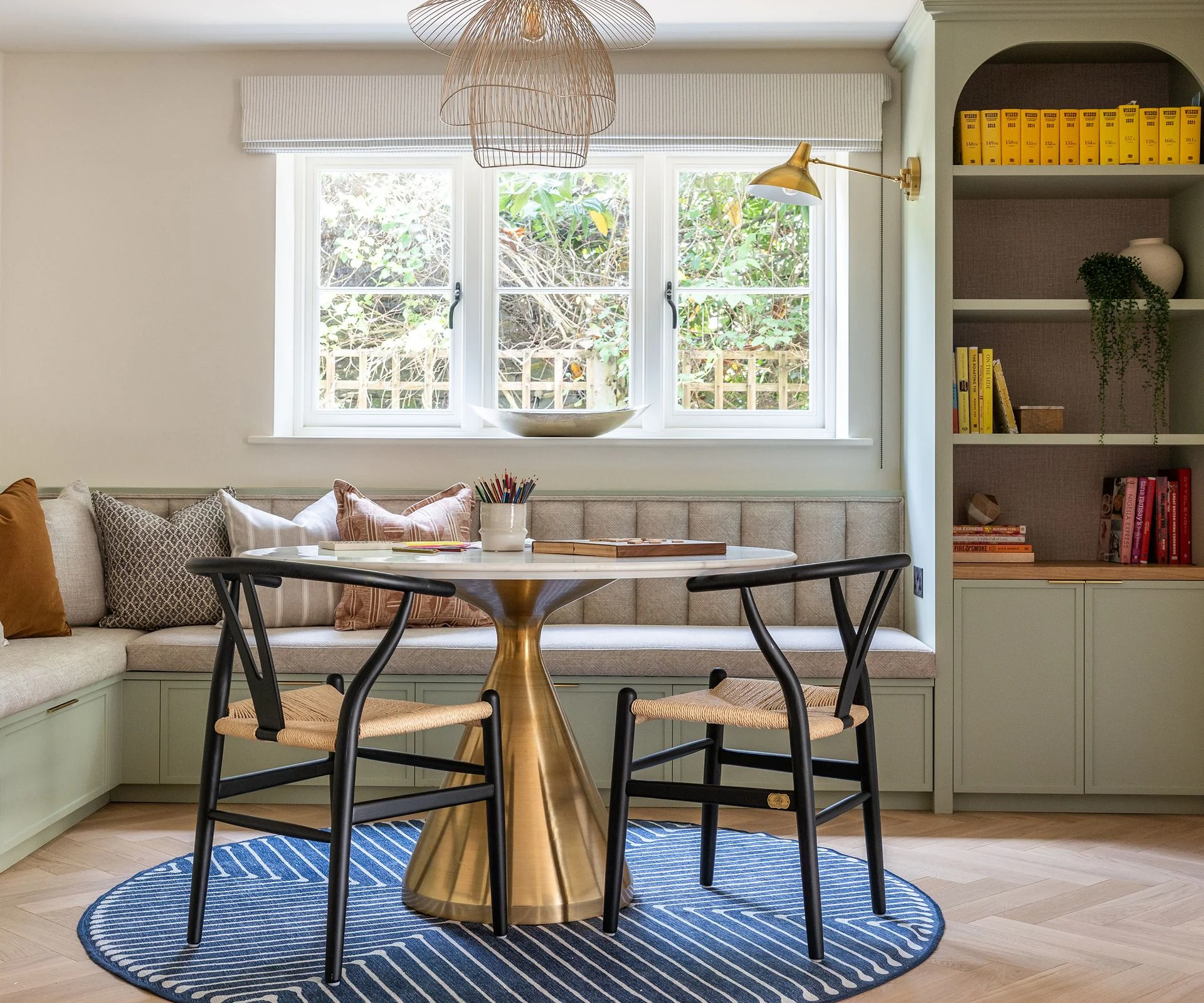
Before choosing cupboards, work out what actually happens in the room. A dining space may host meals and guests, but it can also become a place for hobbies, homework or a home office. Its storage has to handle serving dishes and cutlery alongside the everyday supplies those other activities need. Designing a dining room gets tricky when one room has to do all of that.
Pfeiffer recommends combining hidden storage, such as compartments inside benches or wall panelling, with furniture that serves more than one purpose. That can keep visual clutter down while making room for the less decorative essentials.
Gail Bignell, head of design at Sharps, makes a practical point: store things near the place they’re used. If a child likes drawing at the dining table, keeping art supplies upstairs adds unnecessary work for everyone. Put them in an accessible cupboard nearby and the child can get started—and put everything away—more independently.
3. Add a dresser for storage and display
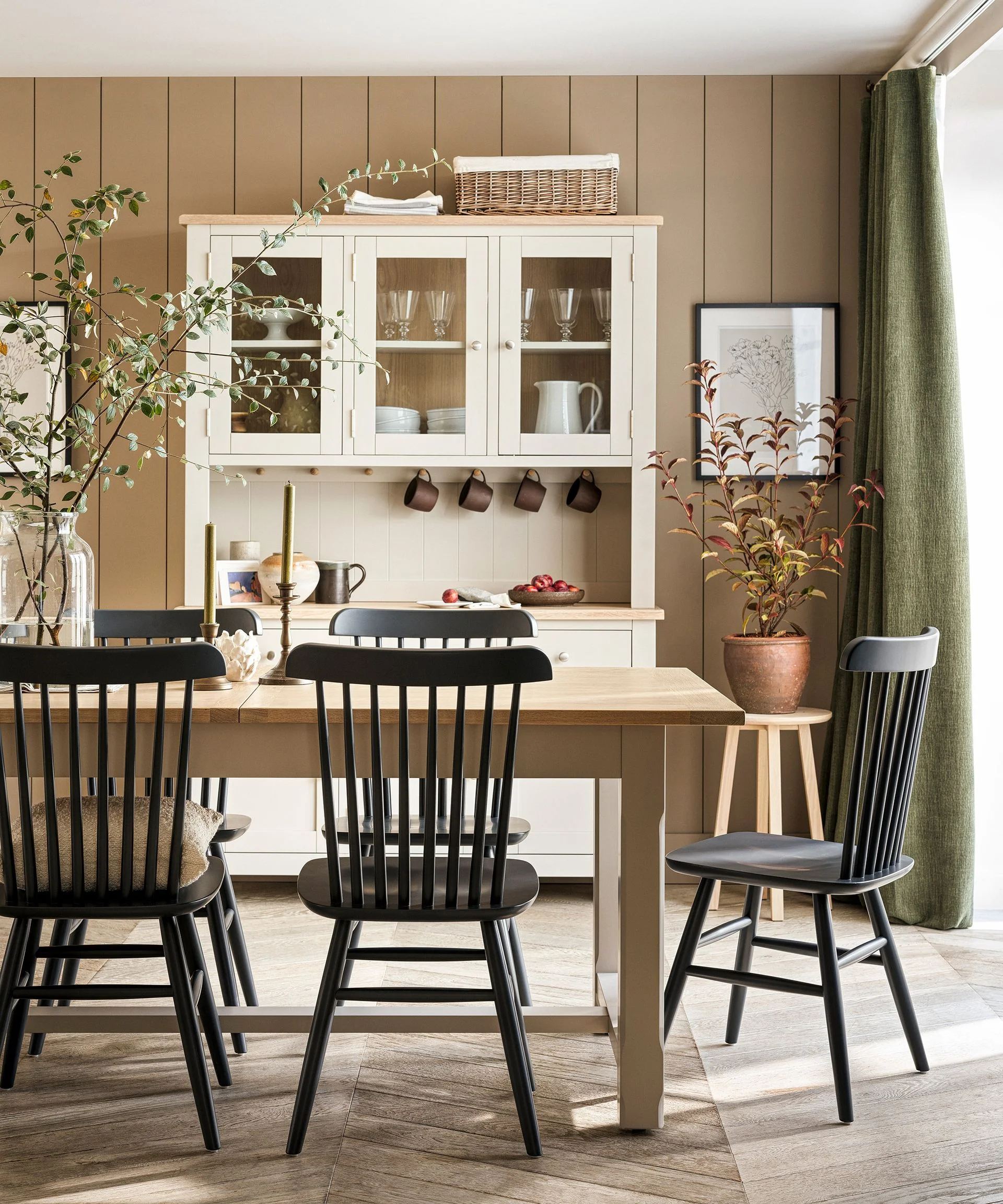
Built-ins can be the efficient choice, especially in small kitchen diners. A freestanding dresser brings a softer, country-style character and can keep everyday tableware within reach. Choose glass-fronted doors or a Welsh dresser with open shelves if you want to display serving dishes and other favourite pieces.
There’s another benefit: the dining table won’t have to serve as temporary storage before every meal with guests. Bignell suggests judging a home’s readiness for entertaining by the effort it takes to get there. If you’re shifting belongings into another room or clearing the table every time, ask why those things are landing there in the first place.
Shop dining room dressers
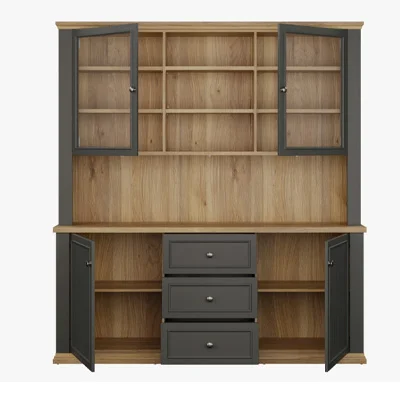 Large capacity
This sturdy dresser comes in smoky blue-grey or fresh white, with three drawers and four cabinets for dining essentials. Use its shelf to display serving dishes or set up a drinks station.
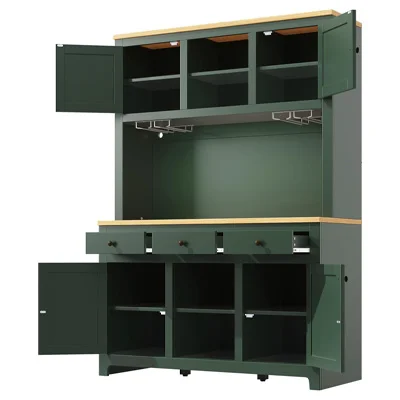 LED lighting
This forest-green cupboard has rattan-finish cabinet doors and LED lighting over the counter, where you can highlight items you want to show off.
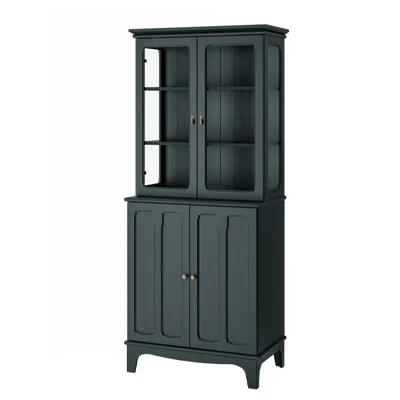 Compact
This smaller cabinet has a roomy double base cupboard and glass-fronted upper cabinets for decorative pieces.
4. Repurpose what you already own
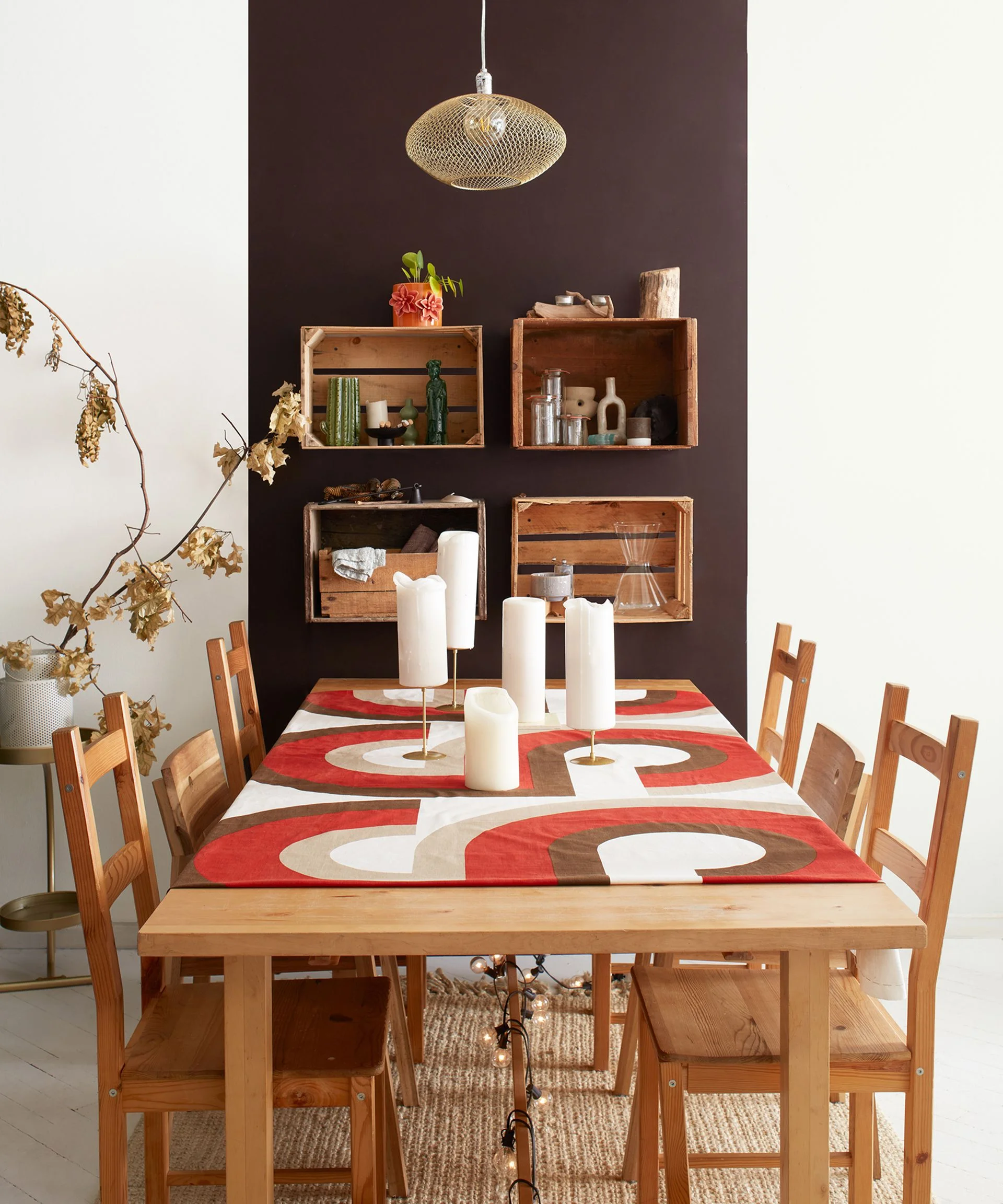
Useful storage doesn’t have to mean buying new furniture. An old sideboard, dresser or even an outgrown chest of drawers can find another life in the dining room. A coat of paint can change the look of wood furniture; painting wood furniture is a project many people can tackle themselves.
There are simple options beyond furniture, too. Scaffolding boards can become shelves, while wooden crates fixed to a wall can provide storage with a more personal look. They’ve been used that way in a downstairs loo, too—see these downstairs toilet ideas.
5. Turn alcoves into useful storage
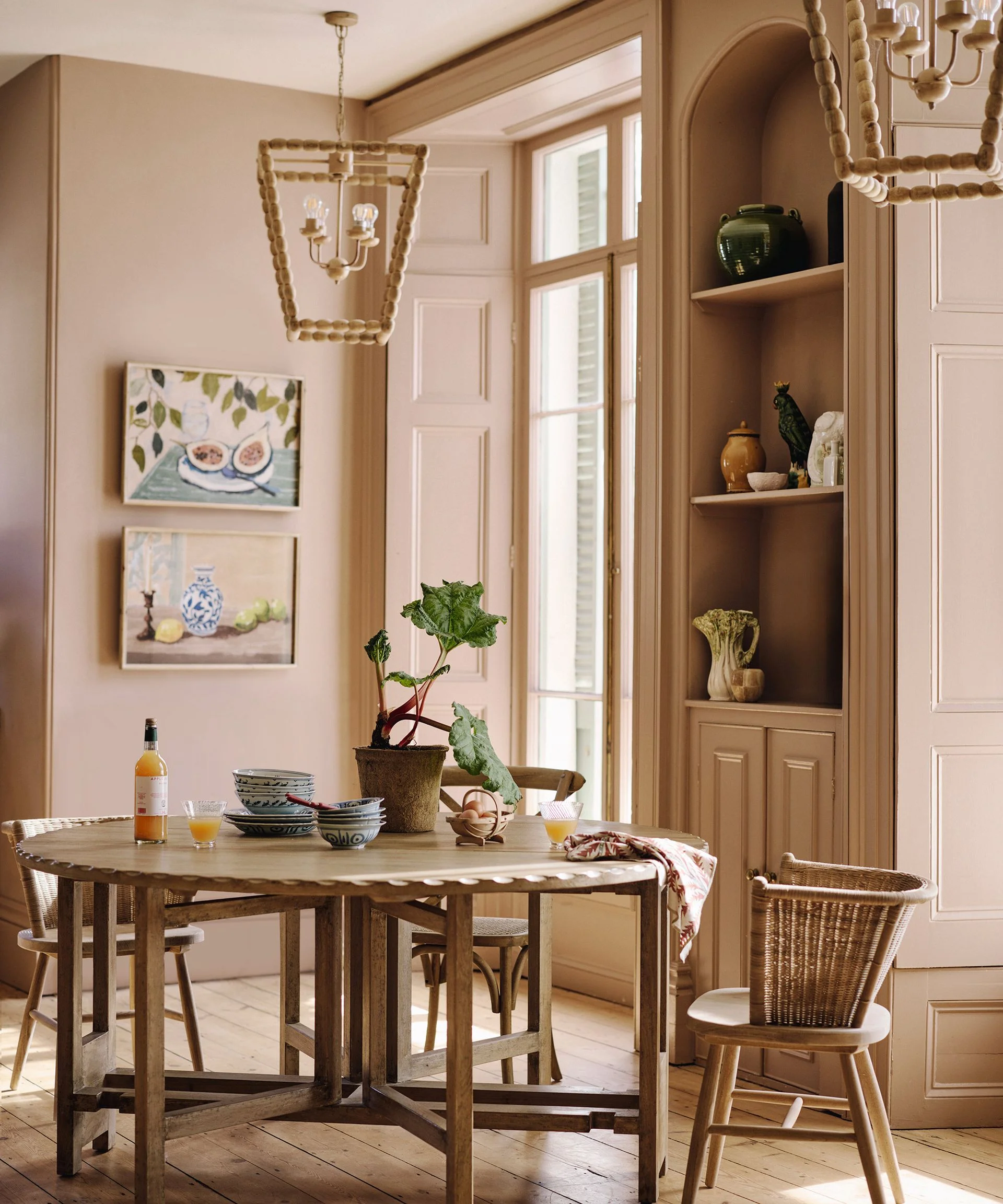
An alcove, nook or recess can offer storage without taking up the floor space needed for chairs and circulation. Depending on the dimensions, that might mean fitted cabinets or a straightforward run of shelves. These alcove ideas show the range of possibilities.
Bo Hellberg, CMO at String Furniture, recommends pairing open shelves with closed cabinetry when space is tight. Shelves provide a place to display objects and add character; cupboards hide less attractive items. The balance matters: too much on show can make a room feel overwhelming, while a mix gives you both display space and somewhere to put things away.
6. Match storage to the furniture
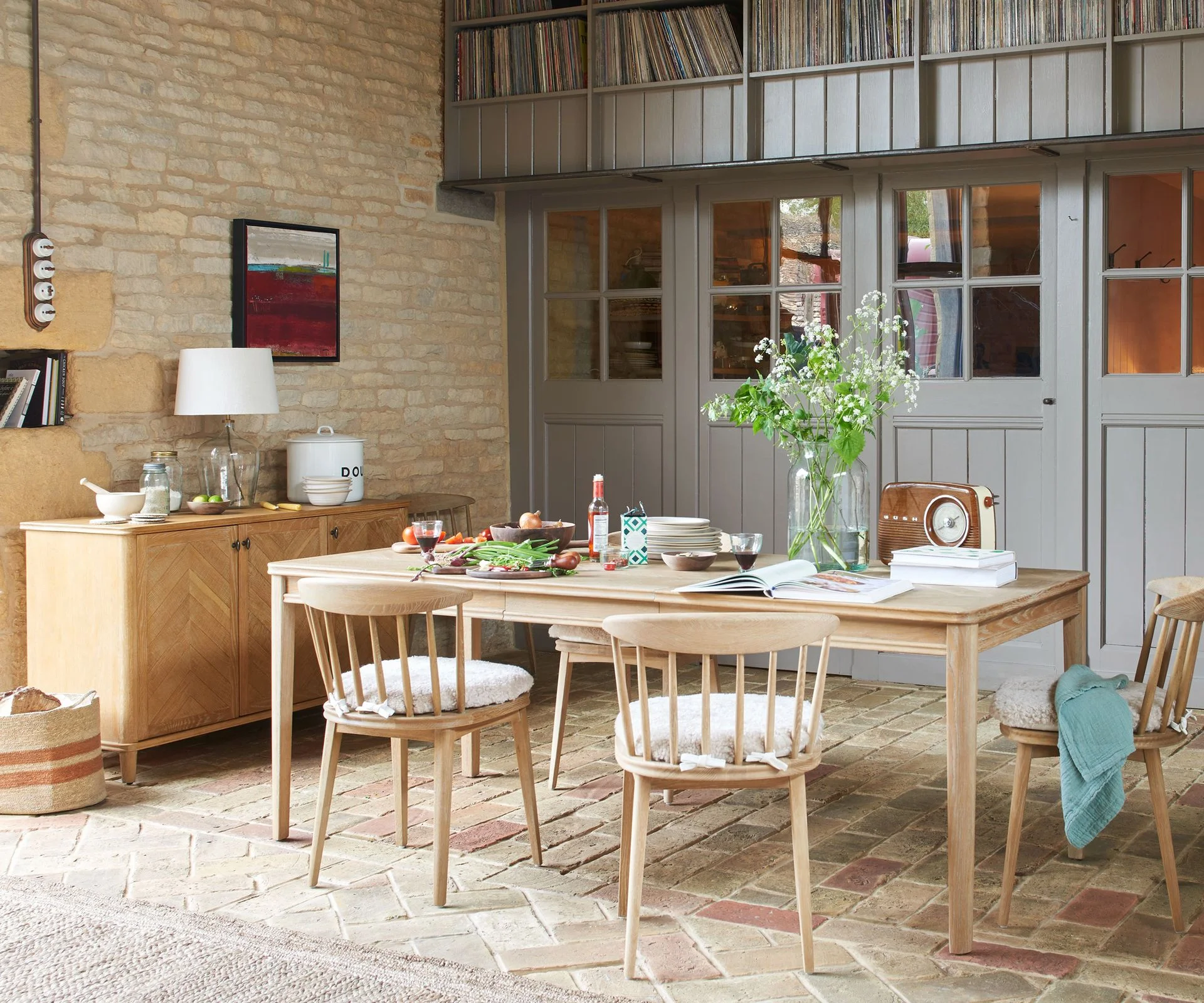
If a calm, pulled-together room is the goal, let the storage echo the table or chairs. A dresser or sideboard could share their wood finish, height or leg style; the match doesn’t need to be exact to make the pieces feel related.
Pale wood tends to create a relaxed mood, while darker timbers can feel richer and more formal. For a more decorative scheme, marble and warm metal finishes offer another direction—materials also seen in luxury bathrooms.
7. Make room for a drinks station
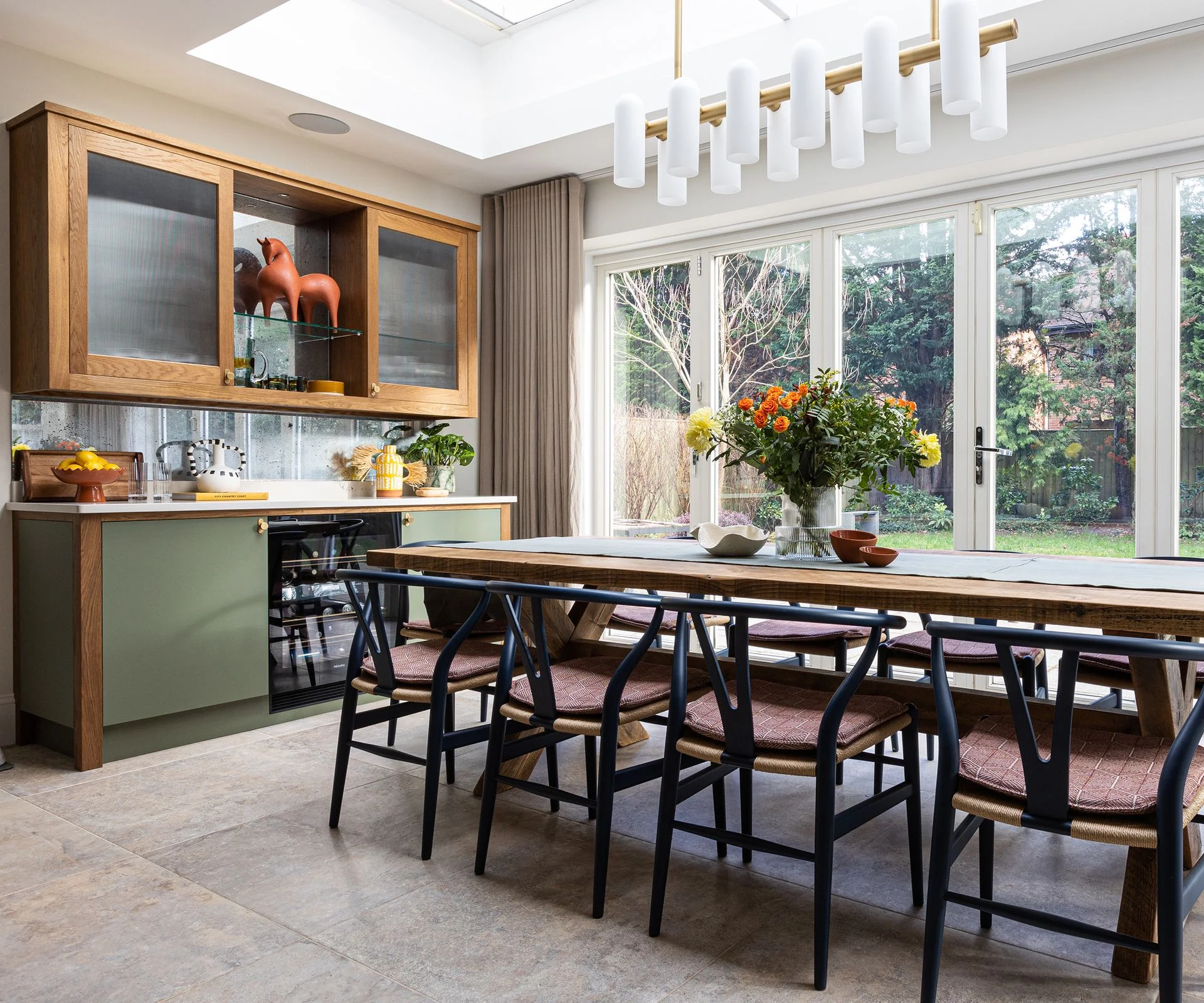
A drinks station can make a dining room feel more welcoming, and it doesn’t need a dedicated bar or much floor space. A wine cooler built into existing storage can do the job; so can a portable trolley. If you’re weighing up home bar ideas, think about how much room you’ll actually use.
Leave out glasses, napkins, an ice bucket and a cocktail set, and guests can help themselves while you prepare the meal. The setup can be simple and still take some pressure off the host.
Shop drinks station essentials
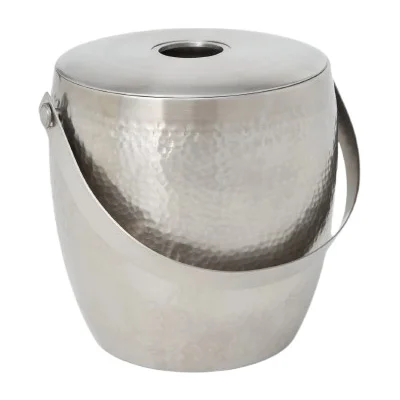 High-end look
Made from sturdy stainless steel, this hammered ice bucket has a carry handle and a polished look.
Give storage a decorative role
Dining room storage has to earn its space, but it can also set the mood. In this dark, polished scheme, a rounded peninsula and cantilevered shelves keep things organised while reinforcing the room’s decadent feel. Choose materials and finishes that suit the atmosphere you want, and consider how they work with details such as your [dining room flooring](https://www.homebuilding.co.uk/flooring/dining-room-flooring-ideas).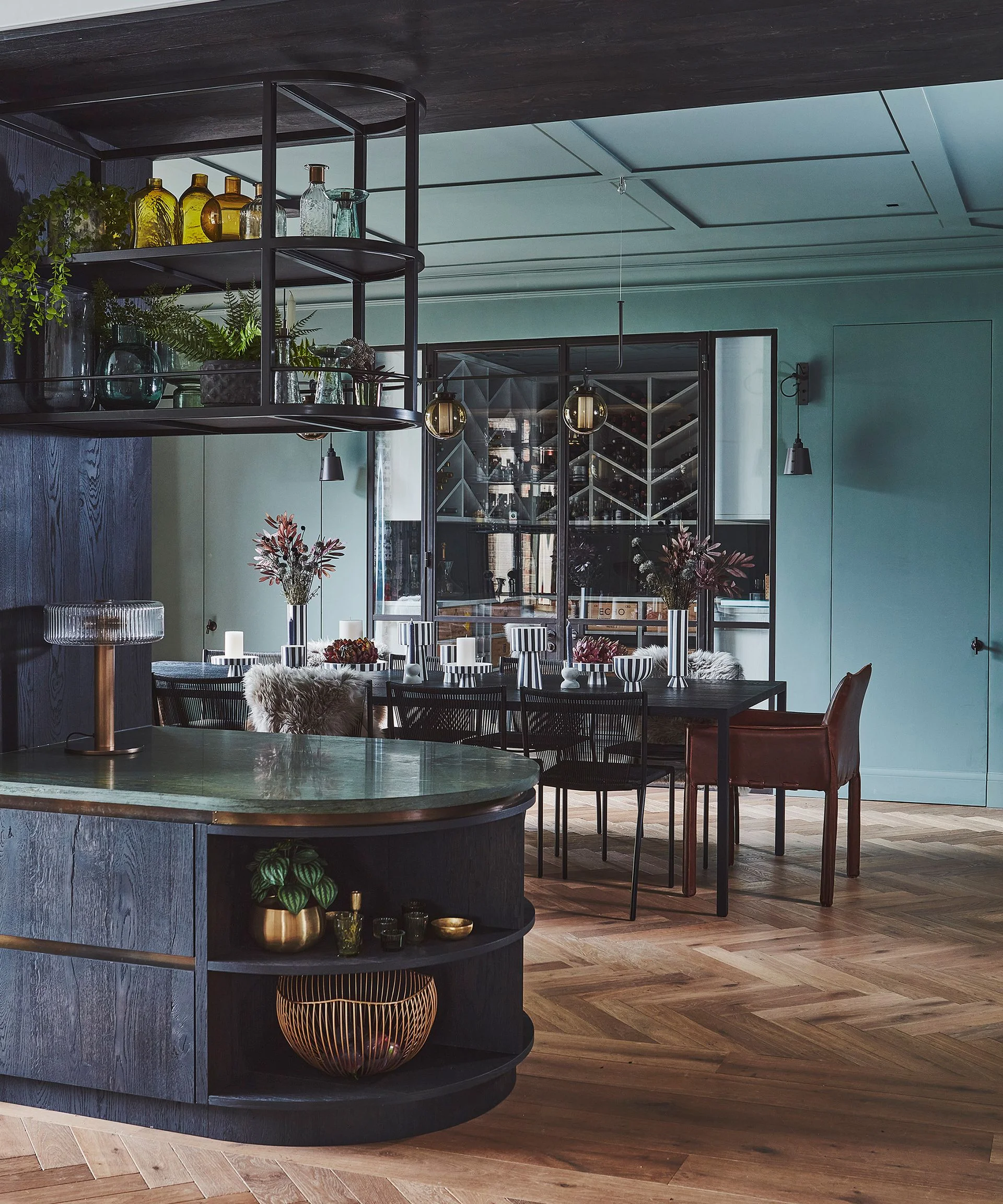
Use shelves and seating to make a small room work harder
Floating shelves are a simple way to store everyday dining pieces and put favourite dishes on display. They take up little visual space, which can help a compact room feel more open. Bo Hellberg says replacing even a short run of cabinets with open shelving can make a dining area feel brighter and less crowded.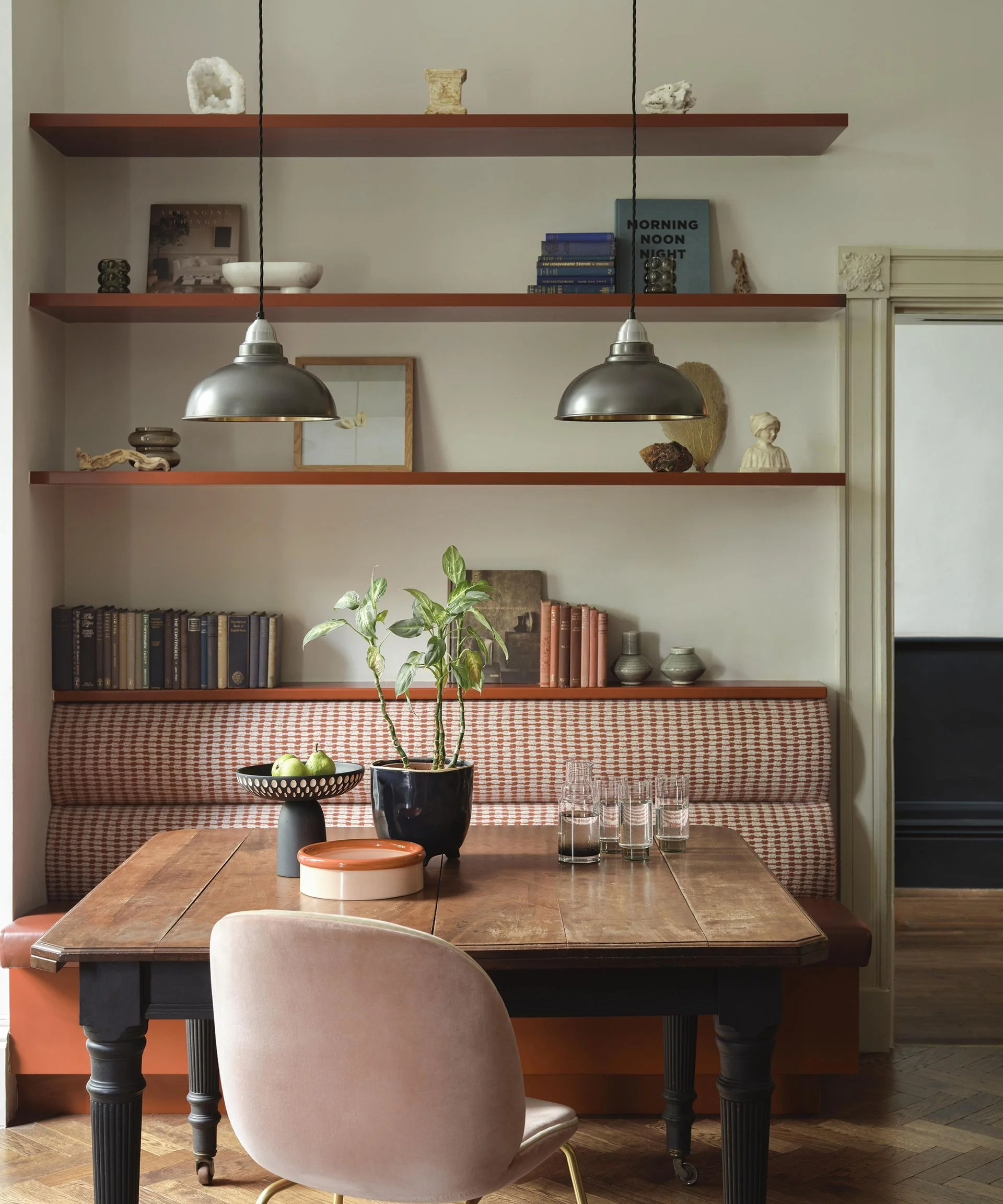
Let the dining table carry some of the clutter
The table can do more than host meals. Drawers give table linens, napkins, serving pieces and bar accessories a home close to where they’re used. Bateman’s practical advice is to list what you actually bring out for meals and entertaining, then check those items’ dimensions before choosing a table with drawers or cupboards. Storage that can’t fit the things you need is just wasted space.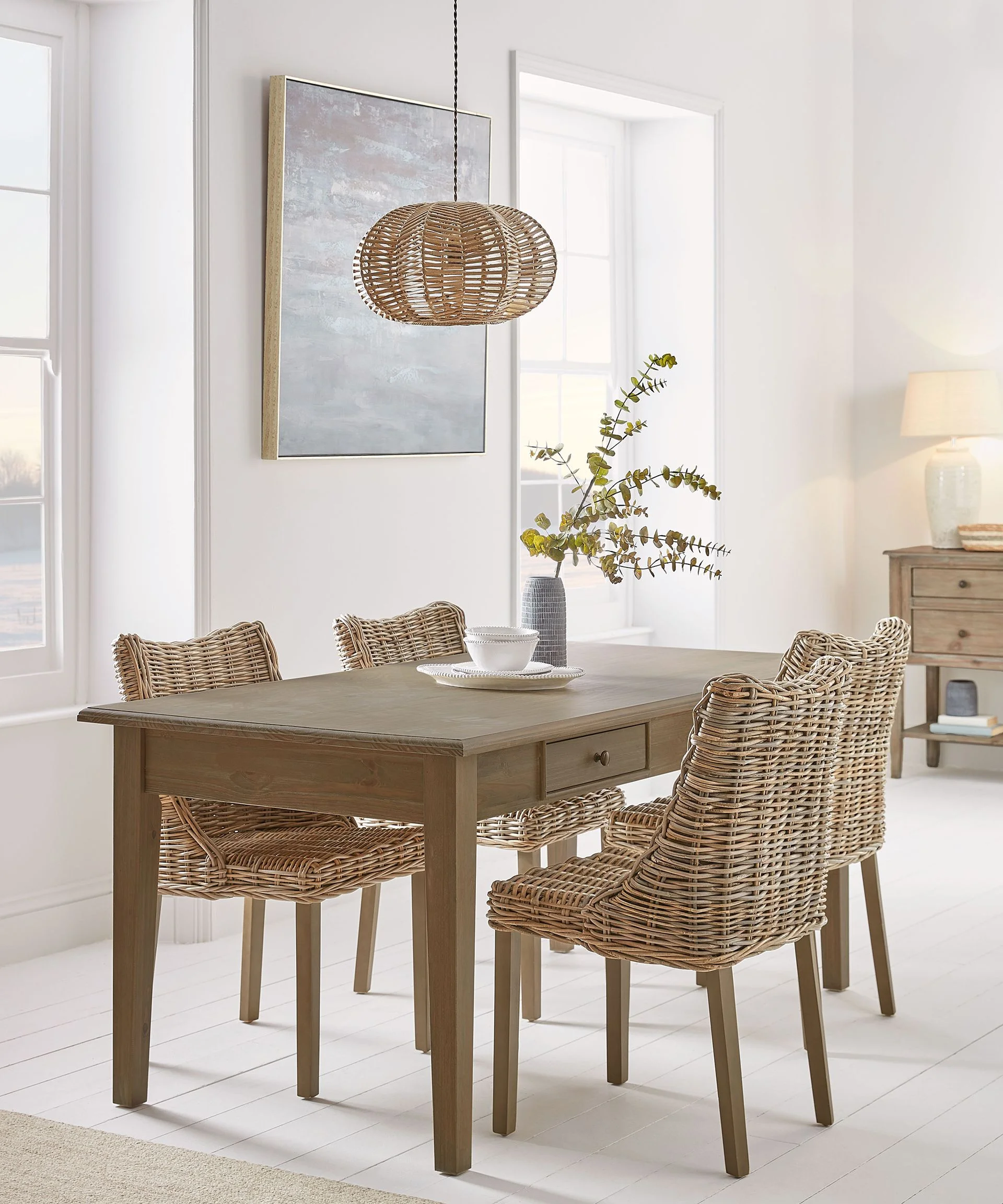
Dining tables with drawers
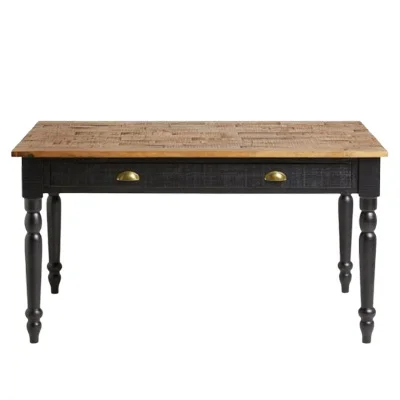
Rockett St George Apothecary Style 6 Seater Dining Table — A two-tone solid pine table with drawers, available in two sizes, with matching benches also available.
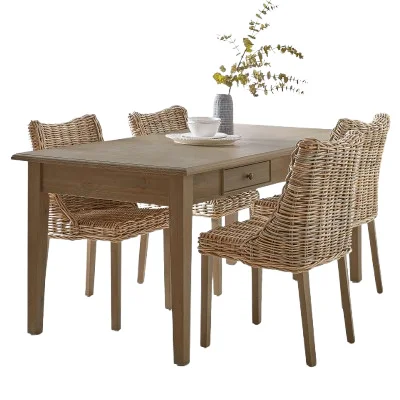
Cox & Cox Camille Rectangle Dining Table — This limewashed six-seater has four drawers for items such as crockery and napkins, and would suit a farmhouse kitchen.
Make a storage wall feel collected, not fitted
If you have room, dedicating a wall to dining storage can bring shelves, cupboards, wine storage and even a home bar together. The idea borrows from the [media wall](https://www.homebuilding.co.uk/ideas/media-wall-ideas), with space for [wine storage](https://www.homebuilding.co.uk/rooms/kitchen/wine-storage-in-a-kitchen) alongside serving pieces.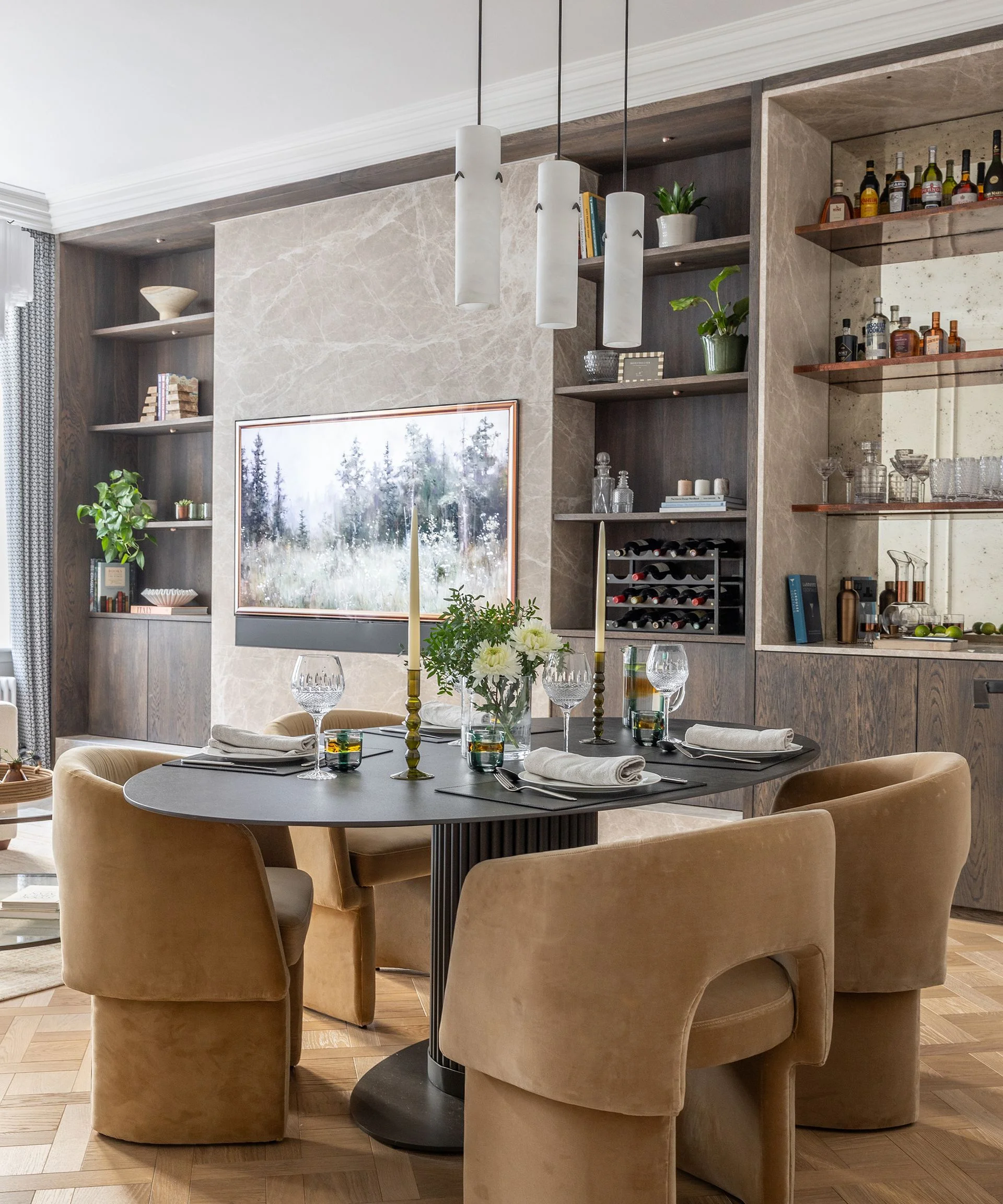
Use a stud wall’s depth
Dining rooms are gaining a clearer identity again, and walls that were once removed to open rooms up may now stay put or be rebuilt. If a stud wall already separates the dining area—or you’re [building one](https://www.homebuilding.co.uk/advice/how-to-build-a-stud-wall)—its cavity can offer storage without taking up floor space. The choice to [open up a dining room](https://www.homebuilding.co.uk/renovation/extending-into-a-dining-room) or keep it separate depends on the home; dining rooms have [returned to fashion](https://www.homebuilding.co.uk/rooms/are-dining-rooms-back-in-fashion), but that doesn’t make one layout right for everyone.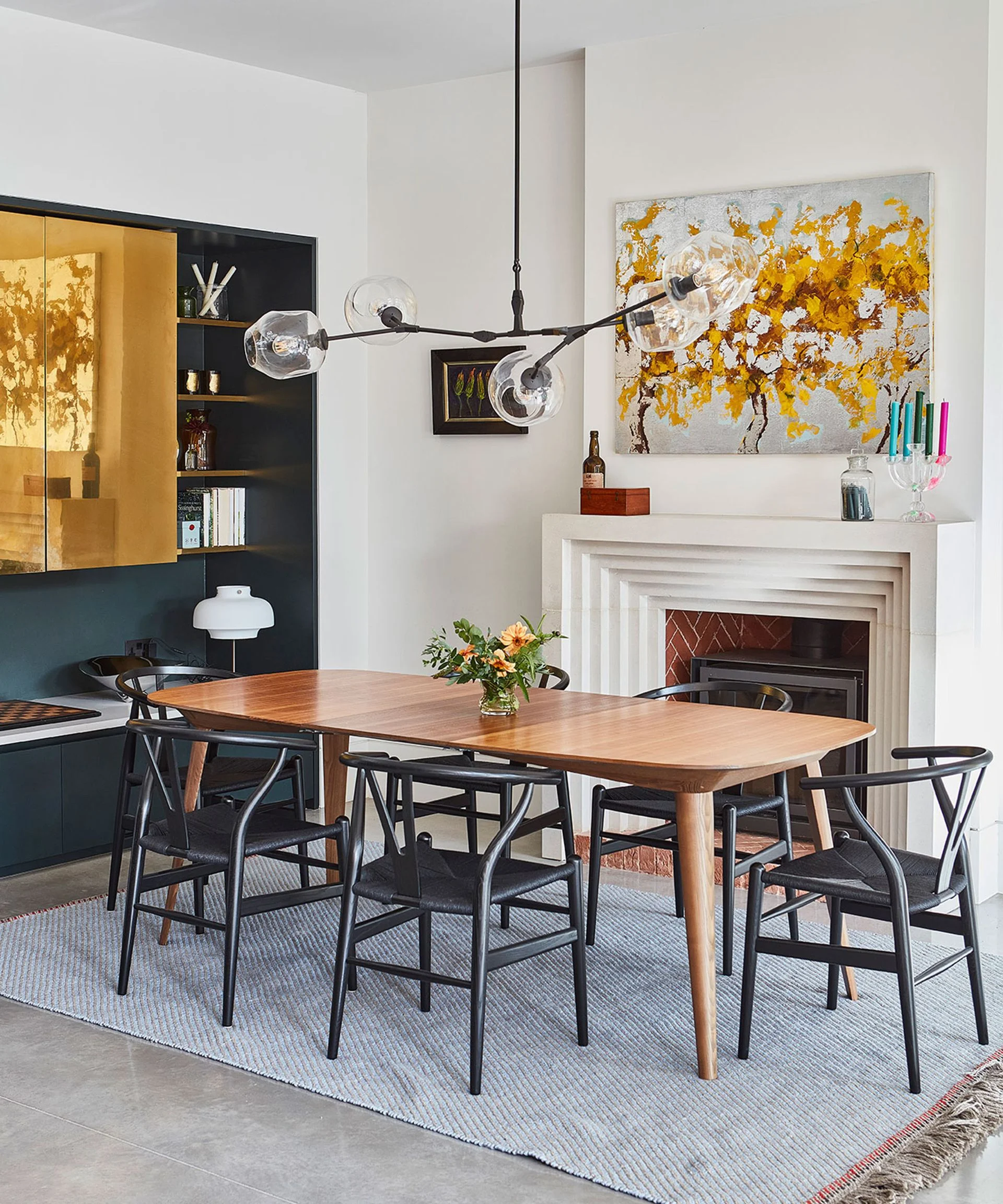
FAQs
How much space should there be around a dining table?
Aim for roughly 75–90cm between the table edge and the nearest wall or furniture. If people need to walk behind seated diners, allow about 110–120cm. Those clearances are a useful check before adding storage: a cabinet that makes chairs or circulation awkward is taking more from the room than it gives. In an [open-plan kitchen](https://www.homebuilding.co.uk/ideas/the-best-open-plan-kitchens), also plan for cooking smells, steam and noise. Zoning the layout and providing effective [kitchen extraction](https://www.homebuilding.co.uk/advice/kitchen-extension-ventilation) help address those issues.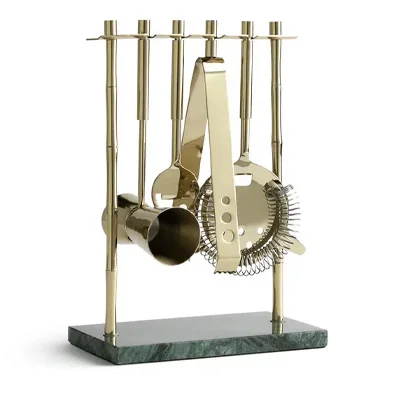
Habitat Japonica Cocktail Set — Jigger, sieve, bar spoon and garnish tongs sit in a green marble base, ready for mixing drinks when guests arrive.
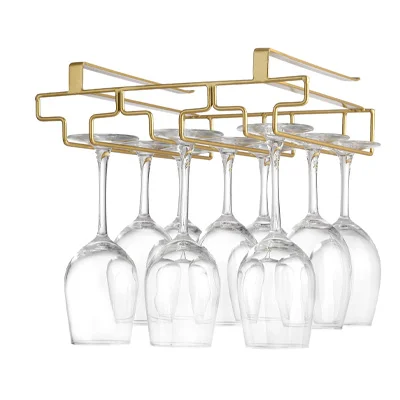
FOMANSH Hanging Wine Glass Holder — This brass-finish stainless steel rack is rust-proof and slides over a shelf without drilling, keeping glasses off the work surface.

Discussion
Sign in to join the discussion.