Solid wood, period tiles, metal fittings and stone may retain resale value, but condition, transport and local demand shape what buyers will pay.
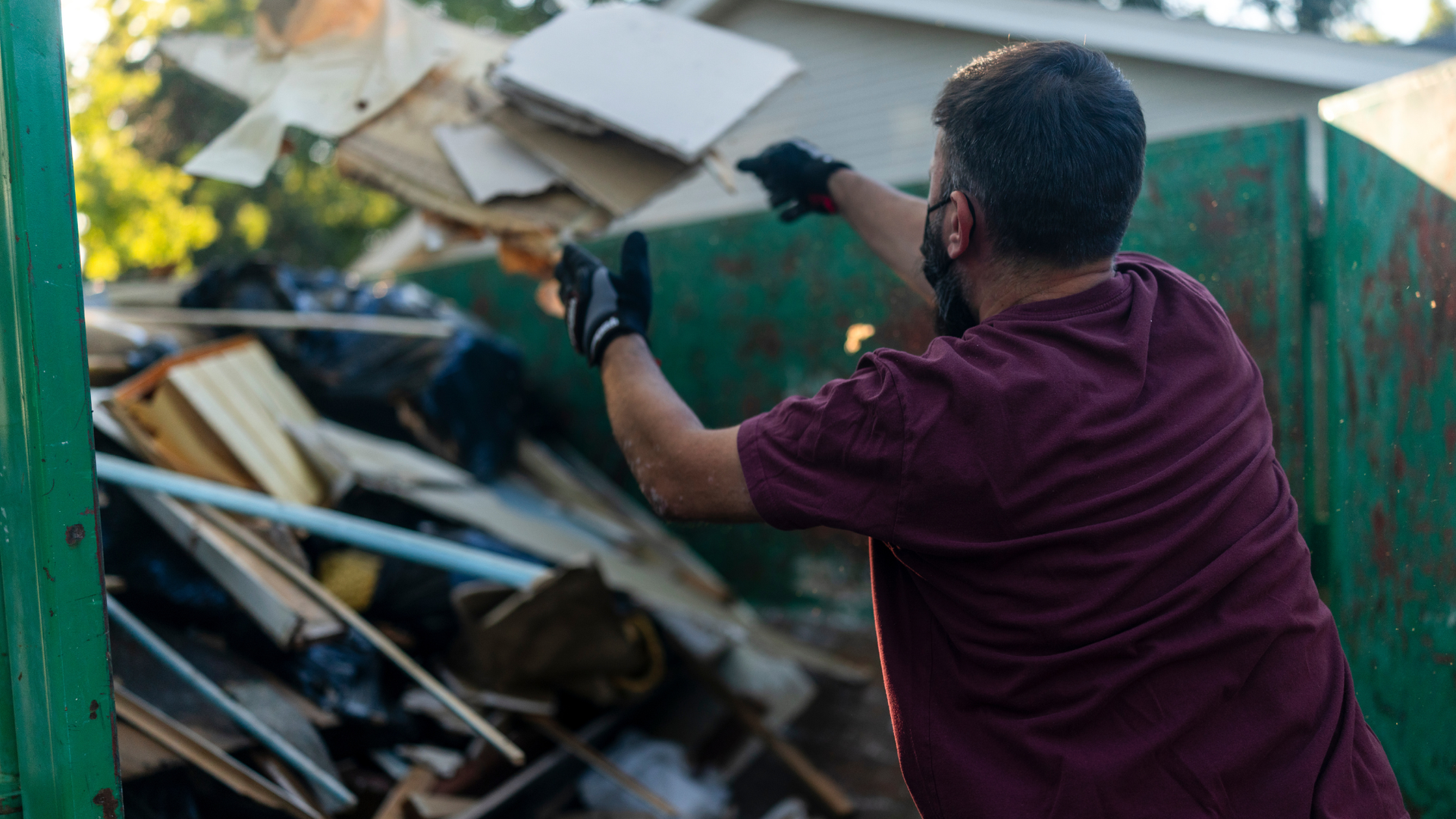
Renovation waste can include materials with a second life—and sometimes a resale price. Solid wood flooring, architectural tiles, metal fittings, original fireplaces and garden stone are among the items buyers may want, especially when they’re in good condition or difficult to find new. The practical challenge is matching each item with the right buyer and making removal, collection and transport worthwhile.
Mark Hall of Business Waste advises checking what’s reusable before materials go into a skip. Careful removal matters: a floorboard split during demolition is less useful to a buyer looking for intact timber. And before taking apart a feature or fitting, it’s sensible to check local interest. Demand varies, and a material’s apparent age or quality doesn’t guarantee it will sell.
Materials with a stronger chance of resale
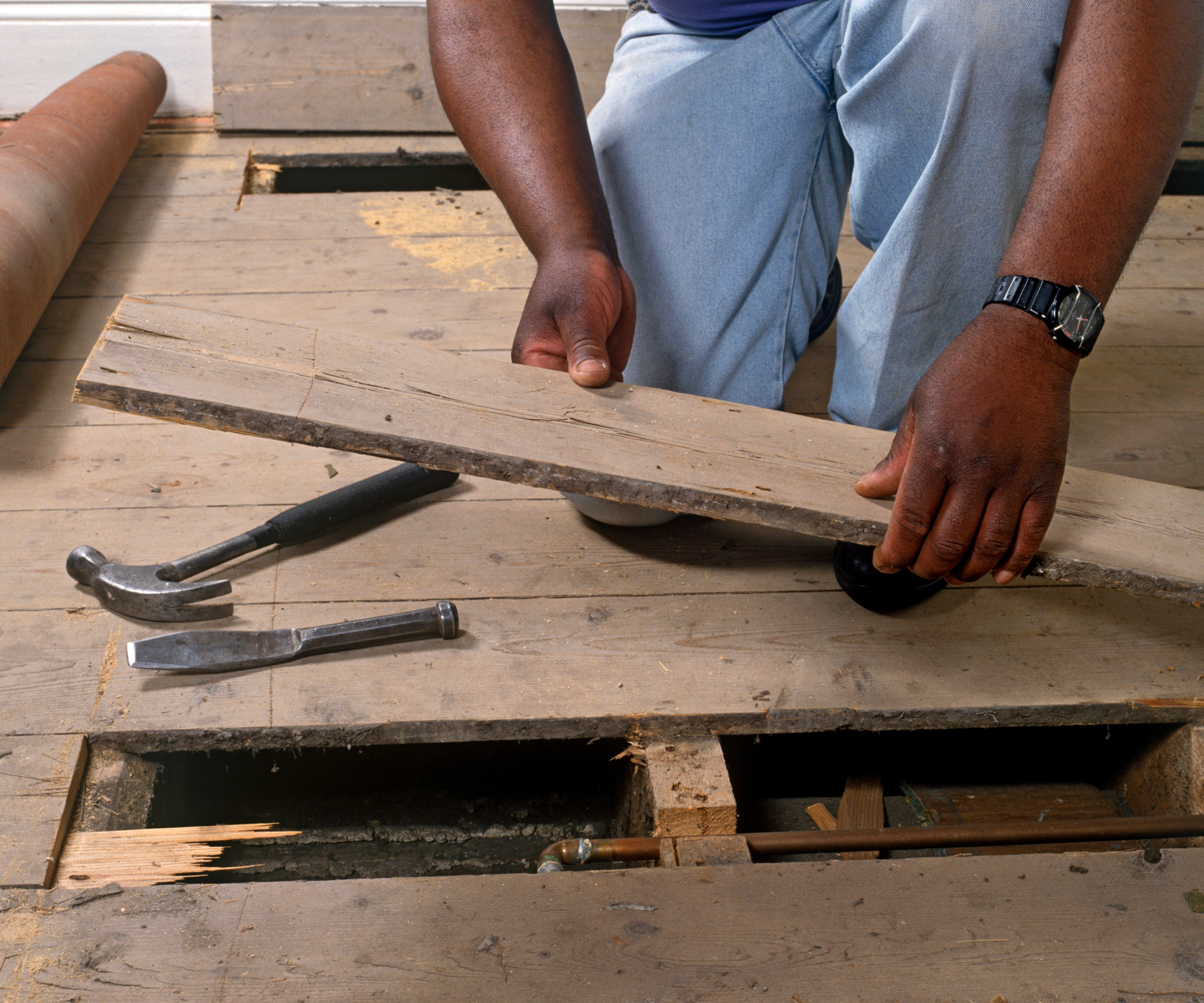
Solid wood flooring can retain value when there’s enough of it for another project and the boards survive removal. Lift planks carefully to avoid splits or other damage. Buyers may be seeking reclaimed flooring for a renovation, repair or design project, so the quantity and condition will affect its appeal. A listing should make clear how much flooring is available and show the boards accurately.
Copper and brass have more than one route to market. Clean, attractive fittings—such as brass handles and finger plates—may interest buyers who want to reuse them as fixtures. Metal that can’t be reused in its present form may still have scrap value. Hall recommends keeping different metals separate before asking local recyclers for prices, which helps make the material and any quote easier to assess.
Period floor tiles can be valuable because buyers may need a close match for an existing floor. Look for distinctive patterns, decorative borders and corner pieces. Even a small batch could be useful to someone repairing a damaged area, although the quantity should be stated clearly so buyers can judge whether it meets their needs. Architectural character and rarity can make these pieces more appealing than ordinary surplus tiles.
Original fireplaces, particularly those made from marble or stone, may attract renovators seeking a distinctive feature. Cast-iron inserts and accessories can also be listed separately or offered with the fireplace. Photographing the fireplace in place can help a buyer understand its appearance and proportions before arranging collection.
Garden landscaping materials such as paving, flagstones, steps and natural stone may suit homeowners or landscapers planning outdoor work. Keep intact pieces together, record their dimensions and describe collection arrangements upfront. Weight can make moving stone costly, so buyers need enough information to decide whether collection is practical.
Homebuilding & Renovating content editor Laura Crombie says she found a buyer for her garden rockery stones. Her experience points to a useful principle for anyone clearing a property: material that has little use for one household may fill a specific need for someone else.
What can make a listing difficult
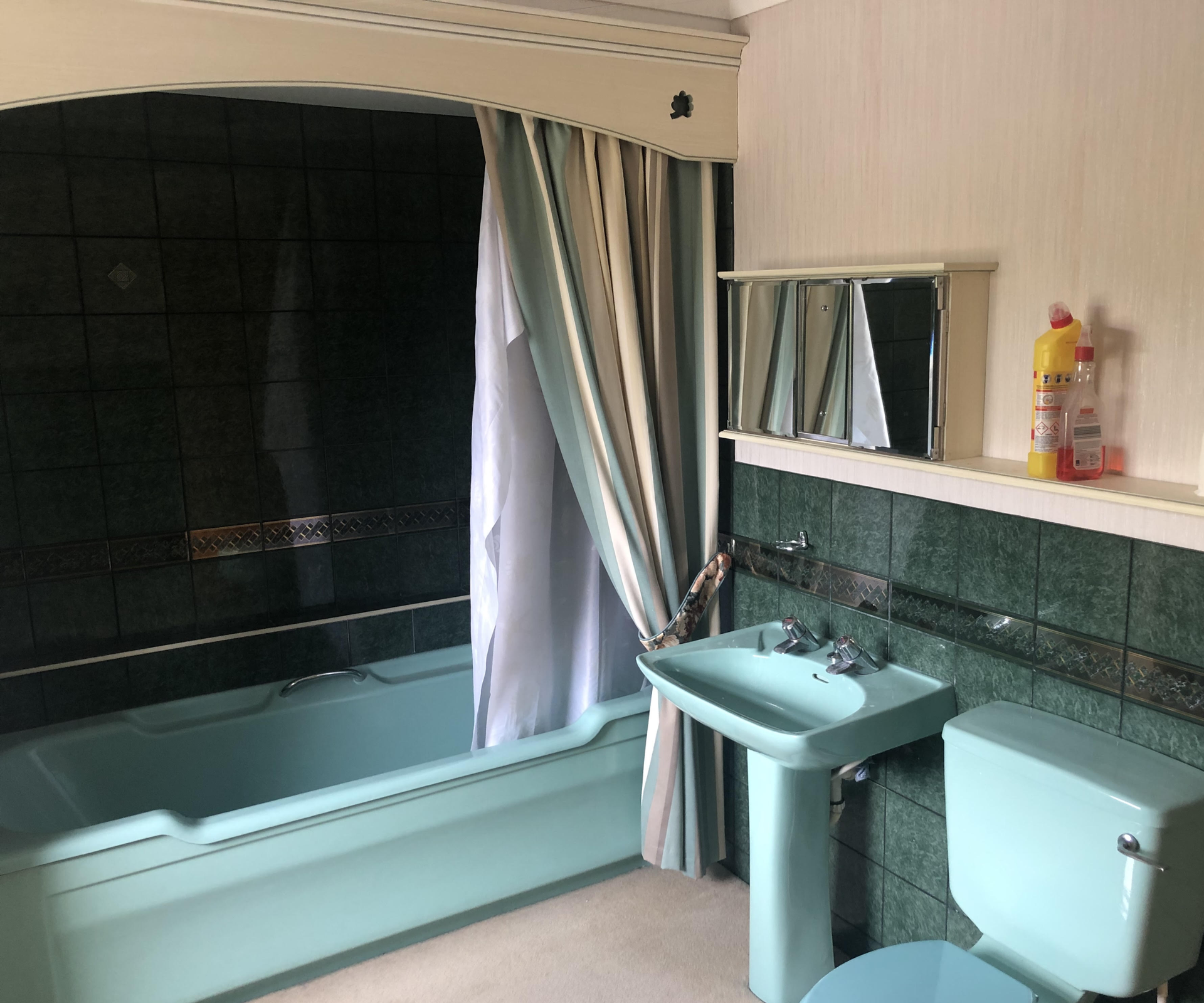
Some bulky items are harder to sell because they were made to fit particular rooms. Modern bathroom suites, kitchen units and uPVC windows may have limited demand when their dimensions or layout don’t suit another property. That doesn’t make resale impossible: Crombie says she has sold a vintage bathroom cabinet, a bathroom suite and old kitchen units through Facebook Marketplace, village WhatsApp groups, eBay and Vinted.
Transport is another constraint. Bricks and paving slabs can be heavy enough that collection costs outweigh what a buyer would pay for them. Small quantities of flooring or tiles may also be hard to place if a buyer needs enough matching material for a full room or larger repair. Clear descriptions, accurate measurements and collection details help people assess the offer before arranging a visit.
For that reason, a quick check of local demand can save time before demolition begins. If there’s little interest in a usable item, a local reuse scheme may offer a better route than disposal. The decision depends on the material, its condition and whether someone nearby can make practical use of it.
Choose a selling route that fits the material
General marketplaces can work for household fixtures and smaller lots. Facebook Marketplace and eBay reach casual buyers looking for second-hand materials, while village WhatsApp groups can connect sellers with people nearby. Crombie has also used Vinted. For specialist items or larger quantities, Enviroment is identified as another option.
Scrap metal dealers are suited to metal that no longer has value as a reusable fitting. Hall recommends comparing quotes from local dealers and checking whether collection charges apply. Buyers and sellers should also confirm the requirements for a scrap sale, including what identification is needed, make sure they have permission to sell the material and keep the receipt.
For distinctive architectural pieces—including parquet flooring and period tiles—a salvage or reclamation dealer may be better placed to assess the item. These businesses can recognize features that are less obvious to a general buyer and help sellers understand whether a particular material is worth listing.
Waste management companies can advise on reuse, recycling and disposal for larger renovation jobs. That may be useful for landlords, developers or anyone working across several properties, where the volume and mix of materials make individual listings less practical.
Check materials before offering them for reuse
Safety needs to shape decisions about older building materials. Joseph Gough, owner of Yorkshire Asbestos Solutions, warns against selling or reusing material that may contain asbestos in a UK home built before 2000. Textured coatings such as Artex, vinyl and thermoplastic floor tiles, insulating board and cement roof sheets are among the products in which asbestos was used. Older cement garage roofs and corrugated sheets can look sturdy enough to reuse, but appearance alone cannot confirm what they contain.
The only way to confirm asbestos is to have a sample analysed. Materials that could contain it should be checked before they are offered to another household. That safety check belongs ahead of any resale plan; suspected material shouldn’t be treated like ordinary reclaimed stock.

For materials that pass those checks, resale works best when the listing is specific: show the item clearly, give its dimensions and condition, state the quantity, and explain how collection will work. The strongest candidates are often those with a clear use for another project, from a batch of matching tiles to a set of intact floorboards. A brief demand check before removal can help determine whether selling, donating or recycling is the most sensible next step.

Discussion
Sign in to join the discussion.