Railway sleepers suit steps, raised beds and more, but creosote-treated timber can leach into soil, so choose untreated wood for growing food.
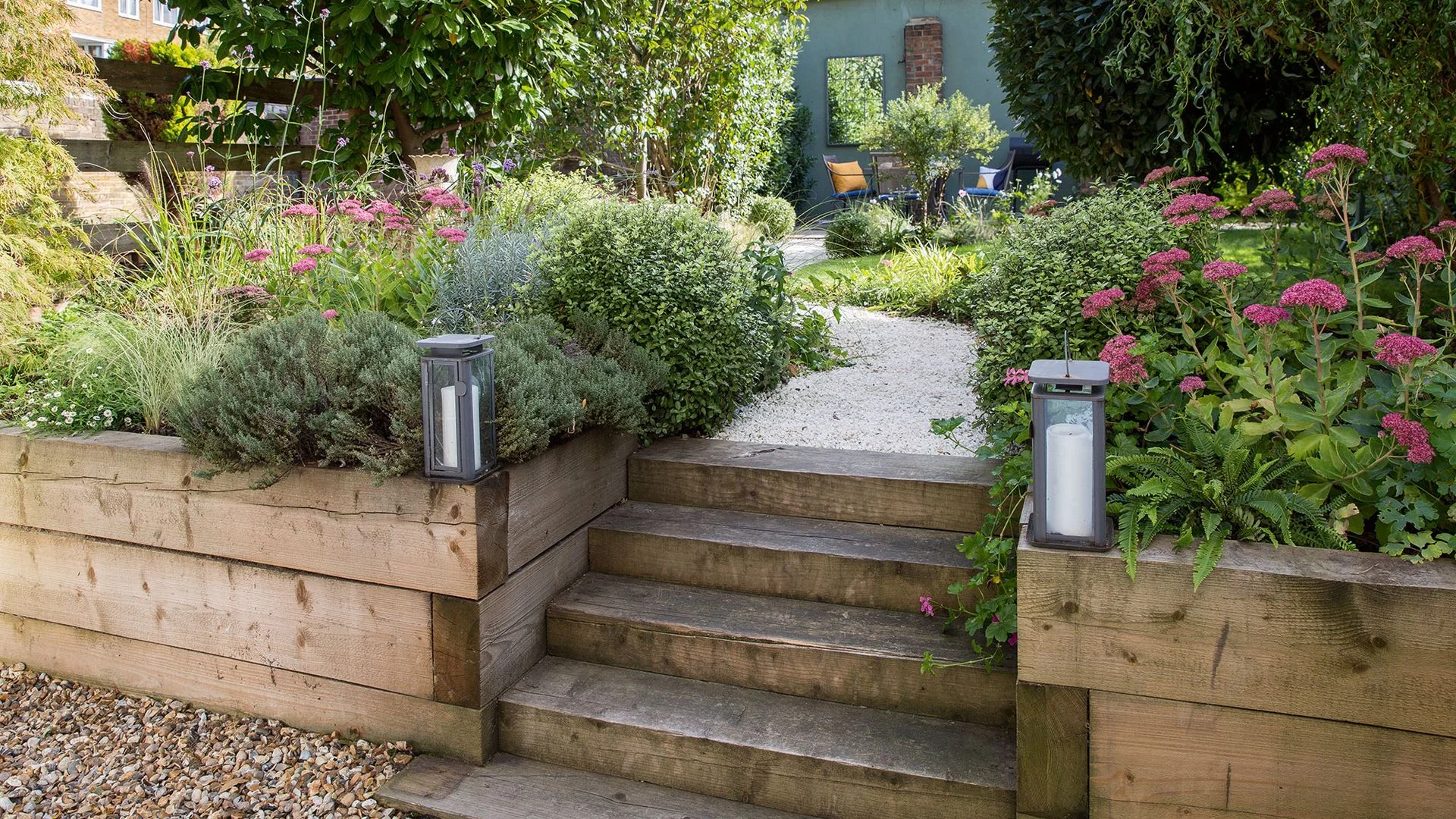
Railway sleepers have become a default material for garden makeovers, and the reason is simple: they look like they've been outside for decades even on day one. They're thick, tough and cheap enough to use generously, which makes them useful for everything from edging a flowerbed to framing a patio. They also suit more ambitious garden design projects, though that's where the planning starts to matter.
The first decision is which sleeper you want. Reclaimed sleepers come from railway lines and carry a worn, weathered look that's hard to fake. New sleepers, in softwood or hardwood, have square edges and a smooth finish. Reclaimed suits a rustic or cottage scheme. New suits anything modern. Choose badly and the garden will look like a compromise.
Whether new or old, sleepers blend into outdoor spaces with very little fuss. Pair them with gravel, rocks, shrubs or trees and they look like part of the original plan. Here are nine ways to put them to work.
Build garden steps from sleepers
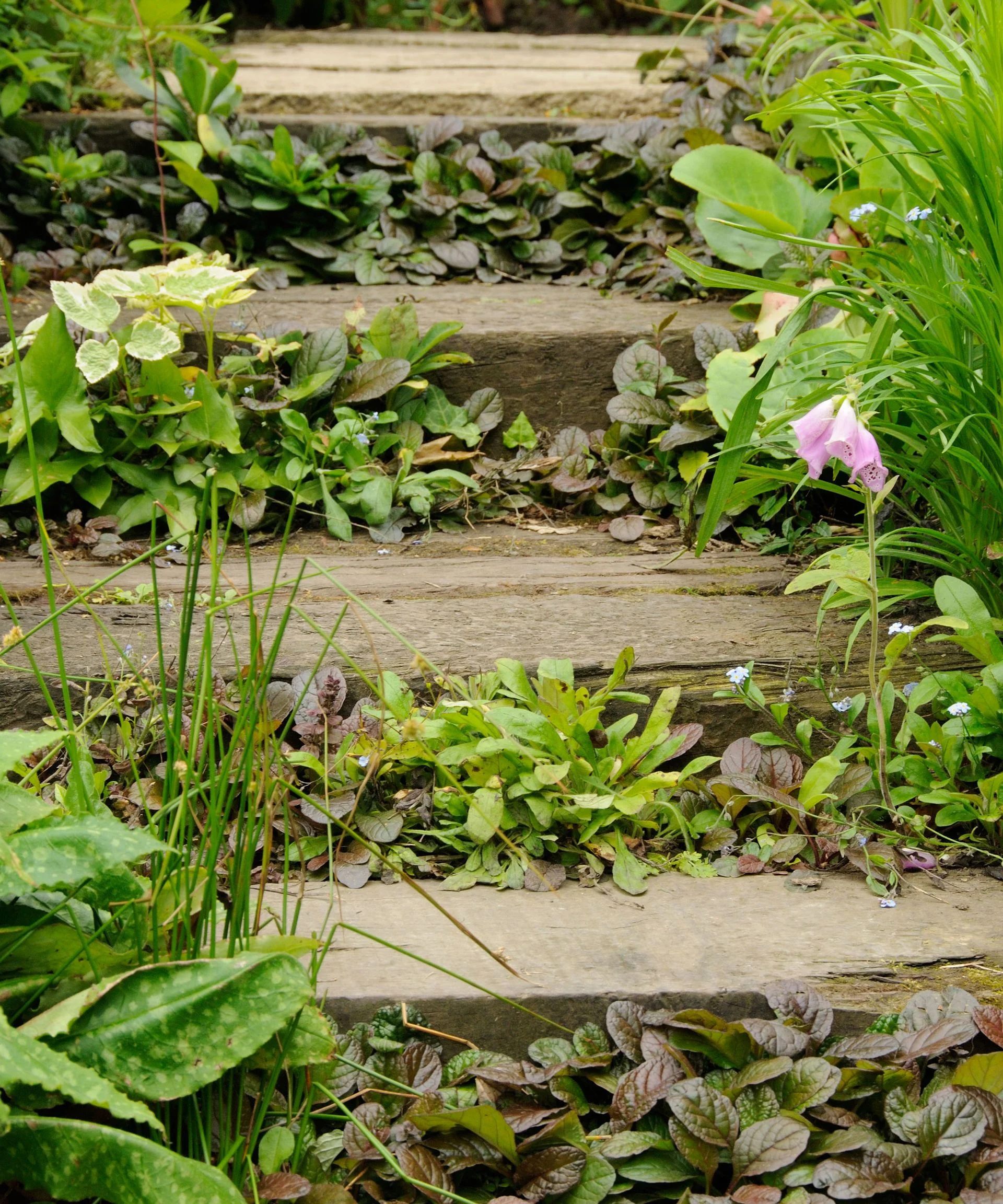
Sleepers make a convincing set of rustic garden steps. They're easier to install than concrete or pavers, and they cost less, which is why they show up so often in budget landscaping plans.
Planting between the sleepers is what sells the look. Ajuga, sometimes called bugle, is a mat-forming evergreen perennial with glossy, deep bronze-purple oval leaves. It spreads quickly, so it works well on terraces, banks and slopes. Tuck a mix of other plants into the gaps and crevices, and the steps stop looking installed and start looking grown.
Landscape designers push this further, turning simple steps into grander stairs and tying them into the wider scheme.
Turn sleepers into smart vegetable beds
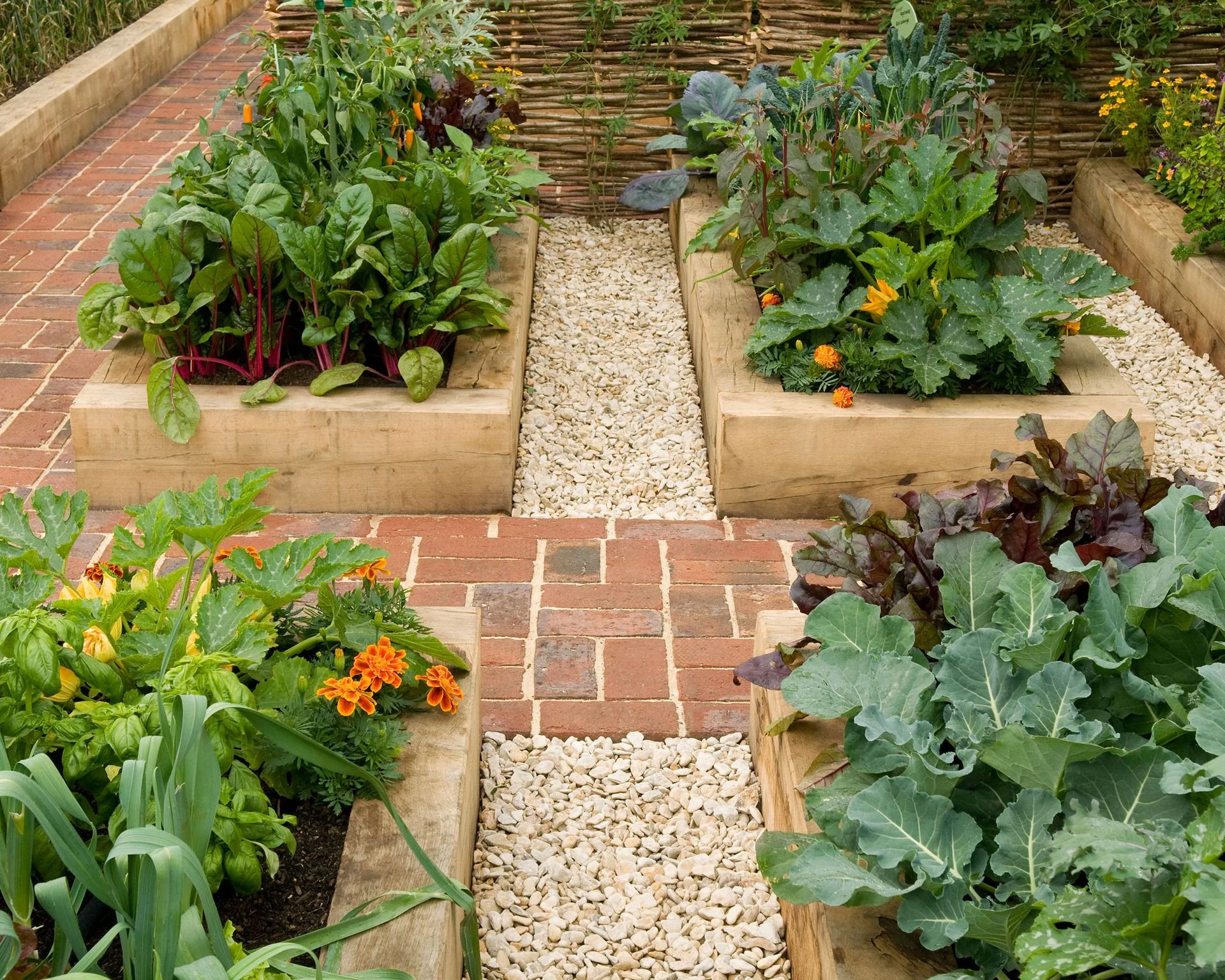
Raised beds are probably the most common use for sleepers in a productive garden. The solid timber holds soil in place and creates a barrier that helps keep slugs out. The raised profile also drains well and keeps encroaching weeds at bay. See our guide to raised garden bed ideas if you want more options.
Here's the catch. Creosote-treated sleepers are a real concern for growing food. Creosote can leach into soil, and many people advise against using treated sleepers around edibles at all. Be selective when you're sourcing reclaimed timber from salvage yards.
Age changes the picture somewhat. An old, weathered sleeper is far less likely to leach. Even so, it's not firmly established whether plants take up creosote from soil. If you want to be cautious, line the inside of the bed with plastic so the wood never touches the soil.
If you still want timber for your vegetable garden, there are alternatives, including new untreated timber, which removes the question entirely.
Shop for railway sleepers
Snowdon Timber Treated Reject Black Sleeper (h) 95mm (w) 195mm (l) 2.4m. Pressure-treated and garden-ready, with knots and imperfections that suit a rustic look.
Snowdon Timber Treated Sleeper (h) 100mm (w) 150mm (l) 1.2m. Slightly smaller dimensions make it a sensible pick for smaller gardens.
Snowdon Timber Treated Sleeper (h) 100mm (w) 150mm (l) 1.2m, pack of five. Thick, sturdy softwood that works across a wide range of landscaping jobs.
Make a garden bench and matching table
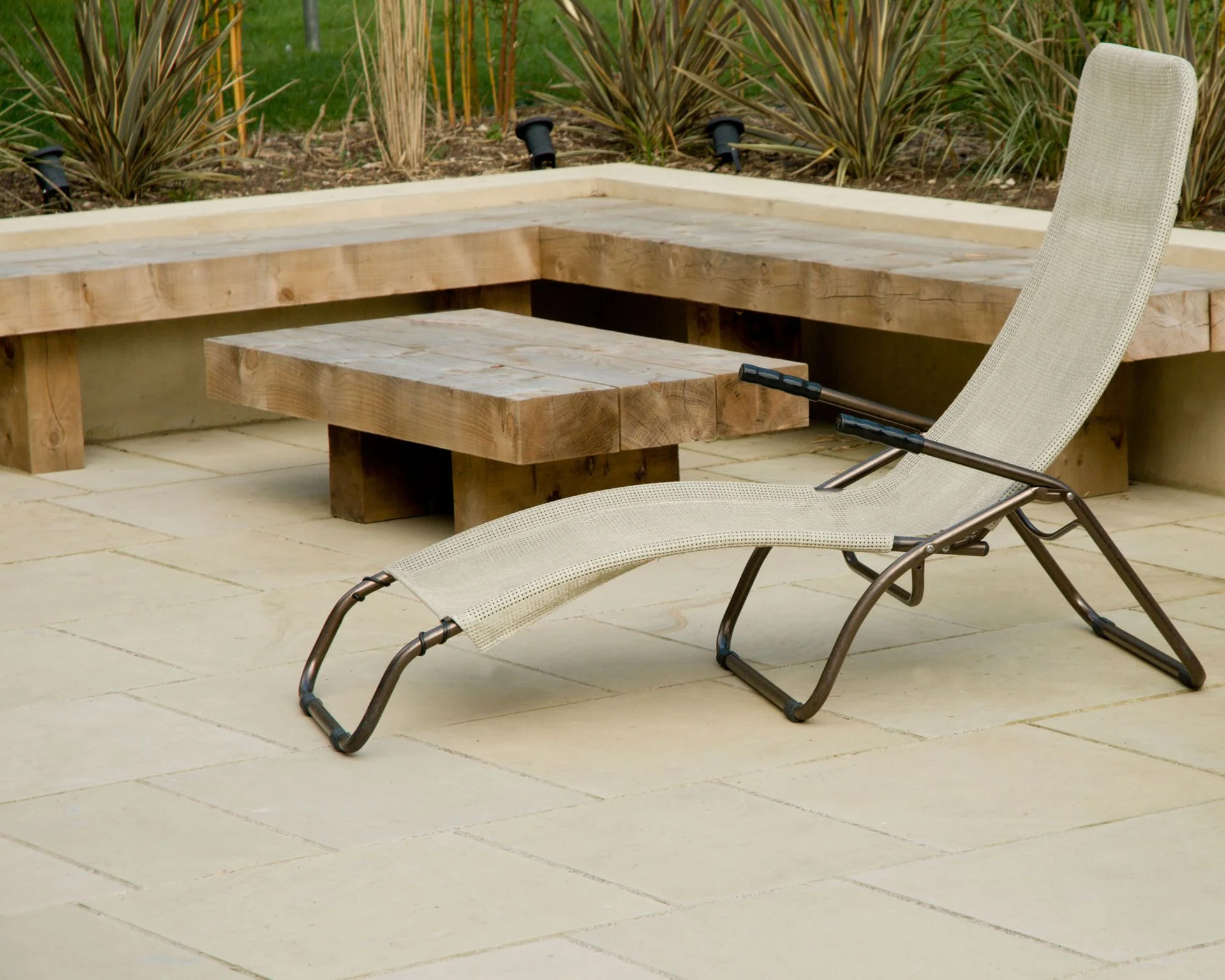
If you own a cordless drill and enjoy DIY, sleepers can become furniture. A rustic bench and low table built from reclaimed sleepers is a straightforward job that takes a few hours, and it won't cost much.
Prefer something sleeker? New untreated sleepers give a cleaner, more modern finish. Old wooden pallets and other timbers also make good benches, so you can shape the seating around your space rather than the other way round.
Build a retaining wall from sleepers
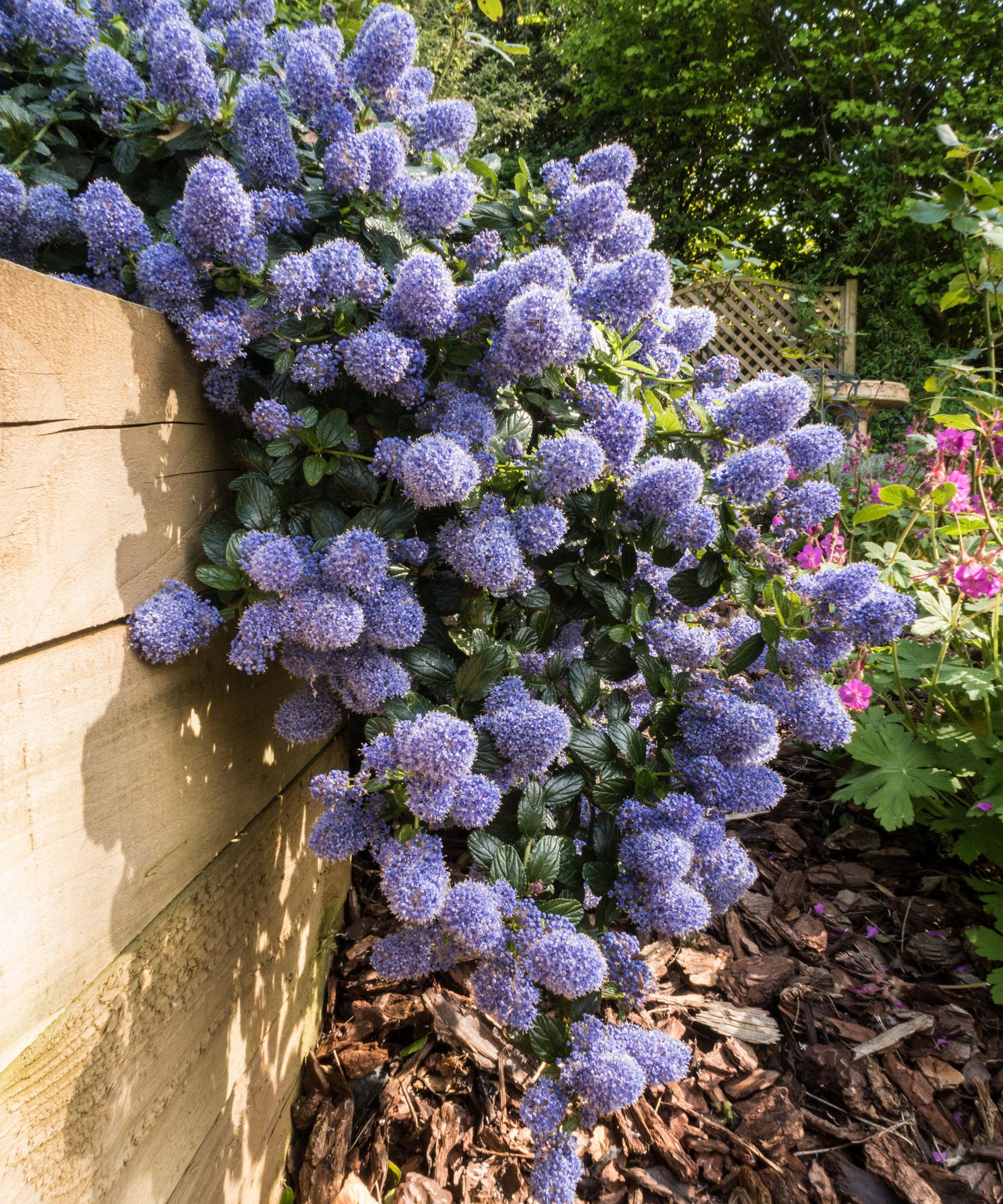
Retaining walls are among the most popular sleeper projects, and it's easy to see why. Sleepers look good and usually cost less than brick or concrete, which makes them a practical swap for a retaining wall.
You can lay them horizontally or stand them vertically. Horizontal runs are more common for a low-level garden wall. On sloping or terraced gardens, the height of the bed or bank you need to hold back should drive your construction method, not the look you want.
If you're thinking about planting, the blue shrub spilling over that wall is a ceanothus, also known as California lilac. Look up plants for covering walls for more ideas. Ceanothus does best in a sunny, sheltered spot, so check your aspect before you commit.
Ceanothus Thyrsiflorus Repens (Californian Lilac). An evergreen shrub that provides colour year-round but peaks from late spring into summer, when it's covered in fluffy, powder-blue flowers.
Plan a rustic deck
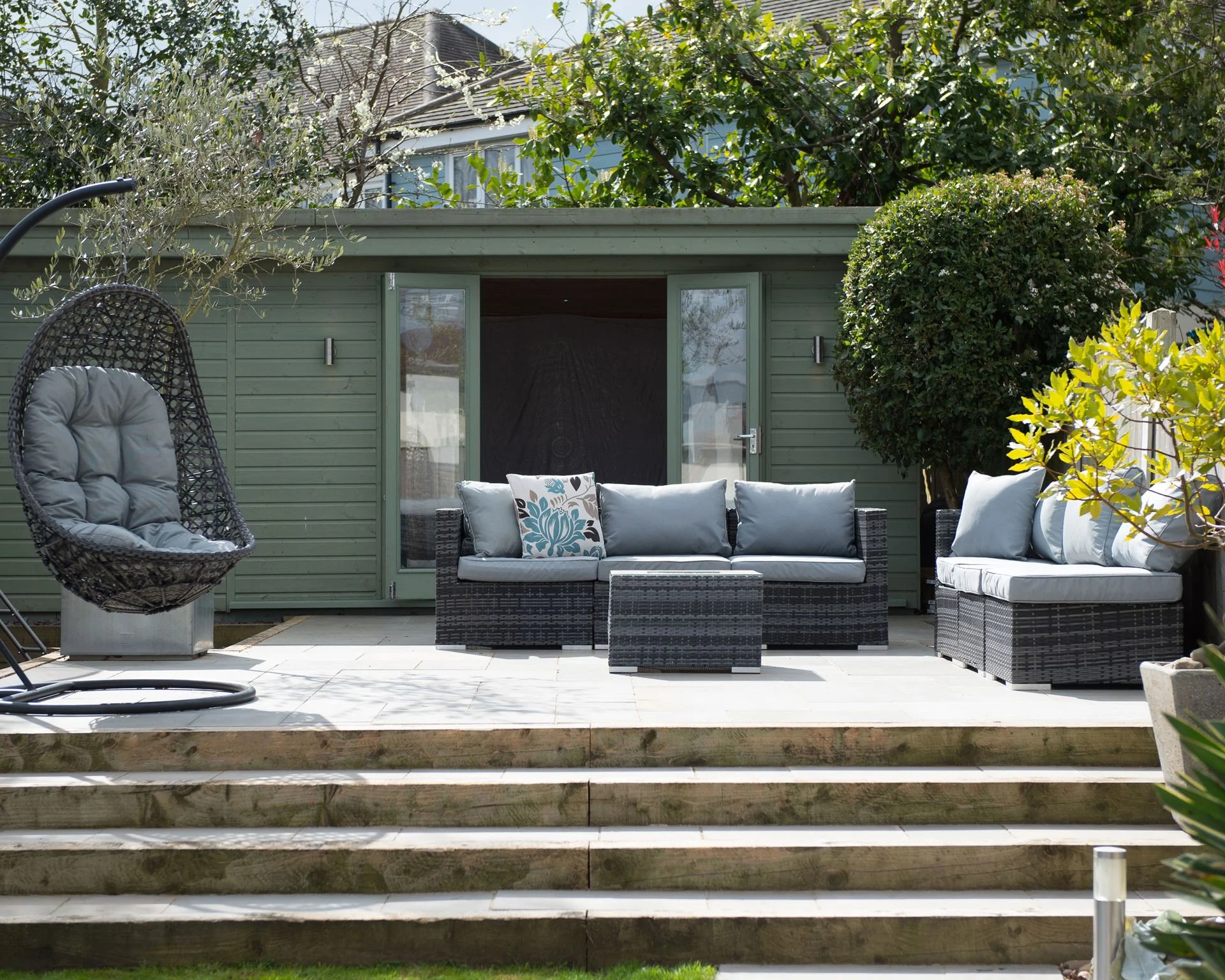
Want a bigger change? Swapping out tired decking for sleepers gives you a natural look that boards rarely match. Sleepers are also a practical alternative to decking boards.
For a new deck or a rebuild, sleepers do the heavy lifting well. They build up the platform, create clean edges for a raised decking area, and form tiered steps. If your plans include steps, low walls or decking balustrades, go with new sleepers rather than reclaimed. The results are more consistent and easier to work with.
The payoff is a structure that's practical, durable and cost-effective, and it looks right in the garden.
Edge your beds, steps and paths with sleepers
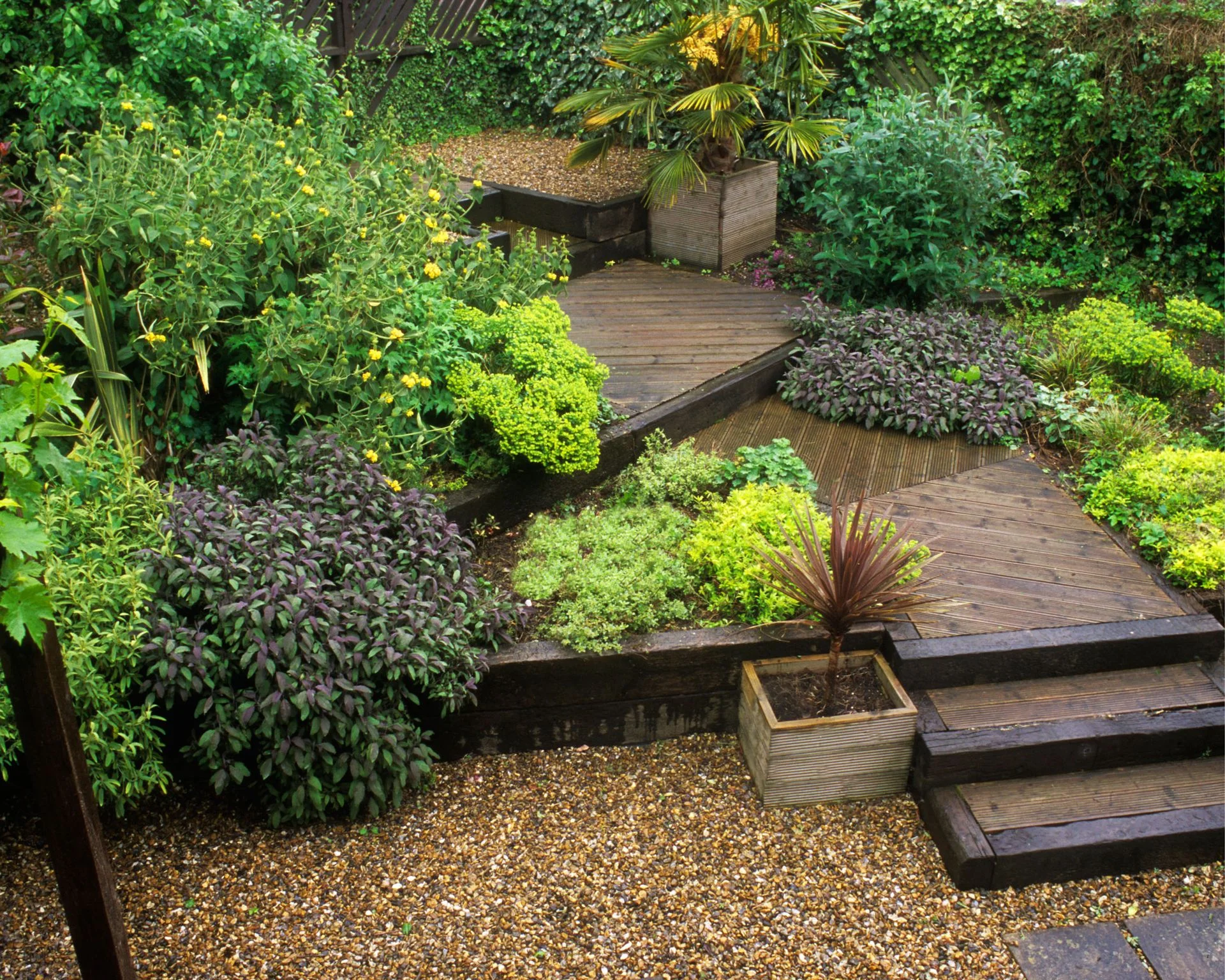
Sleepers are a strong choice for garden edging. They look good, and they do a job. A line of sleepers defines separate zones and keeps soil, gravel, wood chips, plants and lawn where they belong.
The same logic applies to steps, patios, decks and garden paths. What makes sleepers so useful here is their ruggedness. They don't demand complex planning or preparation. You can set them in place and they'll hold the line.
Create a cottage garden feel with weathered timber
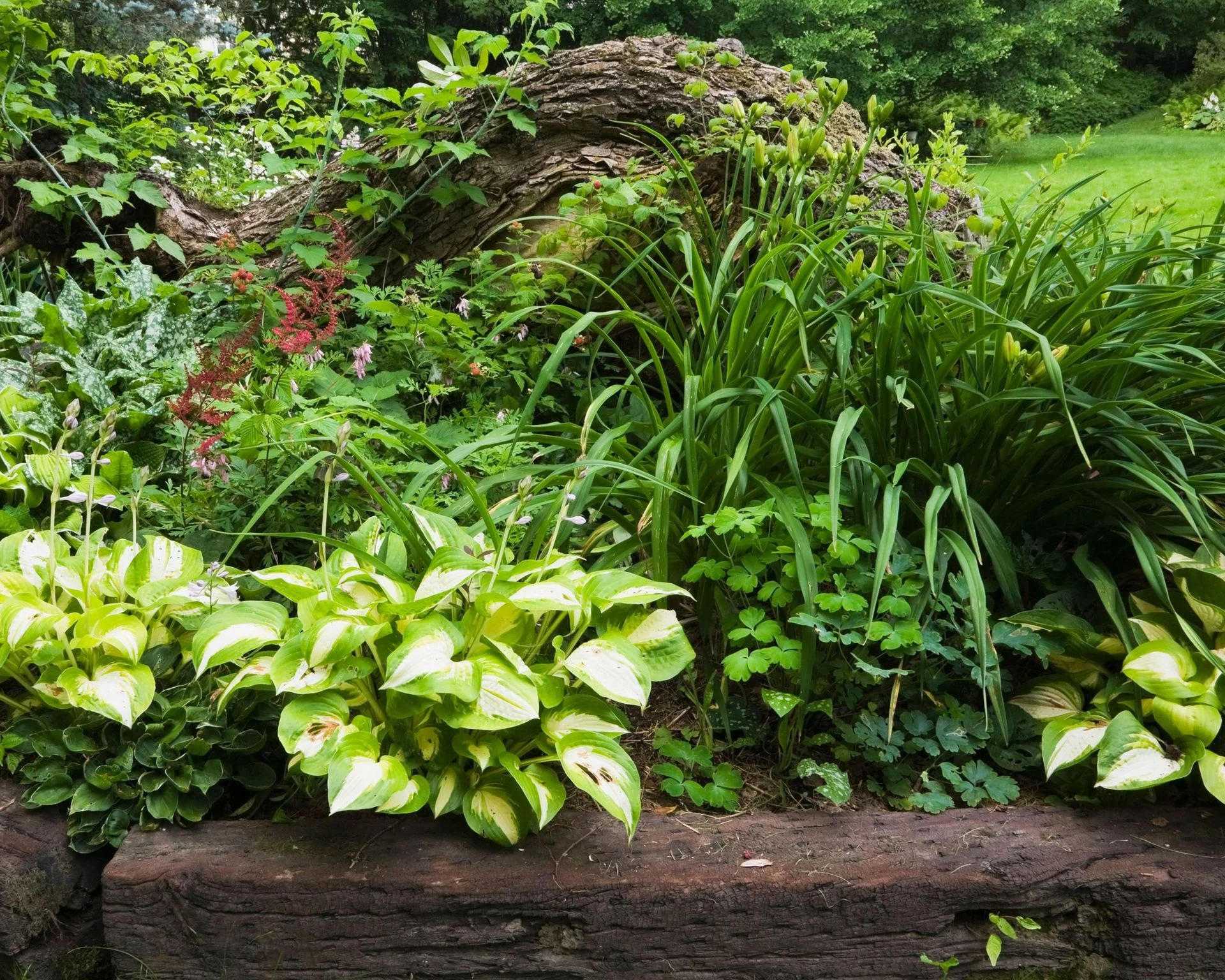
If you're aiming for a cottage garden, weathered sleepers suit the planting style perfectly. Use them to outline beds, or add them purely for ornament. Their timeworn finish sits comfortably next to loose, informal planting.
They also work around trees. Build a rectangular sleeper base to frame the trunk, and if you make it tall enough, you've got a built-in seat.
Landscape sleepers into a sensory garden
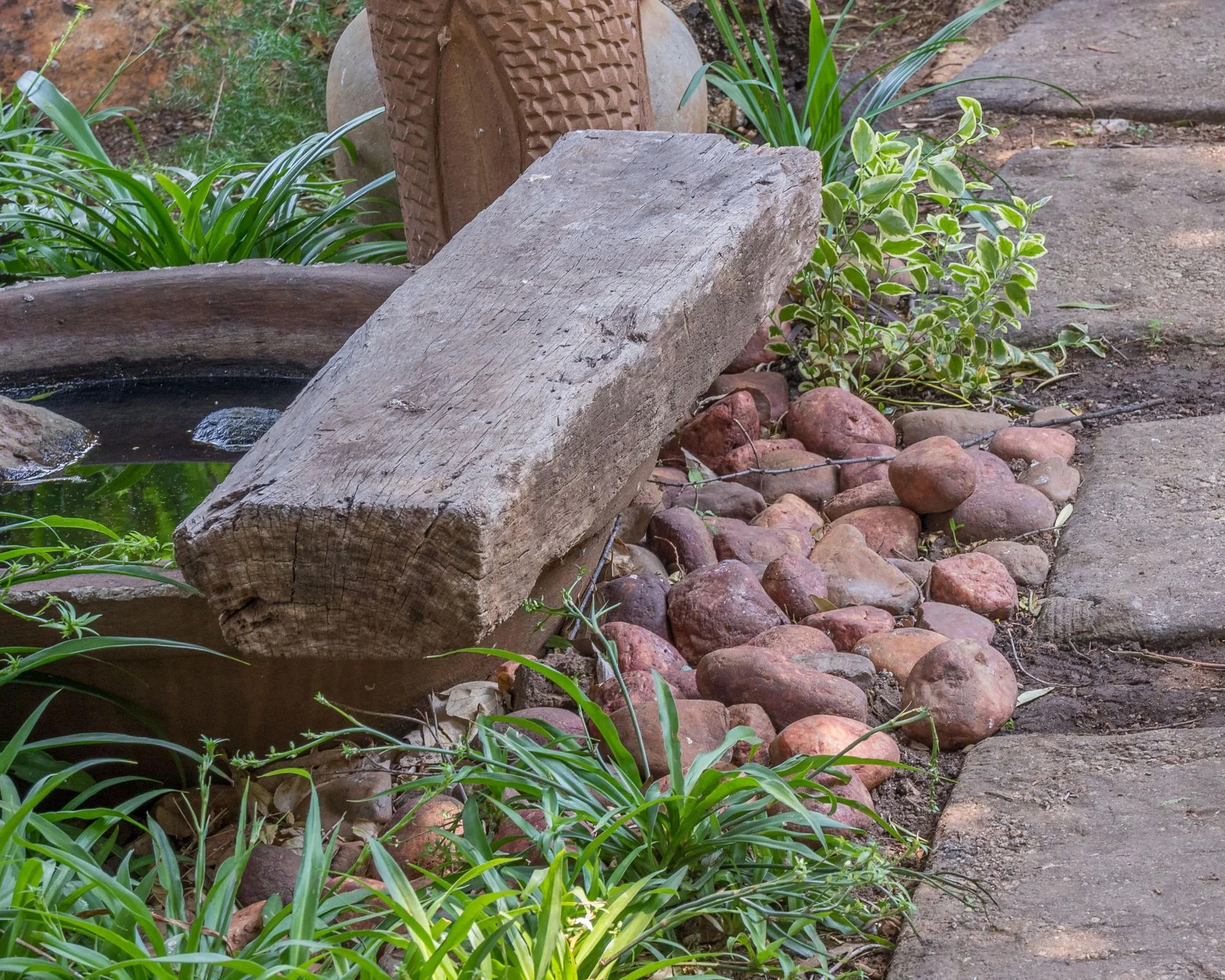
A garden pond is the single best addition for anyone building a sensory garden, and it doesn't need to be large to pay off. Even a small one gives you a place to slow down and sit with the sound of water and the movement of wildlife.
Pair it with a few smooth pebbles and a weathered railway sleeper to sit on, and you've added texture without much effort. Sleepers are a really simple way to introduce texture and interest (Image credit: Richard van der Spuy/Alamy Stock Photo). The spot will quickly become the one you gravitate toward for quiet contemplation.
Railway sleepers can do more than edge a border
Most people think of sleepers as garden edging or raised beds. That's a waste of the material. Used at scale, they can anchor a whole design. Take the sleek urban courtyard garden with a pergola, seating and shelving, all built from sleepers that have been given a modern makeover.
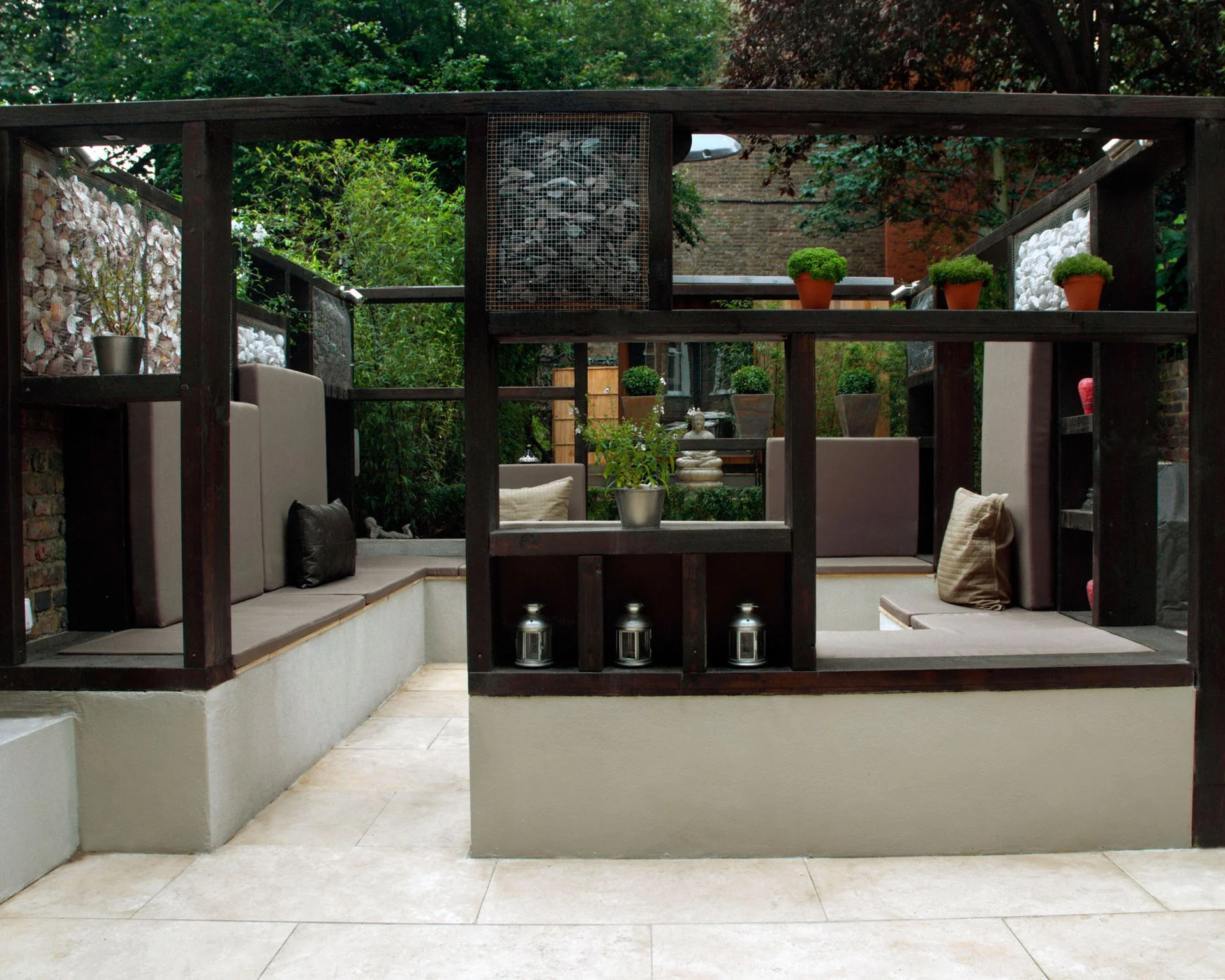
The black stain does a lot of the work here. It gives the timber a contemporary edge that reads as deliberate rather than rustic. That's the appeal of this kind of modern garden project: it's practical, with storage and seating where you need them, and it still looks like a planned piece of design.
Buying railway sleepers today
Here's the catch: the classic reclaimed sleeper you're picturing probably isn't easy to find anymore. Many of the originals were treated with creosote, and that chemical is best kept out of home DIY projects. It matters most for vegetable beds and anything edible, including herb gardens.
The good news is that the market has shifted. New untreated and treated sleeper lookalikes in hardwood and softwood are widely available from specialist suppliers and online retailers. They look more natural, with colours ranging from light brown to grey, and they're generally in better condition than reclaimed stock. You also get a much wider choice of sizes, and many can be cut to fit before you buy, which saves a lot of frustration on site.
If you're shopping now, the big DIY chains are a sensible starting point. B&Q and Wickes both stock garden and railway sleepers, and Amazon gives you a broader spread of sellers, though it's worth comparing timber specs and sizes carefully before you order.
The real takeaway: sleepers still earn their place in a garden, but the material you buy now is a different product from the reclaimed stock of the past. Pick the right timber for the job, and a simple pond-side seat and a bold courtyard structure can come from the same humble plank.



Discussion
Sign in to join the discussion.