Humidistat fans can keep windowless and busy bathrooms drier automatically, but setup, noise and room ventilation determine whether the extra cost pays off.

A bathroom fan that runs only with the light can miss the moments when ventilation matters most: a daytime shower, a second shower after the fan has stopped, or a household member who forgets to switch it on. A humidistat addresses that gap by responding to moisture in the room. For windowless bathrooms and heavily used en-suites, that automatic control can be worth paying extra for. In a small bathroom with a window and reliable fan use, a timer may be enough.
Moisture sensing changes when the fan runs
A humidistat measures the air’s relative humidity and starts the extractor when moisture rises above a chosen threshold. It can therefore switch on even when the bathroom light is off. Once humidity falls, the fan stops; models with an overrun timer can continue running for a set period to clear lingering damp.
Ross Bliben, sales director at Bathroom Spare Parts, says the sensor responds to humidity generated by activities such as showering, rather than relying on someone to operate a pull cord or light switch. Most models let installers or homeowners adjust the trigger point, giving some control over how readily the fan starts.
That distinction matters because a timer and a humidistat solve related but different problems. A timer keeps the fan running after the light goes off. A humidistat can start it when humidity rises, including when nobody has turned on the light, and keep it running until the air has cleared. In a bathroom that gets steamy regularly, Bliben recommends combining both features.
The price premium is relatively modest
Bliben has seen timer-only fans priced at about £35, compared with roughly £52 for a similar model with a humidistat and timer. That puts the additional cost at around £17, including VAT, although prices vary by model and retailer.
That extra spend buys convenience and a better chance of clearing moisture consistently. It doesn’t automatically make a humidistat the right choice for every room. If a bathroom dries quickly, has a window and gets dependable use of its existing fan, a timer model can handle the job. The practical question is whether the current setup leaves moisture behind or depends too heavily on someone remembering to switch the fan on.
A product such as the Envirovent Silent 100 HT combines an adjustable humidity sensor with an adjustable overrun timer. That pairing lets the fan respond to damp air and continue extracting after humidity begins to fall.
Where automatic control makes the biggest difference
In a windowless bathroom, the extractor is the only route for moist air to escape. If it stops too soon or never starts, moisture can settle on cold surfaces, raising the risk of condensation and mould. Julie Gokce, senior bathroom expert at More Bathrooms, recommends humidistat fans for these rooms because mechanical ventilation has to do all the work.
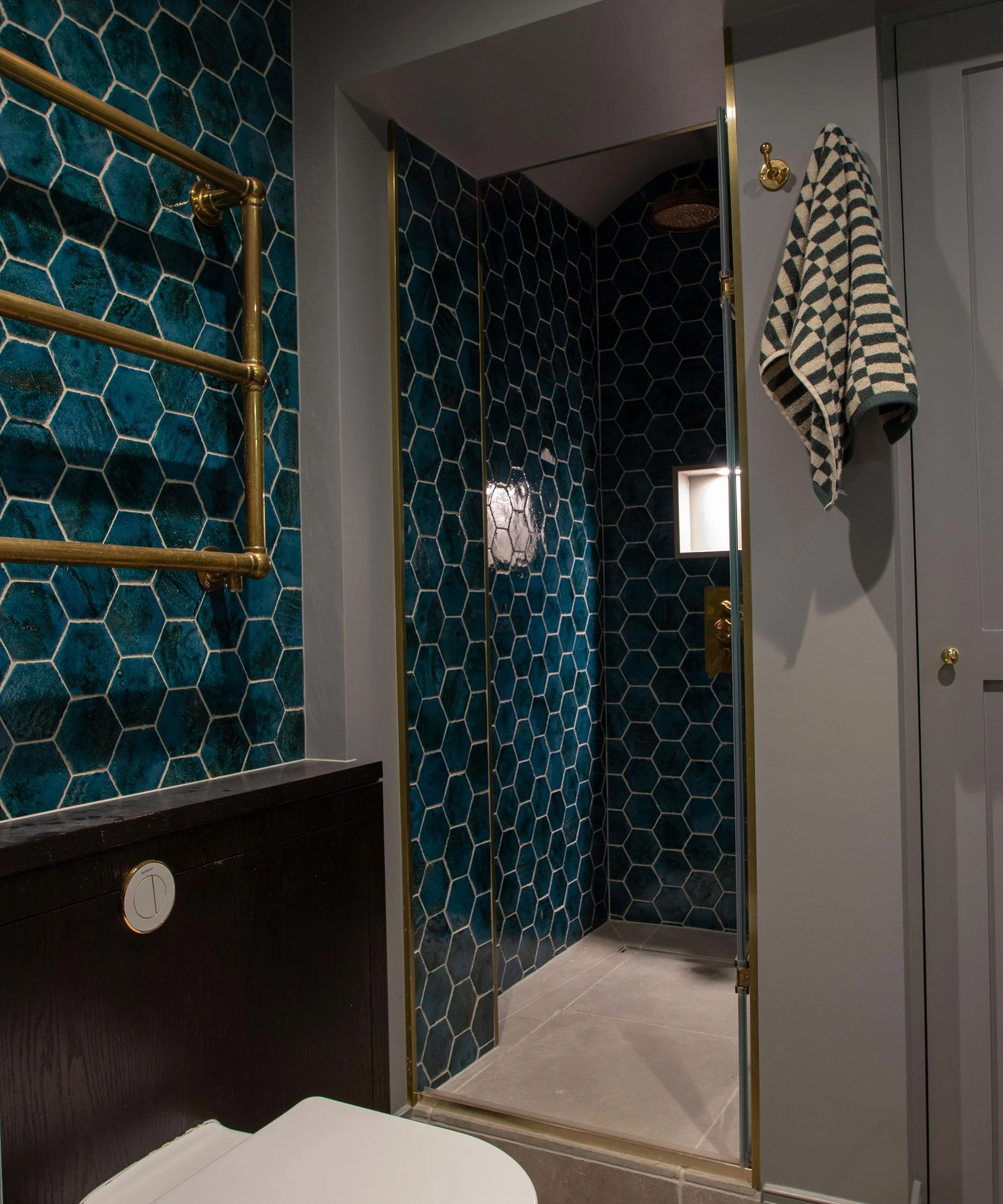
Busy family bathrooms and en-suites are another strong use case. When several people shower at different times, a manually controlled fan can be missed or switched off before the room has dried. Gokce says automatic activation can help limit damp and mould in homes where consistent fan use is hard to rely on. For a new en-suite, choosing this control from the start can make ventilation less dependent on household habits.
Setup and placement affect performance
A sensor that is set too low may keep the fan running more than necessary; one set too high may respond too late. Gokce advises checking the setting after installation and adjusting it if the fan’s behaviour doesn’t match the room’s moisture levels.
Placement matters as well. A sensor directly above a shower may react to a concentrated plume of steam, while one near a radiator may be affected by heat. Gokce recommends positioning the fan so it can respond to the room as a whole, with an electrician choosing an appropriate location.
A reasonable starting threshold is around 65% relative humidity, within a general range of 60% to 70%, according to Gokce. Seasonal adjustment may help: summer air can already be humid, so a slightly higher setting may prevent unnecessary operation. In winter, she suggests a setting near 60% to help remove condensation when windows are closed and heating is on.
Consider noise and energy use
Automatic operation has a trade-off: the fan can start when no one expects it, including at night. That can be disruptive in an en-suite beside a bedroom. Poppy Szkiler, founder and CEO of Quiet Mark, says humidity-controlled fans may be more noticeable because they operate without direct user input. A quiet model, careful placement and good installation can reduce the disturbance.
The Airflow Qt100ht Humidity Extractor is listed at 25dB(A) and includes an adjustable humidistat and run-on timer. Its two-minute start delay is designed to prevent unnecessary activation, a useful feature where night-time noise is a concern.
Energy savings are possible, but they’re unlikely to be the main reason to buy one. Bliben says a humidity-triggered fan can stay off during brief bathroom visits, such as brushing teeth. After a long shower, however, it may run longer than a basic fan that stops when the light goes out. If the sensor is too sensitive, the fan can run continuously, use more electricity and remove heated air from the home.
Match the fan to the room
A humidistat is most valuable where moisture has limited escape routes or fan use is inconsistent. For a well-ventilated bathroom with a window, a timer may offer adequate extraction at a lower price. Where a humidistat is installed, correct threshold and placement are as important as the feature itself.
If condensation persists despite the fan running, check whether the fan suits the duct route. Long or sharply bent ducting can make it harder for a fan to move moist air effectively. The useful takeaway is simple: automatic control can improve consistency, but it works best when the fan, sensor settings and ducting all suit the bathroom.


Discussion
Sign in to join the discussion.