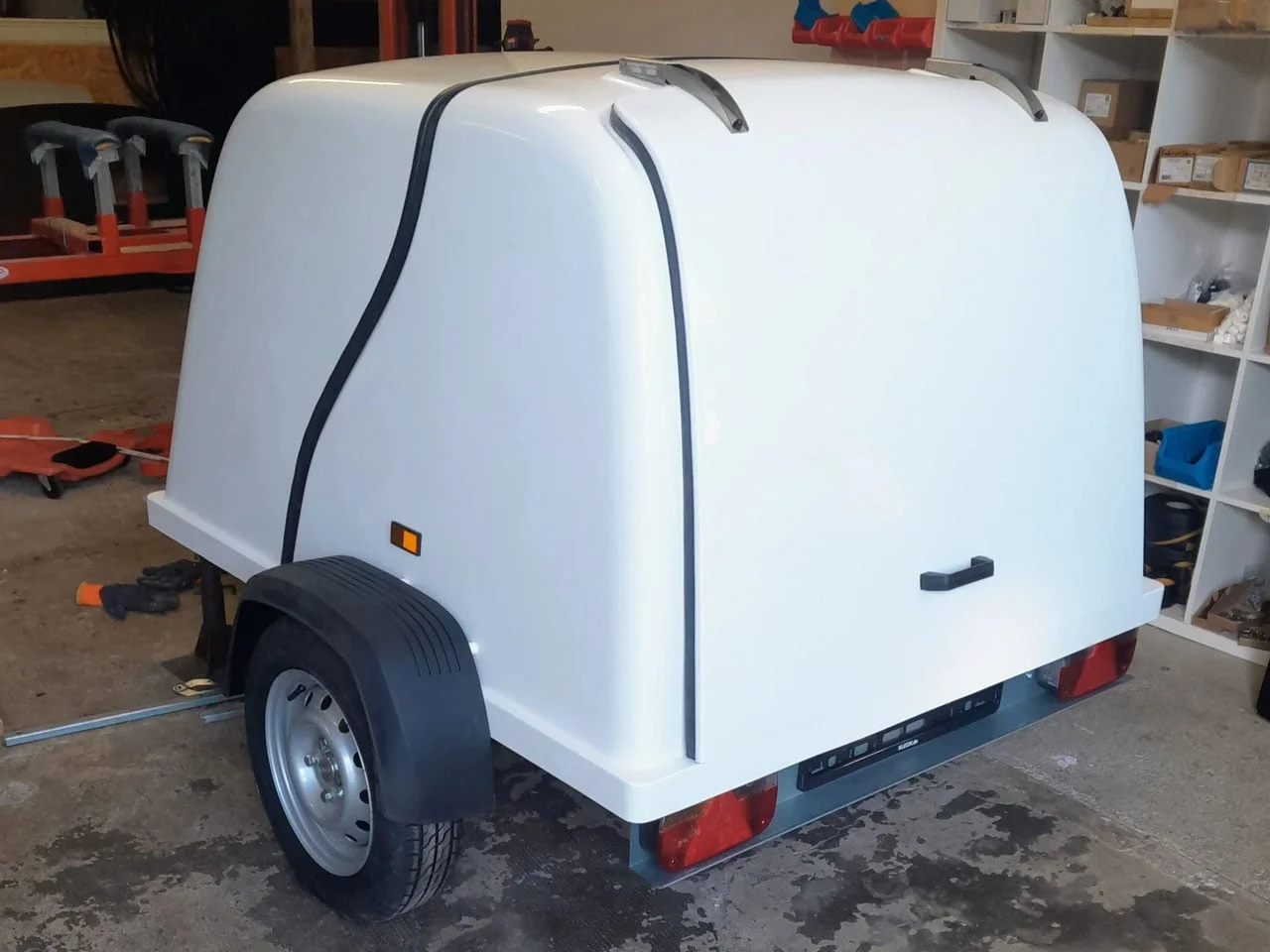
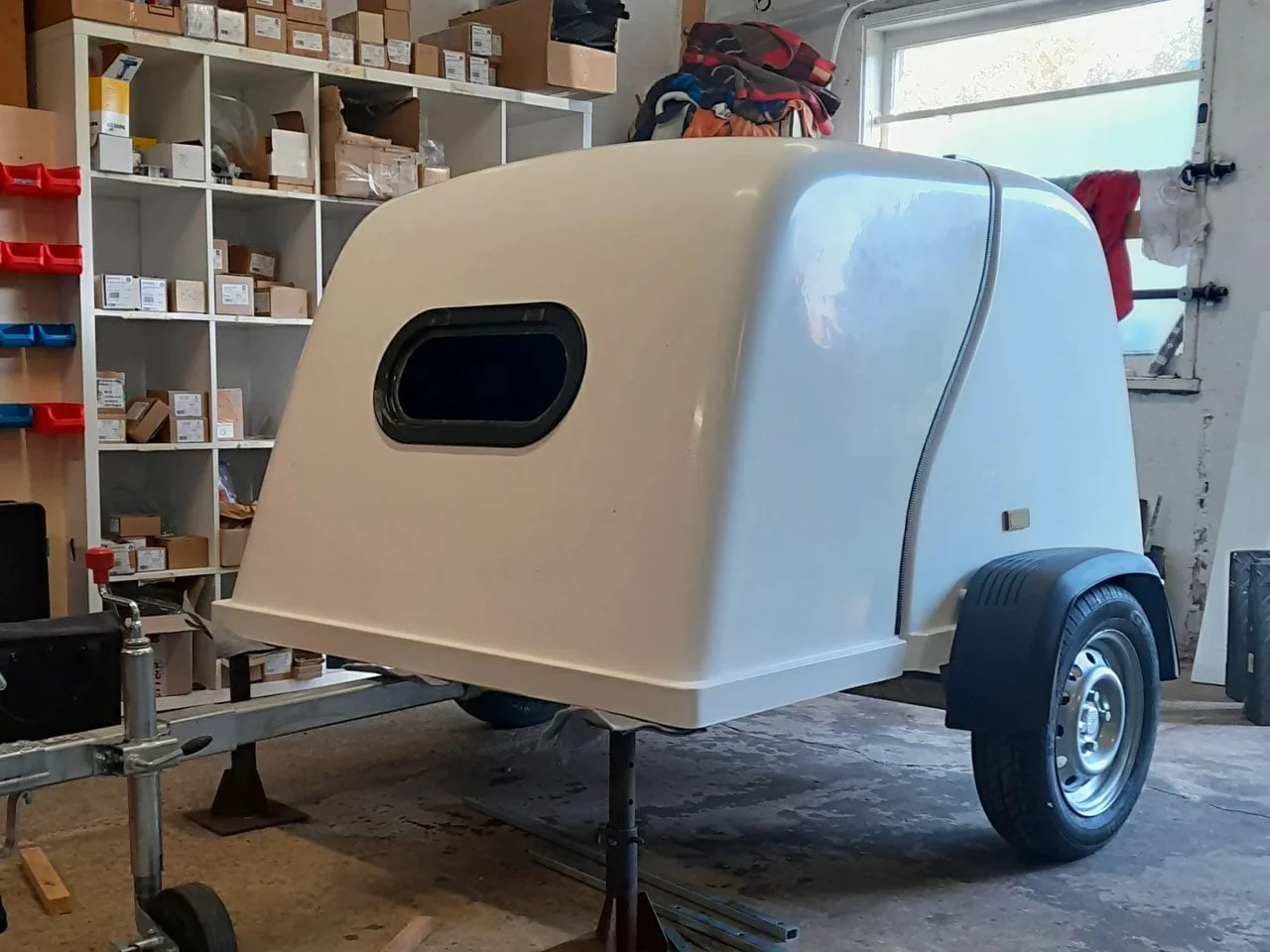
Kleox’s compact fiberglass trailer extends at camp to sleep two, while its closed form stays under 10 feet for towing.
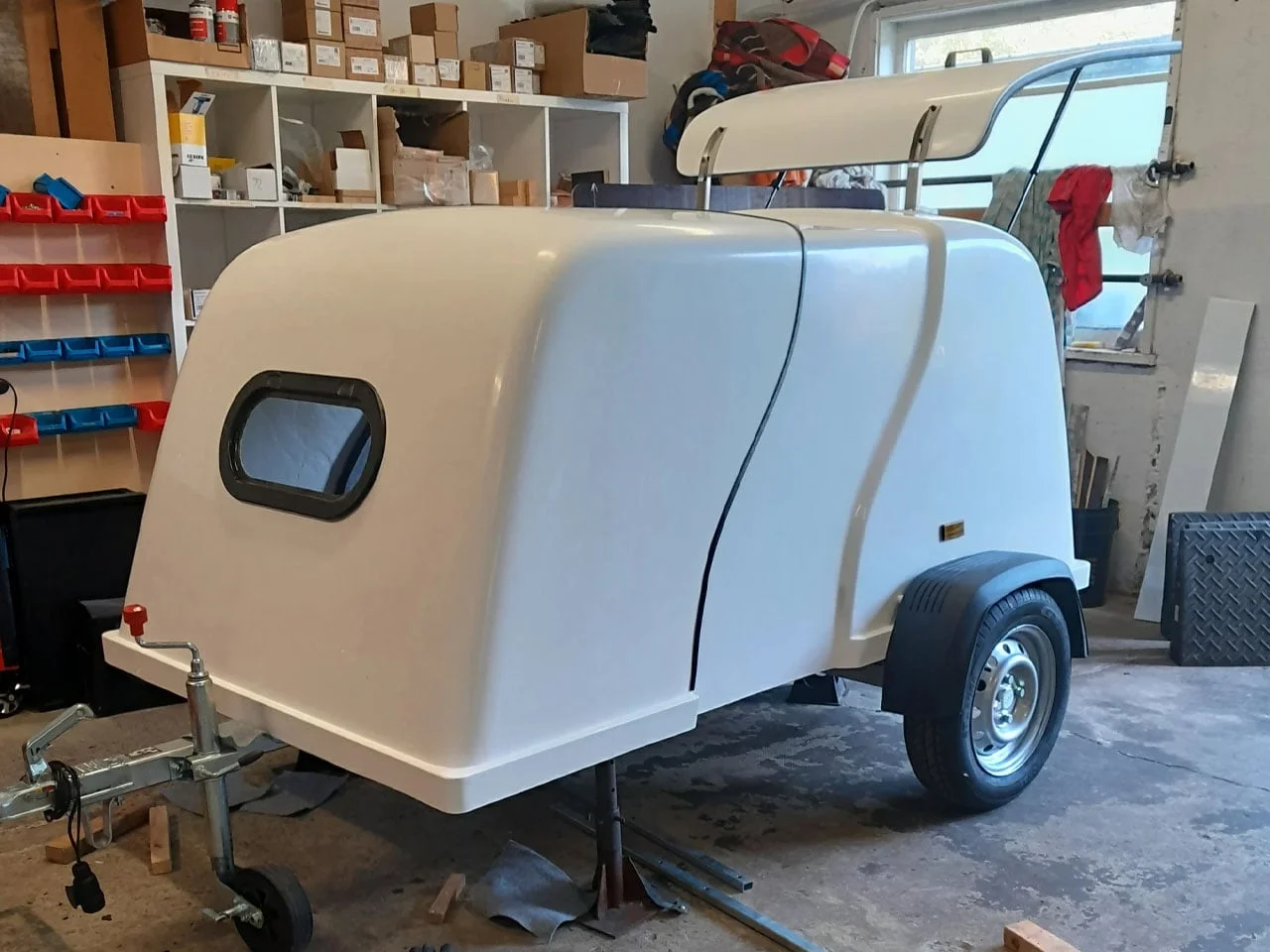
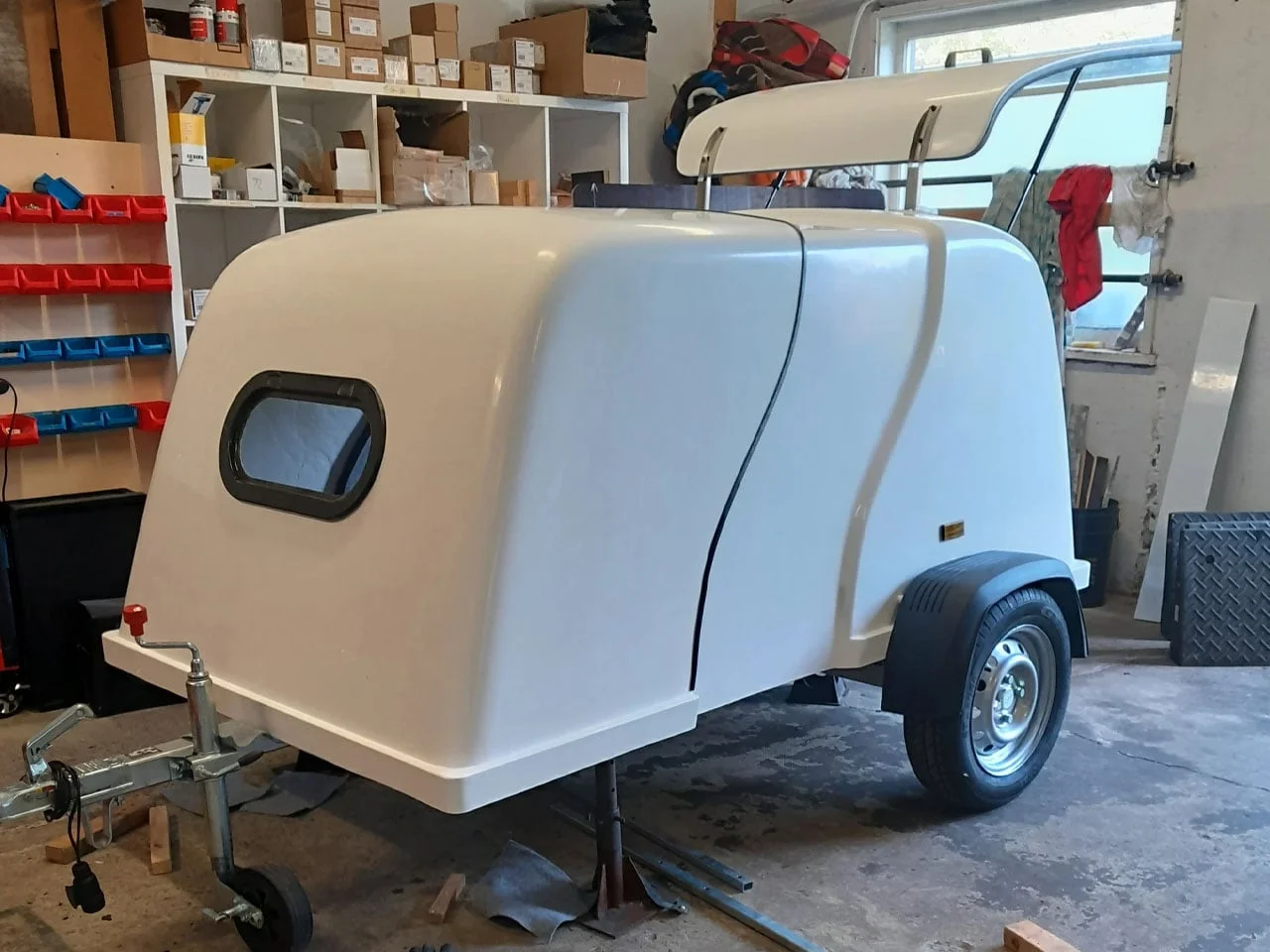
The Kleox Move is built around a useful tradeoff: keep the trailer compact on the road, then extend it into a sleeping space for two at camp. Its telescoping body gives the small teardrop a role between a luggage hauler and a basic tent, though key details about weight and setup remain unconfirmed. That gap matters because a compact outline only tells part of the story; buyers also need to know what the trailer weighs, how it opens and how much space it provides once parked.
Kleox already makes the Shelter Basic, Festival and Shelter Travel models. The Move adds a two-shell layout that contracts to less than 10 feet (3 meters) for towing. At the campsite, the shells slide apart to create room for two adults. The company hasn’t said whether the extension uses a motor or requires manual effort. That distinction could shape the trailer’s appeal as much as its dimensions: a simple manual setup may mean fewer systems to manage, while an assisted mechanism could make expansion easier but add parts and complexity. For now, neither interpretation is confirmed.
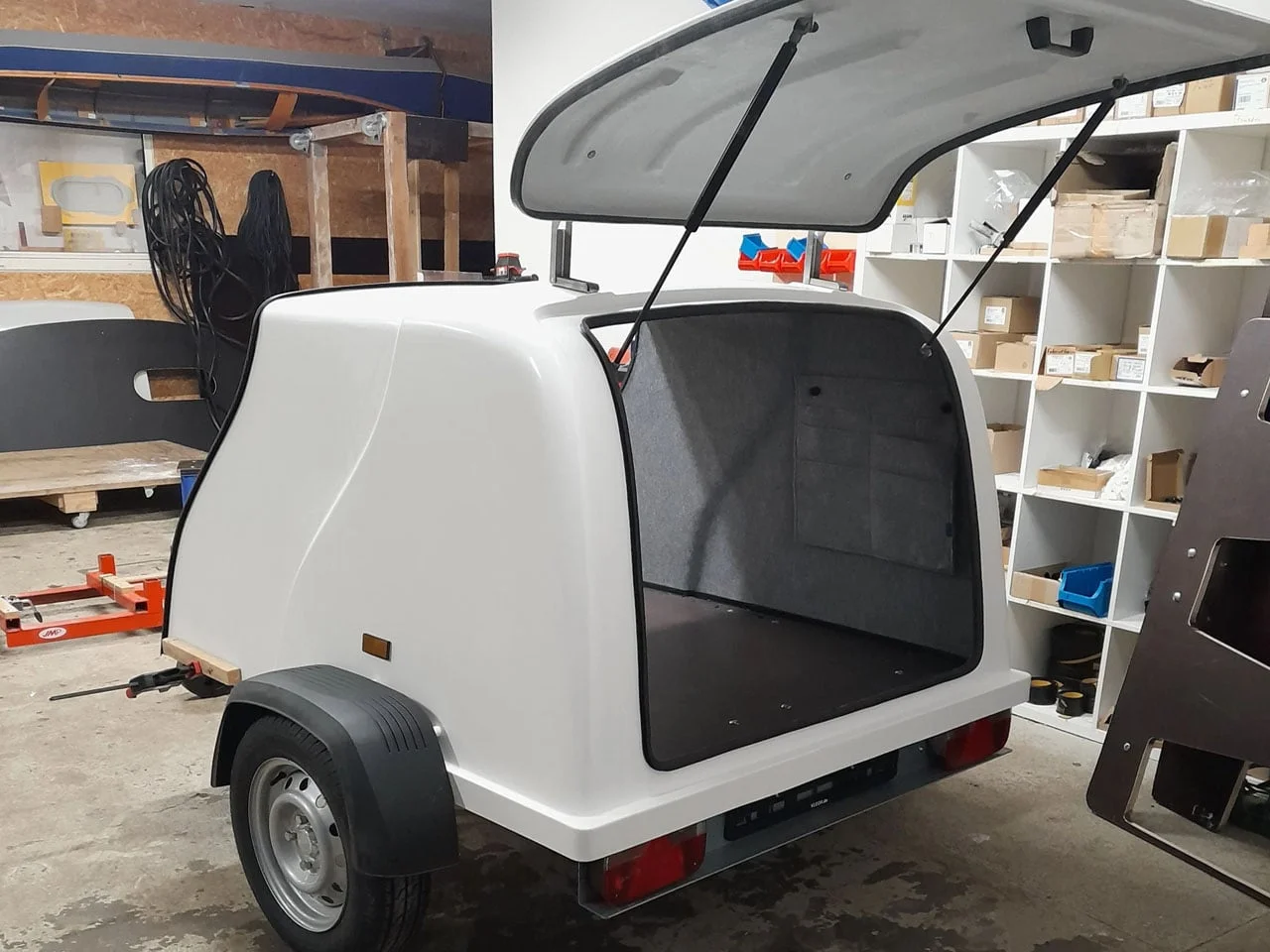
A compact shell with a larger job at camp
Fiberglass construction should help keep the Move light, which could broaden the range of vehicles able to tow it, including smaller electric cars. Kleox hasn’t published a weight. Based on the dimensions and the company’s earlier trailers, an estimate below 500 pounds (227 kilograms) seems plausible, but it remains an estimate rather than a confirmed specification. A verified figure will be more useful than an inference: towing suitability depends on the vehicle, its rated capacity and the loaded trailer, not on the body material alone.
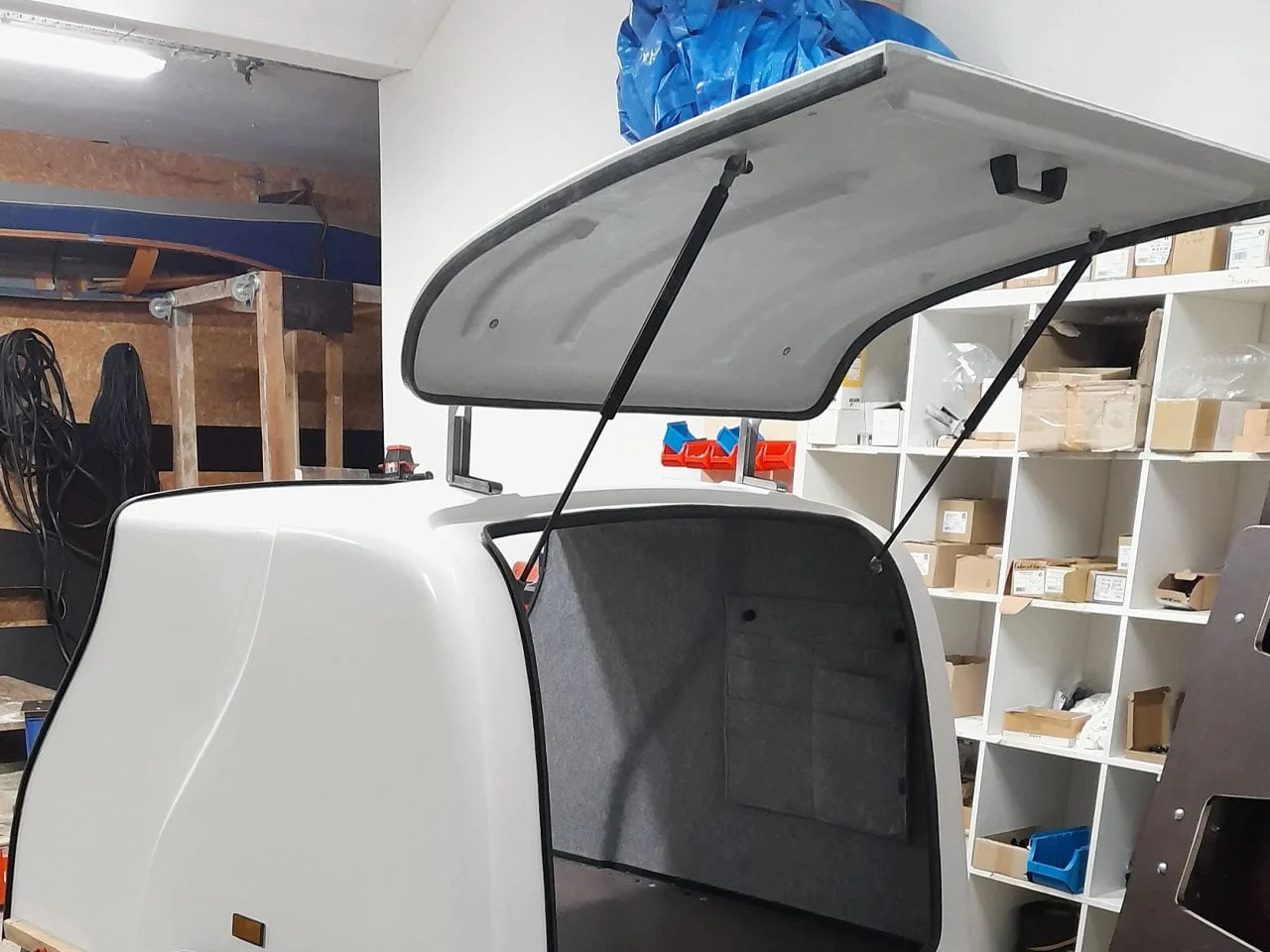
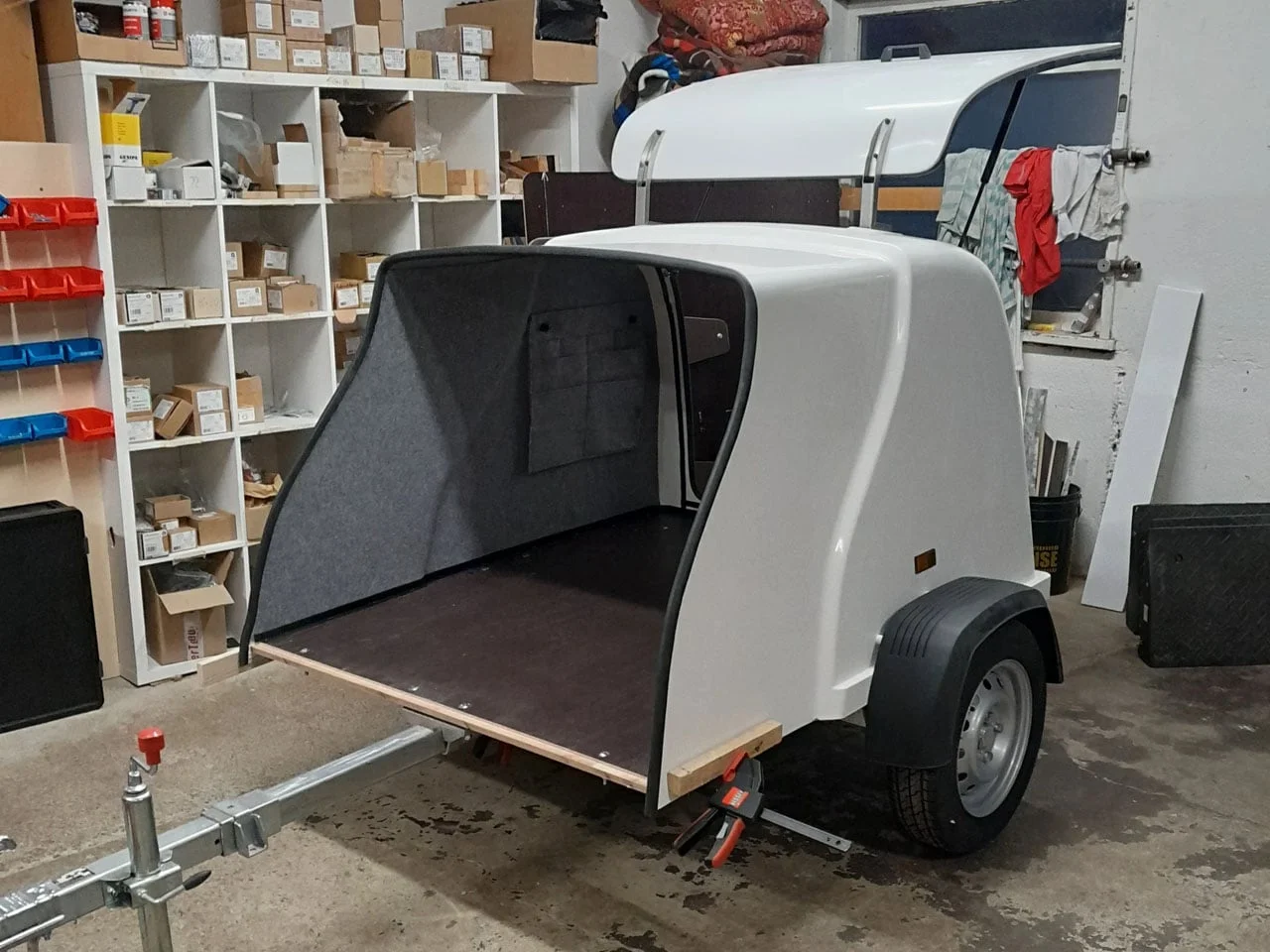
The layout appears to make use of the area above the tow bar as a bedroom when parked. That arrangement lets the trailer carry luggage while underway, then convert its footprint into sleeping space at camp. For couples or solo travelers who want a covered bed without towing a full-size camper, the idea is straightforward; the details of comfort, access and weather protection still aren’t available. The concept also raises practical questions: how the bed is reached, where gear goes after the shells extend, and whether the sleeping area stays usable in poor weather. Those answers will determine whether this is a genuine alternative to pitching a tent or simply a more protected way to sleep.
This is more significant than it looks. Small trailers often ask buyers to choose between a narrow towing profile and enough room to sleep comfortably; the Move’s sliding shells are meant to soften that compromise. But a clever layout has to work repeatedly in real campsites, where uneven ground, limited space and tired travelers can expose awkward setup steps. The photos and outline establish the basic idea, not how gracefully it handles those conditions.
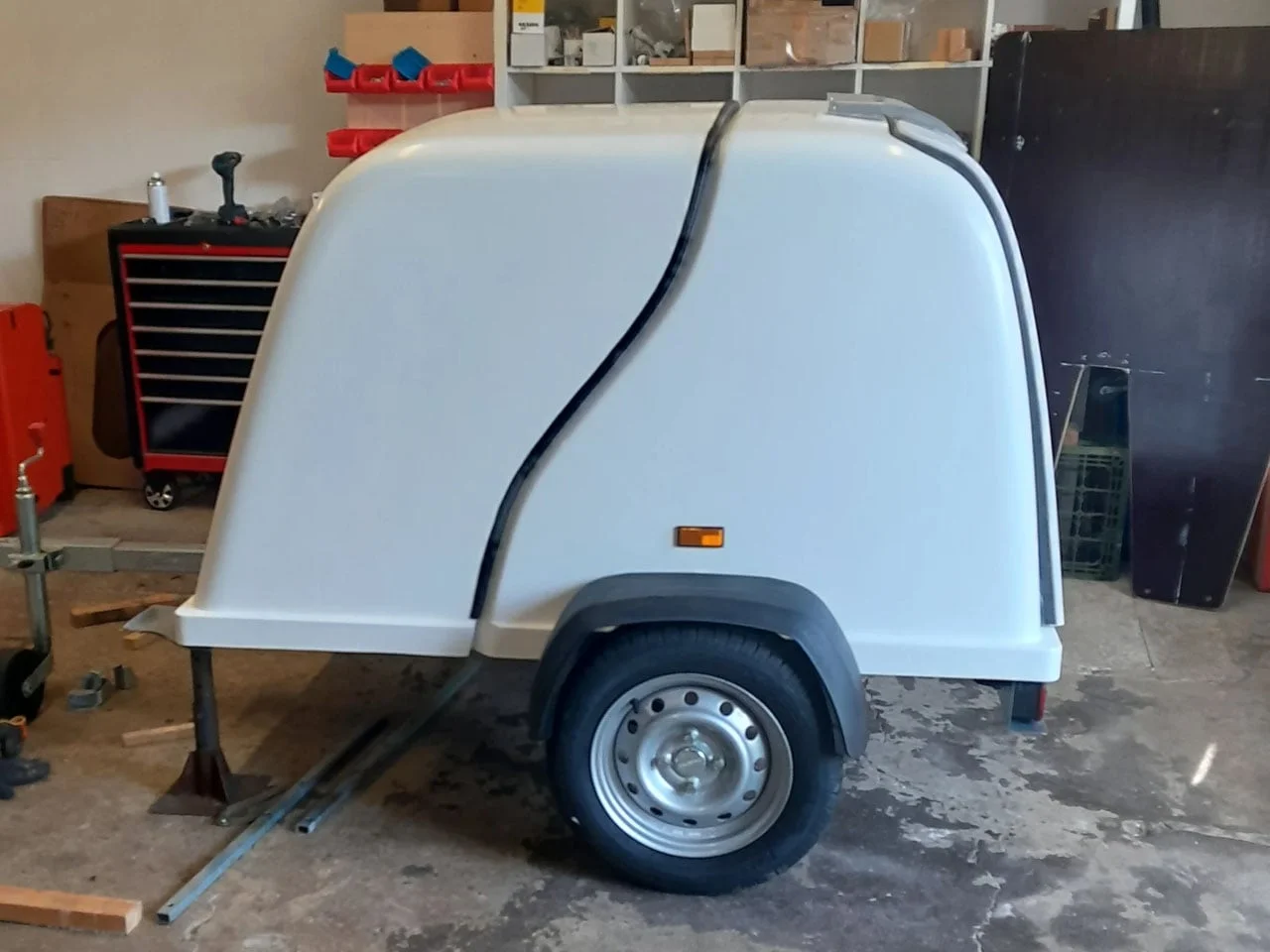
What remains to be proven
The Move’s appeal will depend on whether its expansion mechanism and interior prove as practical as the compact outline suggests. Until Kleox shares the operating method, finished dimensions and verified weight, the trailer is best understood as a promising space-saving concept for weekend trips. The company’s existing Shelter models provide context for its small-trailer range, but they don’t fill in the Move’s missing specifications or confirm how this new structure performs.
And this is the part most people overlook: a trailer can be light and compact, yet still be inconvenient if it takes too long to open or leaves little room for belongings once the bed is in place. Weather sealing, ventilation and the durability of moving sections will also matter in a design with two shells that slide apart. Kleox hasn’t provided those details, so any judgment on long-term practicality would be premature.
If you're working out whether a trailer like this fits your trips, the useful questions are concrete: can your vehicle tow it with your gear aboard, can you deploy it without help, and does the expanded interior suit the way you sleep? The first question needs a confirmed loaded weight; the others need a clear demonstration and finished measurements. Until then, the Move remains an intriguing proposition with important blanks.
Promising idea. Unproven execution.

Discussion
Sign in to join the discussion.