The $49 Side A speaker pairs cassette nostalgia with Bluetooth and microSD playback, making it a small gift with room for a personal playlist.
A gift with a built-in story
The Side A Cassette Speaker makes its strongest case as a gift that carries a little thought with it. At $49, it costs more than a generic stocking filler, but its cassette-shaped design gives a music playlist a physical companion. A friend who shares songs may appreciate that more than another ordinary Bluetooth speaker, especially if the gift comes with a mix selected for them.
That distinction matters because small speakers are easy to compare on practical grounds: size, playback options, and where they’ll sit. The Side A adds a personal angle to that familiar category. It’s an object that can prompt a conversation before anyone presses play, though the design has to earn its place after that first reveal.
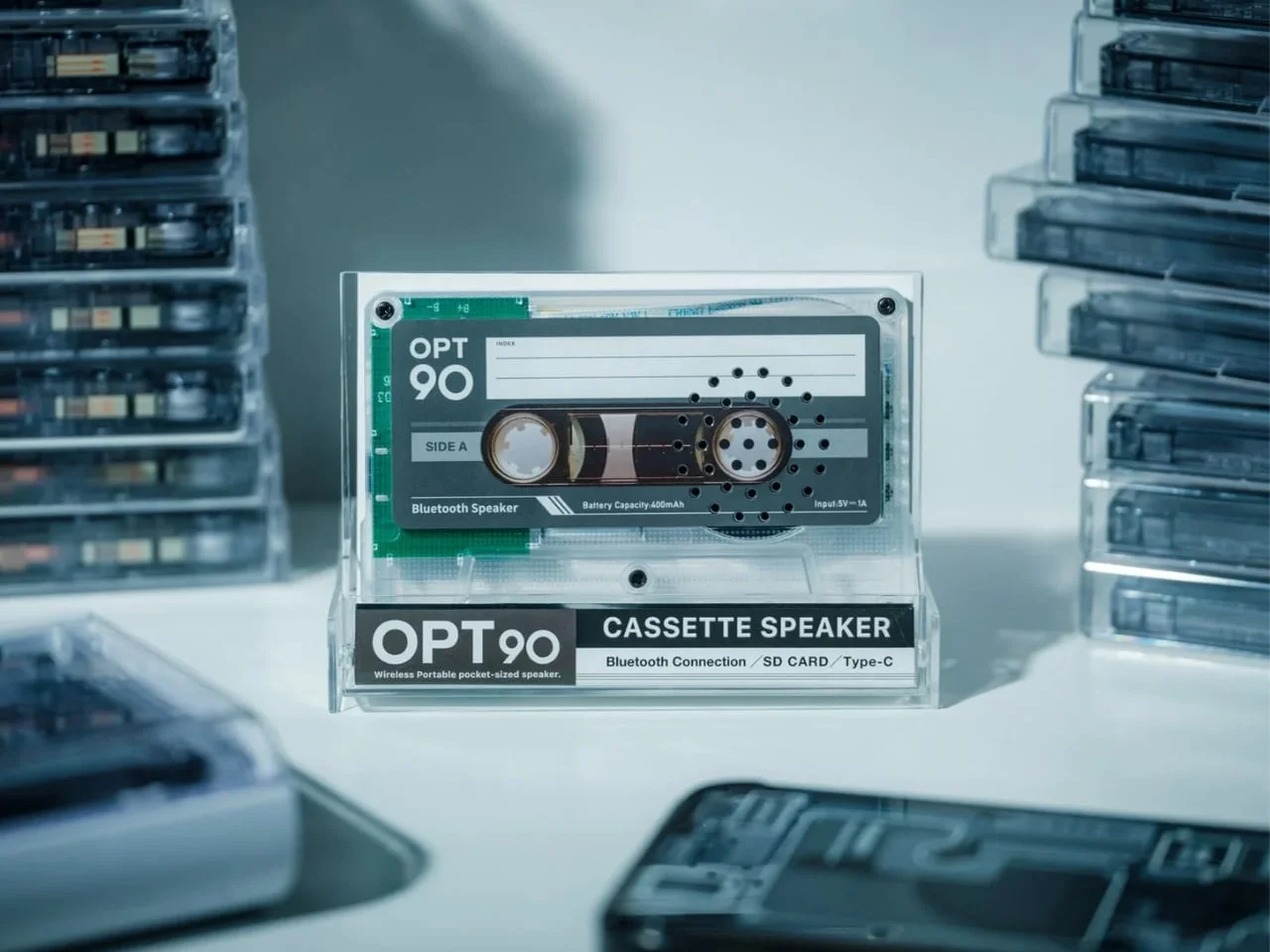
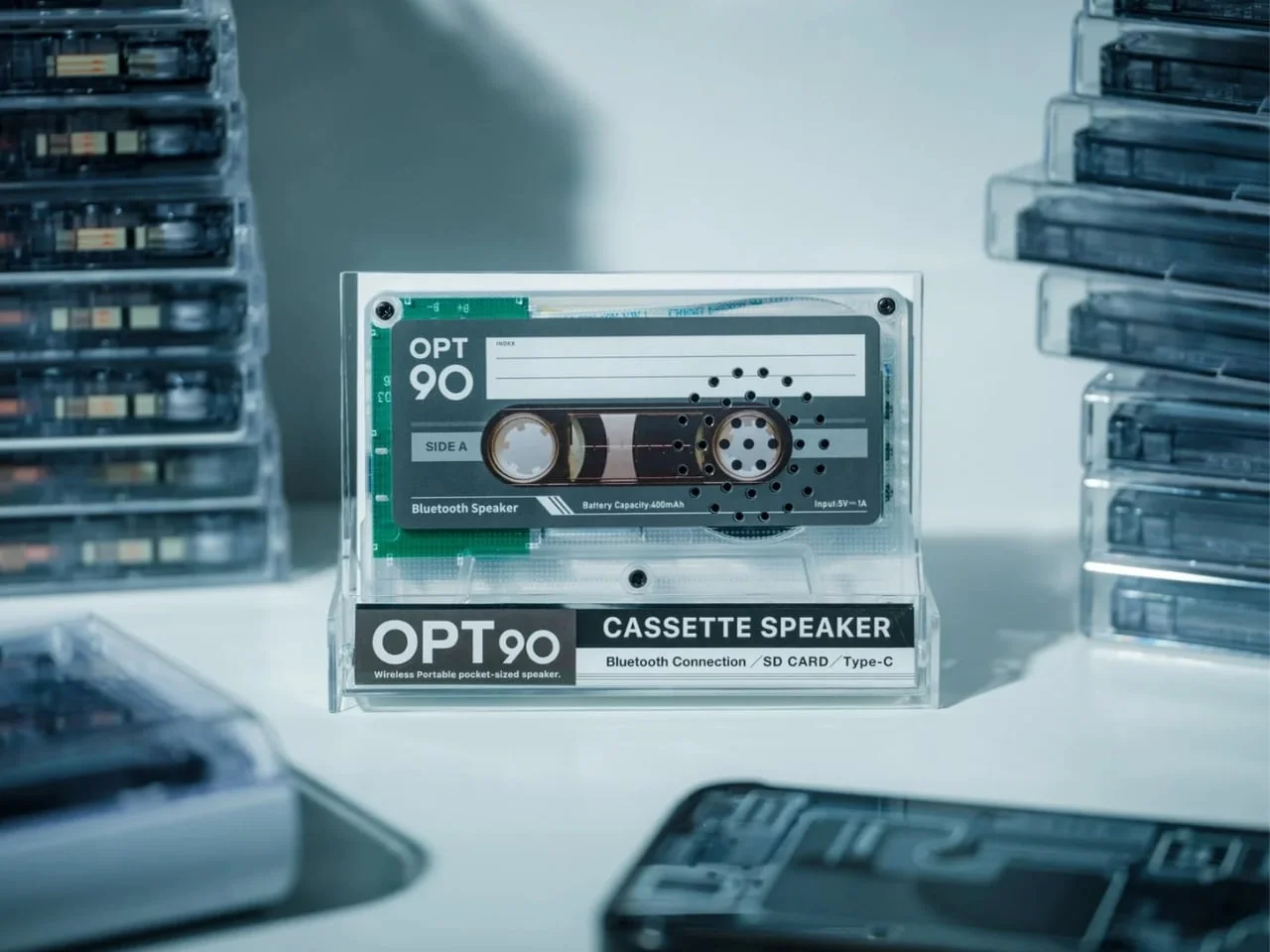
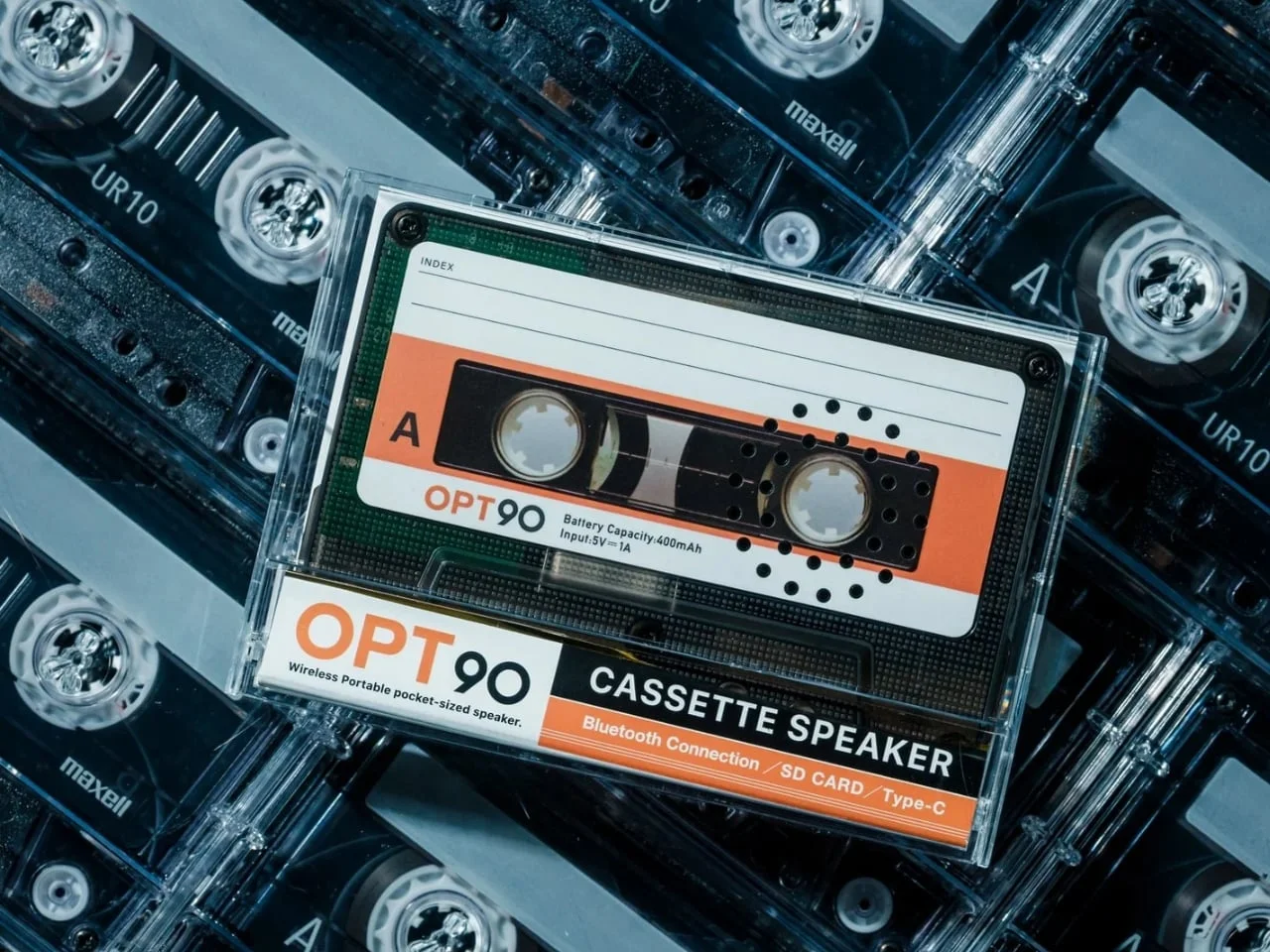
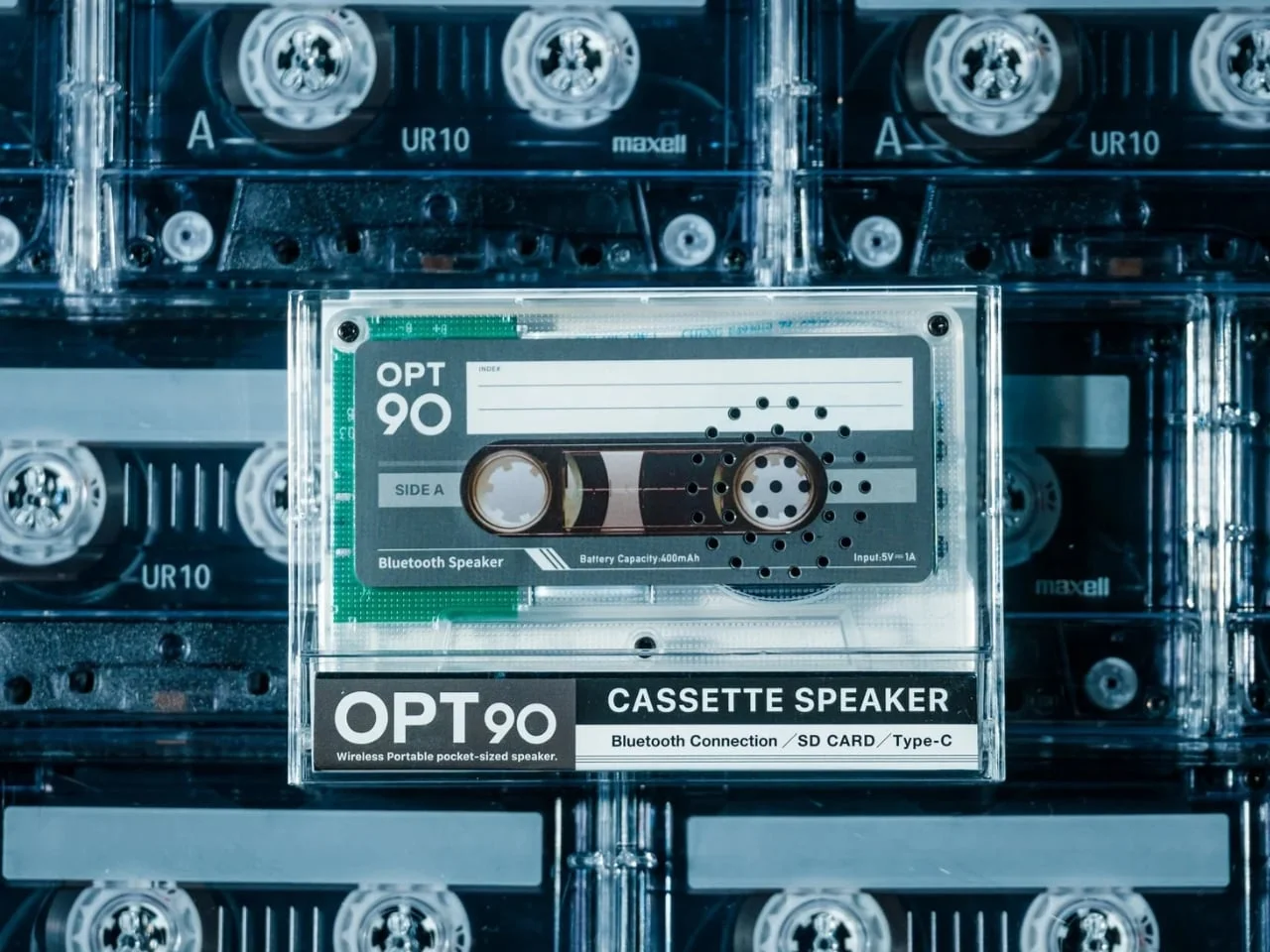
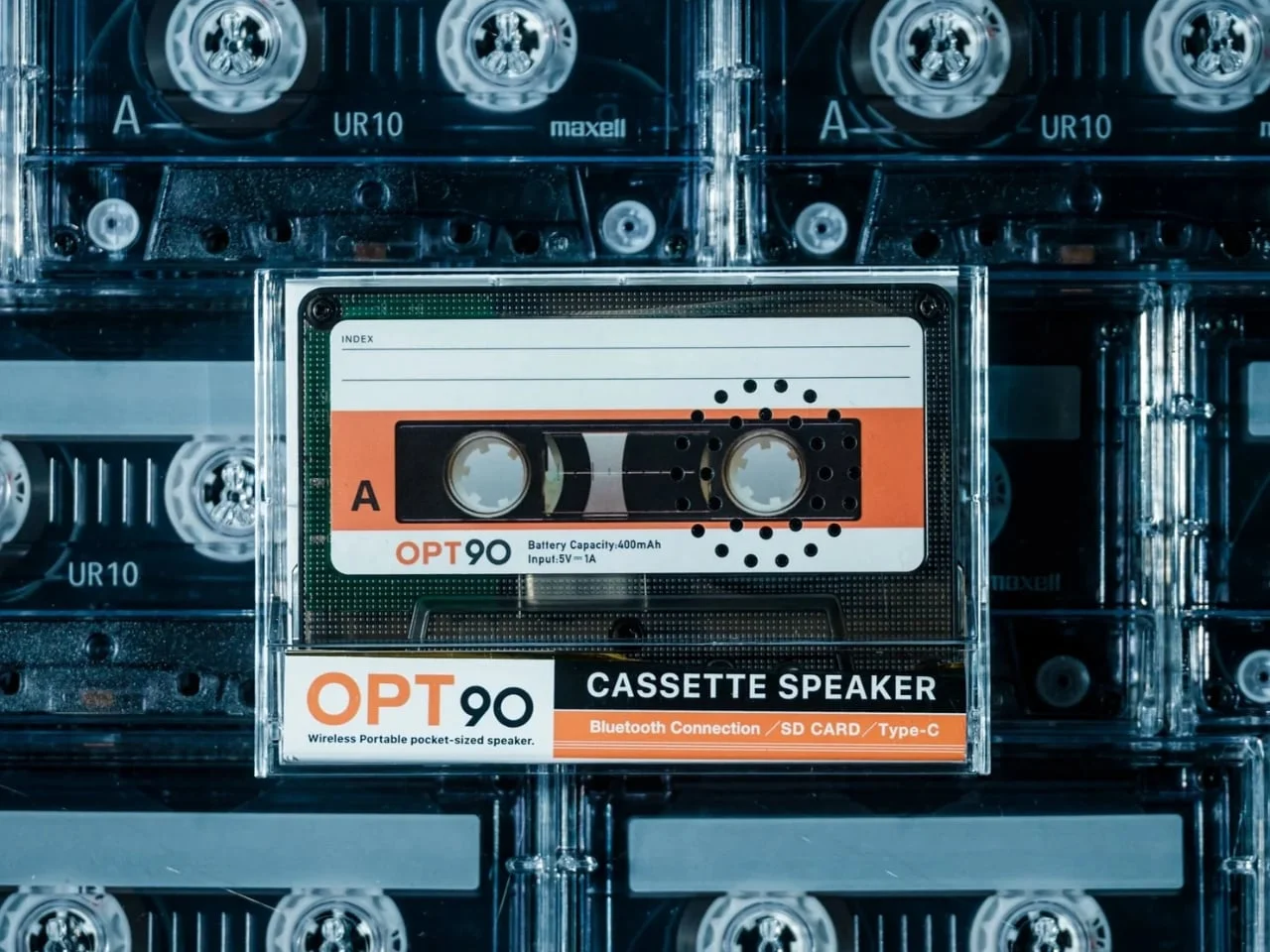
Sold through the Yanko Design Shop, the compact speaker has a clear plastic shell, faux tape reels, and a Side A label. A ring of small holes around one reel serves as the speaker grille, tucked into the design where it takes a moment to spot. The clear case opens to prop the unit upright, so it can sit on a desk or bookshelf with the label facing forward.
A playlist gives the design a purpose
The speaker doesn’t play cassette tapes. Its appeal comes from pairing the retro shape with current playback options: connect a phone over Bluetooth, or load MP3 files onto a microSD card to play music without a phone. The latter makes the playlist part of the gift, though a small card is easier to misplace than a cassette, and the device’s old-format styling shouldn’t be mistaken for old-format compatibility.
That gap between appearance and function is central to the product. The shell calls to mind a portable music format built around physical mixes, while playback depends on a phone or digital files. It’s a deliberate piece of nostalgia rather than a working cassette player, which makes it more appealing to someone drawn to the look than to anyone hoping to revisit a tape collection.
That combination suggests a better presentation than simply wrapping the device. Build a short mix around a song the recipient introduced you to, a track tied to a shared memory, and something new they might enjoy. Five or six selections are enough to make the gesture feel considered. A handwritten track list can add a note about the song choice that needs explaining, while keeping the focus on the exchange rather than on the speaker’s specifications.
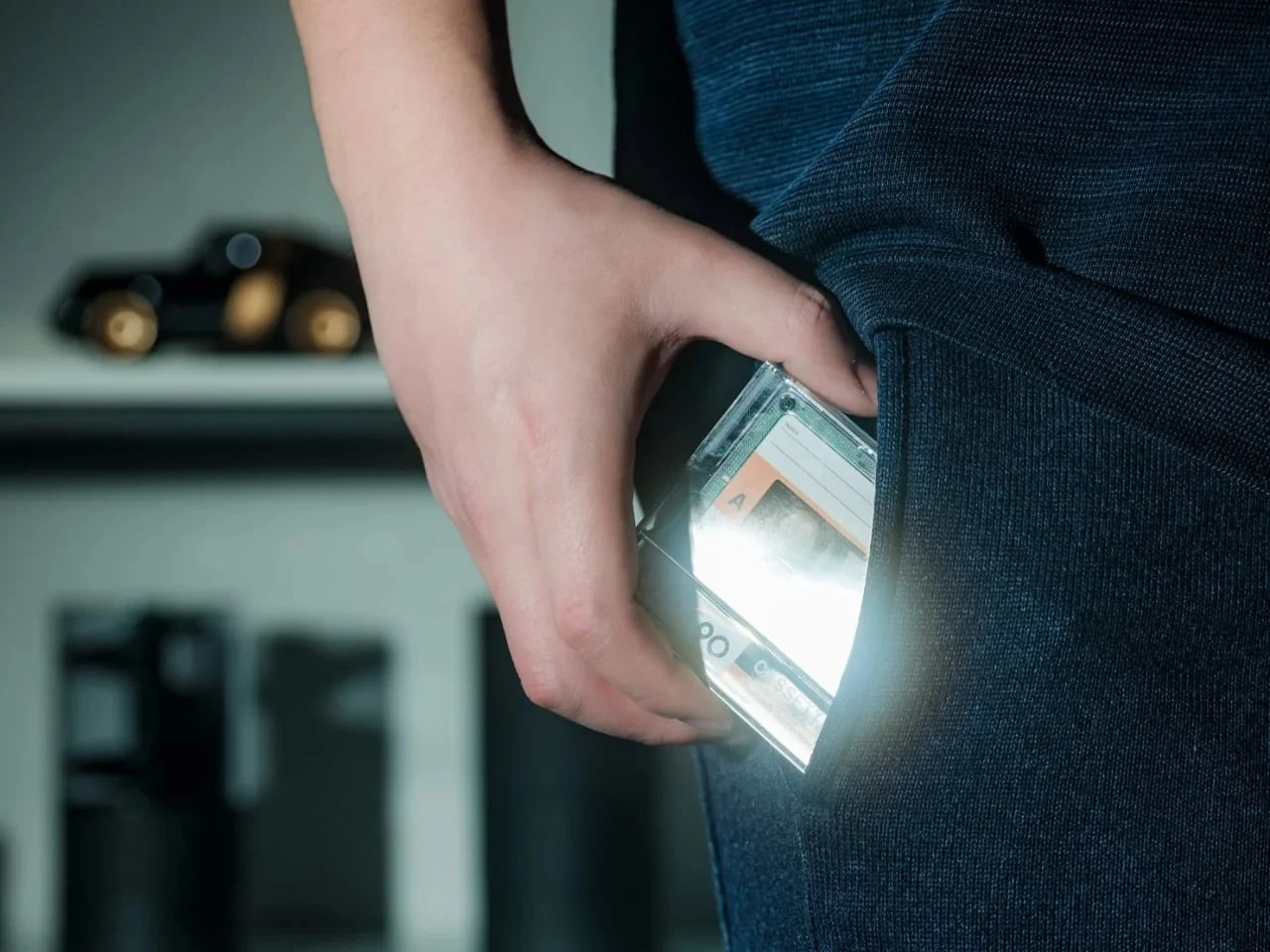
There are two straightforward ways to share that mix. Put the playlist link or track list in the wrapping and start the first song from a phone when the speaker is opened. Or, if you have the tracks as MP3 files, copy them to a microSD card so they can play directly from the speaker. The phone route is simpler if the recipient already keeps music there; a card makes the gift feel more self-contained, but asks you to prepare the files in advance.
Small, distinctive, and limited in scope
At just over four inches across in its case, the Side A is sized for a desk or bedside table. It’s a better fit for keeping music on while working than for filling a room at a party. Anyone shopping specifically for a way to play thrifted tapes should look elsewhere; the cassette is a visual reference, not a working format. That’s a clear limit, and one worth understanding before buying it for someone whose interest in cassettes is practical rather than aesthetic.
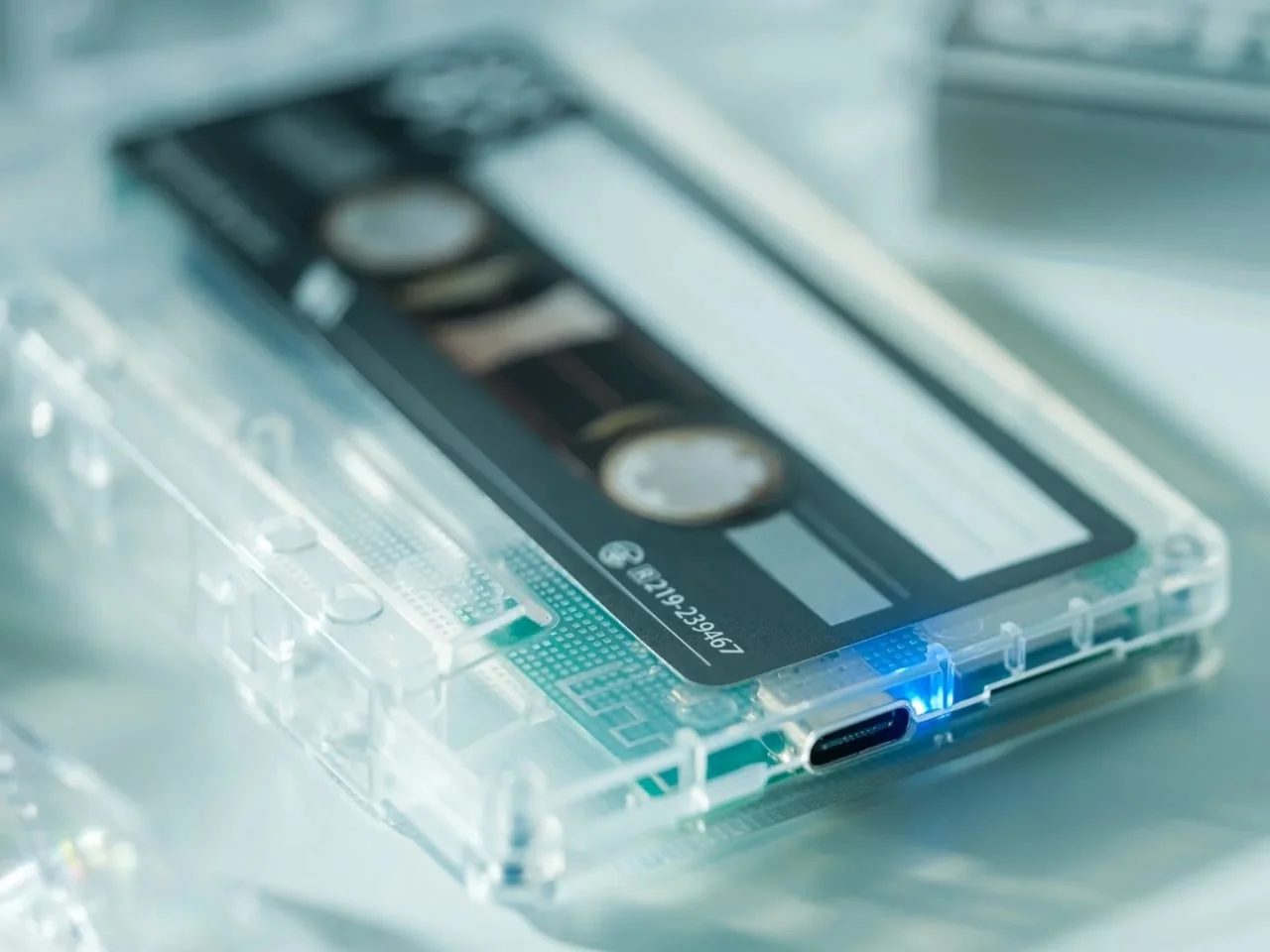
The speaker is listed for $49 before shipping and tax. Its value as a present rests less on any stated audio performance than on the reveal: a recipient sees something that looks like a tape, then discovers it’s a Bluetooth speaker. That bit of surprise, paired with a playlist chosen for them, gives the object a role beyond playing background music. Still, buyers have little basis here for judging sound quality, so the case for the price is chiefly its design and the thought put into the accompanying mix.
This is more significant than it looks for a gift built around music sharing: the speaker provides a prompt, while the playlist does the personal work. A decorative object can feel thin once the novelty fades, but a carefully chosen set of songs gives the recipient a reason to return to it. And this is the part most people overlook: the best element may be the conversation the mix starts, not the hardware it plays through.
What the gift can carry forward
Write “Side A” on the track list and leave the other side blank. The open space is an invitation to keep trading songs—and the part of the gift that can outlast the speaker’s novelty. If you’re giving it to someone who enjoys discovering music through friends, that blank side turns a one-way present into an easy reason to send something back.
That said, the idea works only if the recipient wants a small desktop speaker and enjoys the cassette reference. The Side A isn’t presented as an audio upgrade or a substitute for a full-sized listening setup. It’s a modest piece of design with a useful function, and its appeal depends on whether the personal gesture matters more than technical performance.
A fragment, but a fitting one: A mix with room for a reply.
Discussion
Sign in to join the discussion.