Seasonal changes can cause doors and windows to stick, potentially indicating subsidence or moisture issues that require prompt attention.
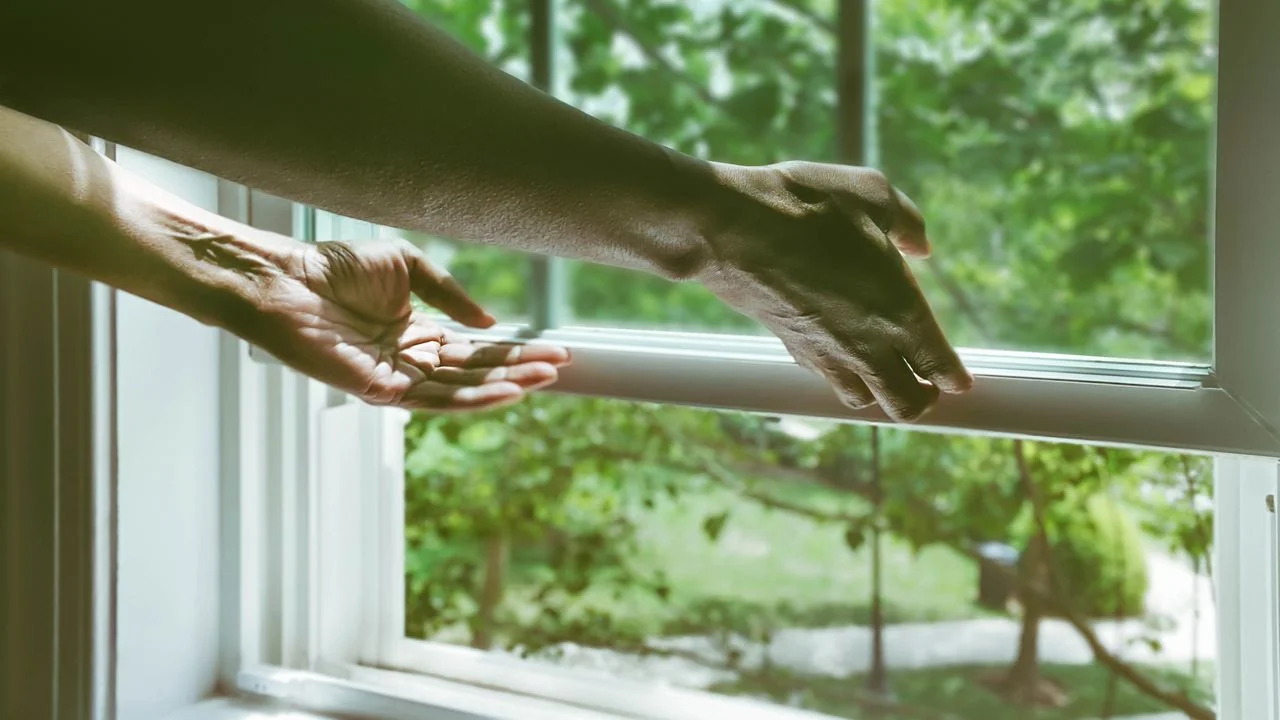
Every change of season triggers a familiar set of frustrations in my home—damp spots appear, condensation starts forming, and annoyingly, doors and windows refuse to budge easily. It feels as though the house is caught off-guard by the shifting weather, leading to these unexpected nuisances.
The sticking of doors and windows might seem random, but it actually warrants attention, especially given our home's lackluster draft-proofing. When the living room door doesn't close fully, I can feel that brisk draft from the hallway sneaking in, and it’s less than pleasant.
If seasonal changes have wreaked havoc on your doors and windows as well, it might be time to consult expert advice about potential issues and solutions.
1. Subsidence Issues
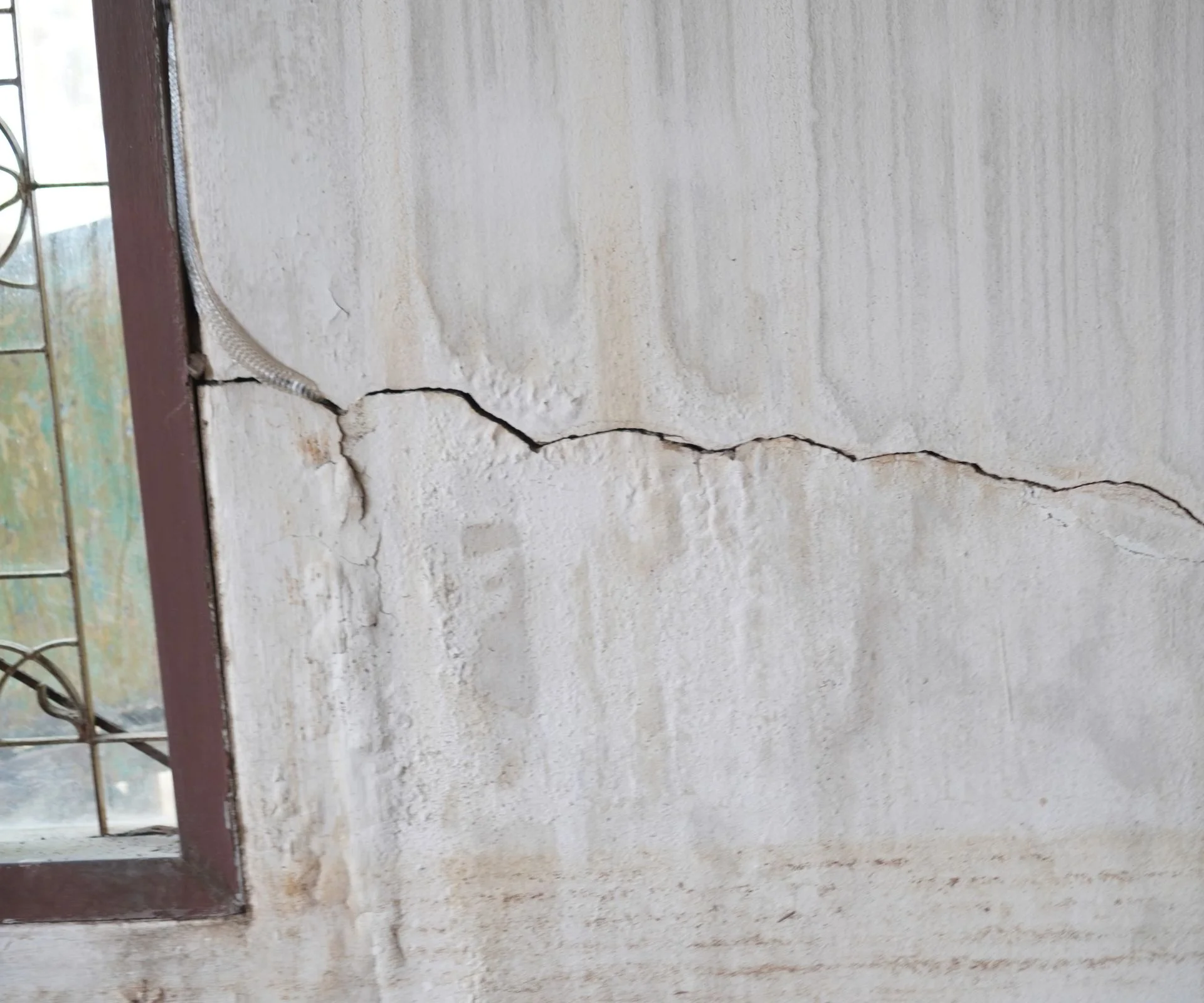
When doors and windows start sticking, it's often more than just a minor inconvenience; it can be a sign of subsidence, a significant problem that could indicate structural movement in your home.
Craig Dean, a director at ground engineering firm Geobear, highlights that this is frequently the first red flag that homeowners notice. "It's essential not to brush off windows and doors that are hard to operate. It's often an early indicator that your home is shifting," he explains. “Particularly if this issue coincides with newly developed cracks or uneven floors.”
Commonly, the movement in the ground beneath can lead to these issues. Craig points to soils like shrinkable clay, which lose moisture during dry spells and expand with rain, causing stress on the foundations. This inconsistent settling can misalign door and window frames.
However, if the sticking appears isolated without signs of structural damage, a qualified joiner could determine if adjustments to the frame or hinges are required, offering a less dramatic fix.
Addressing and Preventing Problems
For proactive homeowners, Craig offers some preventative strategies: “Stay ahead of potential subsidence by maintaining your gutters, ensuring drainage systems are functioning well, and monitoring any changes to your home’s structure.” Consistent moisture levels around foundations can limit fluctuations during dry spells, but be careful to adhere to water restrictions.
If a window or door sticks, resist the urge to force it open. Instead, investigate any associated structural issues and keep an eye on cracks, documenting any changes over time. If you see escalating problems, consulting with a professional can help mitigate further damage.
2. Humidity and Moisture
Issues with fluctuating moisture and humidity levels are often culprit behind both dampness and difficulty in operating doors and windows.
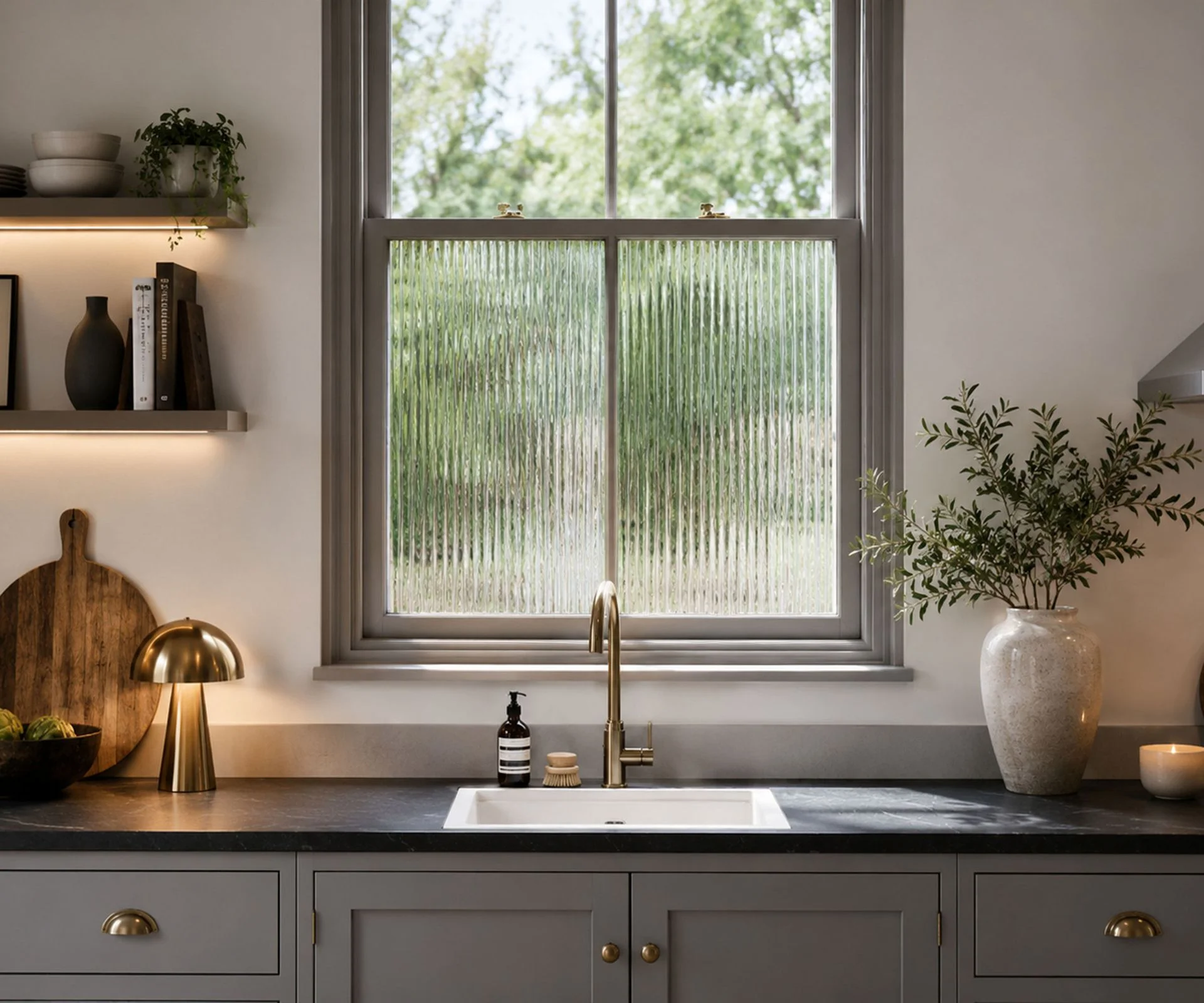
According to Joe Buckley, founder of Heritage Joinery, moisture build-up isn't always easily spotted. "It’s usually a slow process rather than an event that triggers the problem. Poorly sealed windows and doors allow moisture in, which can cause wooden frames to swell, leading to sticking."
David Turner, head of product at Leader Doors, adds that wooden doors are particularly susceptible. "In humid conditions, wood absorbs moisture, leading to swelling which decreases the gap between the door and the frame. This is particularly common in areas like kitchens and bathrooms, where the air tends to be more saturated with moisture.”
Solutions and Prevention
Preventing such issues is quite manageable. "Control moisture levels, especially in high-humidity areas," advises David. "Effective ventilation is critical, and ensure timber is properly sealed." If wood has swelled due to moisture, tackle the root cause of dampness and allow time for the material to dry out—often it will return to its original shape.
If the door still sticks after drying, careful sanding or planing of the troublesome area can achieve a better fit. Just ensure to check frequently during this process to avoid removing too much material.
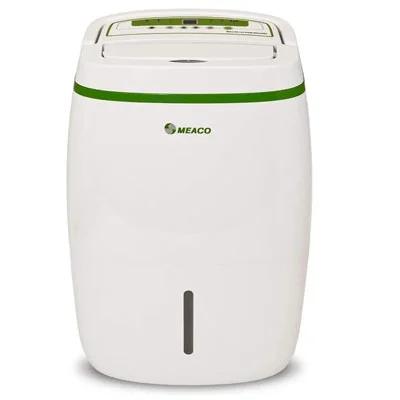
Consider investing in one of the best dehumidifiers to help manage moisture effectively, remembering to follow best practices for usage around moisture-prone areas.
Shop dehumidifiers
 3-in-1 design
Ideal for controlling humidity, this model also offers laundry drying functions and features an air purifier.
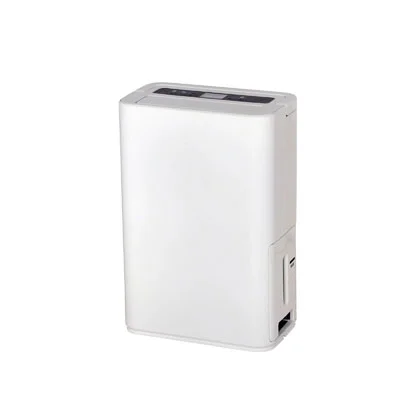 Compact design
This well-priced model garners high praise for its user-friendliness and effectiveness at drying laundry—essential to combat moisture problems.
 Smart features
Control this unit via the Duux app, making it great for larger spaces with its laundry mode and self-cleaning feature.
3. Temperature Shifts
The UK’s unpredictable weather introduces substantial temperature swings, which can create a myriad of headaches for homeowners, including difficulties with doors internal doors and windows alike.
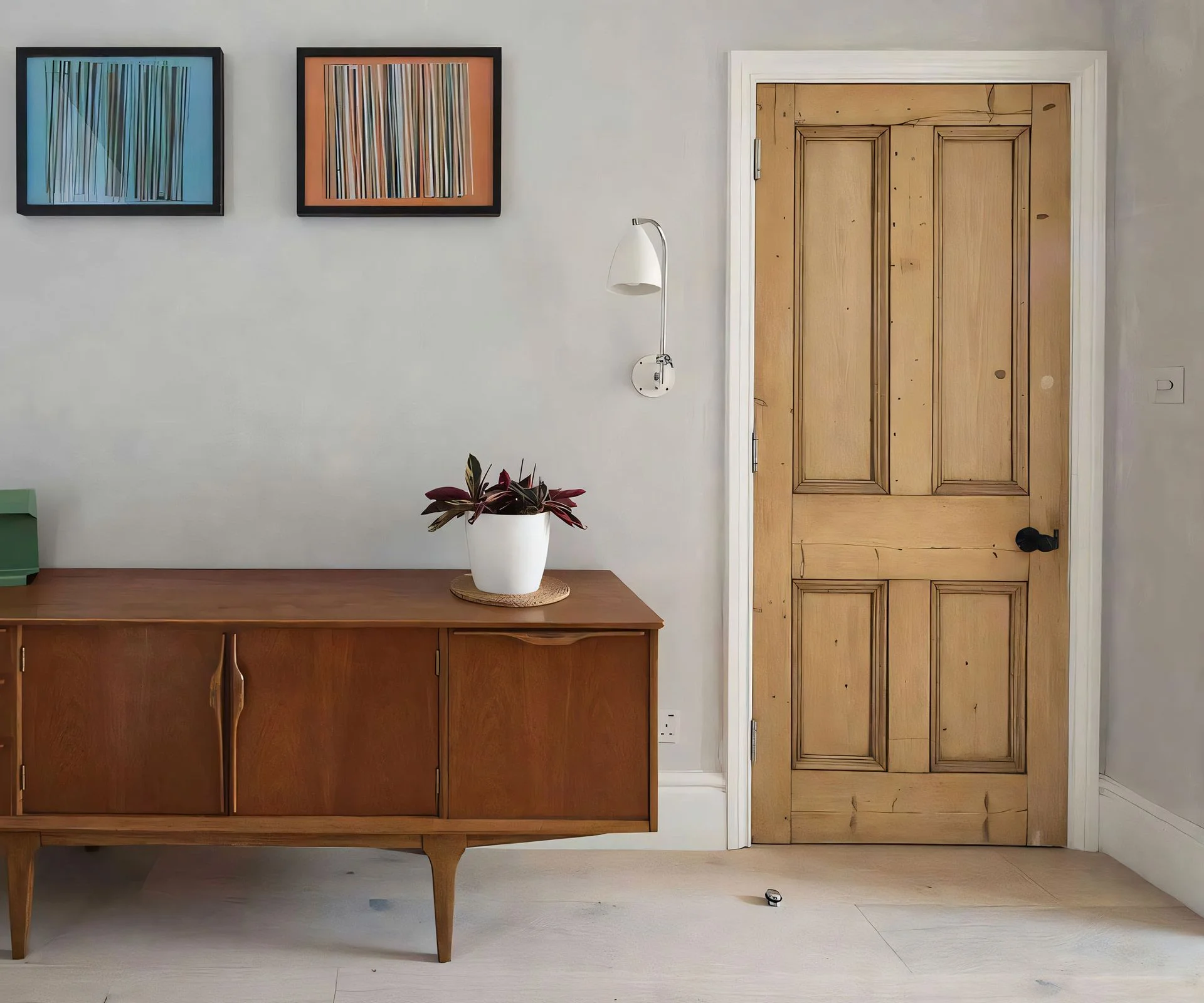
“A sudden summer heatwave can affect how well doors fit in their frames,” shares David Turner. “Even doors that normally operate smoothly might stick as wood reacts to temperature changes.”
Managing Temperature Variations
It's best to maintain a consistent temperature rather than addressing issues as they arise. Ensuring good ventilation makes a difference, and during warmer months, look for ways to cool indoor spaces without air conditioning.
Joe Buckley warns against any attempts to force doors if they swell due to warmth: “Applying excessive pressure can damage hinges, locks, and the door frame.”
4. Loose Hinges and Fixings
Sometimes, the sticking isn’t about the doors and windows themselves; the problem may lie with the hardware that keeps them functioning correctly.
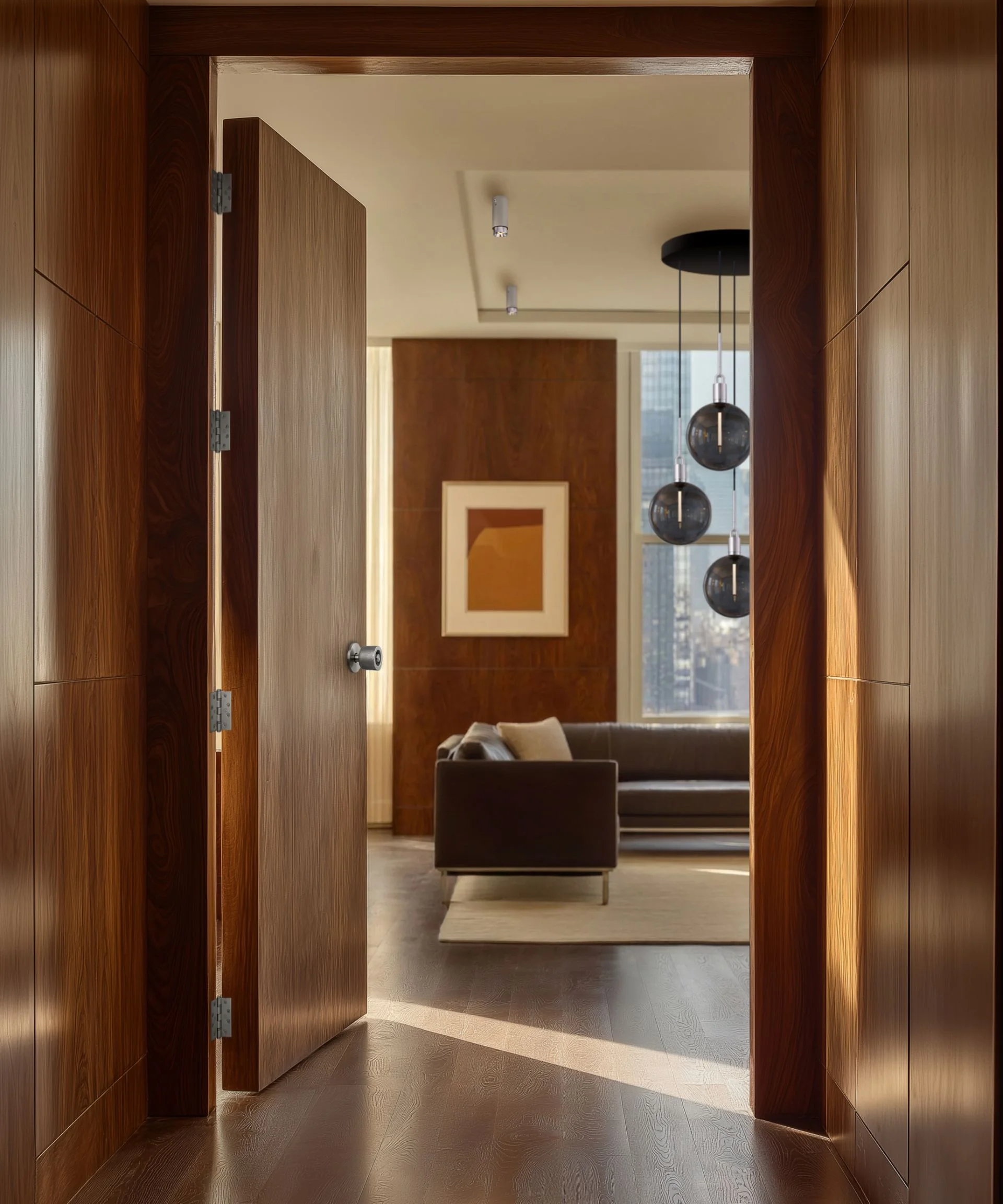
"When hinge screws come loose, it can lower a door’s alignment,” explains David. “Heavier doors exert more pressure on their hinges, so if screws or fixings are worn or loose, this can lead to sagging.”
Preventative Steps
“Monitor your hinges and fixings regularly,” suggests David. “If any screws start to loosen, tighten them before the door drops. Occasionally lubricating hinges also keeps functionality smooth.”
5. Age, Wear, and Tear
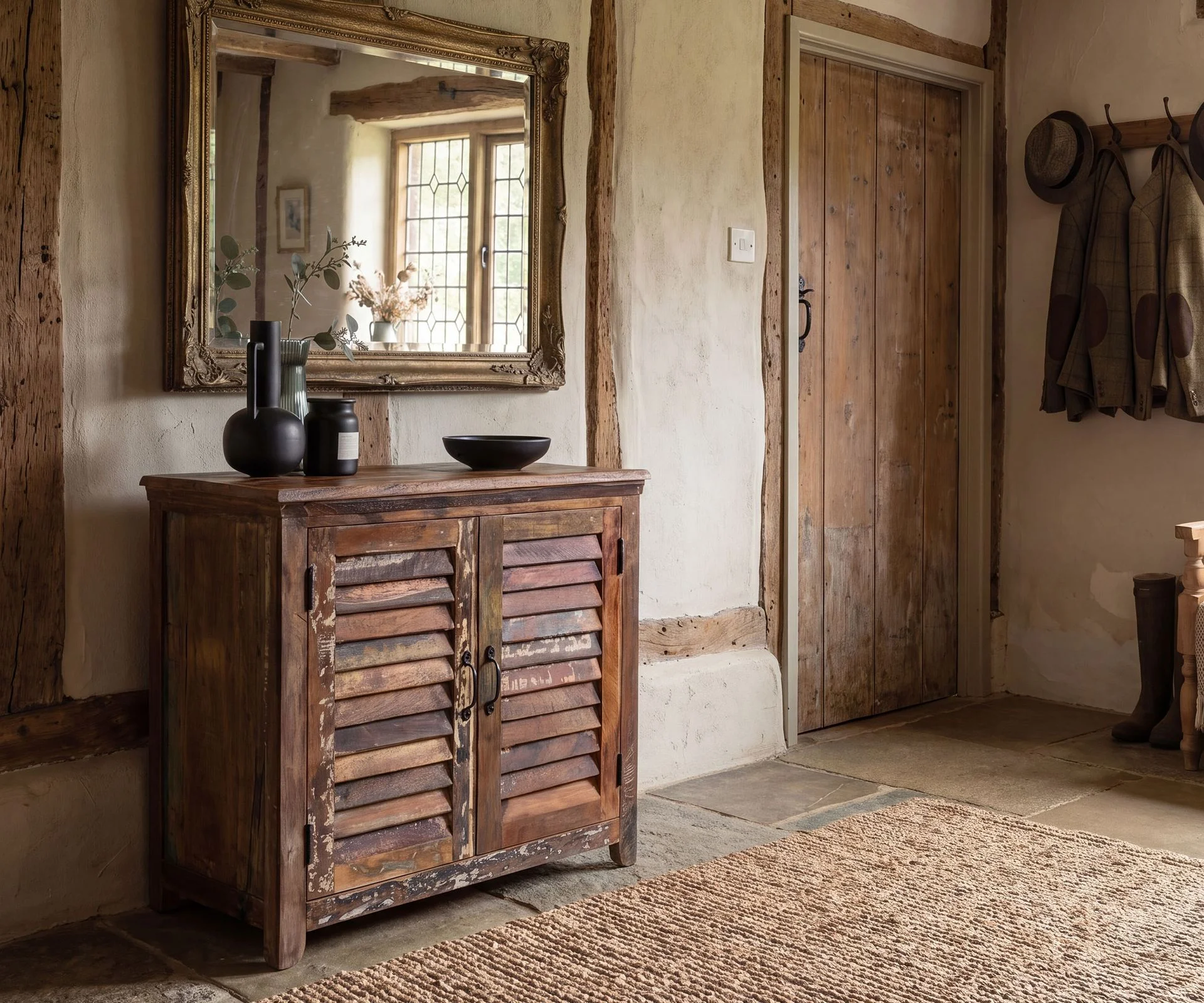
In older homes, it’s not unusual for original doors to exhibit signs of wear due to years of use. This wear can affect their operation.
Joe Buckley comments, “Older doors and windows typically can struggle due to worn hinges and seals over time. The materials themselves aren't always at fault—the primary issue is inadequate insulation or poor adjustments, which can lead to sticking.”
As the fixings loosen, misalignment occurs, making it harder for older doors to operate smoothly.
Maintenance for Longevity
To prevent aging from causing too many issues, routine maintenance on windows and doors is necessary, especially with timber constructions.
“Proper sealing of timber is key to moisture protection,” says Joe. “If you notice any sticking or alignment problems, tackle those early. They won’t resolve themselves.”
FAQs
What causes doors and windows to stick?
Having trouble pinpointing why your windows or doors won’t operate smoothly? David Turner shares where to start. "Examine where the door catches—if it sticks near the hinges, it might need a screw tightened. If it drags at the bottom, check the floor level; when it sticks at the top or sides, that might point to frame movement,” he explains.
"Also, check your hinges,” continues David. “If a hinge is loose, just tightening it may do the trick. But if problems persist despite checking, the door frame might be to blame. In that case, it’s wise to consult a professional before making any modifications."
Joe Buckley adds another layer of insight. “Keep an eye on whether the issue is localized to one door or multiple openings. Several sticking doors could indicate a larger issue, such as movement or dampness in your structure.”
Are some doors and windows more susceptible to sticking?
The material and style of your doors and windows significantly affect their likelihood of sticking over time.
“Timber doors are usually more vulnerable to movement because they are influenced by moisture and humidity,” David highlights. “That doesn’t mean other materials can’t have issues, but timber is more prone to expansion and warping.”
“Both Joe Buckley and David Turner agree that larger, heavier doors are also at a greater risk of dropping due to their weight, further complicating matters.”
Now might be an opportune moment for you to start preparing your home for winter. Simple measures could be the key to ensuring your home withstands whatever the weather may bring. If you've noticed windows that stick instead of gaps, follow our guide to proper draught-proofing.

Discussion
Sign in to join the discussion.