Many young homeowners are turning to DIY for boiler repairs, risking costly damage and safety hazards. Experts emphasize the need for professional help.
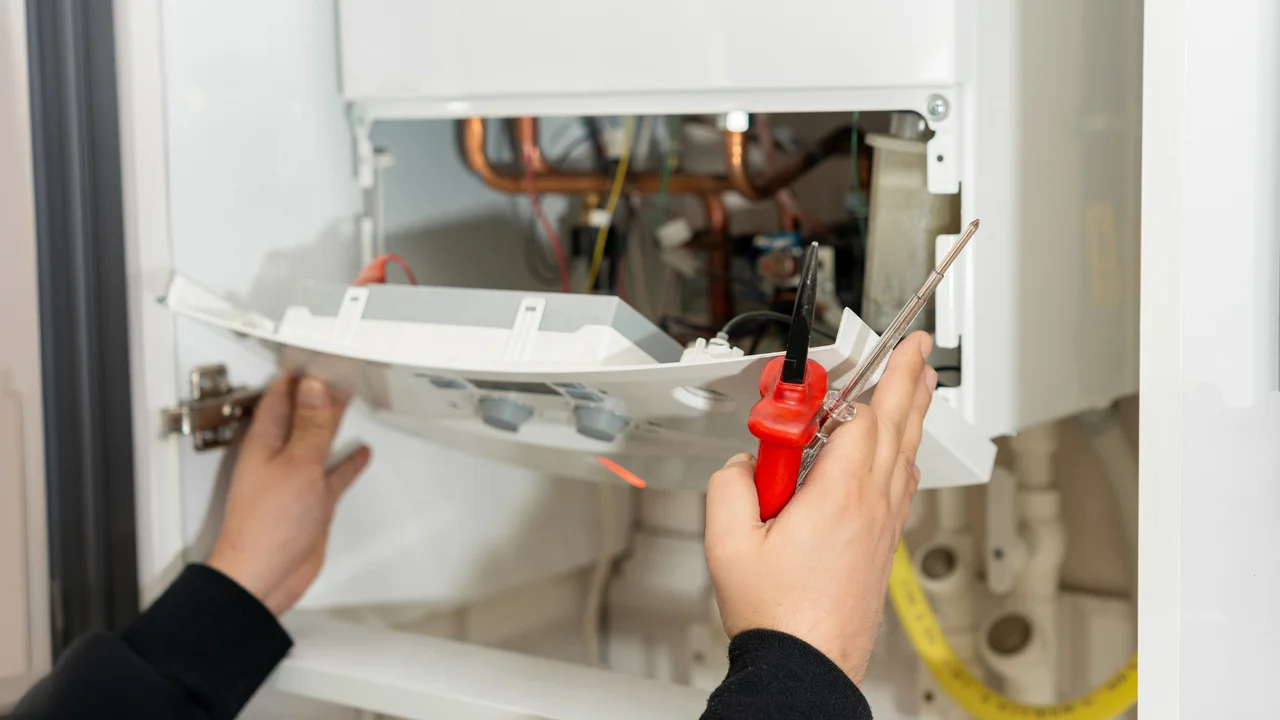
As social media platforms proliferate with DIY tutorials, many young homeowners are tempted to take matters into their own hands, especially when it comes to household maintenance. Fixing a heating system is, however, a task best left to professionals, a point underscored by a disconcerting study by BOXT for Gas Safety Week (14–20 September). This phenomenon of DIY home maintenance isn’t just a fleeting trend but part of a broader cultural shift that often disregards the complexities involved in managing essential home systems.
The DIY Impulse and Social Media Education
The survey revealed that about one-third of individuals aged 18 to 24 have attempted to repair or maintain their boilers in a bid to save money, with 25% relying on TikTok for guidance. Meanwhile, a similar percentage reported using AI tools, such as ChatGPT, while one in five turned to YouTube for tutorials. With platforms filled with quick-fix videos, the allure of DIY work is understandable. However, the roots of this trend lie deeply embedded in a culture that increasingly glorifies self-sufficiency without critical evaluation of the expertise involved. Many young people may not fully grasp the potential pitfalls of such approaches, especially when safety is at stake.
A quick search on TikTok yields numerous videos addressing common boiler issues. One clip even provides step-by-step instructions for repairing leaks, and another demonstrates how to remove casing—both dangerous tasks that should only be undertaken by licensed professionals. The proliferation of these videos creates a false sense of security, suggesting that if others can do it, so can I. But this mindset often overlooks the extensive knowledge, training, and certifications professionals have undertaken to safely execute such jobs.
Understanding the Risks Involved
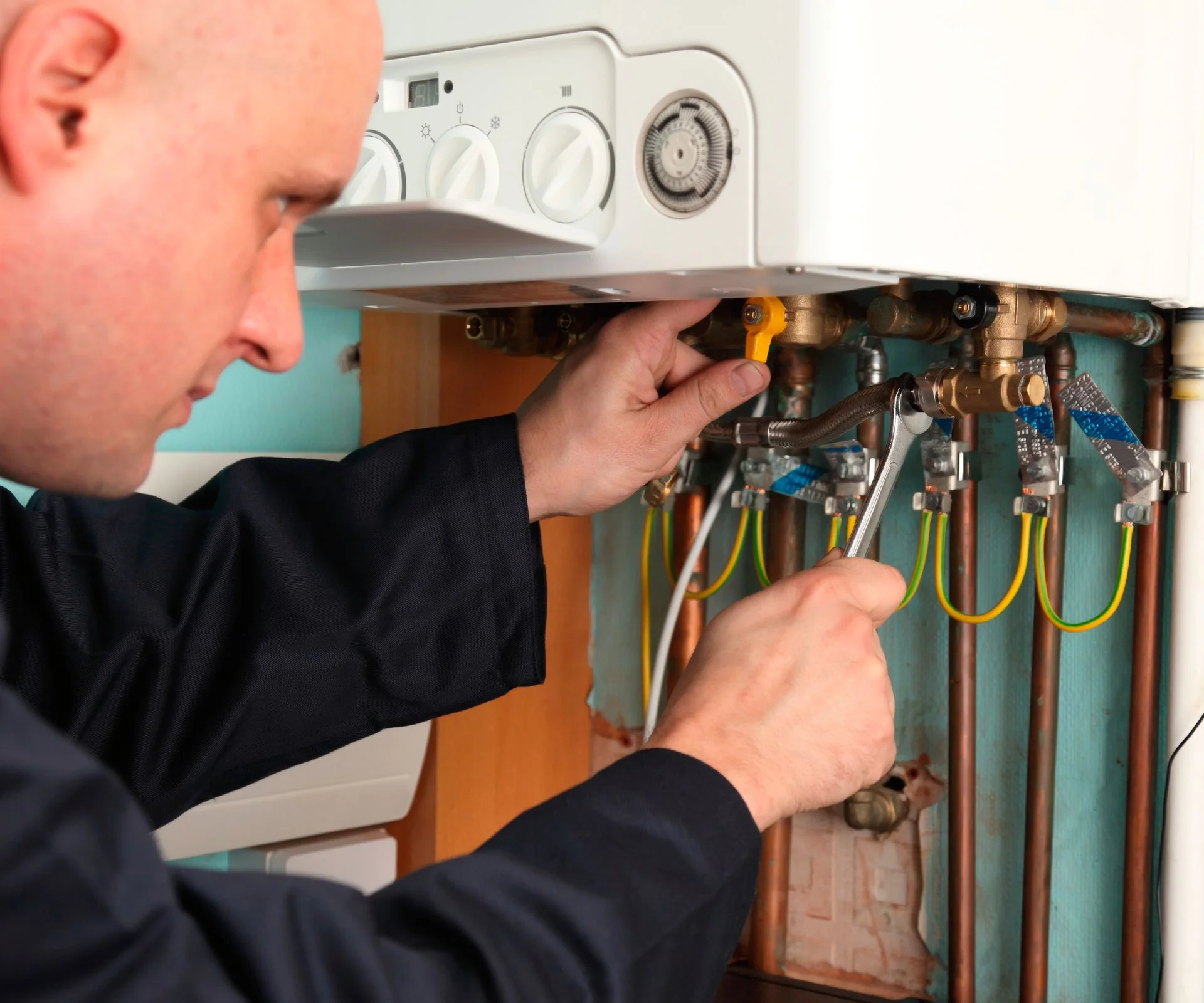
The potential hazards of DIY heating repairs are extensive. Adam Knight, Lead Gas Safe Engineer at BOXT, warns that anyone damaging an internal component could incur high costs from emergency repairs and may inadvertently void their warranty. The financial implications are serious, but they don’t compare to the health risks that can arise from improper handling of heating equipment. Mishandling gas appliances can lead to dangerous situations, including gas leaks, carbon monoxide poisoning, electrical shocks, and fires. The difference between following a TikTok video on shelf installation and attempting a boiler repair is monumental; the stakes are simply too high.
Patrick Garner, a Gas Safe Engineer at Heatable, adds that amateur fixes might conceal underlying problems, with the potential for safety issues to persist unchecked. "What works for one model in specific conditions could be utterly unsuitable for another," he cautions. This situation reflects a wider issue in DIY culture: oversimplification of complex problems can lead to negligence disguised as competence.
There's a notable gap in understanding across demographics. One in seven individuals across various age groups is unclear about which home maintenance tasks are safe to undertake themselves. This highlights a broader need for education about home safety and maintenance practices. To clarify this, BOXT has developed a straightforward traffic light system to indicate which jobs are safe for homeowners and which require professional intervention. It's a practical approach that can help mitigate risks, but the question remains: how many will actively engage with this guidance?
Which Boiler Tasks Are DIY-Friendly?
🟢 GREEN: Generally safe for homeowners when adhering to manufacturer guidelines.
- Bleeding a radiator
- Topping up boiler pressure
- Resetting the boiler
- Checking thermostat settings
- Replacing thermostat batteries
- Ensuring radiator valves are open
- Checking for low system pressure
🟠 AMBER: Proceed cautiously and consult an expert if unsure.
- Cleaning magnetic filters (if recommended)
- Basic visual inspections
- Checking for visible leaks around radiators or pipes
🔴 RED: Tasks that must be performed by a Gas Safe registered engineer.
- Removing boiler casing
- Working on internal boiler components
- Gas pipework
- Gas valves
- Gas appliances
- Fault diagnosis related to combustion
- Replacing boiler parts
- Repairing internal boiler leaks
- Any work involving gas supply or flue
By utilizing this traffic light system and engaging with a qualified Gas Safe engineer, homeowners can avoid unnecessary costs, extra damage, and serious health risks. (And this is the part most people overlook.) The human instinct is to tinker and fix, but not every fix is safe.
The Implications and Future Outlook
The trend of young homeowners taking on DIY repairs, particularly in regards to gas appliances, presents several implications that extend far beyond individual households. Safety regulations must adapt to address these emerging behaviors, ensuring that comprehensive education on the risks of DIY home maintenance becomes prevalent. Companies in this sector, like BOXT, may need to enhance their outreach and educational programs to underscore the importance of hiring qualified professionals for complex tasks.
This is more significant than it looks. If social media continues to furnish an abundance of DIY knowledge, we could see a surge in accidents or injuries that provoke stricter regulations. Eventually, if the practice isn't curtailed responsibly, the societal cost may extend beyond damaged appliances to public health concerns, resource strain on emergency services, and higher premiums for insurance providers. If you're working in this space, it's imperative to advocate for safer practices before the wave of enthusiasm for DIY leads to a backlash.
Nonetheless, this moment could also be a catalyst for change—encouraging manufacturers and contractors to create better user education materials. Ultimately, it’s a delicate balance between embracing curiosity and ensuring safety. Shaping a culture that values informed decision-making in home maintenance could lead to long-lasting benefits across communities.
For further insights, discover what to expect when budgeting for a new boiler or learn about the seven signs that indicate your boiler might fail—and how to prevent these issues proactively.


Discussion
Sign in to join the discussion.