Designer Jordyn Solberg skillfully balances original woodwork with modern updates in a 1947 home, enhancing its charm while meeting contemporary needs.
Balancing the Old with the New
When it comes to renovating mid-century homes, the conversation around preserving original woodwork often sparks intense debate. You’ll find homeowners split down the middle: some insist on painting over original wood, while others vehemently oppose touching it. This renovation of a 1947 house near Lake Washington, handled by designer Jordyn Solberg of
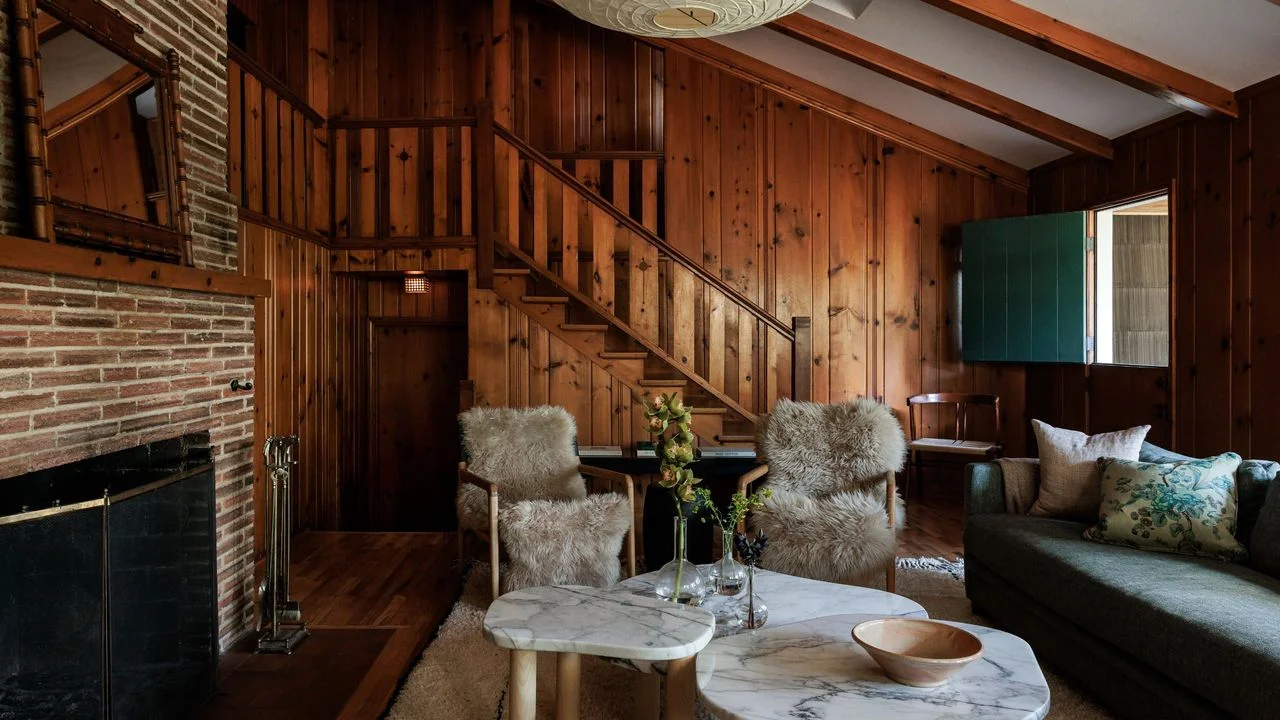
Studio Solberg, took a more nuanced approach. The property, with its stunning cedar panels, dramatic design, and picturesque surroundings, posed a challenge. It possessed undeniable charm, yet its outdated layout and insufficient natural light left much to be desired for modern family living.
As Solberg notes, the clients loved the home’s location but were less enthusiastic about its form. They didn't want a complete overhaul, so she encouraged them to consider what features were worth keeping versus which could benefit from a refresh.
"Our strategy was to be selective instead of strictly preservationist," Solberg explains. She sought a balance—retaining the cedar that contributed significantly to both the home’s identity and its aesthetic, while introducing painted areas for contrast. This not only lifted the atmosphere but reconfigured the kitchen for better functionality and natural light through the installation of skylights. Rather than viewing the original wood as a dark mark against the home’s character, the goal was to create a cohesive living space that honors the past while effectively meeting contemporary needs.
The outcome? Rather than appearing like a frozen relic or a jarring modern insert, the renovated home feels like a natural evolution of its nearly 80-year history, harmonizing beautifully with family life today.
Letting Nature Influence Design
One of the standout philosophies behind the renovation revolves around the relationship between the home and its environment. "The house and its surroundings were our greatest influences,” says Solberg. With the original cedar echoing the natural scenery outside, undue competition between the indoor and outdoor environments was something she wanted to avoid. The selected palette included warm wood tones, natural fabrics, and handicrafts that brought an organic, tactile quality to the interiors, with softer hues that maintained a visual connection to the landscape.
It’s quite interesting to note how closely this design aligns with architectural philosophies from an earlier era. Influences from figures like Frank Lloyd Wright are palpable in Solberg's thinking—these concepts emphasized using natural materials and fostering a strong connection to the site. "We aimed to preserve that spirit here," she adds.
This blend of influences resulted in interiors that felt more collected rather than overly styled. Instead of adhering to a rigid color scheme or design style throughout, Solberg focused on creating spaces with an intimate and warm atmosphere, which drew a connection to the landscape. "We sought balance," she explains. Certain rooms are lighter to provide relief from the richness of cedar, while others immerse you completely in it. The variations in materials and colors adapt to create consistency, enhancing the home's overall feeling of belonging.
This project serves as an insightful case study for anyone in the design field. It highlights the importance of understanding not just what to keep from the past but how to creatively blend those elements with fresh, contemporary touches. The key takeaway? Knowing when to let the existing character shine and when to introduce new aesthetics can elevate a renovation from merely functional to truly harmonious.The integration of old and new in design is often overlooked, yet it lies at the heart of what makes a renovation resonate. The upstairs dining room highlights this perfectly, featuring a stunning stone table and distinctive black seating, set against an original wooden screen. This architectural detail offers more than just aesthetics; it creates an openness that allows light to flow from the hallway into the dining space, enhancing the home’s atmosphere.
Relationships matter in design, as evidenced by the project team's familiarity with the clients. Jordyn's long-standing connection with them meant the renovation wasn’t just a fresh start; it was an evolution built on years of discussions. This intimate understanding allowed for choices that might not jump out at you initially, yet they are what truly breathe life into this home.
"The decision on what not to change can be critical," Jordyn points out. The existing cedar, for example, was left untouched, with the team opting instead to invite more natural light through skylights. This approach preserves the character of the home while subtly redefining how spaces feel. The interplay between original elements and modern updates isn't just clever design—it's a philosophy that honors history while embracing progress.
Ultimately, this renovation reminds us that the essence of a house doesn’t lie in making it look brand new. Instead, it preserves its soul, allowing decades of stories and emotions to coexist with contemporary style. If you're navigating the challenges of design, consider not just what you want to change, but also what remains vital to the home’s identity. Those nuanced choices can transform a mere house into a truly inviting space.
If you appreciate thought-provoking design insights and want to stay ahead of decor trends, sign up for our newsletter and receive inspiration and expert advice directly to your inbox.



Discussion
Sign in to join the discussion.