The Kips Bay Decorator Show House showcases vibrant New York City spirit, blending history with contemporary design trends for 2027 and beyond.
New York’s Urban Spirit Captured at Kips Bay
Kips Bay this year delivered a vibrant homage to New York City, effectively showcasing its raw appeal and elegance. Set in an iconic Georgian townhouse from 1839, with unparalleled views of Washington Square Park, the six floors of the show house were rich in artistic expression and urban vibes. This latest iteration breathed the very essence of the city, blending its historical charm with contemporary creativity.
Key to this transformation was the fresh vision brought by art curator
Gay Gassmann. Moving away from the whimsical designs that characterized previous years, Gassmann’s curated selection shifted to a more authentic representation of American art. The result was a series of transitional spaces adorned with works that echo the city’s energetic pulse, reflecting its storied history from the glamour of Studio 54 to the rich palette of the townhouse's ornate reds.
What this experience affords viewers is a glimpse into interiors that come alive with the spirit of an actual New Yorker. Unlike past showcases, which often favored fantastical elements, this year's offerings are grounded in reality, evoking the lived experiences of city dwellers. Transforming these 22 rooms into tangible narratives is no small feat. It’s remarkable how they bridge the gap between fantasy and reality, offering an intimate look into the fabric of urban life. And within this context, five predominant trends emerged that could very well shape design aesthetics for 2027 and beyond.
Emerging Design Trends
From colors to styles, these predictions encapsulate a future where the essence of New York continues to evolve. While trends come and go, certain themes persistently resonate with those shaping interior design. If you’re considering expanding your knowledge in this field, keep an eye on these emerging trends that echo well beyond the city's enchanted borders.
One prominent trend is the focus on sustainability. Designers are now more conscientious about the materials they select, opting for eco-friendly options that have a lower environmental impact. Reclaimed wood, recycled metals, and organic fabrics are not just buzzwords; they illustrate an urgent shift towards responsible consumption. This approach not only reduces waste but also adds a layer of authenticity and story to each piece—in a city where every artifact has a past, that matters.
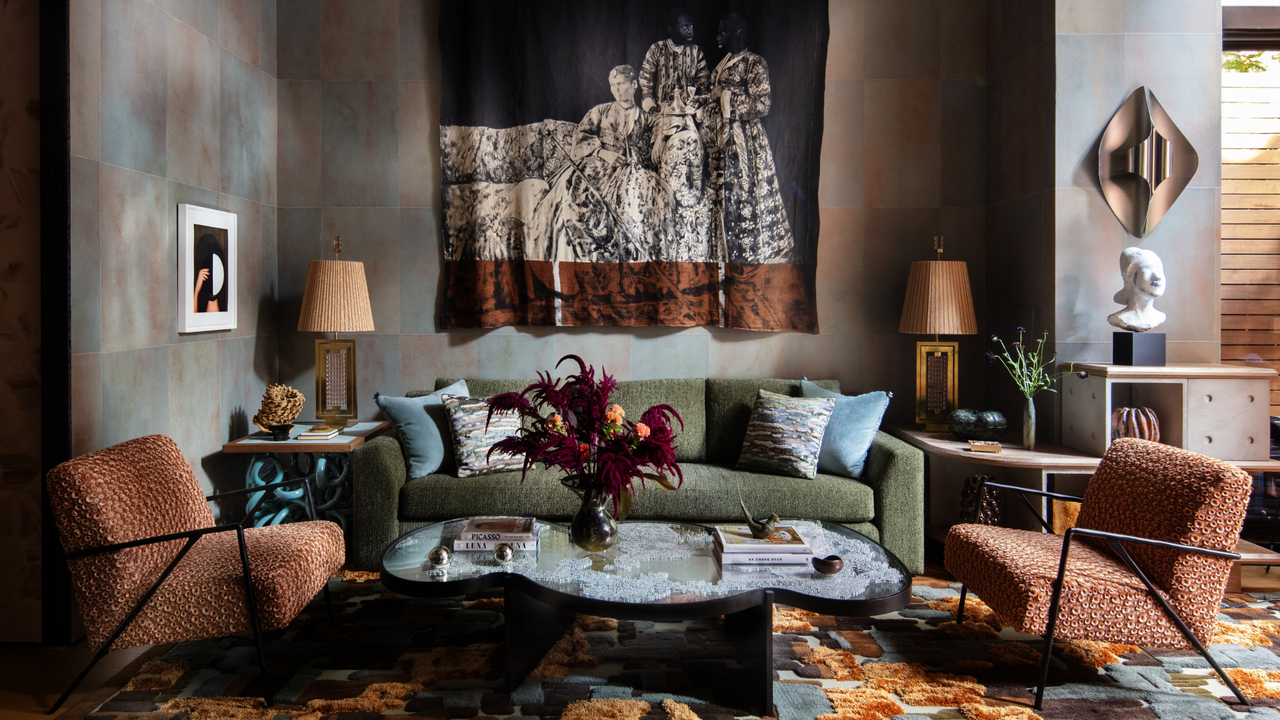
Another noticeable trend is the increasing use of bold colors. Whereas minimalism once dominated, it seems New Yorkers are embracing vibrant hues that express individuality and warmth. Bright accent walls, colorful artwork, and striking furniture choices are filling spaces once limited to monochromatic palettes. This move towards color reflects a societal shift; people are looking for joy and resilience in their environments, especially post-pandemic.
Textures are also playing a significant role in modern design choices. Expect to see a blend of materials such as plush fabrics, glass, and metallic finishes in various spaces. This rich layering not only contributes to visual interest but also enhances the tactile experience, engaging more of the senses within a room.
And let’s discuss mixed-use spaces. The days of defining rooms by strict purpose are fading. Instead, spaces are being designed to adapt to multiple functions—think of a living room that doubles as an office or a dining area that seamlessly transitions into a creative workspace. This flexibility mirrors the lives of urban dwellers, who often juggle various roles within a single environment.
The Cultural Significance of Design
What this showcases is more than just a shift in style; it reflects a broader cultural connection to place and identity. The way New Yorkers design their living spaces is tied to their understanding of community and individuality. There's an implicit narrative in how people cultivate their households—one that speaks to personal history, cultural heritage, and the collective urban experience.
The implications of these emerging trends are profound. They indicate a shift not just in interior decor but in lifestyle choices, affecting everything from furniture production to retail marketing strategies. Companies will need to adapt, embracing sustainability and personalization if they intend to resonate with an increasingly discerning consumer base—artisanship matters now more than ever.
If you’re engaging with today’s design ecosystem, you’ll need to stay attuned to these trends to maintain relevance. Consumer preferences are increasingly leaning towards intentionality—products that don’t just fill a space, but also spark joy or conversation.
For those eager to explore these trends further, consider subscribing to design newsletters or forums where professionals discuss these very shifts. They can keep you informed about the styles shaping our living environments right now. As we’ve seen this season, the confluence of form, function, and storytelling will undoubtedly shape the future of design. Be prepared—what’s in vogue today could very well set the tone for what follows tomorrow.
Final Thoughts on Design Trends
As we reflect on a season bursting with design potential, Kips Bay exemplifies how art and living converge. This year's highlights blend creativity with functionality in remarkable ways. Take the Kips Bay Decorator Show House New York, for instance, now ongoing until October 13. This is where you’ll find manifestos of personal expression and shared narratives woven into every corner.
If you're in the area, attending is a fantastic way to soak up cutting-edge ideas directly from the experts. Tickets are still available, making it an ideal last-minute outing to fuel your design inspiration. This kind of energetic, on-the-ground event underscores the evolving conversation in interior design. There's a palpable shift towards incorporating unique, often artisanal pieces that reflect personal stories alongside sustainable practices.
Each showcased product—from the Jeremiah Square Cushion by Soho Home to the elegant Floral Iron Table Lamp from Terrain—serves a dual purpose. They aren’t just decorative items; they embody a lifestyle and an ethos. The result is a tapestry of designs that not only enhance aesthetics but also resonate on a deeper, emotional level, reminding us that design isn't just about looks—it's also about connection.
So, if you're in this space, whether as a designer, enthusiast, or consumer, stay informed and engaged. The pulse of design in New York could very well shape the contours of our spaces for years to come.



Discussion
Sign in to join the discussion.