Streamline Your Kitchen: Expert Tips for Easy Cleaning and Stylish Design
Published Sep 13, 2026Reads 680Desk Natasha Brinsmead
Discover expert strategies to enhance your kitchen's design for effortless cleaning and a serene, organized space.
In a world where time is precious and chaos is an unwelcome visitor, finding ways to simplify household tasks, like cleaning, can feel like a small victory. For those who enjoy the zen of tidying up, it's still essential to streamline the process. With my own recent kitchen renovations, I’ve realized a critical oversight: the design choices I made for surfaces and appliances could have made cleaning a far less time-consuming affair.
As I plan a remodel, I’ve turned to industry professionals to uncover strategies that balance aesthetics with ease of maintenance. Rather than get bogged down in the intricate details, I've sought insights that promise a serene space that won’t demand endless scrubbing every week. Here’s what the experts have suggested.
1. Replace Freestanding Appliances with Integrated Options
My eye-opening moment came while painting my kitchen, when moving the freestanding fridge and cooker revealed a shocking collection of grease and grime hiding in the nooks and crannies. The mess left behind highlighted the need for a rethinking of appliance design.
Emily Newmarch, a design consultant from Kitchens by Holloways, firmly advocates for swapping freestanding appliances for integrated ones. Her perspective is significant: “Integrating appliances creates cleaner lines and fewer gaps for dust to settle.” This simple change can redefine both the look and cleanliness of your kitchen.
The concept of the "invisible kitchen" appeals to many modern homeowners, too, offering a seamless integration of kitchen elements that supports a more tranquil home atmosphere. Thoughtful spatial planning and clever use of cabinetry can turn everyday appliances into discreetly tucked-away tools, reducing visual clutter and maintenance alike.
2. Rethink Your Kitchen Layout
The layout of your kitchen isn't just about efficiently arranging items; it directly impacts how easy it is to keep clean. Emily emphasizes that “the first thing to consider when designing a low-maintenance kitchen is its layout.” Misplaced zones and exposed items can create unnecessary confusion and mess.
Tamsin Holland from Paula Rosa Kitchens reinforces this notion, pointing out that effective kitchen design considers real-life living patterns. “Zoned kitchens—like semi-open or broken-plan designs—promote a calmer, more organized space.” This can significantly minimize those annoying clean-up sessions after meal prep.
Creating distinct areas for tasks—such as a dedicated coffee station—eliminates the need to scramble through cabinets for daily essentials, keeping your kitchen tidy and manageable.
3. Be Cautious with Open Shelving
Open shelving can definitely add style but poses a cleaning challenge that can quickly outweigh its visual appeal. My own open shelves, populated with decorative items and storage jars, became a breeding ground for dust.
Emily advises limiting open shelves to items you grab daily, such as mugs or plates. Tamsin agrees, “Choose a minimal selection of practical items to display. Items that gather dust require more frequent cleaning and clutter the visual space."
By adopting a more curated approach to open shelving, you not only reduce hassle but also maintain a tidier aesthetic.
4. Consider a Pantry or Utility Space
Creating a dedicated area for less-than-pretty tasks can be a game-changer. Whether it’s a pantry, utility room, or back kitchen, Emily notes these spaces can take the brunt of mess and clutter, allowing your main kitchen area to shine effortlessly.
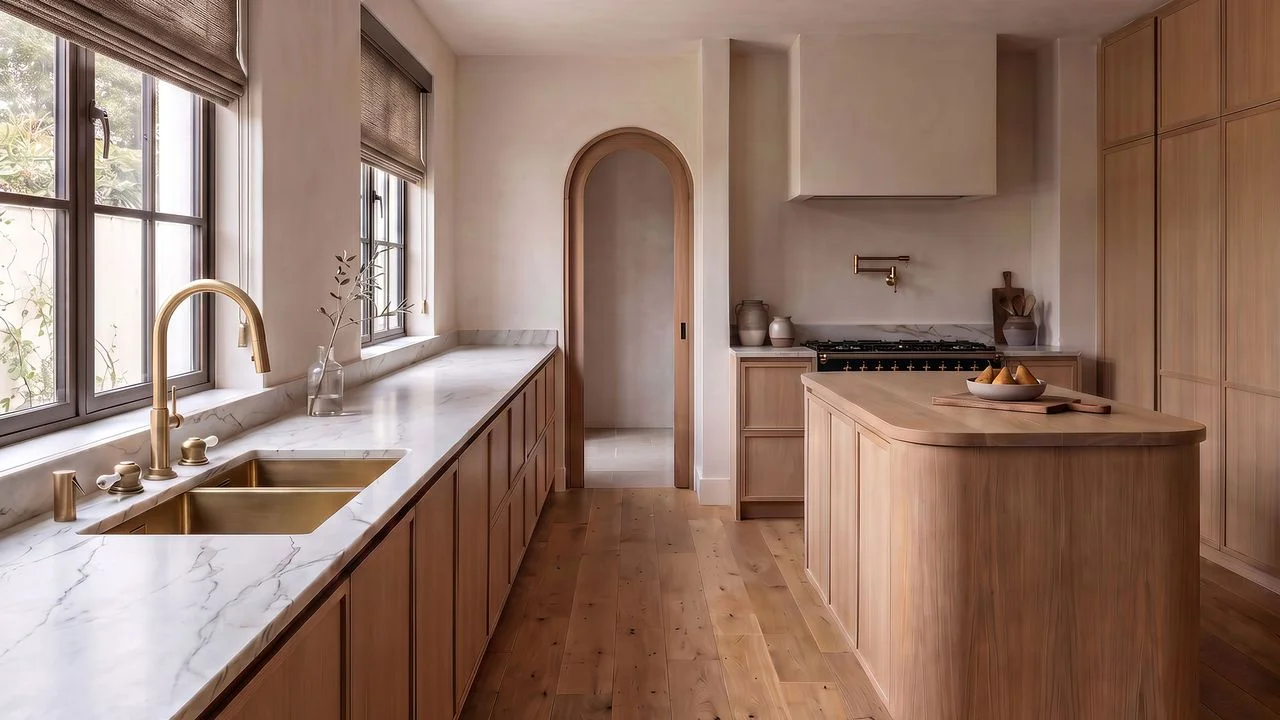
Not everyone has the room for a full pantry, but Emily suggests practical alternatives like an appliance garage. “Pocket doors can conceal toaster or coffee machines, making your space feel instantly cleaner when closed,” she says.
5. Simplify Cabinetry Designs
While decorative cabinetry might catch your eye, the maintenance they demand can be burdensome. As I've learned, intricate details can trap dirt, so opting for simpler designs can reduce cleaning time significantly.
Expert advice from Tamsin includes taking care of different finishes appropriately and always cleaning gently. Regular upkeep should be straightforward—gentle soap and warm water suffice for most materials.
6. Choose Undermounted Sinks and Flush Hobs
If you're serious about reducing your cleaning frequency, focus on crucial areas like your sink. Michael Sammon from Wödår emphasizes that undermounted sinks eliminate the lip that often collects debris and grime.
Looking for a sink with rounded corners can also make a difference, as it prevents grime from getting lodged in hard-to-reach spots.
All these tips converge on a vital truth: thoughtful design choices can significantly streamline maintenance tasks in the kitchen. Being deliberate about where and how you place your appliances, fixtures, and even your kitchen layout can pave the way for a more enjoyable—and manageable—cooking and cleaning experience.
Final Thoughts: The Path to a Low-Maintenance Kitchen
Wrapping this discussion up, it’s clear that reducing kitchen upkeep doesn't just revolve around the choice of fixtures, but deeply entwines with strategic design thinking. If you're entrenched in kitchen design or simply looking to refresh your space, you'll appreciate the nuances presented here. The significance of simplicity—be it through hidden storage or choosing versatile materials—can’t be overstated.
Think about this: every element in your kitchen—from the layout to the materials to the appliances—plays a role in how easy or difficult it will be to maintain. Tamsin Holland hits on an often-overlooked point: clearing surface clutter transforms the kitchen into a more serene space and streamlines your cleaning routine. That little change can ripple out into a more enjoyable cooking experience.
Then there's the splashback debate. Lesley Taylor raises a critical consideration; the cleanliness of your kitchen often hinges not just on the tile's size but the grout. This should give any designer pause as there’s a trend toward visually striking mosaics, which can become cleaning nightmares. If you're going for flair, consider places where pristine maintenance is paramount and leave the artistic layouts for areas that see less action.
Resistance to stains, scratches, and general wear is paramount. Materials like durable composites or seamless slabs truly deserve your attention. As Selena Quick wisely points out, understanding how you use your kitchen day-to-day can fundamentally shape your long-term satisfaction with your design choices.
So, whether you're upgrading an existing kitchen or planning a new one, remember: a thoughtful approach to design can save you time, effort, and frustration down the line. The goal isn’t just to have a pretty kitchen—it’s about creating a practical space that serves you well day after day. Keep these insights in mind, and you'll be better equipped to build or refresh a kitchen that’s as easy to maintain as it is enjoyable to inhabit.


Discussion
Sign in to join the discussion.