Buyers should be cautious of overlooked garden issues during winter viewings, as they could lead to costly repairs and complications later.
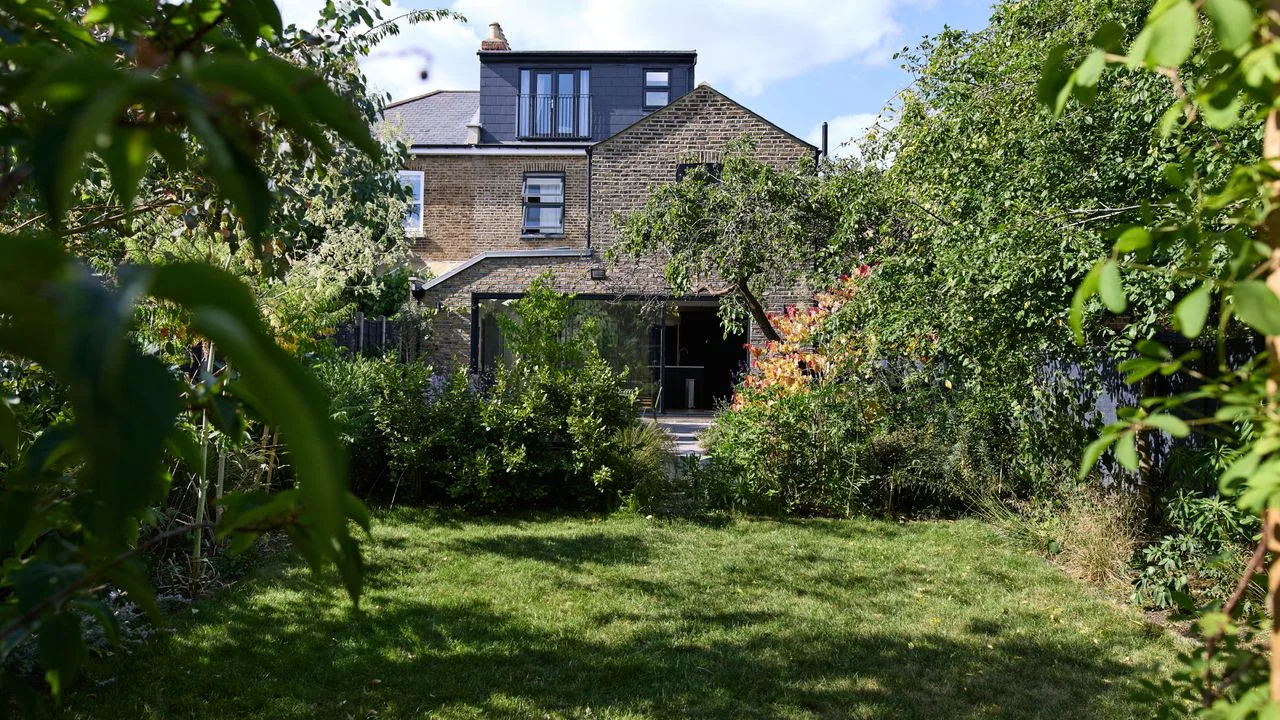
As you scope out a potential home, it's easy to fixate on the house itself, particularly in winter when gardens can appear neglected and muddy. However, skimming over the garden space might just lead you toward some costly pitfalls.
While a well-designed patio might initially charm you, it could be concealing serious underlying issues such as poor drainage, root damage, or trees threatening the structural integrity of the property. Addressing these pitfalls early can save you from significant expenses later on.
Trees and Roots
Mature trees can serve as both a delightful asset and a potential liability in a garden. They deserve scrutiny during property viewings. According to Ashleigh Bradshaw, a lawn expert at Hayter, a tree that looks innocuous in winter may cast long shadows come summer. "Consider its trunk diameter and proximity to the house," she advises. What seems manageable in winter can become a significant issue down the line.
The risks posed by trees extend beyond aesthetics. Andrew Pemberton from The Professional Snagging Company explains that tree roots can jeopardize the foundation integrity. Certain species, like willow and oak, are deemed high-risk due to their water demands, especially on shrinkable clay soils. "Even young trees may appear harmless but can evolve into a structural concern as they mature," he notes.
Tip: If you're contemplating an extension or building near existing trees, familiarize yourself with the potential risks of doing so. Understanding how tree roots can lead to subsidence is crucial.
Drainage and Standing Water
Water retention issues can be some of the most elusive red flags in a garden. A space that appears pristine during a dry visit can present a very different picture after a rainstorm. Michael Wheat, founder of Ponds by Michael Wheat, suggests starting by examining how the garden's elevation relates to the house: "If the landscape slopes toward the property or is lower than adjacent yards, it's a quick cause for concern," he warns.
Indicators such as rushes or excessive moss suggest damp conditions. Recovery time following wet weather is a significant clue; a garden that remains inundated while others have dried out could signal problematic drainage. According to Peter Thum-Bonanno of GetAgent, waterlogging issues are common red flags found during property surveys. "Taking a dry day view often doesn't reveal any existing drainage problems," he illustrates, and stresses the importance of checking with the Environment Agency's flood risk tool before falling for a property.
Tip: If you notice standing water, learn about proper drainage placement to help mitigate future water collection.
Invasive Plants: Knotweed, Bamboo, and Ivy
Few issues can spook a buyer like Japanese knotweed. Its insidious nature allows it to hide in plain sight, especially during winter when it reverts to brown canes similar to dead bamboo. Ashleigh Bradshaw warns, "It's severe enough to jeopardize mortgages but easy to miss in winter." The same caution applies to invasive bamboo, which can sneakily spread under fences and patios, making removal challenging.
Even seasoned buyers can overlook the danger. Jonathan Rolande, founder of The National Association of Property Buyers, recalls purchasing a home with an undetected knotweed issue, resulting in years of costly remediation. "I underestimated the need for thorough checks," he reflects.
Tip: Familiarize yourself with how to identify and manage invasive plants like Japanese knotweed if you suspect their presence.
Structural Issues Disguised as "Cosmetic"
Minor cosmetic discrepancies like uneven flower beds or cracks in a patio can often mask severe issues. Pemberton describes a situation where a flowerbed's elevation against the property compromised the damp-proof course, leading to potential moisture issues. "Many buyers assume that just because it's a new build, everything is fine when it’s often not," he cautions.
Similarly, patio and path aesthetics can overshadow their actual construction quality. Buyers frequently get swept up in appearances and overlook functionality. Issues like improper drainage can cost between £3,000-£5,000 to rectify, according to Pemberton.
Jonathan Rolande observes that overgrown gardens often conceal other problems. Thick planting can mask damaged fences or leftover debris from previous structures. "It’s essential to explore dense growths, as they could hide potential hazards," he advises.
A Quick Garden Checklist
When evaluating a property, a structured approach to the garden can be advantageous. Here’s a succinct checklist to streamline your assessment:
- Check the house proximity: Ensure the ground is lower than the damp-proof course, free from moss or stains on walls.
- Test the lawn: Gauge its health by pressing down with your heel; spongy indicates thatch while firm implies compaction.
- Walk the entire garden: Don’t just stop at the kitchen doors; explore the space.
- Look at all aspects: Inspect trees, boundary walls, and any shifts in landscape; check behind sheds for hidden issues.
- Accessibility is key: Make sure there's convenient access for maintenance, like moving lawnmowers.
What to Do If You Spot a Red Flag
Finding issues during a viewing shouldn’t automatically deter you from making a purchase, but it does warrant an adjusted approach. Jonathan Rolande recommends raising any concerns prior to closing and verifying coverage with insurers, as they may not cover pre-existing issues. Michael Wheat concurs, noting that rectifying someone else's oversights can be expensive, as it often involves additional head-scratching costs for removal and replacement.
Commissioning a specialist report can provide the insights needed for informed negotiations. Investigate further into potential pitfalls related to fences and drainage issues to get a clearer picture of your responsibilities should you proceed with a purchase.
Ultimately, it's prudent to involve professionals for comprehensive evaluations to avoid unexpected costs and challenges down the line.



Discussion
Sign in to join the discussion.